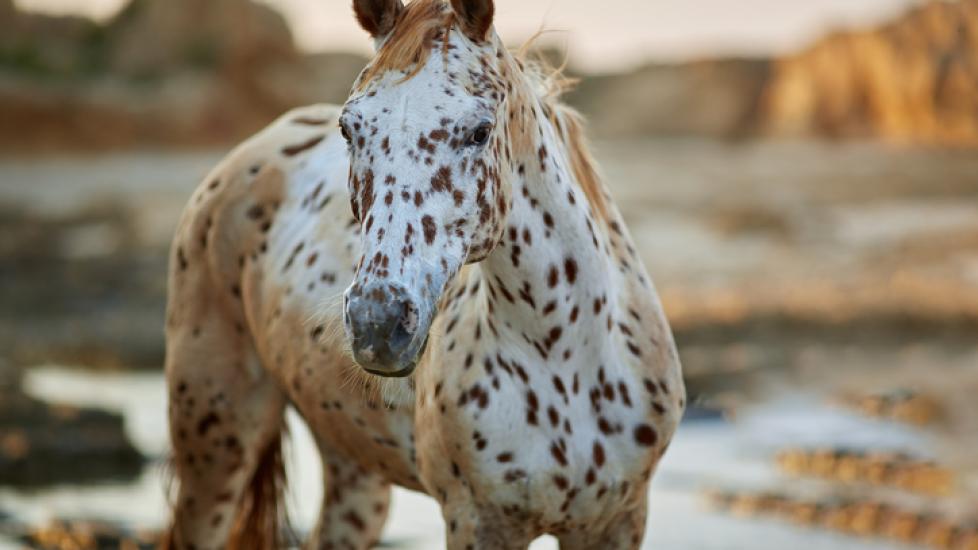
Knabstrupper
In This Article Overview View 8 More +


In This Article Overview View 8 More +
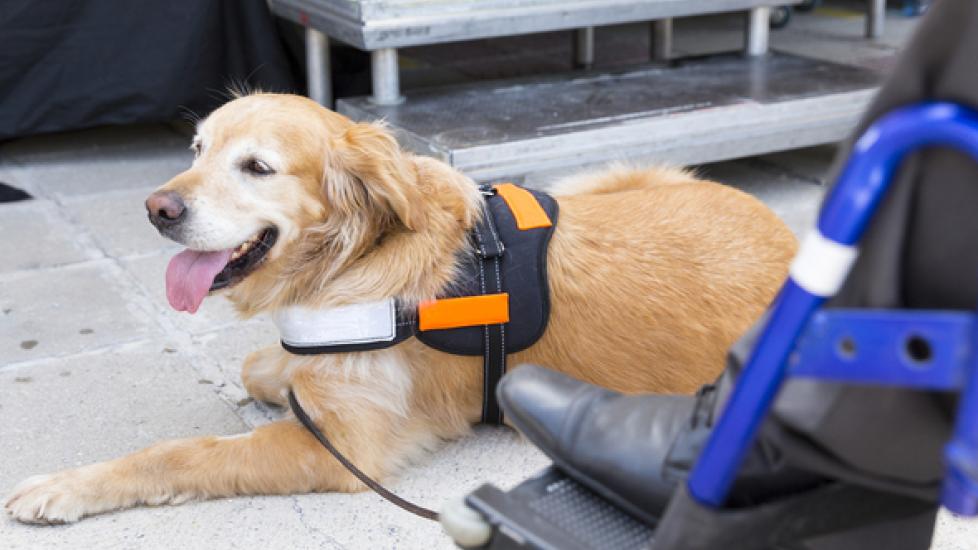
Image via Belish/Shutterstock By Victoria Schade It takes more than a patch and vest to make a service dog. Although it’s easy to assume that service dogs, emotional support animals and therapy dogs all provide the same type of aid for their caretakers, their training, responsibilities and access to public spaces differ greatly. The confusion over what working assistance dogs do versus what “support pets” provide can have far-reaching consequences for the people who rely on the tasks their service dogs perform every day. Here’s a breakdown of what each of these categories mean. What Is a Service Dog? According to the Americans with Disabilities Act, “Service animals are defined as dogs that are individually trained to do work or perform tasks for people with disabilities.” Veronica Sanchez, a certified professional dog trainer and the owner of Cooperative Paws, an organization that offers service dog training for professional trainers, says, “In the service dog world, we refer to this as ‘task training.’” These tasks are essential functions that handlers are unable to perform on their own because of their impairment. Service dog responsibilities depend on the needs of the handler. Certified professional trainer Michaela Greif from Paws & Affection, a nonprofit organization that trains service dogs for children with a range of disabilities, says that some of the of skills include retrieving dropped items, pulling doors open, turning lights on, pushing drawers and cabinets closed, bracing to provide balance for an owner, interrupting panic attacks or alerting an owner to a change in insulin levels. But the breadth of a service dog’s abilities goes well beyond the day-to-day support they provide their handlers. “The harder work is in creating a dog that can flourish under all types of circumstances, because a service dog needs to be quiet, attentive to the handler, accepting of a multitude of environments and unfazed by every imaginable situation,” Greif says. Training Service Dogs Training a service dog takes commitment. For example, Paws & Affection dogs go through over two years of training, starting at just eight weeks of age. The training starts off with basic pet dog manners, and builds to include thorough socialization, impulse control and the specialized skills needed to support their handler. The formal training process culminates with the Canine Good Citizen Test and Public Access test, which Greif says evaluates the ability of the dog to be an appropriate, unobtrusive helpmate in public. Then, dog and handler are matched and train together to become a working team. The scope of work that goes into preparing a service dog for the responsibility of assisting their handler and acting appropriately in public goes well beyond what typically happens in pet dog training. People with disabilities have the legal right to take their service dog to any place where the general public is allowed, from movie theaters to hospitals, even if pets are not usually permitted there. How Should You React to Service Dogs in Public? Although it’s tempting to reach out to pet a service dog, it’s critical to resist the urge. Remember, service dogs in public are on the job. Greif cautions, “It is wonderful that so many people are enthusiastic about seeing such dogs in public, and it is most appropriate to direct your interest toward the human on the other end of the leash, rather than assuming it is okay to pet or speak to a service dog.”
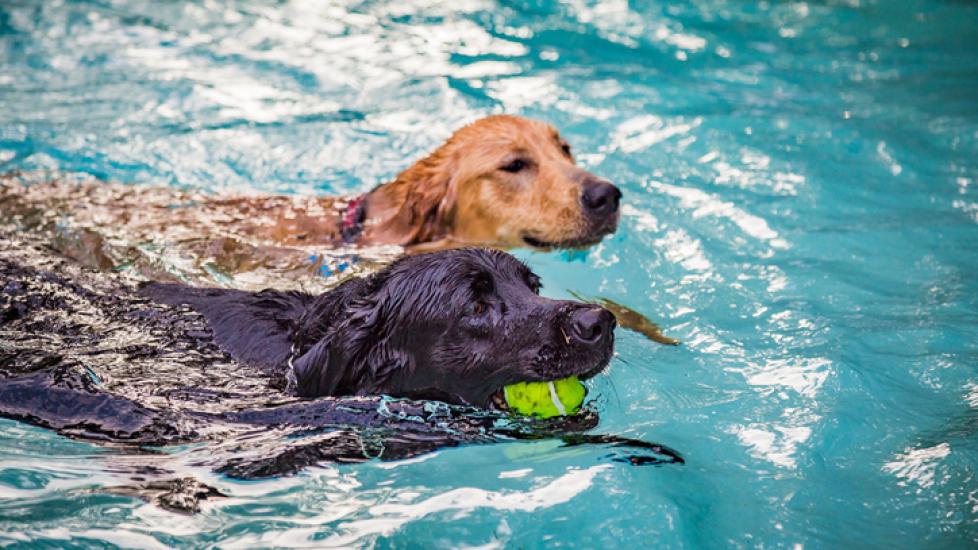
Always Supervise Your Dog Around Water The most important thing to remember when letting your pup play in the water with you is to always keep an eye on them. There are several things to look out for before, during, and after your dog is in the pool: Watch out for dogs drinking pool water. Every dog (and human) who gets in the pool will inhale some pool water, but watch out for excessive drinking. Pools treated with chlorine can be harmful to ingest if your dog drinks too much. The same goes for salt water pools; too much salt is never good for a pup. And if your pup is hot and exhausted from being outdoors and swimming, they’re going to want to drink it to quench their thirst. Fortunately, the amount of chlorine in the pool water is very diluted. Symptoms are mild and include mild gastrointestinal issues, but it’s still a good idea to stop your dog from drinking too much of it. Drinking too much salt water however can have more serious consequences especially if the dog is dehydrated. Never leave your dog unattended near a swimming pool. Keep fresh water and a portable dog bowl nearby so your pup has access to clean drinking water at all times. Watch to see if your dog gets tired. Dogs who are enjoying themselves in the pool may not notice they’re getting tired. If you notice the rear part of their body sinking a bit, that’s a good sign that they’re becoming fatigued and could use a break. This is when a life vest or flotation device can save them from slipping beneath the water’s surface, but if you don’t have one for your dog, ensure that they have a safe and easy way to get out of the pool. Pool ramps, steps, and ladders for dogs will give your pup a safe spot to exit and take a breather before jumping in again. Providing a reliable access point for them will also help during training and if your dog gets nervous in the water.,Summer is here, and it’s only natural to want to be outside. A big part of summer is swimming in the pool, but can your canine family members take part in the fun too? The short answer: Yes! But read on for a few things to keep in mind when it comes to dogs and pool safety. As with humans, pool safety is key to keeping the good times going. When it comes to dogs and pools, many of them love the water and will take to it naturally, while others will benefit from a little swim training. Whether or not your dog is a born swimmer, it’s important to make your pool accessible for them when you are around, giving them easy ways in and out of the water, that will also keep your pool from being damaged.
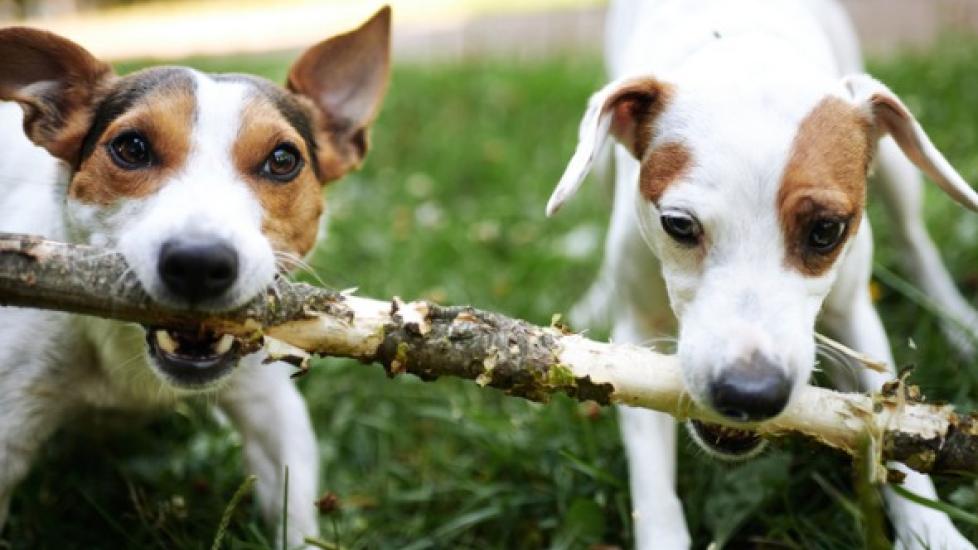
Image via iStock.com/Kkolosov By Deidre Grieves When it comes to understanding how a dog ages, you may have heard that one dog year is equivalent to seven human years. But according to Dr. Lisa Lippman, a veterinarian based in New York City, that isn’t an exact calculation for determining dog age. “The ‘seven-year rule’ is a simplified explanation of canine-human aging,” she says. According to Dr. Lippman, a medium-size dog that’s well cared for will live roughly 1/7th as long as their owner, but different breeds of dogs age differently. This guide will explain how a dog ages and how to best care for your dog at every life stage. Dogs Age Based on Size and Breed Dr. Lippman explains that the dog-years-to-human-years equation is actually more about weight than it is about age. “A 5-year-old dog that weighs 20 pounds or less is about 33 ‘human-years-old,’ where a dog that weighs over 90 pounds is closer to 41 years old in human years,” she says. The dog age ranges associated with different life stages—puppy, adult and senior—vary depending on the size and breed of your pup. Most dogs, says Dr. Lippman, are considered puppies until they reach approximately 1 year old. But defining the transition between adult dogs and senior dogs is a little more complicated. “Large dogs tend to age more quickly than their smaller counterparts,” she says. “Very large dogs may be considered seniors at 5 or 6 years of age, whereas small dogs aren’t seniors until 10 or 12 years old.” Because of how dogs age, small dogs and large dogs also have different life spans. Smaller dogs like Chihuahuas, Yorkshire Terriers, Dachshunds and Pomeranians tend to live longer than larger dogs such as Saint Bernards, Great Danes, Newfoundlands and Irish Wolfhounds. “While we still aren’t sure exactly what accounts for this difference in maturation and aging, smaller dogs definitely live longer, on average, than very large ones,” says Dr. Lippman. “This is especially apparent when you compare very small dogs, such as a Yorkshire Terrier—which can live well into their teens—with very large dogs like Great Danes—who live to be about 10.”
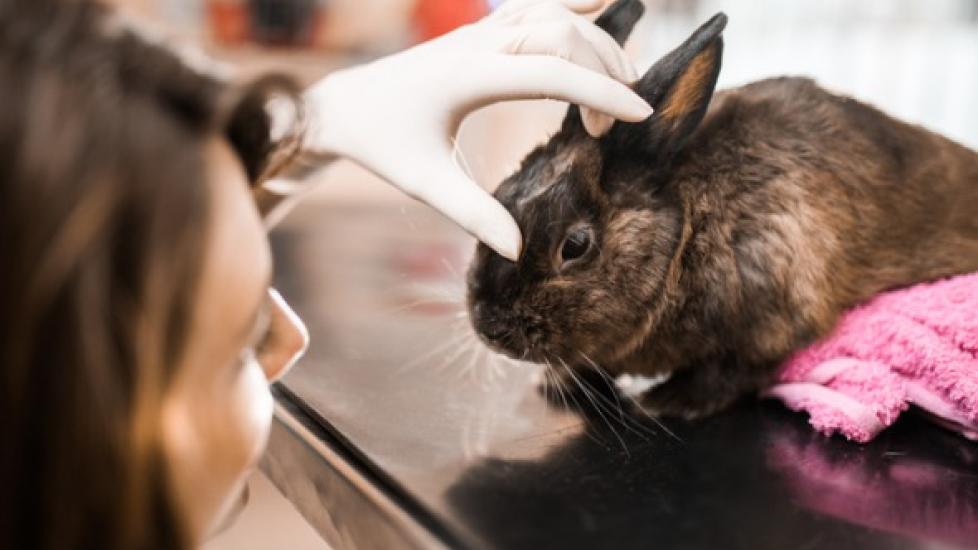
Encephalitis Secondary to Parasitic Migration in Rabbits Secondary encephalitis is an infection of the brain tissues that is due to migration of parasites from other regions of the body. The incidence of this type of encephalitis is extremely rare. Symptoms and Types Symptoms can vary according to the area of the brain that is affected, but head tilt is one of the most commonly reported symptoms. There also may be motor problems with other body parts due to the nature of the nervous system involvement. Causes Secondary encephalitis is caused by the migration of a type of roundworm larvae into the central nervous system — the brain — resulting in infection and reactive inflammation of the brain and surrounding tissues. Rabbits that are exposed to outside environment may contract this by ingesting the parasitic roundworm Baylisascaris procyonis, a parasite that is known to be harbored by raccoons. This parasite is found in areas that were previously occupied by raccoons, and are ingested by other animals incidentally when they eat grass or hay that has been defecated on by raccoons. The parasite can also live for some time in soil that has had the fecal remains from an infected raccoon. Diagnosis You will need to give your veterinarian a thorough history of your rabbit’s health and onset of symptoms. The history you provide may give your veterinarian clues as to which organs are causing secondary symptoms. Because there are many possible causes for conditions of the central nervous system, your veterinarian will most likely use differential diagnosis. This process is guided by deeper inspection of the apparent outward symptoms, ruling out each of the more common causes until the correct disorder is settled upon and can be treated appropriately. Standard laboratory work will include a complete blood profile and urinalysis, and an analysis of blood serum to identify the exact type of infection that is causing the brain tissue to be inflamed. Visual diagnostics will include X-ray studies of the skull and the areas around the ear, and computed tomography (CT) and magnetic resonance imaging (MRI) studies for determining the extent of the infection. Treatment Specific antibiotics can be given to target the infection, along with careful administration of corticosteroids to relieve the inflammation and swelling of brain tissue. The involvement of the central nervous system makes this a particularly dangerous infection. Unfortunately, this is a difficult infection to diagnose, and most cases are not diagnosed until after the animal has died. The prognosis, therefore, is extremely guarded. If the onset was sudden, the disease may progress rapidly, warranting euthanasia. Living and Management Raccoons are known to carry this parasite, it is strongly advised that you not graze your rabbits in areas that are known to be frequented by raccoons. Because the roundworm parasite can live for years in the infected soil of some environments, to best protect your rabbit, you will need to be sure that the area has been raccoon free for several years. Featured Image: iStock.com/skynesher
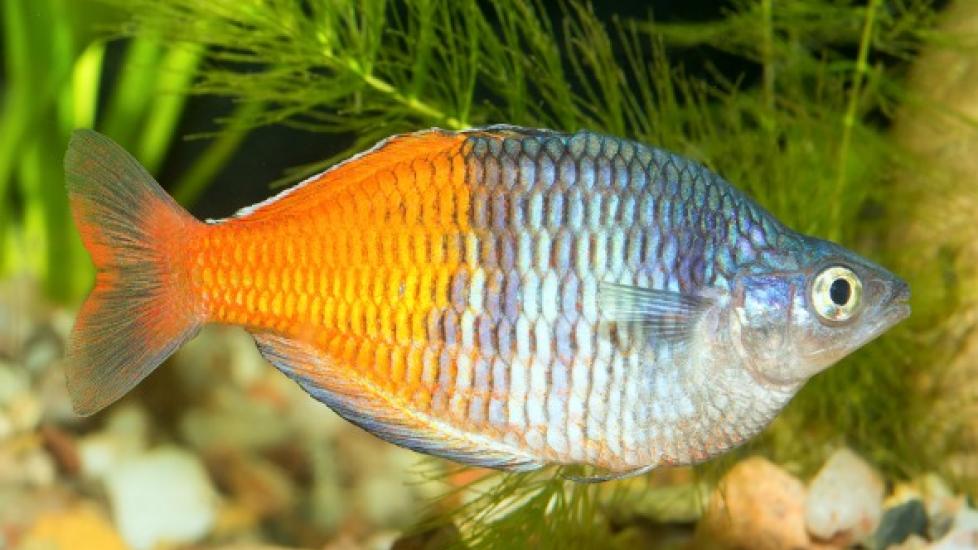
Fact #5: Make “Tank Changes” a Habit Tank changes — or cleaning the tank and its flora, as well as refreshing the water —should be done regularly. Claricoates recommended replacing one-third of the tank water once weekly. As changes in water temperature (even by as little as one degree) may stress your fish, she recommended normalizing the temperature of the water you are adding by filling a two-gallon jug with tap water, adding de-chlorinator per the package instructions, and leaving it at room temperature for a day before adding it to your tank. “Using a siphoning tube will help you get the debris from the bottom of the tank,” she said. “I typically prefer no substrate at the bottom of my tank unless deciding upon natural plants.” She notes that the addition of plants and snails in a tank increase the risk of parasite problems in fish, “so unless you plan on regular check-ups by a vet or parasite treatment for your tank, you may not want to tackle this challenge.”,Fact #6: Portion Control Equals Better Health Overfeeding fish is the number one cause of problems in fish aquariums, she said. As a general rule, if food falls to the bottom of the aquarium, you are overfeeding your fish. Excess food food in the tank will also make your tank dirty and can cause an imbalance of water parameters, Claricoates said. She said that feeding rainbowfish a balanced, flake-food diet daily is key, but only as much as the fish can easily eat within five to ten minutes of the tank feeding. Image: EEO via Shutterstock ,By Vanessa Voltolina Whether you’re a lifetime lover of fish, or hope to work a pet fish into your current lifestyle, they can be beautiful additions to any home. Rainbowfish in particular are a popular type to keep as pets and, despite their ubiquity, the average pet parent may not know all that much about them. We’ve pulled together a few fun facts about rainbowfish to help you get better acquainted with these finned friends and learn how to care for them. Fact #1: What’s in a Name? If you say you own rainbowfish, it’s unfortunately not a very specific identifier. “There are a large number of [rainbowfish] species,” said Kristin Claricoates, DVM at Chicago Exotics Animal Hospital. Although there are more than 50 species of rainbowfish, neon dwarf rainbowfish, salmon red rainbowfish, Madagascar rainbowfish and threadfin rainbowfish are some common species found in the pet industry.
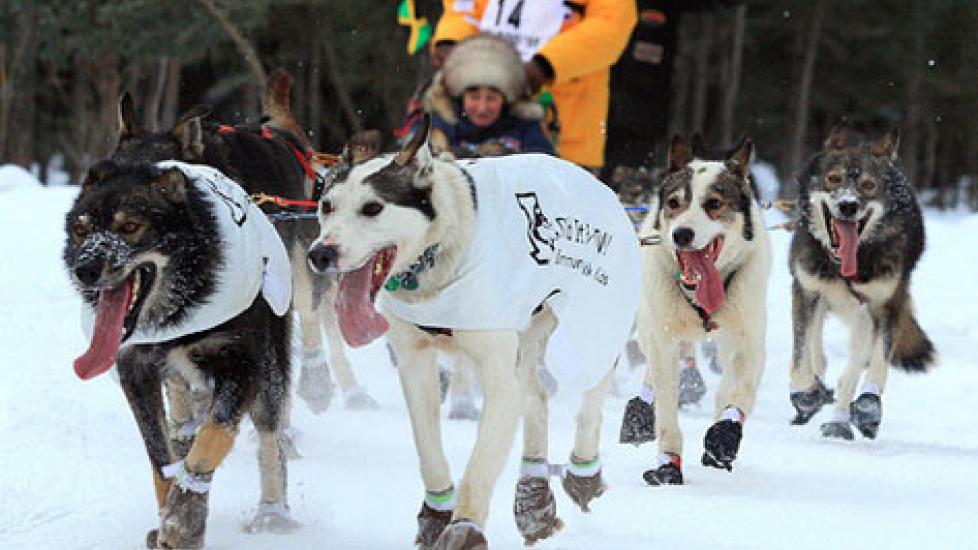
If you live in an area where there is plenty of snow and space to run — and hopefully someplace to go — and you have at least two big, energetic dogs and a sled, there is an outdoor activity made just for you: mushing! We’re not talking “mush” like the stuff you eat for breakfast. This “mush” is based on the French word for marche. Or to put it simply, “Go!” Mushing can be for practical purposes, like getting from here to there (and back again), in which case you need only a team of dogs big enough to haul the loads they are pulling. If you are interested in mushing for sport, well, that’s a whole ‘nother ballgame, and you’re going to need a bigger team for that. And then you have the choice between going pro and joining a competitive racing association, or just staying casual and racing around with your dogs alone, or against your friends and neighbors. Either way, it’s a great way to stay healthy and have fun all winter long. If you live in a location that is not snowy all year long, you can even continue to mush in the warm season with a rig. In fact, mushing is not confined to sledding; it can also include skijoring, weight pulling, sled racing, and almost anything that involves harnessing a dog to a vehicle for the purpose of pulling it. Meet the Dog Sled Team Dog sledding requires a sled, a team of dogs, and a musher — the person driving the sled. Almost any breed of dog can be used on a sled team, so long as it is a medium to large sized dog (between 45-90 pounds is best). The most common breeds are the Siberian Husky, Alaskan Malamute, Canadian Eskimo and Samoyed, but other breeds and mixed breeds are also used. Pulling breeds like American Bulldogs, mastiffs, American bull terriers and Staffordshire terriers can also benefit from this sport. In cold environments, it does help tremendously if the dogs are heavy coated, but the main components for a successful mushing dog is speed, strength and stamina to spare. The dogs are set up in groups of two, running side by side — think of how Santa’s reindeer sled team is organized. The team is positioned based on the dogs’ abilities to perform certain roles. The Lead dogs set the pace and steer the rest of the team. They are usually chosen based on their intelligence, since they have to be smart and able to find trails even under tough conditions. The Swing dogs follow the lead dogs and help guide the dogs behind them through the tough turns. The Team dogs are usually found on larger teams. They provide the main power in the team and are positioned based on their strength. The Wheel dogs are the dogs closest to the sled. They are positioned based on their ability to stay calm under pressure, especially with a moving vehicle right behind them. And because they are directly hitched to the sled, they have to be the strongest; making turns and maneuvers smoothly enough that the sled will not be overturned and pulling the sled out of ruts. Finally, the Musher rides right behind the sled, giving commands and steering the sled team. The Musher often will participate by running along with the dogs to help speed the team along.
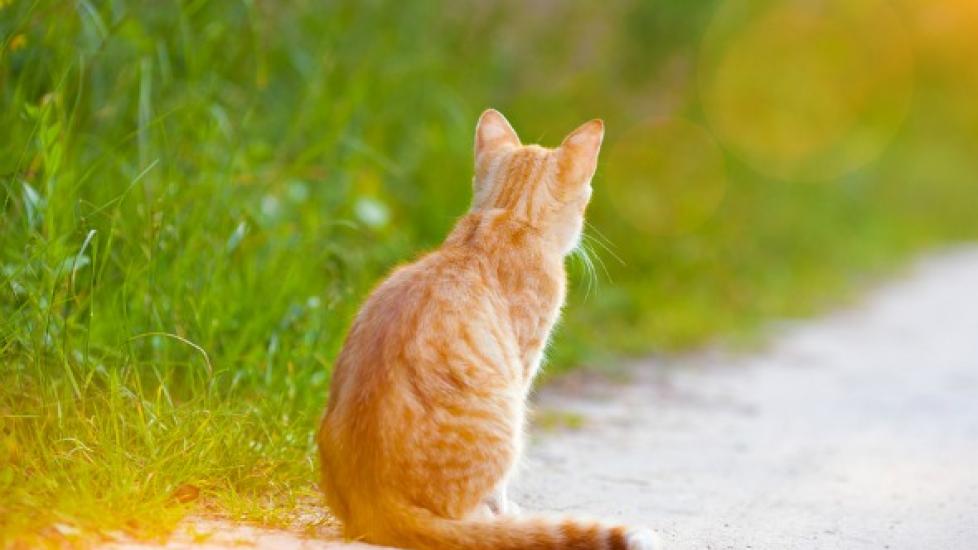
Living and Management Your cat will require plenty of home care. Make certain to follow your veterinarian’s instructions regarding medications and follow-up evaluations. Keep track of progress, watching for signs of improvement or relapse, and report them to your veterinarian. Avoid physically moving your cat, and take steps to prevent your cat from being overly active or taking part in activities that can lead to over exertion, including exercise, until it is approved by your veterinarian. Also, it is essential that you protect your cat from active children and from other pets in the home. A quiet, closed room, or cage rest, may be necessary for ensuring that your cat has a safe space to heal and recover from its injury. Some cats can recover quickly from neck and back injuries, however, an injury to the spine can be very serious and long-lasting, even life-threatening, if not treated promptly and effectively.,It is often difficult to determine the exact location of the pain when an animal has been injured, because unfortunately, your cat can not tell you where it hurts. Your veterinarian may even have trouble determining the location. And because there are a number of reasons for neck and back pain, zeroing in on the underlying cause may take some time. Symptoms and Types Following are some of the possible symptoms your cat may show after an injury to the neck or back: Change in posture Back is curved upward The spine does not look/feel as it should Neck is stiff Your cat does not want to turn or raise its head Yelps or moans when you touch its neck or back Avoids being touched or moves away from you Moans or yelps when he moves the spine, refuses to move at all Visible trauma to areas around the spine, such as bruising, scratches, swelling Weak, lethargic Lack of coordination, cannot walk, wobbly movement (ataxia) Fever Lack of appetite (anorexia)
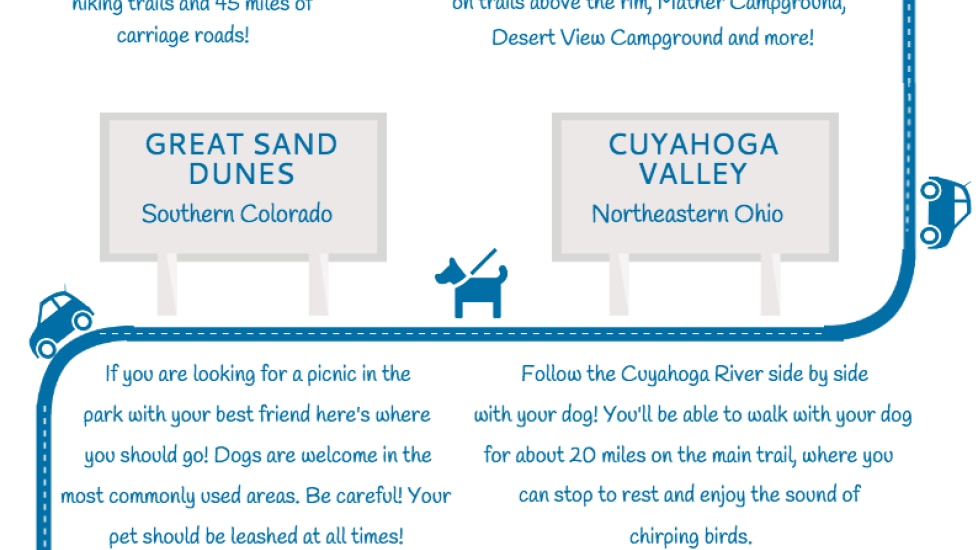
It’s never too early to start planning for a getaway, and what better way to get away from it all than to hit the nature trails with your favorite companion? We found some of the best national parks in the U.S. where dogs are welcome, so get your backpack and your hiking shoes ready for some adventure! Before you go, don’t forget to make sure your dog is current on vaccinations and is protected from ticks.
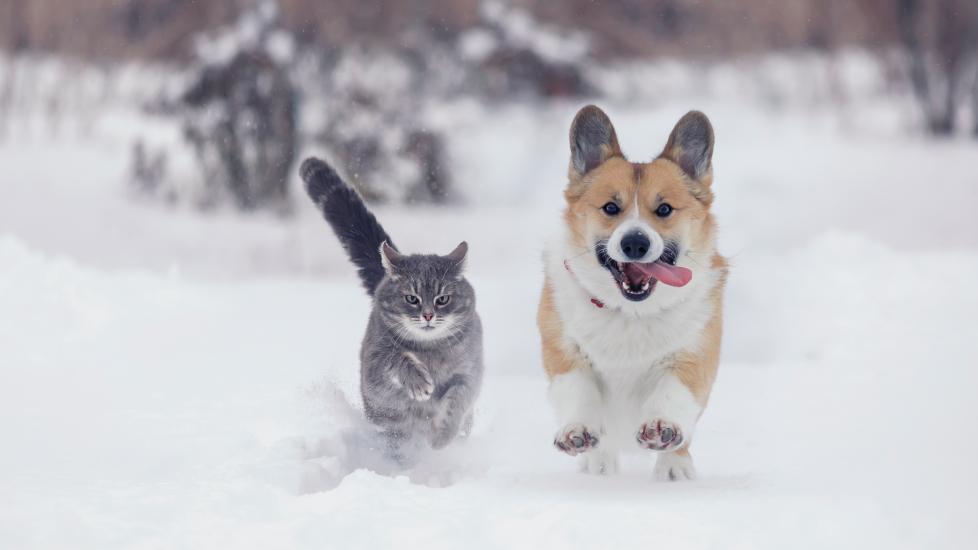
In This Article What Are Pet-Safe Ice Melts? View 4 More +

What Is a Horse Whisperer? Your Guide to Natural Horsemanship

The 5 Best Winter Dog Sports and Activities to Try With Your Pup