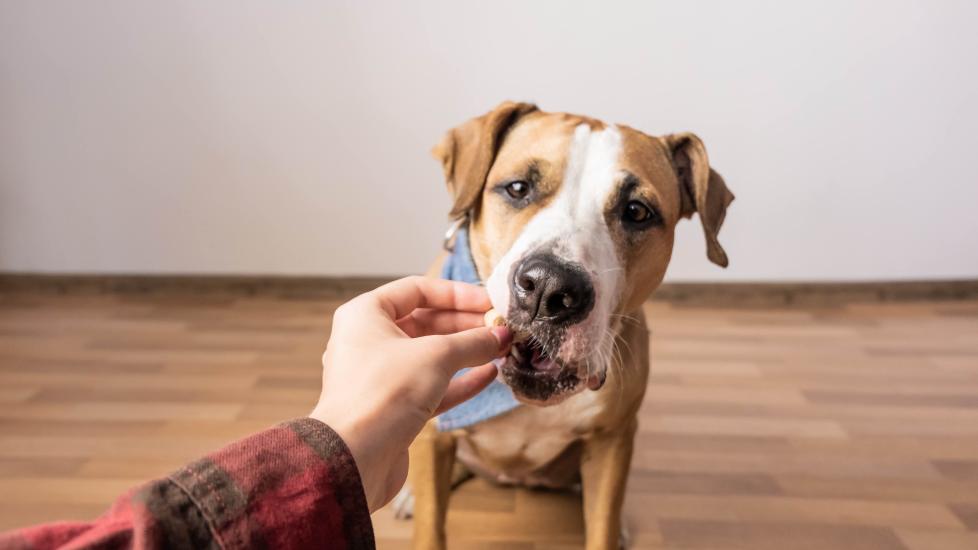
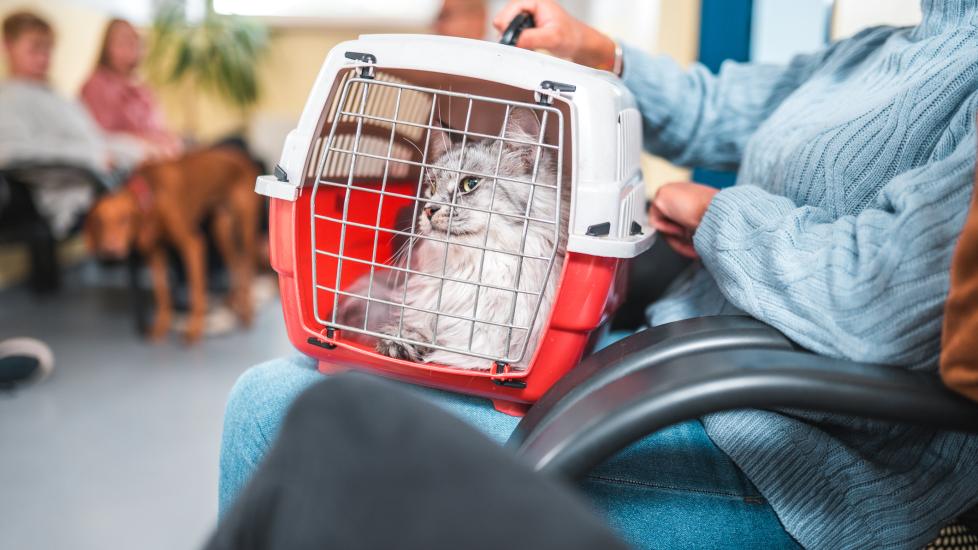
5. Medicate Your Pet Before Discussing With the Vet Health Team or Forget To Mention Current Medications Many people have anxiety medications for their pets or antibiotics/steroids lying around the house that they were prescribed in the past but they did not finish. You may want to ease your pet’s anxiety before a vet visit or planned procedure/test, but unless you’ve discussed premedicating with your veterinary care team, do not give your pet unprescribed medication. This can cause all sorts of issues. First, it makes it harder for vets to see clinical signs and be able to reach the right diagnosis if they can’t see your pet when they are not sedated or medicated. You can also cause unwanted or dangerous side effects. Non-steroidal anti-inflammatory medications (such as Rimadyl, Metacam, Deramaxx, or EtoGesic) and corticosteroids (such as prednisone, triamcinolone, or dexamethasone) are two of the most frequently prescribed classes of medications in veterinary medicine. But when two or more are given at the same time, even within a few days of one another, gastrointestinal problems are likely. Another example is combining certain drugs that may cause “serotonin syndrome.” Several types of drugs commonly prescribed to pets increase serotonin levels within the brain, and when they are used together, their combined effect may result in a dangerous and possibly fatal reaction. Drugs that can play a role in serotonin syndrome in pets include Anipryl (selegiline or L-deprenyl), Mitaban and Preventic (amitraz), Clomicalm (clomipramine), Reconcile and Prozac (fluoxetine), and amitriptyline. These medications should not be given together. Transition or “wash-out” periods that last several weeks may be necessary when switching from one to another. Make sure you have past medical records and a list of current medications your pets are on when you come to the vet. You can even find templates online that can help you prepare for commonly asked veterinary visit questions.,Some pets enjoy vet visits, but as you are probably well aware, many do not. They can’t comprehend that the procedures and medications they get at the vet clinic are for their own health and well-being. But there are ways you can help make the experience at the vet’s office easier for your pets as well as for you and the veterinary staff. Here are some pointers for what NOT to do. 1. Assume Good Behavior in Your Pets We all like to think our own pets are the best four-legged creatures to walk the Earth. Unfortunately, it is very common and normal for pets to show a completely different side at the veterinary clinic, especially if they’ve never been to that clinic before or they remember a previous negative visit. Cats can have difficulty with a change in environment, even more so if they are strictly indoors. It helps to take things slow. You may also want to search for a Fear-Free Certified clinic. Let dogs sniff around if they are on a leash. Use many positive reinforcement cues, such as treats (if they can have them), verbal praise, and pets. If your pet has not been to the vet’s office before, let the staff know it’s their first visit. Assuming a pet will be friendly (even if they have been in the past) can put the staff in danger and cause a negative experience for your pet. 2. Not Use a Leash Please do not think that your oh-so-lovable Golden Retriever does not need a leash for their vet visit. You never know what your dog may react to in the parking lot or waiting room. There may be a very anxious large dog that can cause you or your pet harm if they are approached by a pet that is off leash. Off-leash pets can stress out sick pets or pets that are naturally anxious and already on the verge. Some animals, such as rabbits and cats, can very easily be frightened by a large dog coming up to their carrier. We want to do what’s best for every pet and pet parent, so make sure your pet is on a leash and not approaching other pets. 3. Not Use a Carrier Keeping smaller or more anxious pets in a carrier is just as important. Many pets feel safer when they are in an enclosed space. This protects them from other animals as well. Without a carrier, a cat, bird, small reptile, or pocket pet can run away or seriously harm themselves. Carriers also make it easier for veterinary staff to access the pet. Here are a few great options for carriers: Small pet carrier/rodent: Frisco Top-Loading Small Pet Carrier Bird carrier: Yaheetech Iron Travel Bird Cage Carrier Cat/small dog carrier: *Pro tip: Look for a cat or small dog carrier with front and top access, such as the one below. This makes for easier entry and exit, and pets are less likely to get trapped in the carrier during emergency medical situations. Frisco Two-Door Top-Load Dog and Cat Kennel