How to Potty Train a Puppy
In This Article How to Potty Train a Puppy View 3 More +



In This Article How to Potty Train a Puppy View 3 More +
In This Article General Care View 5 More +
In This Article Why Is My Cat Peeing Outside the Litter Box? View 2 More +

Image via iStock.com/mtreasure By Kenneth Wingerter As our saltwater aquarium animal collection grows in size so should the fish aquarium. Of course, that is not always so simple. For example, you might have a strictly limited amount of floor space to work with. So, what to do? One popular way to add precious water volume to an established system is by adding a sump or refugium.
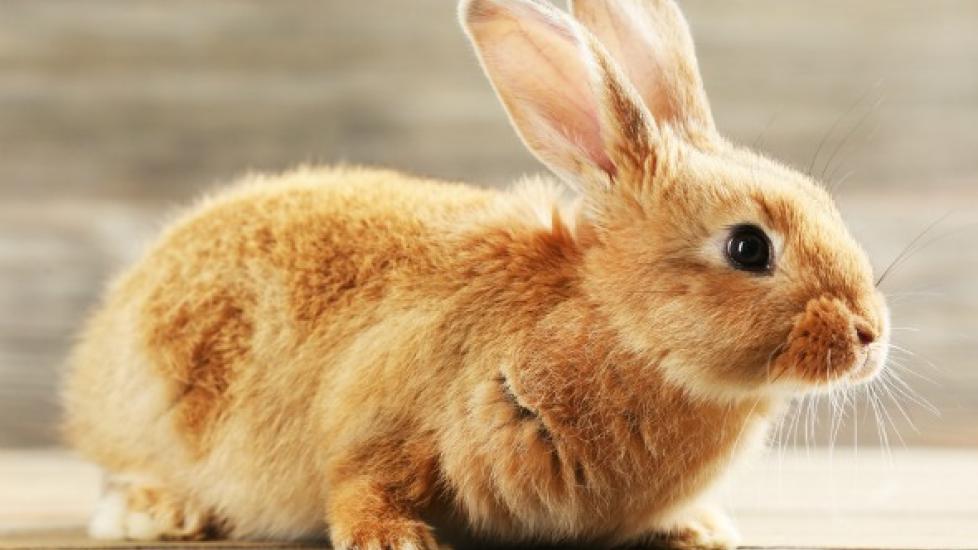
Abscess in Rabbits An abscess is a localized collection of pus contained within a capsule-like lump under the skin. Unlike those of cats and dogs, abscesses in rabbits usually do not burst and drain fluid. These abscesses can grow very quickly, often extending into the surrounding soft tissue and bone. Abscesses are extremely common in pet rabbits and are the most common cause of swelling beneath the skin. There is no certain age or sex more susceptible to abscesses, although dwarf and lop-eared rabbits are believed to be predisposed to abscesses and dental disease. Symptoms and Types An abscess is usually the secondary symptom of another health problem, thus symptoms will vary, depending on the primary cause. For example, if the abscess is a result of dental disease, additional symptoms may include discharge from the nose or eyes, anorexia, and depression. A physical examination by a veterinarian is necessary to detect additional symptoms and diagnose the exact cause. Causes There are many causes that can lead to the presence of abscesses. One primary cause is dental disease resulting from food lodged in the teeth or gums. Another cause is bacterial infection such as fusobacterium nucleatum. These cases are often related to dental disease or abscesses in the mouth. There are many other types of bacteria that lead to abscess, including pasteurella multocida, staphylococcus aureus, and streptococcus spp. Bites and foreign objects piercing the skin also lead to abscesses. Some risk factors can increase the odds of developing abscesses. For example, elongated cheek teeth (known as mandibles) may develop from a diet lacking rough feed, and may lead to the formation of abscesses. Diagnosis The exact diagnostic procedures undertaken will depend on the location of the abscess and any other symptoms. For rabbits with facial abscesses, a thorough oral examination is crucial for diagnosis. Another common diagnostic procedure is to take a tissue sample from the affected area and test for bacterial infection. Further tests may include urine analysis, X-rays, and ultrasounds to see if other organs are affected. Treatment Treatment will depend on the abscess’ location and the underlying cause. But the rabbit may be treated at home with antibiotics, if a bacterial infection is to blame or if the case is mild. For more serious cases, surgical removal of the abscess and hospital care may be necessary. Living and Management Activity should be restricted until all tissues have been properly healed. The patient should be monitored after treatment, and follow up visits to the veterinarian — especially if surgery was performed — are a necessity. Any prescribed medications should be administered on a regular basis. Prevention In some cases, abscessation can be prevented in rabbits. Providing high-fiber foods and good quality hay, and periodically trimming overgrown crowns in the mouth may prevent dental disease. Joint and feet abscesses may be avoided by providing clean, solid surfaces in the animal’s home habitat. A generally healthy diet and lifestyle is also advised.

You’ve probably heard more and more pet parents talking about doodle dog breeds. Although this trend started back in the 1980s, the popularity of owning a doodle, an “oodle,” or a “poo” has skyrocketed. Let’s find out exactly what a doodle dog is, where they came from, and what you should keep in mind if you’re interested in adopting one of these mixed breeds. What Is a Doodle Dog? A doodle dog is the result of a Miniature Poodle, Standard Poodle, or Toy Poodle being mixed with another dog breed. Some people consider doodle dogs to be designer dog breeds, while others consider them mixed-breed dogs. The term “designer” is used when a breeder mixes two purebred dogs, hoping to get the best traits from each breed in the new puppy—in this case, a family dog that’s intelligent and good-natured with a low-shedding coat. However, it’s not that clear-cut when it comes to genetics. When you take the genes of two breeds, there is no guarantee on what traits the puppy will have. You risk not only losing the desirable traits of each breed, but also inheriting health issues and undesirable traits. While cross-breeding two dogs may counteract some of the typical hereditary diseases from each parent dog, there’s still no guarantee about which genes your pup will inherit. You could end up with any combination of these conditions. Doodle vs. Oodle vs. Poo Doodle mixes come with all sorts of crazy names. They all have some part of “Poodle” name by ending in doodle, oodle, or poo and starting with part of the other breed’s name. Some doodle mixes easily give away what the Poodle breed is mixed with, while others aren’t so obvious. And although it seems that the large dog breeds mixed with a Poodle have the doodle or oodle ending, and small dog breeds use the poo ending, that’s not true 100% of the time. What Are F1, F1B, F2, and F3 Doodles? You may have seen the terms F1, F1B, F2, or F3 doodles in your search for a new doodle puppy. These terms help define the type of designer dog breeding that has happened. As the trend gains popularity, the doodle mixes become their own new breeds that are sometimes bred together. Below are examples of the parent dog mixtures that would result in each category of a Labradoodle. Labrador Retriever + Poodle = F1 Labradoodle F1 Labradoodle + Poodle = F1B Labradoodle F1 Labradoodle + F1 Labradoodle = F2 Labradoodle F2 Labradoodle + F2 Labradoodle = F3 Labradoodle
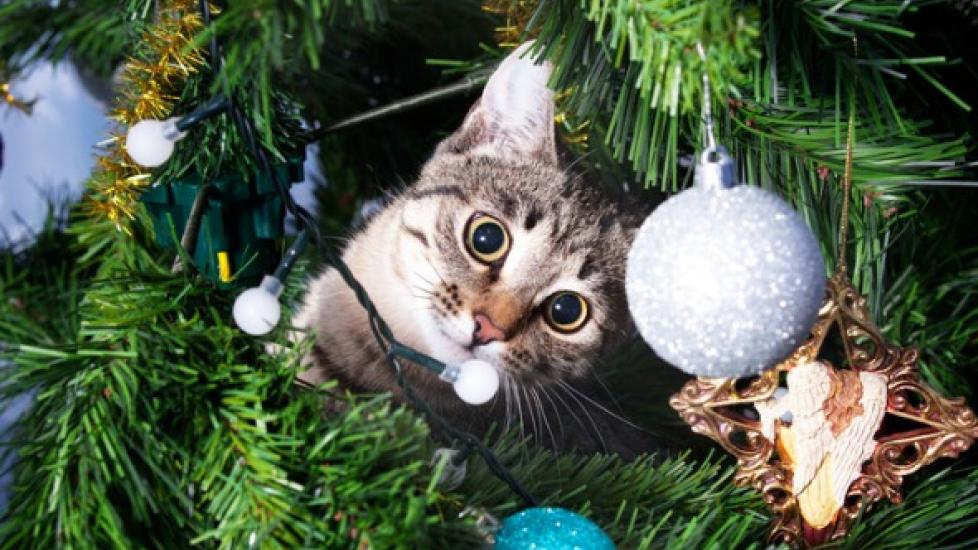
Downsize to a Tabletop Christmas Tree If you’re tired of trying to keep your cat out of the tree, go for a smaller Christmas tree that can sit on top of a table. This way the tree isn’t big enough for your cat to jump onto or climb around in. ,WRITTEN BY Victoria Lynn Arnold Freelance Writer,Ever wonder why your cat is so drawn to the Christmas tree each year? It’s the perfect scenario, in your cat’s mind. The Christmas tree is something high to climb on that provides plenty of hiding spots and has all sorts of fun, shiny, moving things to bat at and play with. However, this isn’t the safest spot for your cat, nor is it your preferred spot for them to hang out. There are dangerous things that can be chewed on and potentially ingested by your cat, like the tinsel, branches and pine needles, ornaments, and Christmas lights. Swallowing any of these could be a choking hazard and potentially cause an intestinal blockage. How To Cat-Proof Your Christmas Tree Is it possible to have both cats and a Christmas tree during the holidays with no incidents? Yes—it just might take a little planning and rearranging. Here are some ideas for how to keep your cat out of your Christmas tree this holiday season. Try Cat-Deterrent Sprays Keep your cat away from the Christmas tree with a cat-deterrent spray. Cats absolutely hate the taste of bitter things. This is an evolutionary trait that has probably kept them safe from eating things like rancid meat in the wild. Thankfully, it can also keep them from destroying things in the house or chewing on toxic plants. If you use a bitter-tasting spray on the tree, it can help keep your cat from chewing on the branches. DIY Cat-Deterrent Spray You can make your own homemade cat-deterrent spray by following the instructions below. Ingredients: 3 cups of water ½ cup of fresh rosemary ¾ cup distilled white vinegar ¼ cup lemon juice Steps: Boil water. Add fresh rosemary to boiling water. Turn off heat, cover with a lid, and let it steep overnight. The next day, strain the rosemary pieces out of the liquid with a cheesecloth or a sieve. Pour the liquid into a spray bottle. Add vinegar and lemon juice. Shake well to mix up the liquids. Let an Air-Spray Can Do the Work Try a motion- or heat-activated spray to warn your cat to stay away. These types of sprays are harmless to your cat but scare them away because of the startling burst of air. The motion-activated sprays make a hissing sound as they release air. This will also startle your cat because it simulates the sound a cat makes when they feel threatened. This is how they tell possible aggressors to stay away. If your cat hears that same sound, they will learn to stay away. Using a motion- or heat-activated spray is recommended instead of spraying your cat with water. If you try deterring your cat by spraying them with a water bottle yourself, the cat will associate you with fear. Plus, if you aren’t patrolling the tree 24/7, it just teaches them to get into the tree when you aren’t around. The PetSafe SSSCAT Motion-Activated Dog & Cat Spray is one of the most popular motion-activated spray cans on the market. Use Cat Training Mats Place a cat training mat in front of your Christmas tree. They are made to be safe to use and won’t hurt your cat. These products typically offer two settings—tonal and static—sometimes simultaneously. These settings are used to startle your cat, which will train them to stay away. Try out the PetSafe Generation 2 ScatMat.
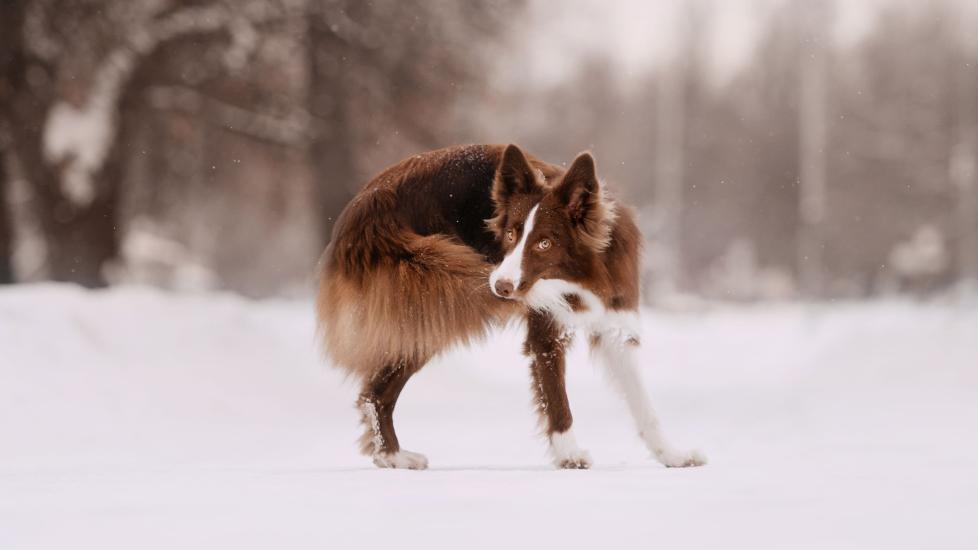
In This Article Why Does a Dog Chase Their Tail? View 2 More +

In This Article Why Are Dog Introductions Important? View 2 More +
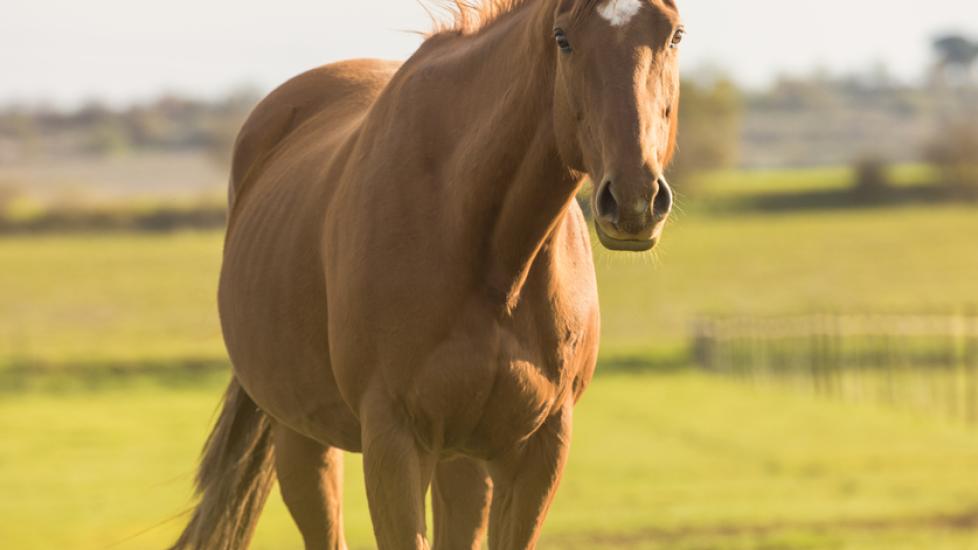
Reviewed for accuracy October 26, 2022. The English Thoroughbred, which was bred for the purpose of wither riding or flat and jump racing, originated in Britain in the mid-18th century. It is said that no other horse breed can beat the Thoroughbred in speed and distance at the same time. Physical Characteristics The English Thoroughbred’s physical characteristics can be directly attributed to its ancestors. Bred for speed, its withers are prominent, and its back is long; the loins are well attached to the croup, which can be sloping. The Thoroughbred’s chest, meanwhile, is wide and high, as is its tail, and its shoulders are sloped and muscular. The Thoroughbred’s legs, which are often its meal ticket, are long with large mobile joints. Its forearms are also long, but muscular. The horse’s average height ranges from 15 to 17 hands (or 60 to 68 inches). The English Thoroughbred has thin skin. The coat colors are usually bay, dark bay, chestnut, black, or gray. Even though they are rare, roans with white markings on the face and legs do occur. The head is usually small and elegant with a straight profile. Its ears are well proportioned and rather active, and its eyes are wide and alert. The Thoroughbred also has flaring nostrils and a long straight neck.

What Is a Horse Whisperer? Your Guide to Natural Horsemanship

The 5 Best Winter Dog Sports and Activities to Try With Your Pup