Why Does My Dog Keep Licking His Lips?
In This Article Reasons Your Dog Keeps Licking Their Lips View 3 More +



In This Article Reasons Your Dog Keeps Licking Their Lips View 3 More +
In This Article FAQs

In This Article What Are Equine Gastric Ulcers? View 4 More +
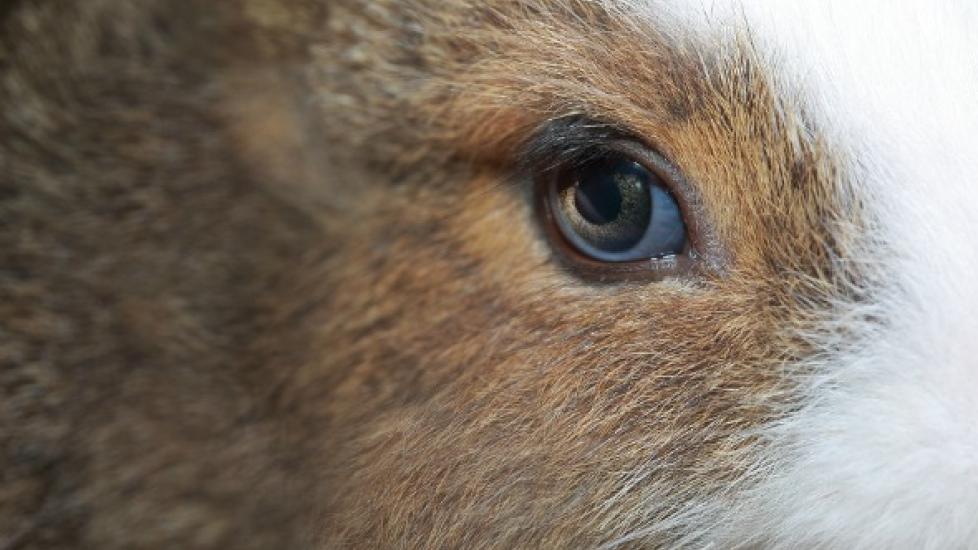
Cataracts in Rabbits A cataract is an opaque film on the lens of the eye, and may mean the lens is entirely or only partially clouded. In most instances, cataracts are present at the rabbit’s birth. Symptoms and Types Lens is partially or fully opaque Eye discharge (hyper-mature cataract) Swelling of the iris White nodule-like bumps on the iris Cataract types: Immature – lens partially covered Mature – entire lens covered Hypermature – lens liquefaction has occurred Causes Cataracts are most commonly present at birth. However, it may develop spontaneously and with no known cause. It occurs for many reasons, but is usually related to a bacterial infection (encephalitozoon cuniculi). Other causes include a nutritional deficiency or elevated levels of glucose in the blood. Cataracts may also develop spontaneously with no known cause. Diagnosis Cataracts are generally evident by the opaque (cloudy) appearance of the lens. The veterinarian may run tests if bacterial infection is suspected. Other analyses include a urine analysis to test for infectious disease and blood tests. In cases where the rabbit has a white mass protruding from the eye, a sign which may indicate cataracts, alternate diagnoses may conclude an abscess in the eye or an unnatural growth of cells (neoplasia), such as a tumor in the eye. Treatment Surgery to remove cataracts is the primary treatment method, and can be performed on both congenital and spontaneous cataracts. The sooner the surgery is done, the better the prognosis. Various medications may also be prescribed, especially in cases of bacterial infection. Living and Management Following the treatment, the rabbit should be carefully monitored for signs of cataract recurrence. Owners should be aware of possible complications such as glaucoma and retinal detachment. If surgery is successful, prognosis is good. In some cases however, surgical treatment is not an option in which case prognosis for the health of the affected eye is guarded – most of these cases will progress until the rabbit contracts glaucoma in the damaged eye. Prevention There are no specific methods of prevention when it comes to cataracts because most cases are congenital — and thus unstoppable — or spontaneous with no known cause.
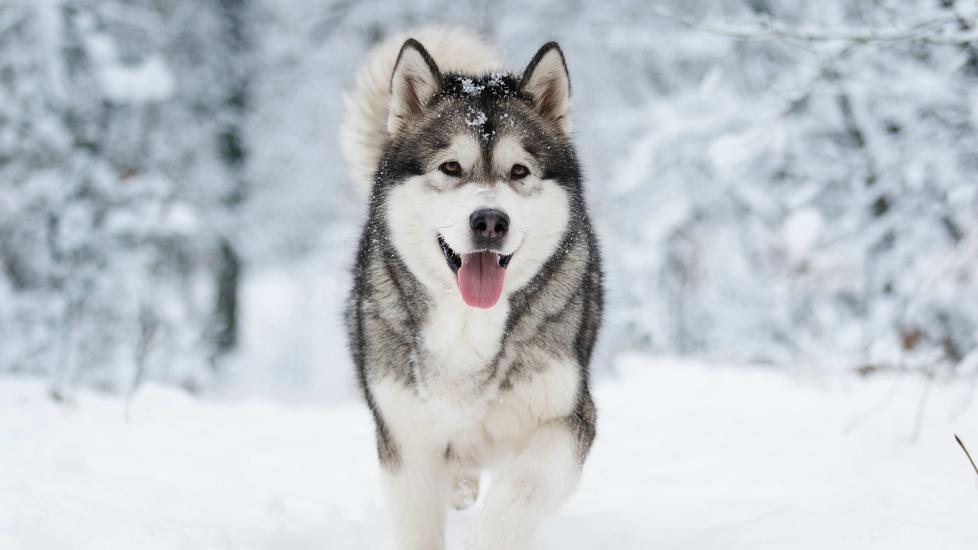
5. Norwegian Elkhound Photo credit: Adobe/Chris Norwegian Elkhounds are cold weather dogs dating back to the Vikings. Now the national dog of Norway, Elkhounds were originally used as hunting dogs. This history means they can have a lingering prey drive and may chase after smaller animals, such as squirrels, rabbits, or cats. Introductions to cats must be done with care, and pet parents should keep their Elkhound on a leash or within a fence when outside.,6. American Eskimo Dog Photo credit: blendshapes/iStock / Getty Images Plus via Getty Images Despite their name and resemblance to the Arctic fox, American Eskimo Dogs are descendants of the German Spitz and not related to North American Inuit people. But these dogs still thrive in cold weather thanks to their thick double coat and small, thick ears that help them retain heat in low temperatures.,While some pups are best suited for warm and sunny days, cold-weather dog breeds have a thick double coat to help them thrive in winter. Many of these dogs’ ancestors hail from the Arctic or other frigid regions, though today they can be found throughout the world. If you live somewhere cold, these dogs could be a good fit for your home (but make sure you invest in a good brush for all that fur). That said, pet parents should always be mindful of the temperature and never leave their dog outside when it’s too cold. Doing so can expose even the fluffiest snow dog to frostbite or hypothermia. These breeds also tend to be sensitive to heat, so extra precautions need to be taken when temperatures rise. Here are some of the best dogs for cold weather.

Dog saliva helps prevent canine cavities. The saliva found in the mouths of dogs is better suited to prevent cavities, in comparison to human saliva. “[Human saliva] has a PH of 6.5 to 7,” says Dr. Colin Harvey, emeritus professor of surgery and dentistry at the School of Veterinary Medicine at the University of Pennsylvania. “The saliva of dogs and carnivores in general is slightly alkaline, around 7.5 to 8. The significance of that difference is that dogs do not get dental cavities nearly as frequently as humans. The slightly alkaline nature of dog saliva buffers the acids that are produced by some bacteria that are the cause of the enamel of the tooth being eroded away.” Dr. Eisner notes that despite the cavity-preventing nature of dog saliva, periodontal disease will still occur without active prevention. “Saliva coats our teeth,” says Dr. Eisner. “If it’s not brushed off by toothbrushing, it becomes plaque, which further traps the bacteria.” As the condition progresses, the bacteria can cause bone destruction in the tooth-supporting structures of the mouth. Regular toothbrushing and annual dental care are important for dogs. A puppy should have their first exam at 8 weeks of age. Dogs that have periodontal disease may need to visit their vet more frequently to monitor the progress of the condition.,Saliva helps dogs with digestion, but not in the way you think. A 2018 study revealed that a dog’s mouth does not have amylase, an enzyme associated with digestion that is abundantly found in human saliva. This suggests that dogs may have a different mechanism for digestion than humans.6 In fact, unlike people, dogs don’t have to chew their food to mix in the saliva and start the digestive process. A dog’s stomach and intestines can do all the necessary work. In dogs, the only function of dog saliva is to move food down the esophagus., There are a lot of myths surrounding dog saliva, especially whether it’s antibacterial or whether a dog’s mouth is cleaner than people’s mouths in general. Here are nine facts about dog saliva that may make you think twice about dog kisses. You can be allergic to dog saliva. While many people believe that pet fur is the culprit of allergic reactions to dogs, many of these allergies actually stem from proteins found in dog saliva. According to one study, dog saliva contains at least 12 different allergy-causing protein bands. When dogs lick their fur, the saliva dries, and these proteins become airborne.1 The researchers who conducted the study concluded that dog saliva has greater potential as an allergen source than dog dander. The study revealed that a specific protein profile (IgE) differs between dogs, making some dogs saliva more allergic for specific humans who are hypersensitive to this protein.
Related Articles 19 Beauty Products That Could Harm Your Pet PetMD Editorial Why Do Dogs Shred Paper Products? PetMD Editorial Green Cleaning Products That Are Safe for Pets PetMD Editorial Why Do Dogs Eat Cat Poop? Sandra C. Mitchell, DVM, DABVP How to Protect Your Pet from Coyotes PetMD Editorial Can Dogs Eat Fish? Leslie […]

By LisaBeth Weber There is no shortage of dog and cat Instagram accounts, but look for the same among pet fish, and you won’t find many. This lack of fish galleries was noted by one U.K. magazine, who questioned whether the lack of fish selfies correlated to a decline in fish pet sales. According to the 2017-2018 National Pet Owners Survey by the American Pet Products Association (APPA), out of nearly 125 million households, the number of homes with pets is nearly 85 million. Of that, the percentage of dog and cat ownership is 48% and 38% respectively, while freshwater fish is 10% and saltwater fish is 2%. For the curiosity seekers, birds are 6%, reptiles are 4%, and horses are 2%. The Tech Evolution of Fish Ownership Ziggy Gutekunst, owner of the Hidden Reef Tropical Fish Store in Bristol, Pennsylvania, sees a shift rather than an increase or decrease and believes the aquatic industry is healthy overall. With a 20,000 square foot store and over 30 years of experience in aquatics, Gutekunst knows fish. “In the old days, more people had fish tanks. It’s different now,” says Gutekunst. “There aren’t as many young kids coming into the store, but those that do [come in] are involved and educated.” Gutekunst has also seen steady growth among millennials. From large aquariums that become part of the home décor to the foods and medicines needed to keep fish healthy, more attention is being given to caring for the fish, both physically and mentally, rather than keeping them just for background color. Being an aquarist (fish-keeper) has become a more sophisticated hobby. Gutekunst gives some of the credit to the growing influence of technology and how it can be utilized to care for our pets. “Because they can do so much research online, they come in with ideas and are eager to learn,” he said. There are now apps available to monitor and control everything remotely, from tank temperature to leak sensors to fish feeders. Owners can receive text alerts and watch their aquariums via webcams and web portals. With strict regulations on collecting wild fish for the retail trade, from permits to protected areas in the sea, Gutekunst also gives credit to the conscientious breeders and hobbyists who are promoting sustainable fish collecting and are reaching out to teach beginning aquarists how to buy and raise fish ethically. “There is a lot of education to help protect the ecosystem,” said Gutekunst, adding that the biggest issue in fish care is for people to understand that they cannot release fish into the wild. “It causes problems, as with the Lionfish, an invasive species without a natural predator,” Gutekunst said. “If someone decides they don’t want their fish anymore, the best thing to do is bring them back to the store.”

5. Birds Birds are lifelong companions to 6.1 million U.S. households. And we mean lifelong—some bird species can live well over 60 years. The oldest parrot, a Major Mitchell’s cockatoo named Cookie, enjoyed 82 years of life. While Cookie may be an outlier, many more common pet bird species offer impressive lifespans. Cockatiels are one of the most popular species of pet parrots, and they typically live 15–25 years in captivity, with the oldest recorded living for 35 years. Just like any other pet, birds require dedicated care. Annual veterinary checkups are essential, and birds require nutrition tailored to their specific breed. Remember that birds are intelligent companions that crave social interaction, so spending time with their humans outside a cage is a must for their well-being. ,6. Reptiles According to APPA, 6 million U.S. households share their home with a reptile, whether it be a turtle, leopard gecko, bearded dragon, or other variety. Like fish, birds, and small mammals, there are so many reptiles to choose from. The selection can be based on the size of pet you can house, their lifespan, and even their dietary preferences, which typically consist of crickets, worms, veggies, or mice.,Adoption rates for all sorts of pets soared during the pandemic as people sought furry, scaled, and feathered friends for companionship. In 2023, that hadn’t changed. People value the companionship of pets and the positive impact of having a loving creature in their lives, says Charlotte Reed, a pet trends expert and host of The Pet Buzz podcast. Just look at the numbers: As of 2023, 66% of U.S. households have a pet—that’s about 87 million homes. The latest pet trends show that Americans continue to embrace unconventional companions. Yet, the popularity of canine and feline friends remains unbeatable. Here’s an inside look at the latest pet stats compiled by the American Pet Products Association (APPA).
Related Articles How To Trim Dog Nails Katrina Eresman 10 Pet Hygiene Tips You Should Be Following PetMD Editorial 7 Ways to Clean Your Dog’s Paws PetMD Editorial 7 Common Bath-Time Mistakes Pet Owners Make PetMD Editorial Why Do Dogs Shed? PetMD Editorial DIY Tips for Grooming a Dog at Home PetMD Editorial

What Is a Horse Whisperer? Your Guide to Natural Horsemanship

The 5 Best Winter Dog Sports and Activities to Try With Your Pup