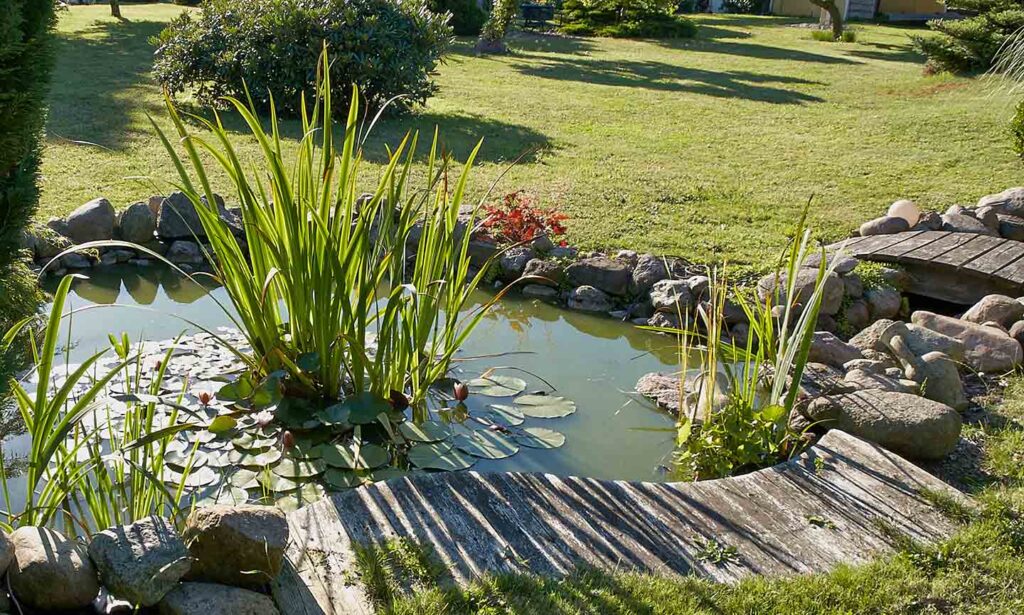
The Ultimate Guide To Filtering a Pond: Techniques and Products
Filtration is the key to maintaining a healthy pond ecosystem. On the surface, a pond filter system removes physical debris like fish waste and decomposing plant matter to keep the water clear. By removing organic matter before it can break down, pond filters also help keep ammonia levels in check—a function that is particularly important in ponds stocked with fish. Ammonia is a byproduct of decomposition and, in concentrations over 0.05 mg/L, can be harmful to fish. According to the Merck Veterinary Manual, ammonia concentrations of 2 mg/L can even be lethal for many fish. On a microscopic level, certain types of filters for a pond promote the growth of beneficial bacteria that help remove excess nutrients and other unwanted particles from the water. Pond filters also provide aeration, which helps improve the level of dissolved oxygen in the water.,Jump to section Importance of Pond Filtration Types of Pond Filters Natural Pond Filtration Methods Choosing the Right Filtration System for Your Pond Filtering a Pond FAQs