Are Essential Oils Safe for Dogs? 7 To Use and 12 to Avoid
In This Article Are Essential Oils Safe for Dogs? View 6 More +



In This Article Are Essential Oils Safe for Dogs? View 6 More +

Just about every cat owner has experienced excited meowing, the rubbing against your legs and the pleading stare—let’s face it, cats have a way of getting what they want! Unfortunately, sometimes when they get that worked up for a meal or treat, moments later, we’ll hear the familiar sound that sends us running for the paper towels. And then there’s the cleanup of the snack that now lies on the floor, looking completely undigested. How do we stop this cycle of cats eating too fast? A Cat That’s Eating Too Fast Might Regurgitate the Meal The good news is that there are several ways to slow down a cat that’s eating too fast. But first, what triggers the reflex that leads to regurgitation? Kitty eats too quickly—especially dry cat food—which then absorbs water, swells and sends the memo to the brain that the animal has overeaten. The brain does the logical thing: Too much food in? Let’s get rid of some, and the regurgitation reflex is triggered. This is slightly different from the mechanism involved in cat vomiting, which can be a more concerning symptom. That being said—if your pet regurgitates frequently or shows any additional sign, such as weight loss, a trip to your veterinarian is warranted.

In This Article Do Dogs Get Cold? View 5 More +
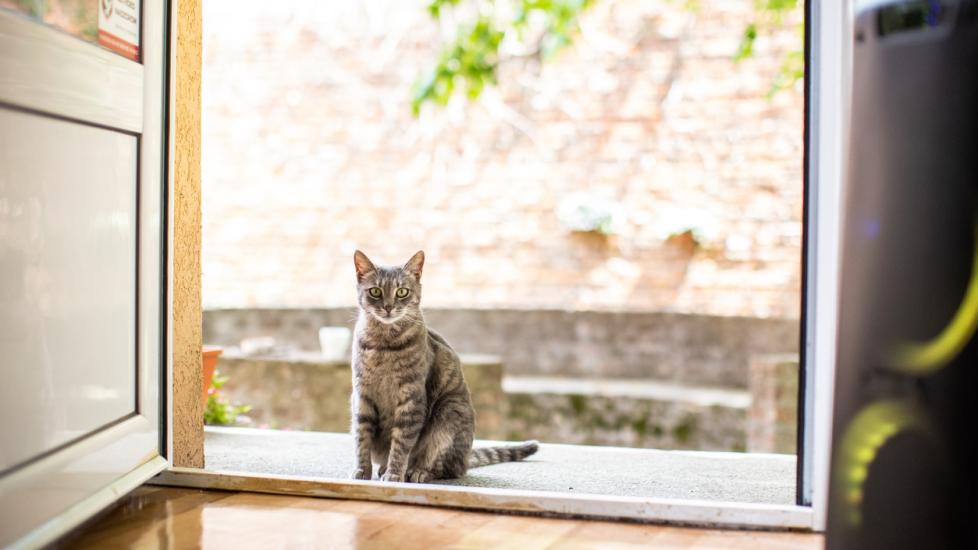
In This Article Can Cats Really Find Their Way Home? View 5 More +
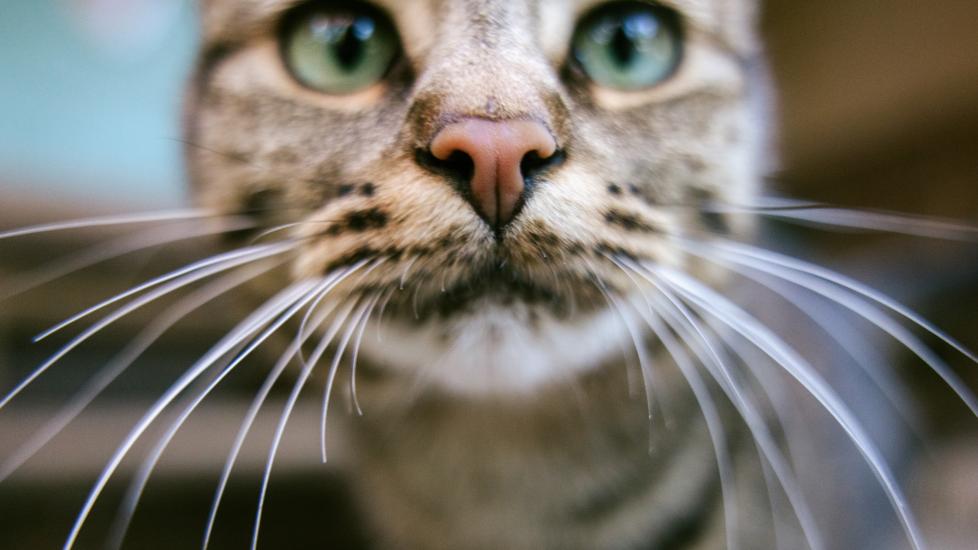
4. Whiskers Help Cats ‘See’ in the Dark Cats have excellent night vision, but their whiskers give them an extra edge. In low light, they use their whiskers to sense the shape, size, and movement of objects around them—kind of like a sixth sense. By detecting subtle shifts in the air, cats can avoid bumping into things, sneak up on prey, or leap onto high, narrow ledges with precision. It’s like having invisible radar built into their face.,5. Whiskers Are Usually as Wide as a Cat’s Body The size of a cat’s whiskers isn’t random; they’re usually about the same width as the cat’s body. Their size helps cats judge whether they can fit through tight spaces, like under furniture or through a gap in a fence. If the whiskers touch both sides of a space, it tells the cat they may get stuck. That’s a handy feature for animals who love squeezing into small places to hide.,Have you ever noticed your cat’s whiskers twitch when they’re focused, or how your cat never bumps into furniture in the dark? Those long hairs aren’t just for show—whiskers are high-tech tools packed with purpose. Cat whiskers help your feline friend explore, hunt, and even express their mood. Let’s dive into ten surprising facts about cat whiskers that prove they’re far more than just fancy facial hair.

WRITTEN BYSandra C. Mitchell, DVM, DABVP Veterinarian Sandra Mitchell is a 1995 graduate of the New York State College of Veterinary Medicine. Since graduation, she has worked in many fields…,Your cat shows up for breakfast, meowing and rubbing against you, as always. But when they look up, you immediately notice a problem. Your cat’s eyes are red and irritated, with a greenish-yellow discharge coming from the corners. What is happening? How much of an emergency is this? This is an extremely common scenario with cats. Here’s what you need to know about red eyes in cats, including other symptoms you may see and how it’s treated. Types of Red Eye in Cats There are a few things to check if you’re concerned there might be something wrong with your cat’s eyes. First, is it one eye or both eyes? An injury will usually affect only one eye, whereas bacterial and viral infections are more likely to affect both. Is your cat able to open their eye(s)? If not, this is a sign of a more serious problem. Where is the redness? Is it the tissue that’s red and swollen? Sometimes, the membranes around the eye (called the conjunctiva) can be so swollen you can’t even see the eye itself. Is the inflammation on the whites of the eyes? This is where blood vessels run through the whites and make the eye look bloodshot. Is there a “membrane” (called the third eyelid) covering the eye? This is a whitish structure that comes up from the nose side of the eye at an angle to help protect the eye when it’s sore. When it is raised, the eye can have an alarming appearance. Does the entire eyeball look swollen? The more swollen and redder the eye is, the more pressing the concern. Is there any discharge? If so, what color is it? Bloody discharge can be a sign of a serious injury, while yellow or green is more common with infection. Thicker discharge is often seen if there is mucus buildup, whereas a thinner discharge often happens with excess tearing.

Anti-Parasitic Treatments (DEWORM, Strongid, Pyran, Rev and others) Outdoor cats are exposed to an awful lot of parasites in the course of a day. Whenever they hunt and kill a rodent, they are exposed to everything on and in that animal, including fleas, ticks and intestinal parasites. Additionally, they are often exposed to other wildlife and all of the parasites they may carry (both internal and external). Some of these parasites can be contagious to people (known as zoonotic diseases), and others are just a plain nuisance to have in the house (such as fleas and ticks). Others, such as heartworm disease, can be fatal to the cats themselves. Many veterinarians recommend regular dewormings, particularly for cats that go out—in addition to fecal testing for parasites. One of my favorite medications is Revolution, which treats many types of internal parasites as well as fleas, ear mites and heartworms. Your veterinarian likely has their own favorite medication they can recommend. Many of these are given monthly, year-round. While it sounds like a lot of work, when you think of how many parasites that gets rid of, I’m sure you’ll be convinced that it’s worth it! Next time your cat needs to go in for routine preventative care, you will be better prepared with a list, information and some questions for your veterinarian. However, I will leave it up to you to purchase the earplugs for the car ride! By: Dr. Sandra Mitchell Featured Image: iStock.com/tirc83,WRITTEN BYSandra C. Mitchell, DVM, DABVP Veterinarian Sandra Mitchell is a 1995 graduate of the New York State College of Veterinary Medicine. Since graduation, she has worked in many fields…,The dreaded postcard just showed up in the mail—you know, the one from your veterinarian with all of the abbreviations of shots that your cat is due for. It’s telling you that it’s time to load your cat up in the carrier, listen to 20 minutes of meowing in the car, endure waiting in the lobby with a large, panting German Shepard, and finally, be asked by the receptionist which vaccines your cat is here for today! Veterinary visits don’t have to be that hard. There isn’t much I can do to help you with the meowing in the car, but I can demystify the abbreviations on the postcard and let you know which vaccines your outdoor kitty should be getting. Vaccinating Outdoor Cats Cats that venture outdoors are exposed to more diseases and parasites, and so it is even more important that they stay well protected. The basics of preventative care for an outdoor kitty include: Thorough physical examination Vaccination against rabies, feline panleukopenia virus, feline rhinotracheitis virus, feline calicivirus and feline leukemia Annual blood test for feline leukemia virus and feline immunodeficiency virus Appropriate deworming/parasite therapy (usually done monthly in outdoor cats) Here’s why you need these specific vaccines and annual tests for your outdoor cats.
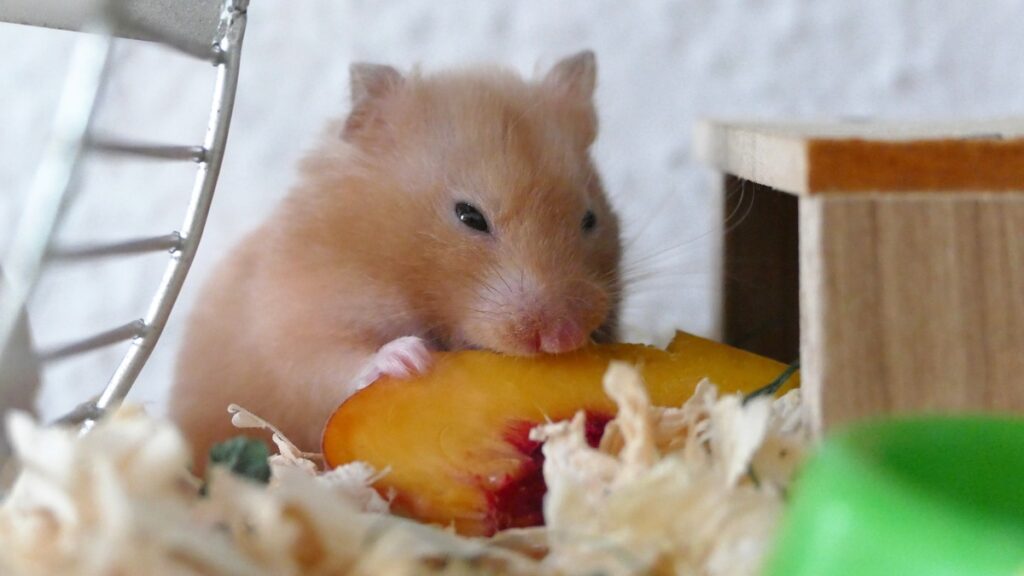
What can hamsters eat? What can’t hamsters eat? You may be surprised to learn that some foods generally considered healthy and beneficial to your nutrition, like almonds, can be harmful to your hamster. Small rodents, including hamsters, live very short lifespans. As such, it is vital to feed them properly to keep them with us as long as possible. Feeding your hamster an unhealthy diet—even unintentionally—can increase the chance of her experiencing an early death from an illness like heart disease, diabetes or other nutritional-related ailments. The first step to keep your furry friend in tip-top shape is to knowing what to feed—and what not to feed! Just because you can eat a food safely does not mean your hamster can as well.

In This Article How to Prepare for Thunderstorms with Pets View 3 More +
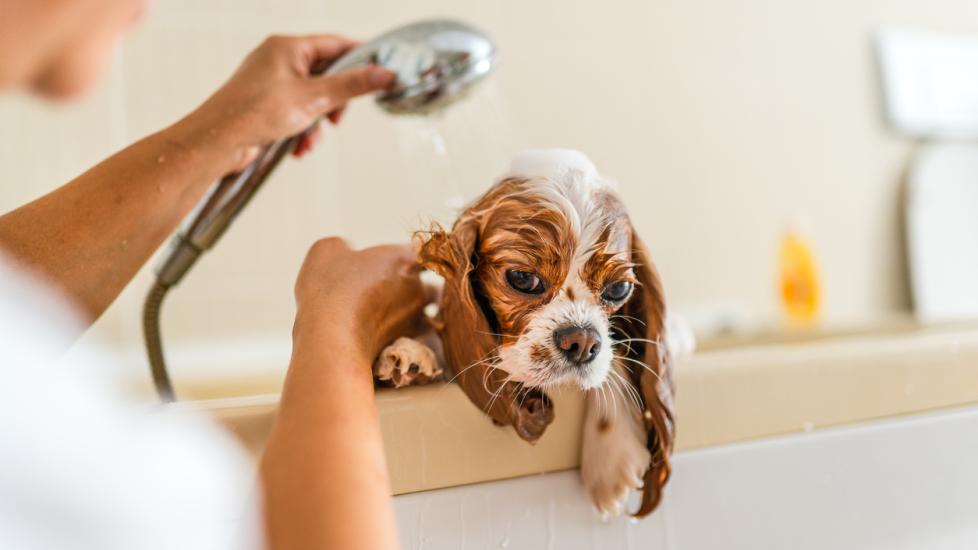
In This Article How Often Should You Bathe Your Dog? View 7 More +


What Is a Horse Whisperer? Your Guide to Natural Horsemanship

The 5 Best Winter Dog Sports and Activities to Try With Your Pup