Everything You Need to Know About Bottle Feeding a Kitten
In This Article When To Begin View 4 More +


In This Article When To Begin View 4 More +
In This Article Summary View 5 More +
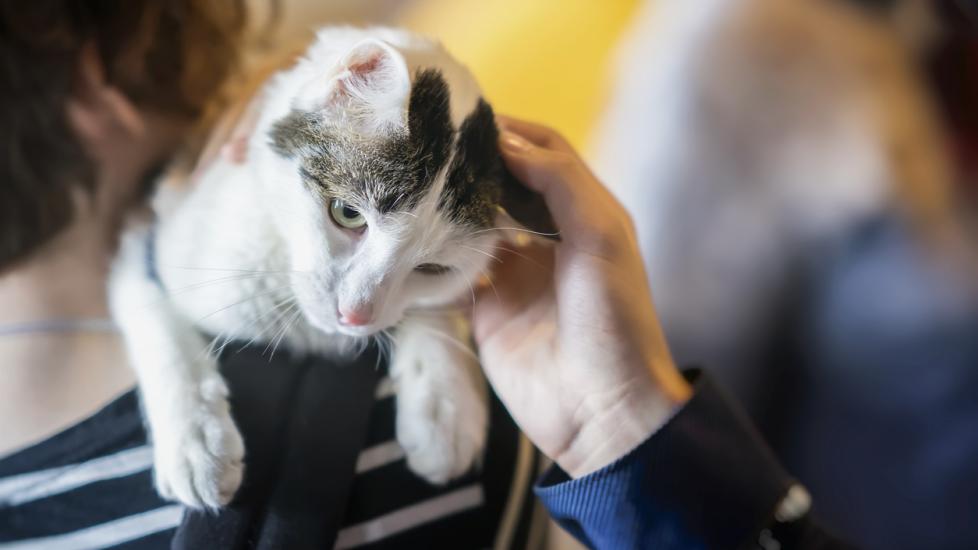
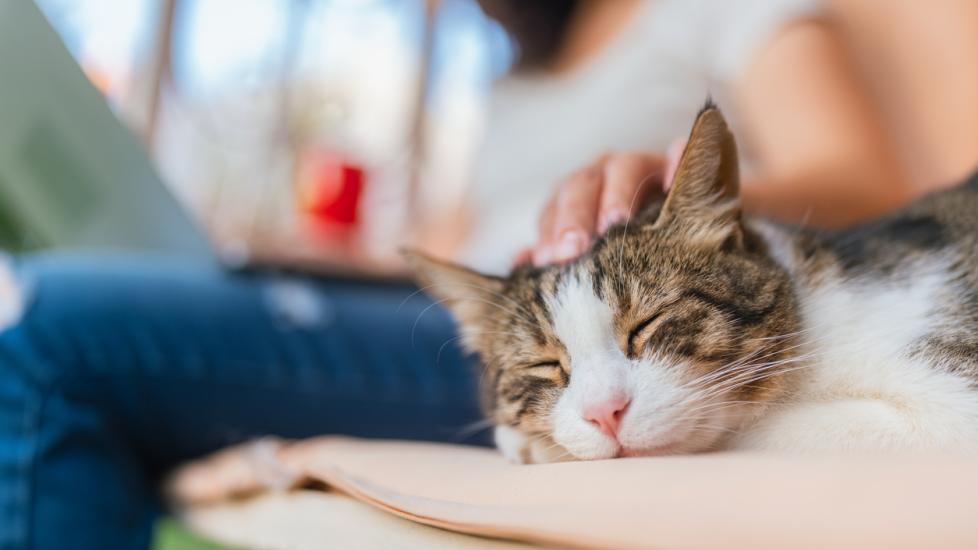
Adopting a Deaf Cat Hearing plays a vital role in how a cat interacts with its surroundings, and bonds with humans. Deafness, or the loss of hearing, can affect that bond, but only if allowed. Many deaf cats adapt easily and go on to live relatively healthy and happy lives. If you are looking for that next furry forever friend, consider adopting a deaf cat. It will only require a few small adjustments on your part. Deafness in cats has been classified into three main types: Hereditary/Congenital deafness: A genetic defect usually seen in cats with blue eyes and white fur, and usually noticed within the first few weeks of life. Sensorineural deafness: Occurs due to a loss of nerve cells and is irreversible. It may result from: Trauma Loud noises Certain toxins and drugs (like aminoglycosides, a type of antibiotic) Inner ear infections Meningitis Anesthesia Cancer Aging (presbycusis) In addition to hearing loss, your cat may also experience a head tilt, fever, or circling. Conductive deafness: This type of deafness is usually attributed to an underlying cause, such as a middle or outer ear infection that blocks sound from reaching the brain. This condition can usually be restored if the obstruction is resolved. Any of the above can affect one ear (unilateral) or both ears (bilateral) and can result in either a complete or partial hearing loss where only certain sounds or frequencies are affected (usually the higher frequencies are affected first). How to Prepare for a Deaf Cat When working with shelter’s staff to prepare yourself to bring a deaf cat home, ask the following questions: What are the circumstances (if known) that led the cat to be placed in a shelter? How long has the cat been deaf? What was the cause of the deafness, if known? If the deafness was a result of a toxicity (i.e., from prior medications), which one(s)? Was the cat trained with nonverbal commands? If so, what were they? What special diet is the cat currently on? How much food is provided, and at what times? What other options can be considered if a special diet is not available? Are there in-house or low-cost testing options, coupons, or discounted medical care available to help with future costs? Schedule a Veterinarian Appointment for Your Deaf Cat After adoption, be sure to schedule an appointment with your family veterinarian to have a full exam completed, and share the answers to the above questions, as well as your cat’s medical records. Your vet will perform an otoscopic ear exam to determine if the eardrum is present and/or shows signs of disease, such as debris, redness, and inflammation. If your cat suffered from chronic ear infections in the past—of which deafness was the result—be sure to ask about the frequency of recheck exams and how best to manage future ear infections at home. If you are curious as to the type of deafness, or want further clarification as to whether it is partial or complete, ask your vet about the brainstem auditory evoked response (BAER) test. Behavioral testing may be difficult, as a cat can adapt rather quickly, but it may be possible to notice if the cat’s ears or head moves toward a sound when made. A BAER test is noninvasive and often performed by a specialist. Responses to sound are recorded and measured by the placement of electrodes to determine hearing loss. Managing Your Deaf Cat at Home Once your cat is acclimated to a new home and environment, you will likely not need to make any additional trips to the veterinarian outside of regular checkups. It is recommended that your new cat be examined by your family veterinarian soon after adoption so that your cat can become an established patient and have any records and prior medical history evaluated. Keep in mind that while there may be no additional medical care needed, altering your initial perceptions about living with a deaf cat may be required. Your cat may be a little more difficult to rouse from a sleep, make louder-than-normal vocalizations (such as meowing), have variations in its feeding schedule (therefore a routine is best), and startles easily. Try to get the cat’s attention first prior to attempting to pet or pick it up. This will avoid avoiding starting it and prevent inadvertent scratching and biting. How to Communicate with a Deaf Cat Hearing is an important sense. Not only do cats utilize it for safety, communication, hunting behavior, and consumption of food, but they also use it for “talking” and listening to their pet parent. It is one of the most important aspects of the human-animal bond. When that communication is broken, so, too, can the bond. But as you may well know, there is more than one way to communicate with our feline friends. What a cat lacks in hearing ability can generally be compensated with other senses such as movement and vision, so try using hand signals and body language for training purposes. Alternatively, flashlights or similar objects can also be used, as well as vibrations made by stomping on the floor or knocking on surfaces. And don’t forget the sense of touch. Deaf cats are just as responsive to petting and rubbing as are those with normal hearing. Long-Term Management of a Deaf Cat Managing a deaf cat in your home may require a little more patience and, at times, a nontraditional training approach. Deafness, however, should not define your cat or your pet-human relationship. A few simple rules to live by will certainly enable you both to get the most out of your time together: Keep the environment and your cat safe. Deaf cats are at increased risk of injury from things like motor vehicles and predators. Consider screened-in enclosures or keeping your cat indoors, or even train your cat to walk on a leash and harness. Consistent routine not only helps with anxiety, but it also promotes a greater sense of well-being and quality of life. Provide scratching posts, plenty of litter boxes, toys, window perches, etc. Utilize visual cues for communication. Even though your cat may not hear it, keeping a collar and bell, or some sort of pet tracker or finder, can help you and your loved ones keep track of your cat. It also is a great way to alert you if the cat is in danger or if it has caused any trouble. What is the cost for having a deaf cat? While there may be more of an initial investment when adopting a deaf cat, the deafness (unless due to chronic ear infections) shouldn’t be a significant cost concern going forward. Featured Image: iStock.com/Svetlanais
In This Article Summary View 6 More +
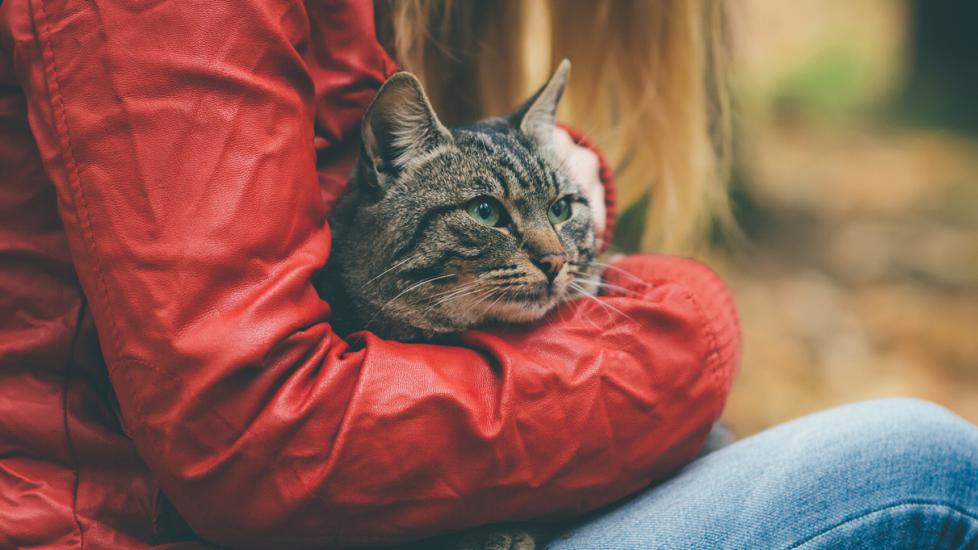
The following may contain Chewy links. PetMD is operated by Chewy. What Does It Mean if a Cat Is FeLV+? Feline leukemia virus (FeLV) is an infectious disease commonly found in cats. Fortunately, with the commercial development of a vaccine, it has become less common over the past few decades. However, despite being preventable, it is still diagnosed fairly often and poses significant life-threatening risks to the affected cat that are ultimately fatal. The disease is not contagious to humans. The virus is transmitted from cat to cat mainly through saliva, but also via blood, urine, feces, milk, and sexual contact. This often requires prolonged repeated exposure, and so things like sharing of food bowls and litter boxes as well as mutual grooming often pose a risk for transmission. Although rare, contaminated needles and blood transfusions can also serve as routes of transmission. An infected cat can transmit the virus to her offspring through the placenta. Kittens are at an increased risk for infection, as are outdoor and stray cats. Some cats with FeLV may not show signs until several months or years into the disease, but as your cat’s health progressively declines, you may notice the following: Lethargy Lack of appetite Weight loss Vomiting and/or diarrhea Fever Inflammation of the gums and/or throat Pale gums Adopting a FeLV+ Cat Given the prognosis of the disease, most cats with FeLV are, unfortunately, surrendered to a shelter if not euthanized. Other FeLV+ cats found in the shelter might have been lost, or are local strays that became infected. Most shelters will test for FeLV, but others may not, given limited resources and funds. Therefore, it’s important to ask the shelter staff the following questions before adopting: Has this cat been tested for FeLV and, if so, by what method? (This is important because some tests may offer a false positive or other tests can be used to determine severity of infection.) What is this cat’s past medical history (if known), including any diagnostics or other treatments given, such as baseline bloodwork? What is this cat’s current medical history? Is this cat on any medication or undergoing any treatment? How long has this cat been diagnosed with FeLV? Was this cat a stray, or was there exposure to the outdoors? If so, is this cat able to adapt to living indoors? Is the cat litter–box trained? Is there any in-house low-cost testing or discounted medical care to help with the associated costs of FeLV, including future treatments? Because FeLV+ cats do have a terminal condition, they often are overlooked in the shelter. However, though they have a shorter lifespan, their remaining years can be worthwhile, with many good experiences and memories. FeLV+ cats still have plenty of love to offer. Treatment Options for FeLV+ Cats Most likely, your cat was diagnosed through a simple test, often performed bedside in the shelter or clinic, looking for viral particles within the blood. It is often recommended to repeat this test and/or send out a blood sample to a diagnostic laboratory for confirmation. You can work with your veterinarian to run this test once your cat is adopted. Be sure to get your veterinarian’s recommendation as to which test would be best to confirm the diagnosis. Certain tests, such as the IFA, can be used to determine the severity and stage of infection, as end-stage disease often affects the bone marrow. Unfortunately, even with a confirmed positive, there is no cure. Treatment is aimed at managing and preventing secondary symptoms and complications attributed to the disease. It’s important to note that throughout your cat’s life, more frequent treatment(s) may be needed, more at some times than others. Medications such as steroids, chemotherapeutics, and even blood transfusions may be needed. Remember that if your cat requires a blood transfusion, it is extremely important that the blood type be checked first. Dental disease is a complication associated with FeLV; therefore, talk with your veterinarian about performing dental cleanings and do your best to keep up with daily tooth brushing and at-home dental care. Products such as Healthymouth Toothpaste and Feline Greenies dental treats can be helpful. Cost of Caring for a FeLV+ Cat The cost of caring for a FeLV+ cat varies because the disease varies. Given the amount of care and monitoring needed, however, it is often higher than what you might expect, especially since some cats require more extensive treatments (such as blood transfusions and chemotherapy) than others. Of course, any cat can become sick and require medical care, so it’s important to be fiscally responsible when adopting. One factor to consider is that pet insurance typically excludes from coverage cats previously diagnosed with FeLV, as this would be considered a pre-existing condition (unless the cat had insurance prior to diagnosis). Long-Term Management of FeLV+ in Cats Special management needs to be considered when bringing an FeLV+ cat into your home, especially if there are other cats in the home. Given the high likelihood of disease transmission, it is recommended that the FeLV+ cat be isolated from the others for life, and that the other cats in the home be vaccinated against FeLV, though that doesn’t always provide enough protection in such cases. A FeLV+ cat should be kept indoors, not only for its protection but for the protection of others. Your vet should examine the cat twice yearly, if not more frequently, including doing bloodwork. The cat should also be examined by the vet at the first sign of any irregularity in behavior or health, as even minor infections can be significant if not treated quickly and aggressively. Be sure to talk with your veterinarian about the benefits and risks of giving additional vaccines. By arranging a consistent daily routine, minimizing stress in the home, and providing a high-quality cat food, you can set your new cat up for a healthier life. Raw diets should be avoided, given the potential for food-borne disease, and periodic weight evaluations should be performed, as progressive weight loss can be an indicator for more advanced disease. Additionally, routine parasite, flea, and heartworm prevention, such as Revolution Plus, should be administered on a monthly basis. FeLV+ Cat FAQs How long will a FeLV+ cat live? It is always challenging to predict the life expectancy of a cat. Some FeLV+ cats can live for years without any significant complications, but in the majority of cases, the disease is fatal. Most cats succumb to the disease or its complications within a few years of diagnosis. Is there a cure for FeLV+ in cats? There is no cure for FeLV, and so the initial diagnosis can be quite devastating. While there is no cure, you can add comfort and healthier years by providing your cat with a loving and safe home. Featured Image: iStock.com/Everste
In This Article What Is a Cat Wound? View 5 More +

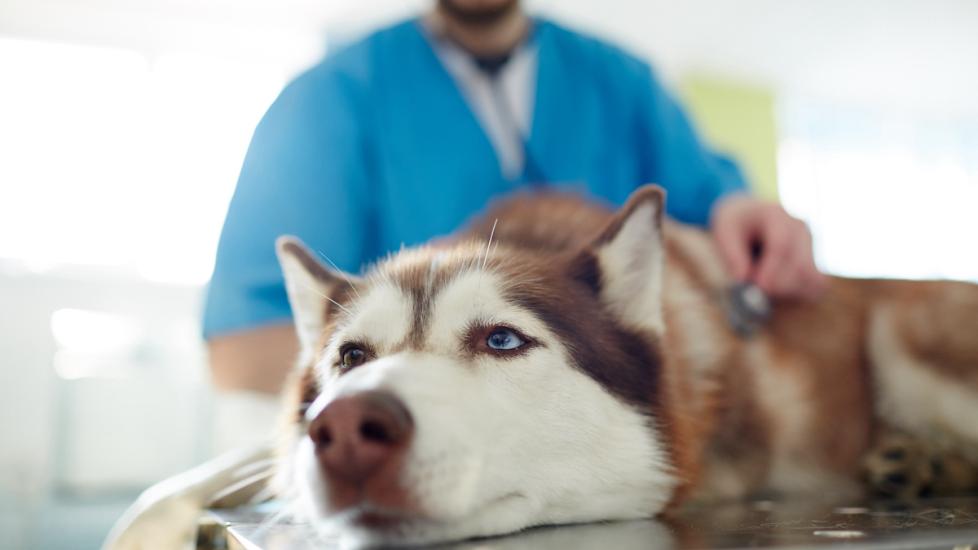
What Does It Mean If a Dog Is Heartworm-Positive? It means that a dog has been found to be infested with Dirofilaria immitis, the organism that causes heartworm disease in dogs. This is a large worm with a six-to-seven-month life cycle that ultimately ends up living in the heart and pulmonary vessels. As the heart becomes clogged with worms, it pushes less blood out to the rest of the body, and heart failure can result. Symptoms of heartworm disease in dogs often include: Cough Lethargy Exercise intolerance Some dogs may show weight loss, difficulty breathing, and even excessive panting. Left untreated, dogs may go on to experience right-sided heart failure. However, other dogs may not show any of the above symptoms. Heartworm disease in dogs is a treatable condition, and dogs can go on to live a healthy life and make exceptional companions and family pets. Adopting a Heartworm-Positive Dog A diagnosis of heartworm disease is not a death sentence, although for reasons not always understood, for some heartworm-positive dogs, the disease is fatal. Heartworm-positive dogs often go unnoticed or unwanted in the shelter, for no other reason than the stigma that they are either extremely sick or have behavior problems. In reality, they typically make great companions and can have a relatively normal quality of life if the condition is treated and managed appropriately. Heartworm-positive dogs in a shelter are dogs that have been neglected, either as: Strays, lost pets, transfers, or dogs relocated from other parts of the United States Owner surrenders (for reasons including change in owner lifestyle, inability to afford care, or simply no longer wanting the pet) Confiscated animals (often due to neglect or abuse) Survivors of hoarding situations Heartworm-positive dogs pose a concern to other dogs in the environment, as they are reservoirs for propagating heartworms. Mosquitoes can transmit heartworm parasites from one dog to another. Dogs cannot directly transmit heartworm disease to each other. Often, determining the severity of heartworm disease involves identifying the classification of the worm and noting what, if any, symptoms the dog is exhibiting. Most shelters will test for heartworms upon intake if the dog is a stray, or they may have insight into their medical history if they were surrendered. This information will be helpful to understand their baseline before you set up your first veterinarian appointment. Consider the following questions as a guide in the adoption process: What is their past medical history (if known), including any diagnostics or other treatments given, such as baseline blood work and chest x-rays? What is their current medical history? How long has the dog been diagnosed with heartworm disease? What class/stage of heartworm are they in? Have they been treated already? If not, where in the heartworm treatment process are they? If treated, how is the dog faring? Any side effects from the treatment? What type of heartworm preventive medication is the dog currently taking? Does your shelter offer any additional in-house low-cost testing, coupons, or discounted medical care to help with the associated costs, including the treatment itself and future heartworm prevention? Treatment Options for Heartworm Disease in Dogs Once a diagnosis has been obtained, heartworm disease is often categorized into four classes based on severity of infection and risk of treatment. Class 1 Heartworm: Dogs with a positive heartworm test but often show no signs or relatively mild signs like cough. Class 2 Heartworm: Dogs with a positive test and often have moderate signs like exercise intolerance. Class 3 Heartworm: Dogs with a positive test and often are sick and debilitated. Class 4 Heartworm: Often referred to as caval syndrome; these dogs are in a life-threatening situation as worms are blocking blood from exiting the heart (typically requires immediate surgery by a specialist to survive). Additional testing is often recommended and performed to help determine the dog’s heartworm class. Speak with the shelter staff to determine what testing has been performed and the results. If there has been no formal testing outside a general heartworm test at the shelter, make sure a heartworm test is done at the first visit to your veterinarian. The good news is that your dog can be cured of heartworm disease. Treatment often includes the following: Steroids to decrease inflammation created by the worm itself. Antibiotics, such as doxycycline, to kill Wolbachia, a symbiote organism that lives within the heartworm. Without the symbiote, the host heartworm becomes easier to kill and secondary inflammation is minimized. Heartworm preventive to prevent younger worms from developing into adults and to rid the bloodstream of any circulating microfilariae An injection containing the arsenic-based compound melarsomine, a medication designed to kill adult heartworms. This is referred to as the “fast kill” method and is the recommended treatment by the American Heartworm Society (AHS). The “slow kill” method (a combination of doxycycline and a monthly preventive), while not recommended by the AHS, may be an alternative when “fast kill” is not an option. However, because the length of time to a heartworm-disease-free state is longer, continued damage to the heart and organs will occur. It’s important to discuss all options with your veterinarian to determine the best one for your dog. Cost of Heartworm Disease Treatment in Dogs The cost of heartworm treatment typically equates to about 13 years of monthly prevention. Cost can also vary depending on your geographical location. The good news is that as part of the adoption process, most shelters will cover the cost of heartworm treatment, either entirely or at a reduced rate. Pet insurance may be an option, especially if the dog has yet to be diagnosed, though most insurance companies consider heartworm disease a pre-existing condition. If either of the above are not options, seeking treatment with your family veterinarian may cost anywhere from several hundred dollars to $1,800, depending on the size of your dog. Long-Term Management of Heartworm Disease in Dogs If the pup you are interested in adopting is heartworm positive and has yet to undergo treatment for heartworm disease, note that the treatment is not without risks. Dogs that undergo heartworm treatment as discussed above can suffer from shock, blood clots, or sudden death. However, the degree of severity will affect the prognosis, and the sooner the disease is caught and treated, the greater the likelihood for a good outcome. Keep in mind that dogs that are successfully treated will continue to make great companions in the future, and if the dog you are interested in adopting has already undergone treatment and if no long-term damage from the worms has occurred, the only thing you need to worry about is giving your pet year-round prevention moving forward. Prevention of Heartworm Disease in Dogs Depending on whether your dog has already received treatment for heartworm disease, going forward, it is important to place your pet on a preventive year-round. There are multiple types and forms of affordable heartworm prevention on the market—tablets, topicals, and even injectable versions that can provide anywhere from a month to a year of protection. Some of the products are combined with flea and tick control to give your dog a more comprehensive preventive profile. If your dog has yet to be treated, speak with the shelter staff and your family veterinarian about the specific type of preventive needed during treatment, as there are only a few that should be given, to minimize secondary complications. Adopting a Heartworm-Positive Dog FAQS Can dogs fully recover from heartworm? Yes. If heartworm disease is caught early and treated appropriately, your dog may go on to have a good-quality life. Unfortunately, some dogs may experience undesirable consequences either from treatment or from the disease itself, and may end up with lifelong complications. And it’s important to note that even if your dog recovers, they can become infected again in the future if certain precautions, such as monthly prevention, are not taken. Does heartworm treatment shorten a dog’s life? The majority of dogs that suffer from heartworm disease receive treatment, recover, and go on to lead a relatively normal life. Can I get pet insurance if my dog has heartworm? For most pet insurance companies, dogs previously diagnosed with heartworm disease would be excluded from coverage, as this would be considered a pre-existing condition unless the dog has insurance prior to diagnosis. Featured Image: iStock.com/mladenbalinovac
In This Article Summary View 5 More +

In This Article Summary View 4 More +
In This Article Why Is Tick Prevention Important for Cats? View 4 More +


What Is a Horse Whisperer? Your Guide to Natural Horsemanship

The 5 Best Winter Dog Sports and Activities to Try With Your Pup