How Often Should You Walk Your Dog?
In This Article Dog Breed View 4 More +



In This Article Dog Breed View 4 More +
In This Article Do Dogs Like Being Pet? View 2 More +
In This Article How Do Cats Purr? View 4 More +
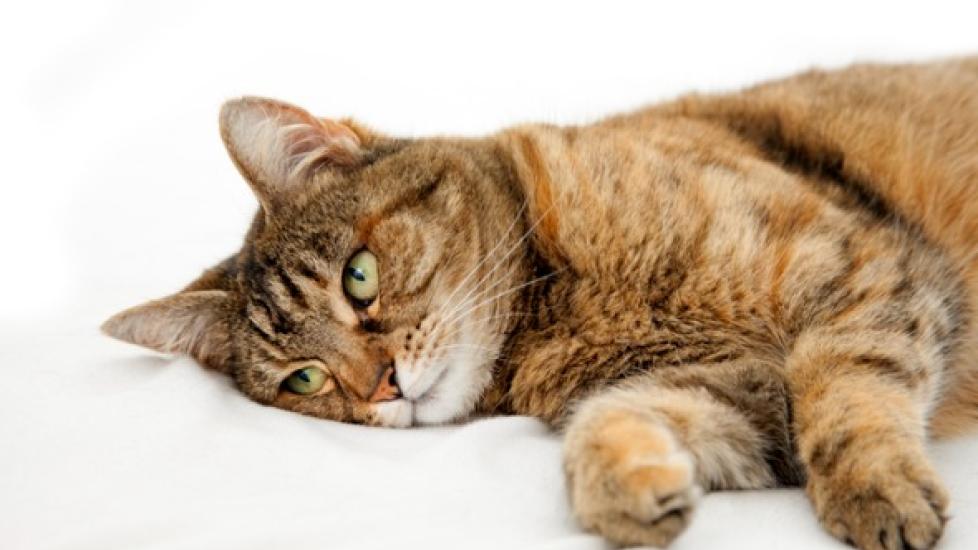
People with depression experience persistent feelings of sadness and a lack of interest in life. When it comes to cats, it’s impossible to know if they experience the mental state of sadness, but we can observe their behaviors to determine whether they experience a lack of interest in life and may be suffering from depression. Here’s some helpful info and signs to watch for to help you understand your cat’s mental state. Can a Cat Be Depressed? Yes, your cat can get depressed. Some possible situations that lead to depressive signs in cats include: Loss of a family member Moving to a new house A change in the family’s schedule A change in physical health Loss of a Family Member Many people still think of cats as solitary in nature. However, cats can be more or less social, depending on their experiences and living situations, and they can experience loss and grief similar to people. When a family member moves out of the house or passes away, the family cat will experience a loss if they had a social connection to that person. It is also not uncommon for cats to grieve when a feline or canine housemate leaves or dies. Moving to a New House A change from the current living environment to something new can be stressful to both pet and pet guardian. Aside from the stress of the move itself, moving from a large house to a smaller house or apartment would cut down the amount of space a cat has to explore and may restrict their level of activity, leading to depression. In addition, when a cat that is used to having access to the outdoors moves to an apartment where they can’t go outside, they can become depressed. Changes in the Family’s Schedule When your work schedule changes and you’re absent for longer periods of time, your cat’s mental state may be affected. Also, when you go away on vacation and your cat is either left with a pet sitter or sent to a boarding place, your cat has no way of knowing that you will come back for them, so they may experience depression. Changes in Physical Health If an active cat starts to develop arthritis and can no longer jump up to their comfy spot on the couch, bed, or window, it can be depressing and lead to a loss of enrichment. As a result, your cat can become depressed. In situations when a cat experiences a sudden loss of a limb or an eye, or they start losing their sight, that would totally affect how they navigate in the world. Some cats may adjust really well, but an older cat may take longer to adjust and may become depressed. How Can You Tell if a Cat Is Depressed? Some depressed cats may exhibit very obvious changes in behavior, whereas other cats may only exhibit subtle signs that you need to carefully look for. Cats experiencing depression may show: Decreased appetite Loss of interest in playing with their toys Less interest in interacting with feline or canine housemates or family members Increased vocalizations Decreased interest in going outside (if allowed outdoor access) An increase in the amount of time spent sleeping A decreased in the amount of time spent grooming (they have an unkept coat or mats) Increased frequency of urination in the litter box House soiling or not consistently using their litter box. Whenever a cat does not consistently use the litter box, take your cat to your vet to be examined. Some of these signs can also be exhibited by a cat if they have an underlying health problem. Cats are predators to small creatures but prey to larger predators. As prey animals, cats have learned to hide the signs of any physical illness really well. Therefore, it is always important to have your cat examined by your veterinarian and diagnostic tests performed to rule out any underlying medical problems. Do Indoor Cats Get Depressed? It is easier to determine if an indoor cat is depressed because you see them more often. But outdoor cats can also experience depression. Remember that depression in cats is a state of mind that is reflected by an overall decrease in activity. Your cat is no longer engaging in activities they once enjoyed, and they are sleeping more and more. So instead of exploring the yard or neighborhood, your cat may stay in one area of the yard or may not even go out at all. How Do You Cheer Up a Cat That’s Depressed? Although cats can experience depression, there are many things you can do to help them improve their mental health. Spend Quality Time With Your Cat To help your depressed cat, you can spend more time with them. Just sitting with them and petting them can soothe to a depressed cat. Some cats may enjoy ear rubs, scratches on the side of their face or under the chin, or even being brushed. Introduce New Toys and Games You can also try to spark your cat’s interest in life again by engaging your cat in more activities or offering them new toys of different sizes, textures, and colors. Actively participate in playing, using fishing pole-type toys to entice your cat. You can also offer puzzle toys to encourage your cat to work for tasty treats, or provide toys that move around the floor in unusual patterns or make interesting noises. Download games made for cats to your mobile devices to engage your cat or subscribe to cat TV. Offer New Types of Food Some cats may show interest in different flavors or brands of food, or even human food such as boiled or roasted chicken, yogurt, or cheese. Other cats may respond well to meat-based baby food. Before feeding your cat human food, have your vet okay the type and amount of food. Play Calming Music There is soothing music designed specifically for cats that you can find on YouTube, such as a channel called “Music for Cats” that some cats may enjoy. The music contains underlying tracks of cats purring and other frequencies of sound that cats can hear. Try Supplements There are natural supplements that contain l-theanine and l-tryptophan that can increase serotonin in a cat’s brain to help combat depression. Serotonin is sometimes known as the “feel-good” neurotransmitter, and higher levels are connected to feelings of calm and happiness.

In This Article Why Does My Dog Always Stare at Me? View 3 More +

How To Prevent Fear Aggression in Dogs To prevent fearful and/or aggressive behavior from forming in the first place, pet parents should: Socialize your puppy by taking him to socialization classes when he’s eight to 16 weeks old. Closely supervise your dog’s interactions with people, children, and other dogs and animals, ensuring your pet doesn’t appear fearful or overwhelmed. Carry high-value treats to help your dog form positive associations with stimuli he initially appears uncomfortable with. Never use punitive techniques and avoid teasing or threatening behaviors that trigger an aggressive reaction (like pulling on a dog’s tail). Be gentle, kind, patient, and consistent with your dog and reinforce the appropriate behaviors you want to see your pup exhibit by offering verbal praise and rewards.,References Herron, Meghan E., Frances S. Shofer, and Ilana R. Reisner. Applied Animal Behaviour Science. “Survey of the Use and Outcome of Confrontational and Non-Confrontational Training Methods in Client-Owned Dogs Showing Undesired Behaviors.” Todd, Zazie. Journal of Veterinary Behavior. “Barriers to the Adoption of Humane Dog Training Methods.” Featured Image: iStock/DemureDragonfly,When a dog is labeled as “aggressive,” people typically think this means the dog is a bad animal. But that’s far from the case. He’s not a bad dog—he’s a dog that has not been heard, a dog that needs space, or a dog that experienced some trauma that’s changed how he responds to real or perceived threats. There are many underlying reasons why a dog can escalate to aggressive behavior such as growling, barking, lunging, baring teeth, snapping, or biting—one of which is fear. Fear is a negative emotional response to a trigger. A trigger can be a person, another dog, an object, or a situation that ignites an emotional response, and it can be either a true or perceived threat.
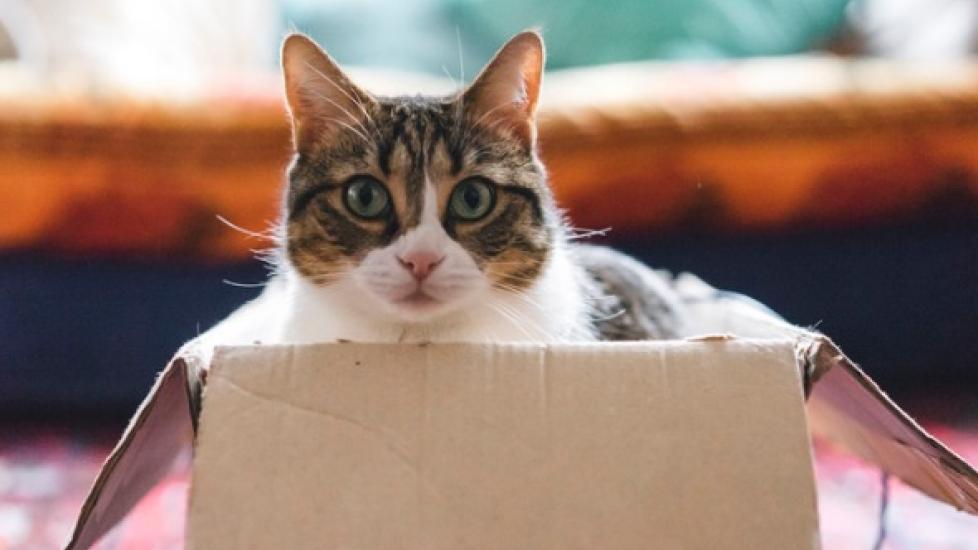
WRITTEN BYWailani Sung, MS, PhD, DVM, DACVB Veterinarian Dr. Wailani Sung has a passion for helping owners prevent or effectively manage behavior problems in companion animals, enabling them to…,Everyone has behavioral quirks, and sometimes it appears that our cats have them, too. Do you find it unusual that you buy expensive cat toys and your cat would rather play with a simple hair tie? Cats may be mysterious creatures, but there’s usually a reason behind their behaviors or an explanation for their interests. If you’re curious as to why your cat likes the weird things he does, then keep reading for insight on the motivation behind your cat’s fascination. Drinking From Your Water Cup or the Faucet Instead of Their Fountain So, you purchase an expensive cat water fountain and your cat likes to drink out of your glass or from the faucet. Why does he do that? Your cat may not realize that your glass of water is your glass of water. He just may find it convenient that there is a vessel that contains water when he is thirsty, so he drinks from it. Cats in the wild will drink whenever they are thirsty and find a water source; they do not specifically look around for bowls of water. Another perspective may be that your cat watches you drink, and she wants to drink what you are drinking. If it is good enough for you, it is good enough for her. Some cats may prefer to drink from the faucet when you are busy washing dishes or brushing your teeth due to their fascination by water that suddenly appears. Or, your cat may just have a taste preference for running water compared to water that has been sitting in a cat bowl all day, which leads to bacteria formation. Plus, food particles may fall in and change the taste of the water. This is the reason why your cat’s water bowl should be changed several times a day and washed with soap and water at least daily.
In This Article Why Do Puppies Bite? View 4 More +
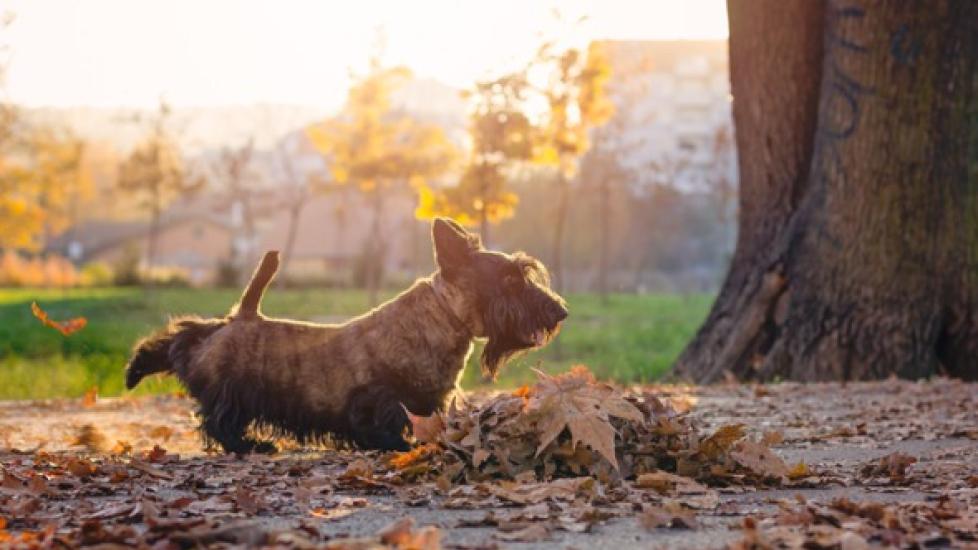
WRITTEN BYWailani Sung, MS, PhD, DVM, DACVB Veterinarian Dr. Wailani Sung has a passion for helping owners prevent or effectively manage behavior problems in companion animals, enabling them to…,Have you ever seen your dog kick their hind legs after they have done their business? It looks pretty funny when a dog does this, like they are wiping their hind paws. Not all dogs exhibit this behavior, and it can range in intensity. Some dogs may just kick each paw once and walk away, whereas other dogs kick and alternate legs multiple times. Some dog parents are embarrassed by the vigor of the kicking—their dogs might even kick up clods of dirt and clumps of grass. If your dog does this, you may have even been yelled at by homeowners for allowing your dog to tear up their manicured lawns. So, why do dogs kick grass and dirt after they poop? And are you supposed to do anything about it? Is It Normal For Dogs to Kick After They Poop? Kicking the hind legs after elimination is known as ground-scratching, and it is a normal dog behavior. This behavior has been seen in dogs and wild canids, such as wolves and coyotes. Many animal scientists think it’s a form of communication among dogs. Ground-scratching has been referred to as a composite signal that involves chemical and visual components of communication. The kicking motion is a visual display for other dogs and may help spread the scent of urine. Since urine odors are short-lasting, the slashes on the ground serve as longer-lasting marks to indicate the dog’s presence in the area. Scent Dispersal Some scientists believe this behavior helps with scent dispersal—not necessarily scratching just to spread the urine around, but to also leave odors from a dog’s paws. Scents can be released from a dog’s interdigital pads, or paw pads. Visual Display Other scientists think dogs are conveying visual messages to other dogs. As part of their ground-scratching, dogs typically score the ground with slashes. When no other dogs are present, the slashes tell their own story to any dog that sees them. When other dogs are around, the ground-scratching is a visual display for other dogs. One study by Bekoff (1979) of free-ranging dogs found that ground-scratching is more likely to occur when other dogs were physically present. The ground-scratching usually occurred after a dog had done a raised-leg display, with or without urination. Ground-scratching can also occur after defecation. Scientists have observed that male dogs that exhibited ground-scratching were frequently avoided by other dogs, both during the act and immediately afterward. But the presence of urine or slashes on the ground did not deter other dogs from approaching.
In This Article Talk With Your Veterinarian About Your Cat’s Anxiety View 2 More +


What Is a Horse Whisperer? Your Guide to Natural Horsemanship

The 5 Best Winter Dog Sports and Activities to Try With Your Pup