How To Get Rid of Fleas on Cats
In This Article What Are Cat Fleas? View 4 More +



In This Article What Are Cat Fleas? View 4 More +
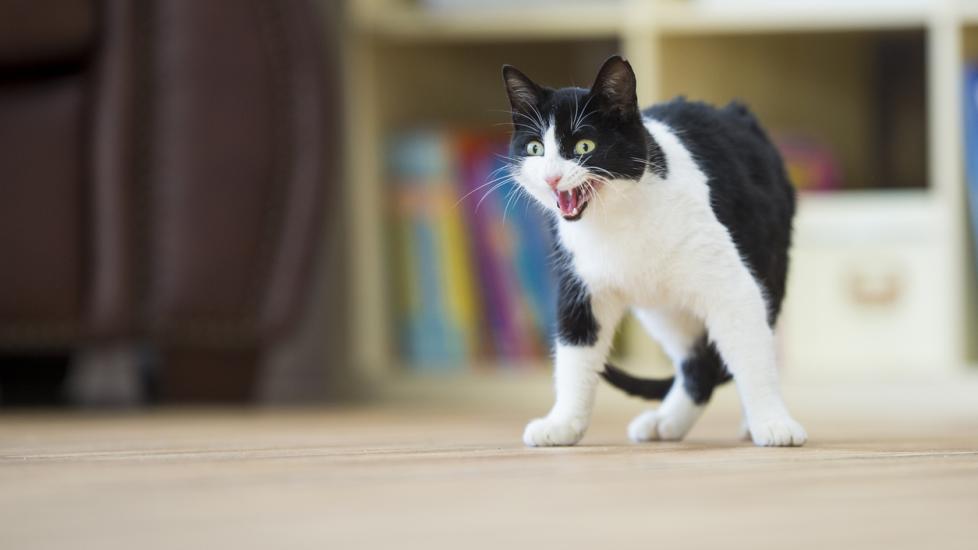
In This Article What Does Cat Hissing Sound Like? View 2 More +

In This Article What Is Hydrangea Poisoning in Dogs? View 6 More +
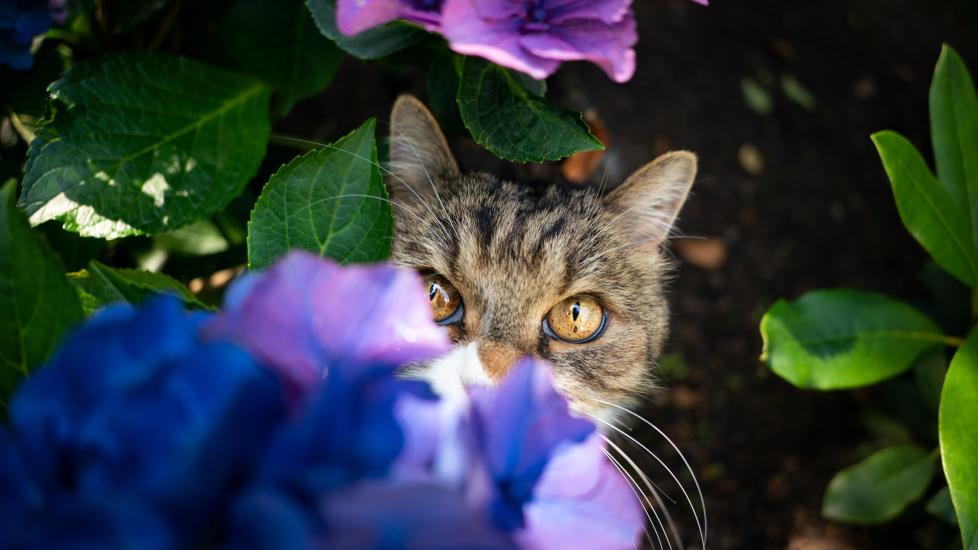
In This Article What Is Hydrangea Poisoning in Cats? View 6 More +

Pets can experience side effects to medications they are given, just like people. These can range from mild to more severe reactions, depending on many factors. It’s always best to discuss the risks of a drug with your veterinarian and decide if the potential benefits outweigh the potential side effects. If you suspect your pet is having any side effects, speak with your veterinarian as soon as possible to determine the next steps. Common Medication Side Effects in Pets Symptoms of a drug reaction in pets, or side effects to that drug, can be based on: The type of medication and how it’s administered. Usually, injectable medications have a higher chance of causing side effects than oral medications. Your pet’s health status and age. Older pets that have a medical diagnosis might react differently to the same medication given to a young, healthy pet. These are some of the most common side effects that pets experience: Gastrointestinal Upset One of the most common side effects of pet medications is mild stomach upset. This is because most medications are taken by mouth and absorbed in the gastrointestinal tract. Some pets have a more serious reaction, including vomiting, diarrhea, and decrease or lack of appetite. These symptoms often resolve as their body adjusts to taking the medication, but sometimes the symptoms can become severe. Ask your veterinarian if the medicine should be given with or without food, because that can make a big difference on how your pet tolerates the medication. Some medications that commonly cause stomach upset are: Antibiotics. Consider giving your pet probiotics when they are on antibiotics, to prevent or relieve antibiotic-associated diarrhea, vomiting, and appetite issues. Levothyroxine (used for hypothyroidism in dogs) Methimazole (used for hyperthyroidism in cats) Steroids such as prednisone and prednisolone Blood pressure medications Gabapentin (especially in cats) Oral and topical flea and tick medications Excessive Salivation Excessive saliva production, or hypersalivation, is a common side effect with some pet medications. Often this is because the medicine has a bitter or unpleasant taste. For these medications, it is not recommended that the pet parent crush the medication, which can make it taste much worse. Tramadol, a pain medication, is a very commonly prescribed pet medication that’s known to have a bitter taste; it should not be crushed. Medications such as antibiotics, antihistamines, and steroids can cause dry mouth, which triggers saliva production. Other medications known to cause hypersalivation include methimazole, flea and tick medications, and gabapentin. Stomach Ulcers Nonsteroidal anti-inflammatory drugs (NSAIDs) such as carprofen (Rimadyl), deracoxib (Deramaxx), meloxicam, and robenacoxib (Onsior), as well as steroids like prednisone and prednisolone, are known to increase your pet’s risk of getting gastrointestinal ulcers. These ulcers can then cause vomiting and diarrhea, with or without blood and/or dark, tarry stools. These medications should NEVER be given together, as it greatly increases the risk of ulcers. Stomach ulcers are often treated with medications that reduce acid production and protect the lining of the gastrointestinal system. Lumps and Bumps Side effects of medications that affect the skin are very common among pets. Lumps and bumps on the skin are most often caused by injectable medications. After the injection, you may notice a small lump where the medication was administered. These lumps often go away quickly as the medication is absorbed into your pet’s body. Skin Irritation Oral, injectable, and topical pet medications can all cause skin irritation. Antibiotics, thyroid medications, steroids, and flea and tick medications have all been associated with skin irritation in pets. Hair loss, itchiness, swelling, redness, scabbing, red bumps, hives, and blisters are the most common symptoms of skin irritation in pets. Skin reactions vary highly in severity and level of pain. They can be mild and resolve easily, or they can be severe, leading to immune system conditions such as lupus. Skin irritation in pets can also cause intense licking, biting, and chewing, which can cause worse damage to your pet’s skin. Liver or Kidney Damage Any medication your pet receives needs to be broken down by the body to be effective. The liver and kidneys do this, and they can be damaged in the process. Common side effects are increased thirst and urination, vomiting, diarrhea, yellowing of the skin or eyes, and lethargy. NSAIDs used short- or long-term are commonly associated with liver and/or kidney damage. This reaction is commonly called idiosyncratic, which means it is unpredictable. In general, if an NSAID medication is given at the correct dose for the correct period of time, these side effects should not occur. Steroids are known to cause liver issues, but usually only when given at high doses for long periods of time or if the liver was already compromised before starting the medication. Blood pressure medications have also been known to cause kidney dysfunction. Lethargy or Behavioral Changes Pet medications often affect a pet’s brain, causing them to behave differently. Sometimes this behavior change is what they were prescribed for, such as with anti-anxiety and sedative/pain medication such as opiates, tramadol, and gabapentin. However, other times it’s an unintended side effect, like restlessness and hyperactivity. These behavior changes can be mild to severe, even causing dysphoria. Dysphoria is an altered mental state where your pet might vocalize, pant, or have difficulty settling down. Dysphoria is also common after or during anesthesia in pets. Metronidazole, which is used to treat infections, is an antibiotic known to have effects on the brain in older pets or if too high a dose is given. Most antihistamines, which are commonly used for a wide variety for allergy manifestations, can also cause lethargy or hyperactivity, depending on the pet. Other medications known to have these side effects are levothyroxine, steroids, blood pressure medications, insulin, antihistamines, and flea and tick medications.
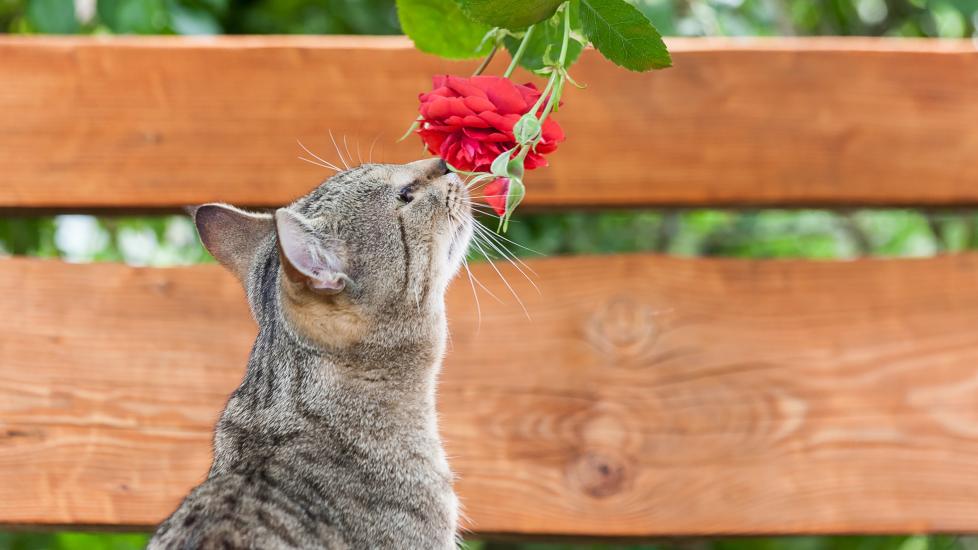
In This Article Are Roses Safe for Cats? View 2 More +

In This Article What Is Flea Dirt? View 5 More +
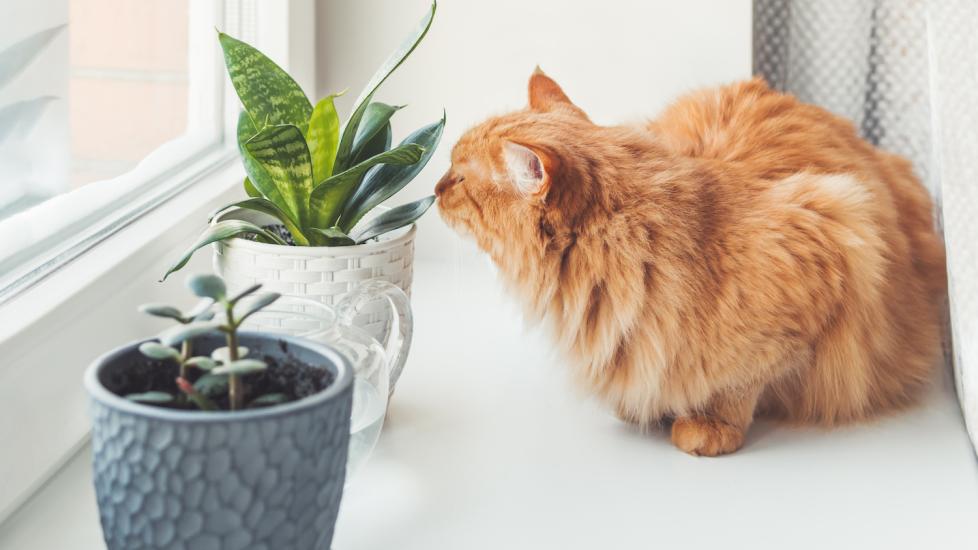
What Is Sago Palm Poisoning in Cats? Sago palm (Cycas revoluta) is an extremely toxic plant to cats. Toxicity occurs more often in dogs, but can be seen in cats. Although this plant is common in tropical and subtropical environments in the Southern United States, there have been increased reports of this toxicity in all parts of the country. Sago palm is a slow-growing tree that can reach up to 10 feet in height, but it may take 50 years. These plants have increased in popularity because they can be cultivated inside the home and then replanted outside. Sago palm plants | Image Credit: iStock.com/Pridannikov A cat can die within a few hours of ingesting any part of this plant, even a seedling. If you suspect your cat has chewed on or ingested any part of the sago palm plant, contact an emergency veterinary hospital immediately. How Are Sago Palms Poisonous to Cats? Although chewing or ingesting any part of the sago palm can cause toxicity, the most poisonous part of the plant is the orange-reddish seeds (nuts) at its center. These seeds often fall out of the tree when new fronds are blooming. The center and seeds of the sago palm plant (the most toxic part of the plant) | Image credit: IStock.com/Mirek Kijewski Due to its bright colors and possible sweet smell, the plant can easily attract any cat that is curious. Cats can develop a toxicity even if small bits are ingested, which can cause serious health concerns. The liver removes toxins from the bloodstream. When sago is ingested, toxicity starts with liver damage, and this can lead to liver failure and even death. The sago palm contains the cyasin toxin, which after affecting the gastrointestinal tract and attacking the liver will lead to neurological disorders and abnormal bleeding/clotting. Liver disease left untreated is fatal; the sooner your cat receives veterinary attention, the better the prognosis. Symptoms of Sago Palm Poisoning in Cats According to the Pet Poison Helpline, clinical signs of sago palm toxicity will begin 15 minutes to several hours after ingestion. The initial signs are gastrointestinal, including drooling, vomiting, diarrhea, changes to appetite, or anorexia. As the toxicity progresses, central nervous system symptoms will begin within 4 hours after ingestion. These signs can include weakness, walking strangely (ataxia), tremors, and even seizures. Within 2 to 3 days of ingestion, your cat will be in severe liver failure. In addition to gastrointestinal signs, clinical signs of liver failure include lethargy, abdominal pain, dark urine, jaundice (yellowing of whites of eyes, gums, and skin), black tarry stool from digested blood, fresh red bloody stool, increased thirst, bruising, and an accumulation of fluid in the belly (a bloated stomach). Your Cat Ate a Sago Palm. Now What? Since sago palm toxicity can progress quickly, take your cat directly to your regular veterinarian or a veterinary emergency room. It is often helpful to call the Pet Poison Helpline on the way to the hospital or while at the veterinary hospital. It is not recommended that you make a cat vomit at home, as the risks often outweigh the benefits. How Veterinarians Diagnose Sago Palm Poisoning in Cats Sago palm toxicity is most often diagnosed after a pet parent sees their cat ingest or chew any part of the plant. Blood and urine testing can identify damage to the liver, which indicates to your veterinarian that treatment needs to be started immediately. An abdominal ultrasound may also be needed, which allows your vet to visualize the liver for signs of toxicity. Treatment of Sago Palm Poisoning in Cats Even with aggressive treatment, the survival rate for a cat that has ingested a sago palm plant is only about 50%. Death will commonly occur without immediate treatment. Time is of the essence, and chances of survival increase with early medical intervention including aggressive decontamination. Decontamination often involves your vet inducing vomiting with a special medication as long as the Sago palm ingestion occurred recently. Administration of oral activated charcoal helps decrease the amount of toxin absorbed by the body, and this treatment should only be done by a veterinarian and not at home. Hospitalization will often be necessary for supportive care, including fluid therapy to flush the toxins and maintain hydration, as well as antacids and antibiotics. Special medications are also given to help protect the liver, such as N-acetylcysteine and Vitamin C. If liver damage is present, more intensive therapy is needed and the risk for long-term effects and even death is possible. Cats with bleeding disorders from liver disease are often treated with oxygen therapy, blood and/or plasma transfusions, and Vitamin K1. Recovery and Management of Sago Palm Poisoning in Cats Cats with sago palm toxicity need to be hospitalized for the duration of their intensive care, often for days to weeks, depending upon the severity of the liver disease and the clinical signs displayed. Fifty percent of cats who ingest part of a sago palm will not survive. The sooner you get your cat to the vet, the better the chance for recovery. Follow-up care will often be needed if your cat is discharged from the hospital, to ensure that the liver is functioning well enough. Medications, such as liver protectants, will be administered at home for life. All Sago palm plants should be immediately removed from the home or yard. Prevention of Sago Palm Poisoning in Cats If you decide to have this plant in your home, examine it often for any chew marks or leaves bitten off by your cat. According to the ASPCA, cardboard palm plants are a close relative of the Sago palm and are now popping up in gardening stores. These plants carry the same toxicity risks, so pet parents are urged to be cautious. Other plants in the sago palm family that will cause the same toxicity signs, such as the coontie palm, cycads, and zamias, should not be kept in the home with pets. If you have these plants outdoors, removing them from your property is also recommended to prevent a medical emergency for your cat. Featured Image: Adobe Stock/Konstantin Aksenov
In This Article Summary View 5 More +

Best Nutramax Supplement for Immune Health Nutramax Imuquin with Beta Glucans, Marine Lipids, Vitamins & Minerals Powder Packets Immune Supplement for Cats Imuquin® is a supplement used to promote a healthy immune system in times of stress for cats over 6 weeks of age. Easy to use, Imuquin comes as a powder packet you open and sprinkle on your cat’s food. This supplement contains vitamins and minerals to maintain and support the function of immune system cells, as well as omega-3 fatty acids to help maintain organ and tissue function. It also contains Beta glucan (an extract from brewer’s yeast), which helps decrease immune system reactions. Immune health supplements are great for cats who are battling an infectious disease, general illness, times of stress, or when transitioning diets after a medical diagnosis. Buy now on Chewy, $20. ,Best Nutramax Supplement for Skin and Coat Health Nutramax Welactin Omega-3 Fish Oil Liquid Skin & Coat Supplement for Cats Welactin® is an omega-3 fatty acid supplement rich in fish oils and considered a healthy addition to the body. This supplement comes as a liquid that can be poured onto your cat’s food. This supplement can help support your cat’s skin/coat, kidney health, and brain/vision (nervous system function). Omega-3 fatty acids can improve your cat’s overall appearance, activity level, attitude, appetite, and alertness. Buy now on Chewy, $13. Featured image: Adobe/Alena Ozerova,What Is Nutramax®? Nutramax® is a large U.S. manufacturing brand that develops high-quality products to support animal health. The Nutramax family includes various brands of health supplements for dogs, cats, and horses. Every Nutramax supplement is tested for contaminants, backed by more than 80 quality checks, and guaranteed to meet label claims in order to provide the best product to dogs, cats, horses, and people. When it comes to choosing the best Nutramax supplement for your cat, chat with your veterinarian to determine what type of health support is best for their individual health plan.


What Is a Horse Whisperer? Your Guide to Natural Horsemanship

The 5 Best Winter Dog Sports and Activities to Try With Your Pup