
Animal Fostering Is Having a Major Moment—And It’s Changing Lives for Pets and People Alike
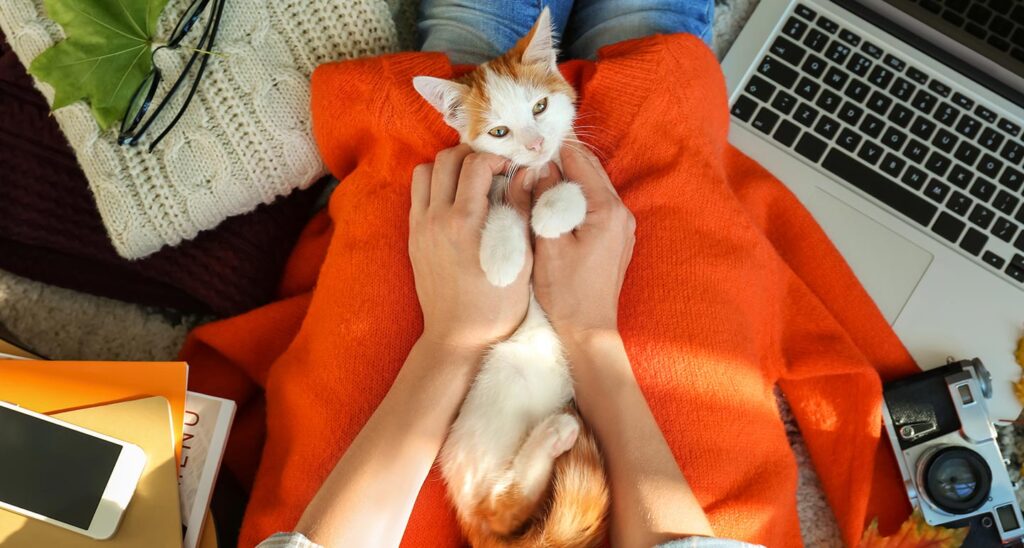
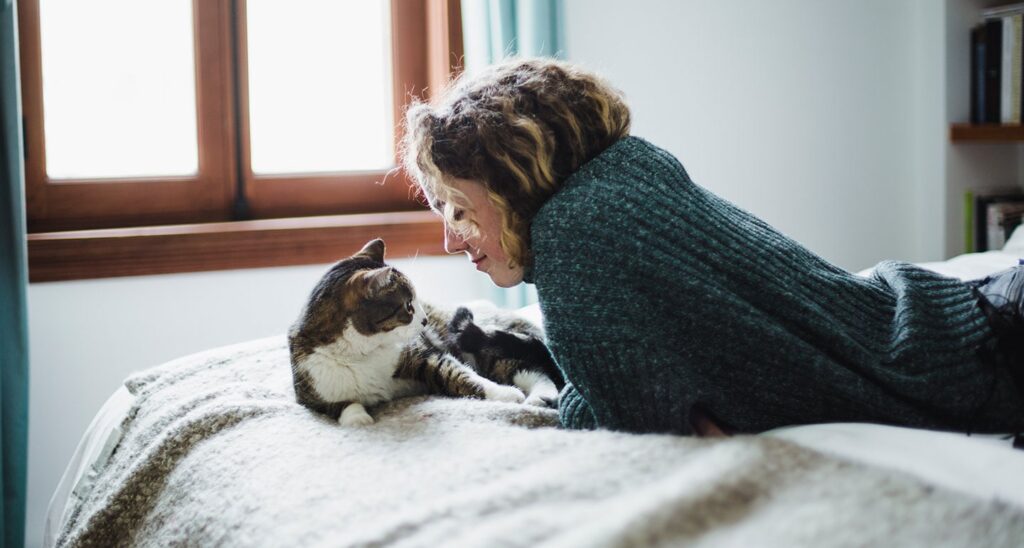
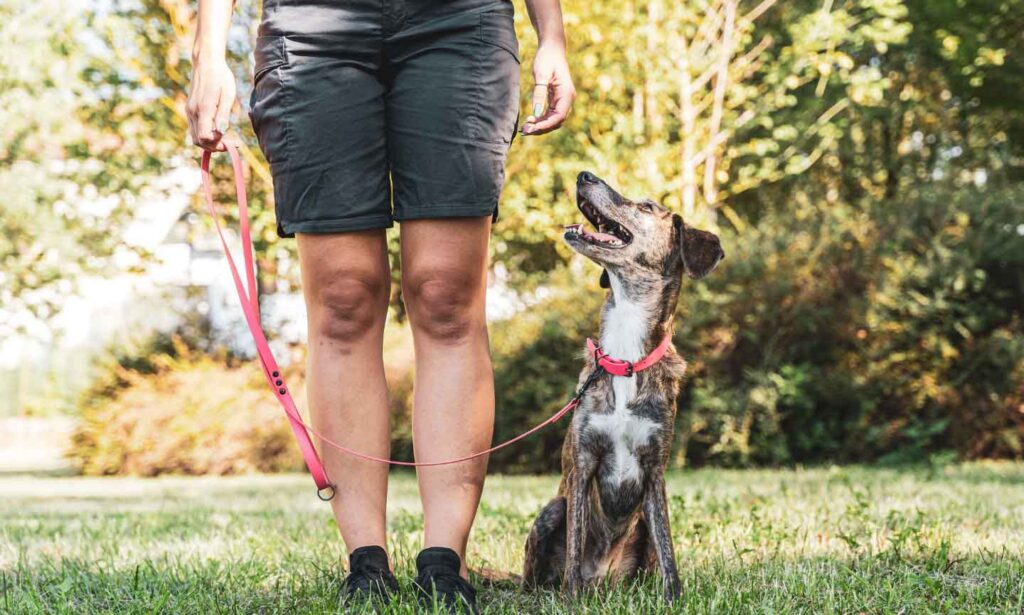
Have you considered fostering a pet during the coronavirus pandemic? Shelter workers say now’s the perfect time—and lots of volunteers are listening. Across the country, shelter organizations have seen a spike in new fosters. Requests to foster pets have risen an average of about 90 percent across the U.S., and some shelters have seen their fostering rates increase tenfold since the pandemic began. Shelters in places like Chicago and Southern California have been emptied, thanks to a rising wave of fosters and adoptions. The result is life-changing—both for shelter pets and for the foster parents who take them in. “COVID-19 has been horrible, but one of the huge silver linings is that it’s getting pets into foster homes,” says Michelle Sathe, public relations manager for Best Friends Animal Society in Los Angeles, California. According to PetPoint, an animal adoption software used by roughly 1,200 shelters across the United States, fosters went up 94 percent between March 14 and April 15. So what exactly is fostering? It’s taking a pet into your home on a temporary basis, caring for them and providing information about how they behave to the shelter as they seek the right forever home. Right now, shelters like Best Friends have reduced staff to comply with new safety guidelines. When volunteers step up, shelter staff have fewer animals to care for, “which means the animals in our care are getting a lot of attention and enrichment, and our staff isn’t overly stressed,” Sathe says. There are plenty of benefits for foster families, too. Studies have proven spending time with animals can ease the symptoms of depression and anxiety. And in these uncertain times, taking care of a new pet can be a welcome distraction from the bigger problems of the planet.