Wolf Teeth in Horses
In This Article What Are Wolf Teeth in Horses? View 3 More +


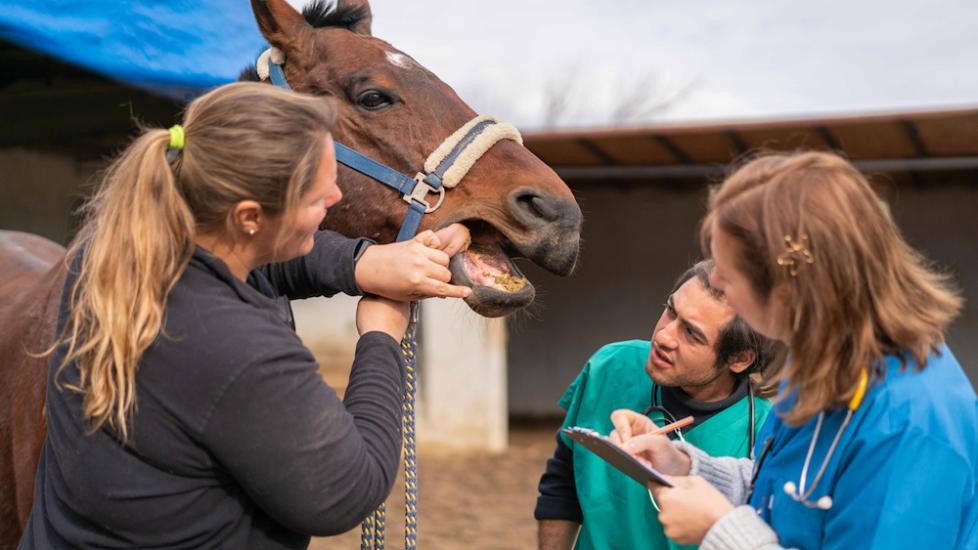
In This Article What Are Wolf Teeth in Horses? View 3 More +
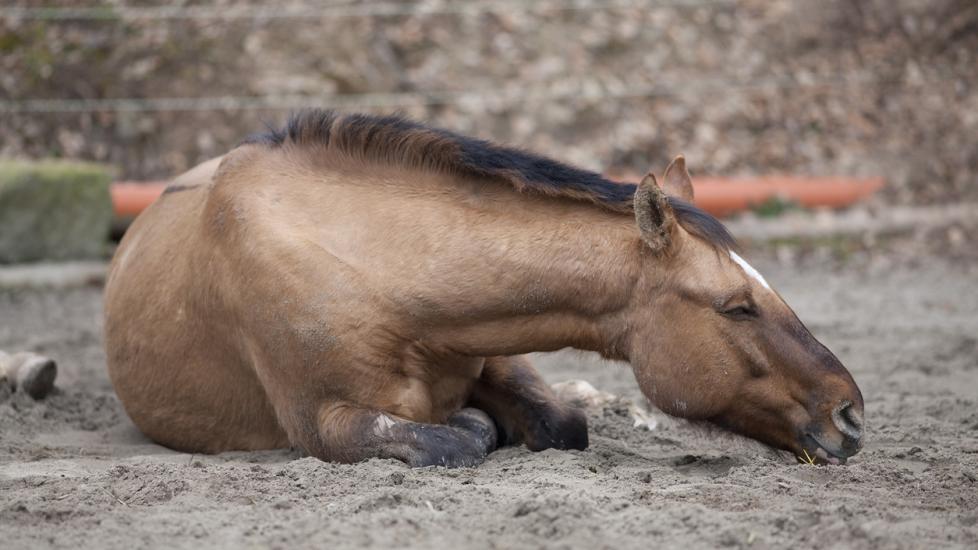
In This Article Summary View 7 More +
In This Article What Is a Horse Body Condition Score? View 4 More +
In This Article Summary View 7 More +

In This Article Summary View 6 More +

In This Article Summary View 7 More +

WRITTEN BYJennifer Rice, DVM, CVSMT Veterinarian Dr. Jennifer Rice is a 2017 graduate from Purdue College of Veterinary Medicine where she specialized in Equine medicine. Since graduating…,While horses are beautiful creatures that give us immense joy, their natural curiosity mixed with their fight-or-flight response tends to land them needing medical care quite often. Anyone that has owned a horse knows that at some point your horse is going to find a way to get hurt or injured. Having a properly supplied and easily accessible first aid kit can not only be crucial but also help ensure your horse’s safety until your veterinarian can be reached. Common emergencies in horses may include: Cuts/gashes/lacerations Colic Choke Illness Lameness Cellulitis First Aid Kit for Horses A good equine first aid kit should include: Your vet’s phone number: always call your veterinarian with any type of equine emergency Thermometer Gloves Non-stick telfa pads White gauze roll or cast padding Combine Redi-Rolls or sheet cotton Brown gauze Vetwrap Elastikon Hydrogen peroxide Saline Chlorhexidine or betadine solution (always dilute with bottled water before using) Rubbing alcohol 4×4 gauze sponges Bandage scissors Epsom salt Diapers Duct tape Hoof pick Clippers Scissors Antimicrobial skin or wound spray/salve (Vetercyn spray or Fura-zone) Small flashlight with batteries Prescription medications such as Banamine (flunixin meglumine) or Bute (phenylbutazone) are great medications to have on hand in cases of emergency of colic or lameness. Before giving any medication, always contact your veterinarian to make sure this is the recommendation for your specific emergency. Your first aid kit should always stay with your horse. Whether your horse is boarded or at your own barn, a first aid kit should be kept close by or in the barn in a clean, dry place. If you are traveling with your horse, your first aid kit either needs to be portable and go with the horse or you should make a second kit to keep in your trailer.
In This Article Summary View 5 More +
In This Article When Is a Horse Considered a Senior? View 3 More +
In This Article Summary View 6 More +
What Is a Horse Whisperer? Your Guide to Natural Horsemanship

The 5 Best Winter Dog Sports and Activities to Try With Your Pup