Choke in Horses
In This Article Summary View 6 More +


In This Article Summary View 6 More +
In This Article Which Vaccines Does My Horse Need? View 2 More +

In This Article Summary View 6 More +

Prevention of Maple Leaf Poisoning in Horses Since there is no cure for maple leaf poisoning, the key to protecting your horse is prevention of exposure. Prevention of maple leaf toxicosis is best accomplished through management practices as follows: It is not necessary to cut down all maple leaf trees in horse pasture. Instead, cut down all low branches to keep out of reach of horses and small trees should be fenced off. Make sure to remove all fallen branches and leaves in the pasture from storms and never throw out leaves gathered during yard work into the pasture. If you have any maple trees in dry lots or where there is access to limited forage, these should be cut down since horses with limited forage are more likely to eat the leaves than horses with lush pasture. Moving horses from areas of high prevalence of maple trees during the fall may also be necessary to prevent exposure risk. When planting new trees around or in turnout/pasture areas, be diligent with the species and ask your veterinarian if unsure whether a type of tree is a risk to your horse. ,What Is Maple Leaf Poisoning in Horses? Maple leaf poisoning in horses is seen most frequently in the Midwest and eastern part of the United States as well as Canada. Interestingly, fresh maple leaves are not toxic to horses and the leaves only become toxic once they begin to wilt. Today, the identity of the specific toxin in maple leaves is unknown. Due to the toxin only being present once the leaves begin to wilt, it is not surprising that most cases of maple leaf poisoning are seen in late summer or early fall. Poisoning can also occur during the spring and summer following heavy storms–causing tree limbs to fall in pastures. While maple leaf poisoning is rare, it is serious and life-threatening even with treatment. If you suspect your house has maple leaf poisoning, contact your veterinarian immediately. There are 115 species of maples trees and shrubs, but only four are most commonly native to the US: Sugar Maple Red Maple Silver Maple Boxelder
In This Article Summary View 6 More +
In This Article Summary View 6 More +
In This Article Summary View 6 More +

In This Article Does My Horse Need Joint Supplements? View 3 More +

In This Article Summary View 6 More +
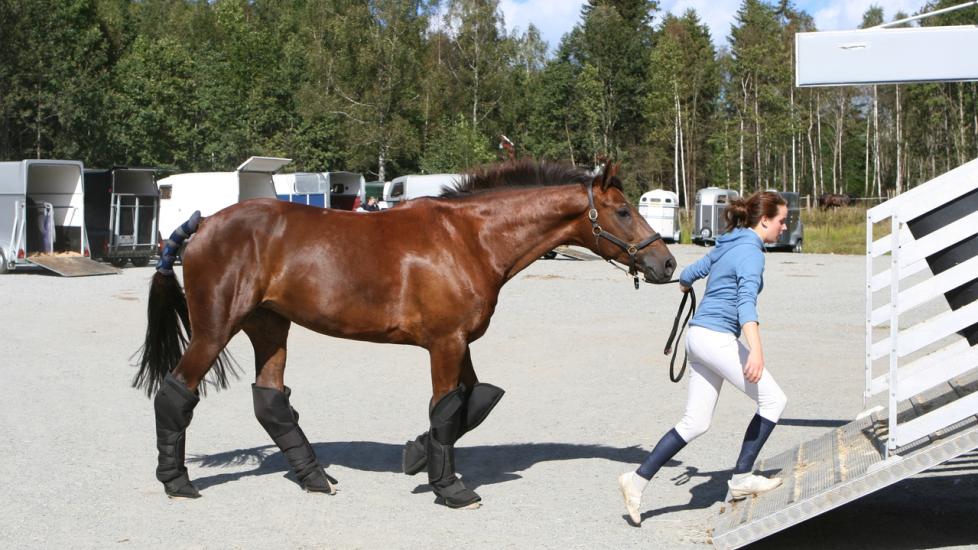
WRITTEN BYJennifer Rice, DVM, CVSMT Veterinarian Dr. Jennifer Rice is a 2017 graduate from Purdue College of Veterinary Medicine where she specialized in Equine medicine. Since graduating…,Bringing home a new horse whether it’s your first horse or adding an addition to your barn is always an exciting time. But with all the excitement, it’s also important to make sure you have everything you need to ensure a smooth and stress-free move. What Do I Need to Bring a Horse Home? Whether bringing a new horse to your own barn or to a boarding facility, here is a list of items you should make sure to include with you: First aid kit Negative Coggins test: If moving the horse across state lines, they must have an up-to-date (within the last year) negative Coggins. Coggins is a blood test that must be performed by a veterinarian to declare that the horse is negative of the virus equine infectious anemia. This is generally performed annually by your veterinarian. Health certificate: This certificate is written by a veterinarian saying that the horse is in good health and could be required in some states or settings. Medical records from the previous owner including dental records, vaccination and deworming history. Vaccination history is incredibly important as many boarding barns will not allow new horses on the property unless they are up-to-date on specific required vaccines. Talk to your primary veterinarian about the vaccinations and protocol before bringing any horse onto your own property, especially if you have other horses at the site. Hay: If the previous owner would be willing to give you a bale or two of the horse’s current hay, you can then gradually switch them to your hay. Grain: If the previous owner can give you enough grain for 5-7 days, then you can also gradually transition them over to whatever grain you will be giving them or if you can find out the grain ahead of time you can have that at the barn before arrival. Shipping boots or leg wraps: It is often recommended to protect a horse’s legs while traveling to help protect them from any injury while loading, trailering, and unloading. Halter with lead rope: Bringing an extra halter or lead rope is always advised. Shoeing history: The previous owner should let you know when the horse had their last feet trim and how often they generally have their feet trimmed. Pre-purchase exam: A pre-purchase exam is recommended before buying any horse. This can be as simple as an overall health exam performed by your veterinarian to make sure the horse appears to be in good health. For many performance horses this exam may also include bloodwork, lameness examination, and radiographs to look for any abnormalities. Insurance: Horses are an investment, hard to replace, and rather costly when medical issues arise. Horse insurance can cover a variety of options from surgery or major medical coverage to theft and mortality of the horse. If insurance is something you want to invest in, it is always best to have the policy planned before bringing the horse home so that they are covered the moment you take ownership.

What Is a Horse Whisperer? Your Guide to Natural Horsemanship

The 5 Best Winter Dog Sports and Activities to Try With Your Pup