Fusing Joints in Horses
In This Article Summary View 6 More +


In This Article Summary View 6 More +
In This Article Summary View 8 More +
In This Article FAQs
In This Article Summary View 6 More +

In This Article Summary View 6 More +
In This Article Does Beer Affect Horses? View 4 More +
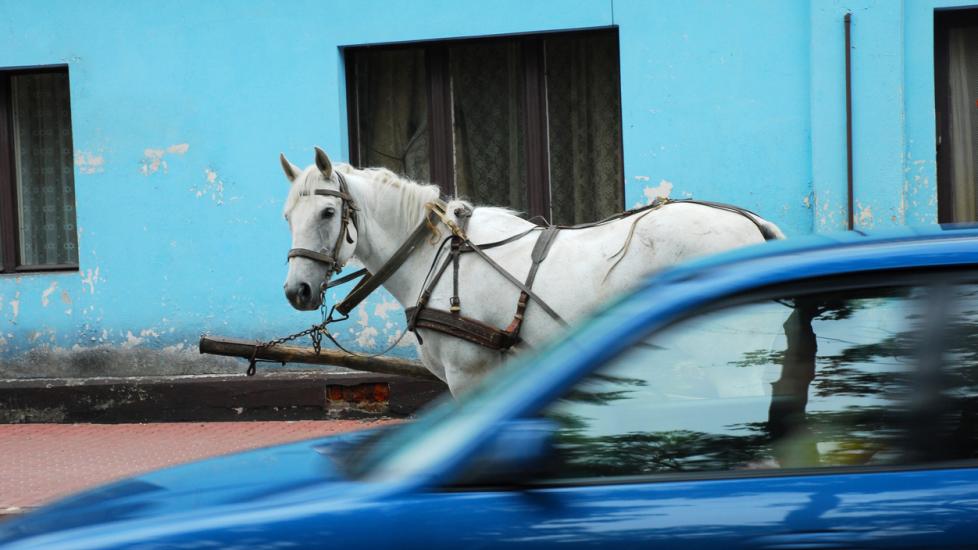
When you hear the term “horsepower,” what do you think of? Perhaps a large engine powering a fast car, a boat traversing the ocean, or a plane zooming through the sky. Or maybe, like a true equestrian, you envision a horse-drawn carriage or a draft horse pulling a plow. In all these instances, horsepower is at the core, so how did this phrase come to be? What is Horsepower? Horsepower is the term used to express how much power an object can create. Practically, it is the rate at which work is done. One horsepower is equal to moving 550 pounds the distance of one foot in one second. The history of the phrase “horsepower” originated in the 18th century, by James Watt, a Scottish engineer and inventor of the first practical steam engine. Watt used “horsepower” as a marketing tool when he compared the amount of work his steam engine could produce in relation to a horse. The steam engine was a new invention and people were skeptical that a man-made machine had enough power to accomplish the work that their horse could.
In This Article Summary View 5 More +
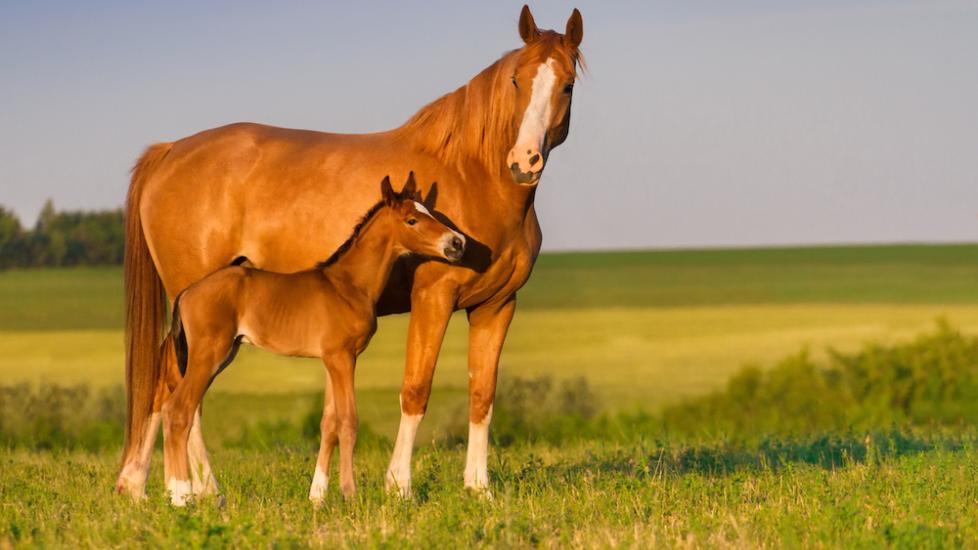
References Close,WRITTEN BYAmanda-Jo King, DVM Veterinarian Amanda-Jo King DVM is a native Floridian and has always fostered a love for animals great and small. Veterinary medicine was not always her…,After an intense labor and delivery, on top of a long 11-month gestation, a newborn foal will shortly stand up and start nursing their mare. Unfortunately, there are instances when this seemingly natural event does not occur. In a worst-case situation, the mare may have died during or shortly after birth. Most of the time when this occurs, it is due to dystocia (difficult birth) or colic related to the birthing process. Rarely, a mare succumbs to a random accident or trauma during delivery. Other reasons you may have an orphaned foal is because the mare rejects the foal, or the mare does not produce enough milk to sustain them. Mares may reject their foal if they are a maiden mare, particularly if it was a difficult labor, and delivery where there is associated pain connected to the foal. Mares can be genetically poor milk producers or have a problem with their mammary glands and not produce enough milk. Age and concurrent illness can also affect milk production. Though this can be a difficult situation, it is one you and your veterinarian can work through together. Orphaned Foals Circumstances that require a horse foster mom include: Mare rejects foal Poor milk production Death of mare If you find yourself suddenly with a newborn orphaned foal, the most important thing is to make sure the foal receives colostrum (first milk). This is essential for the passing of antibodies to the foal for immune protection. If the mare is present (deceased or alive), you can milk the mare and your veterinarian can feed the foal the colostrum through a nasogastric tube. If you cannot obtain colostrum from the mare, there is commercial colostrum available; or your veterinarian may need to give your foal plasma that is high in antibodies through an intravenous catheter. Once the immune protection for the foal has been covered, it is necessary to make a long-term nutritional plan. Foals nurse up to 17 times per hour during the first week of life. In the following weeks, nursing frequency decreases to three times per hour. One option is to manually feed the foal. Goat milk is the next best milk if mare milk is not available. In some instances, a foal can learn to nurse from a goat that is elevated on hay bales. Occasionally, goat milk can cause constipation. There are recipes that use cow milk as a milk replacer, but whole cow milk should not be used because it is too high in fat and too low in sugar content which causes loose stool. Additionally, there are commercial mare milk replacers that are reformed with water.
In This Article Summary View 6 More +
What Is a Horse Whisperer? Your Guide to Natural Horsemanship

The 5 Best Winter Dog Sports and Activities to Try With Your Pup