How Often Should You Walk Your Dog?
In This Article Dog Breed View 4 More +



In This Article Dog Breed View 4 More +

Nighttime walks with your dog are fun — and necessary — but they can also be hazardous. Visibility is diminished, meaning that not only will you not see all of the obstacles and ground level hazards (e.g., sharp objects like rocks and glass), you will also not be as visible to motorists and other pedestrians, such as bikers and joggers, who may unintentionally invade your dog’s personal space. There are also the nighttime critters to take into account — the raccoons, the opossums, even the neighborhood cats that prowl at night, all can be distractions for your dog. Improving Visibility There are so many useful and easy to find products for night walking that we only need to list them to get you started. Of course, the easiest and thriftiest solution is to get a roll of reflective tape and attach it to your dog’s collar, leash and harness. But if you want a product that has been specifically designed for nighttime visibility whether light is shining directly on you and your dog or not, there are plenty to choose from. The most no-nonsense are the blinking light collars, leashes and attachable collar lights (similar in size to a typical collar tag), the latter which can be found in long lasting, far reaching lights — as strong as a standard flashlight in some cases. Look for the products that have easy battery replacement to guarantee that you always have what you need. Collars and leashes with reflective strips and lights, so that even when a light is not shining on your dog, the lights will illuminate your dog in the dark — blinking lights and steady lights are both available Clip-on blinking lights, to attach to your clothing and to your dog’s leash Collar tags with reflective coating Brightly colored and reflective vests for you and your dog Reflective leg bands for your dog Flashlights that attach to your dog’s collar, or onto your own head (e.g., the type used by mushers, climbers and miners) Lighted pooper scooper or combination flashlight waste bag holder/dispenser High pitched whistle
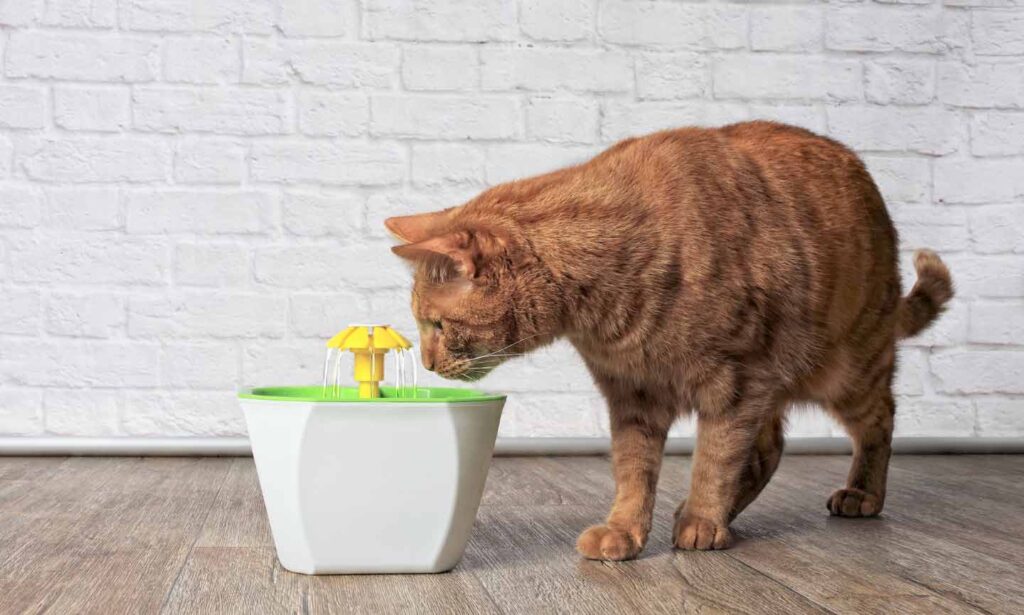
Domestic cats can be particularly fussy when it comes to their water. Factors like where it’s placed, how fresh it is and the source it’s coming from can all detract a kitty from drinking, leaving them more vulnerable to cat dehydration. Keep these things in mind when you’re considering how to give your cat their water: Don’t put their food near the water bowl. Cats instinctively avoid water near their food, possibly an instinct from their wild ancestors. Don’t put their food near their litter box. You might be less likely to drink water too, if the only place you could do it was next to your toilet! Choose the right bowl. Cat’s like wide bowls with low edges so that their whiskers don’t have to touch the bowl. Clean the bowl regularly. Your cat’s water bowl should be emptied, cleaned and filled with fresh water at least twice a day.,If you don’t see your kitty at their water bowl often, you’re not alone. “Cats are really desert dwellers and are not programmed to drink large amounts of water,” said Judy Morgan, DVM. This trait can make your kitty less likely to spend time at their water bowl—and more at risk to cat dehydration than you might think. Of course, cat hydration is very important. Although cats can generally function in a mildly dehydrated state, hydration is important for normal metabolic health, energy and digestion, says Stephanie Liff, DVM, medical director of Pure Paws Veterinary Care. In older cats, hydration is important to support kidney health, which often suffers as cats age. And in younger cats, water intake is essential to avoid lower urinary tract issues. Whatever your cat’s age, there are some ways you can help increase the amount of water they get so you can better prevent cat dehydration. Here are a few suggestions.

In This Article When To Take Your Puppy to the Vet After Bringing Them Home View 4 More +
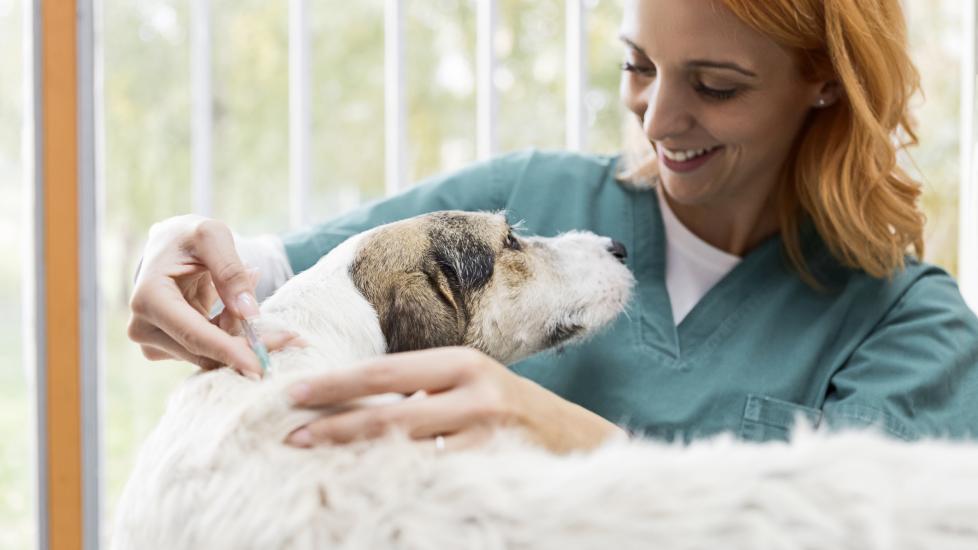
In This Article What Is the DHPP Vaccine for Dogs? View 6 More +

As every cat parent knows, cleaning the litter box is one of the least rewarding aspects of the job. However, the right cat litter for your and your pet’s needs can make all the difference. There are a wide range of litters available today, each offering unique benefits to cats and cat parents. Which one you choose can impact how easy it is to keep your space clean, your home smelling fresh and your cat happy. Bathroom business is serious business, so there’s quite a bit to consider before selecting a litter. Read on for everything you need to know about the best cat litter on the market today, including expert tips and product picks from pet parents like you.
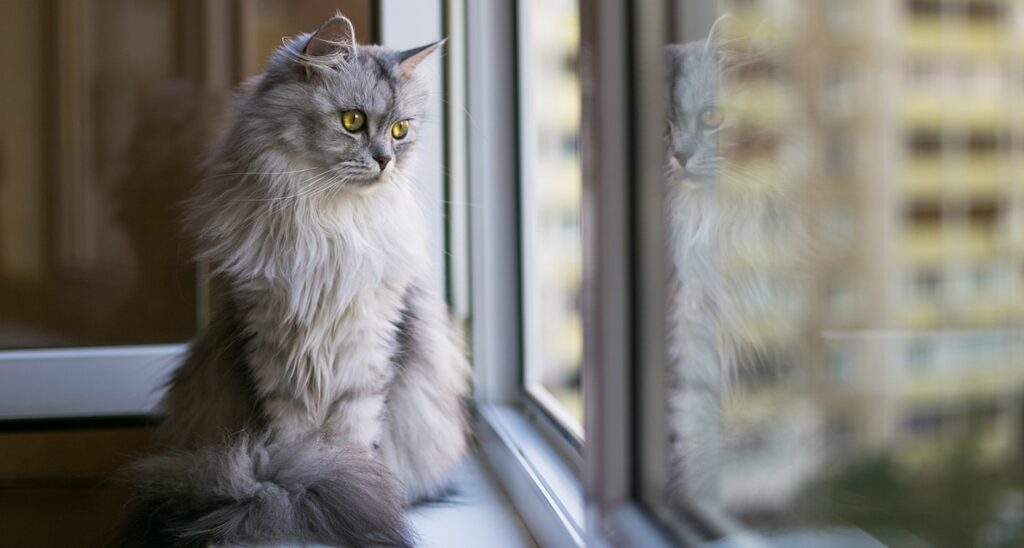
There are plenty of benefits to owning an indoor cat. Keeping your cat inside all the time is a much safer option, not to mention that it keeps their coat clean and dirt-free. If you are training your outdoor cat to make your indoor living space their permanent home, there are helpful steps you can take to make the transition easier. Introducing alluring incentives such as a cat tower, cat scratching post and cat toys for indoor cats can help keep your cat satisfied while living indoors. They will make sure your feline friend is a happy cat by providing stimulation and activities that will help keep them healthy and entertained. Here are some tips and tricks on how to teach your outdoor cat about indoor living.
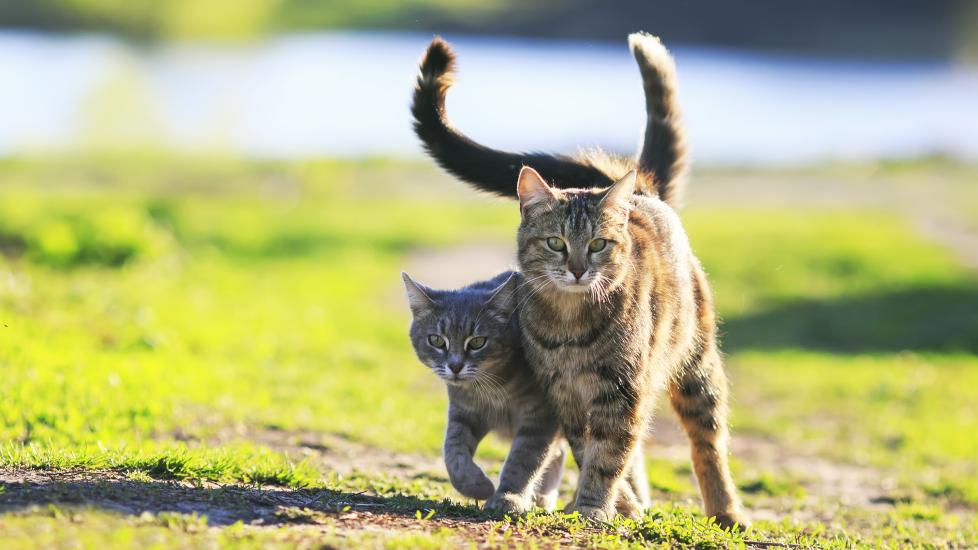
In This Article What Is Heat in Cats? View 1 More +
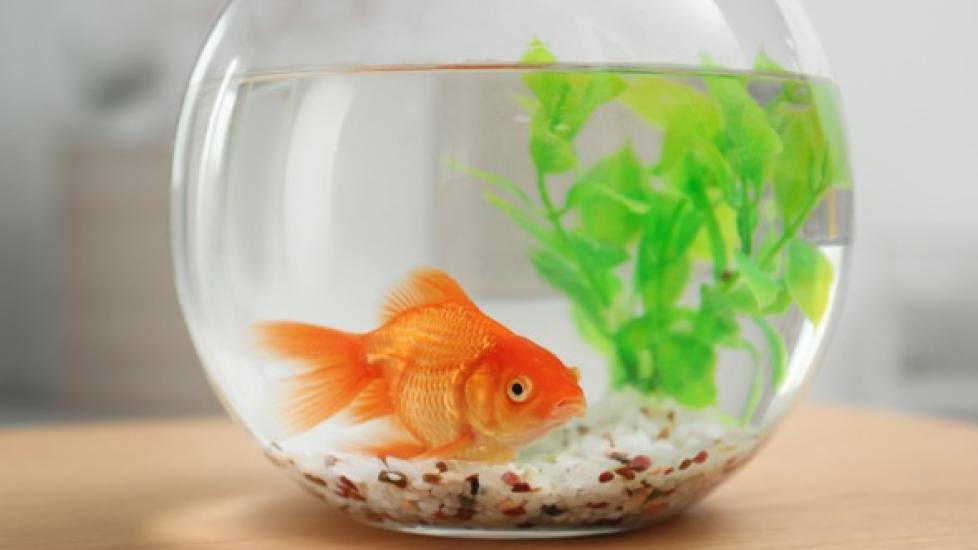
Lymphocystis disease is a common viral infection which affects the skin and fins of saltwater and freshwater fish. Although it is serious, it does not cause any health problems; the disease only disfigures the fish. Fishes kept in aquariums or outside in ponds are both susceptible to Lymphocystis disease. The painted glassfish is the most prone aquarium fish to contract this infection. Symptoms and Types The viral infection causes growths on the skin or fins, which look similar to cauliflowers. The Lymphocystis disease does not pose any health problem to the fish, but the growths may make the animal less aesthetically pleasing.

Jump to section What is Colic in Horses? Types of Colic What Causes Colic in Horses? Symptoms of Colic in Horses What to Do if Your Suspect Your Horse Has Colic When to Call Your Veterinarian Treatment for Colic in Horses Caring for Your Horse After Colic How to Prevent Colic in Horses


What Is a Horse Whisperer? Your Guide to Natural Horsemanship

The 5 Best Winter Dog Sports and Activities to Try With Your Pup