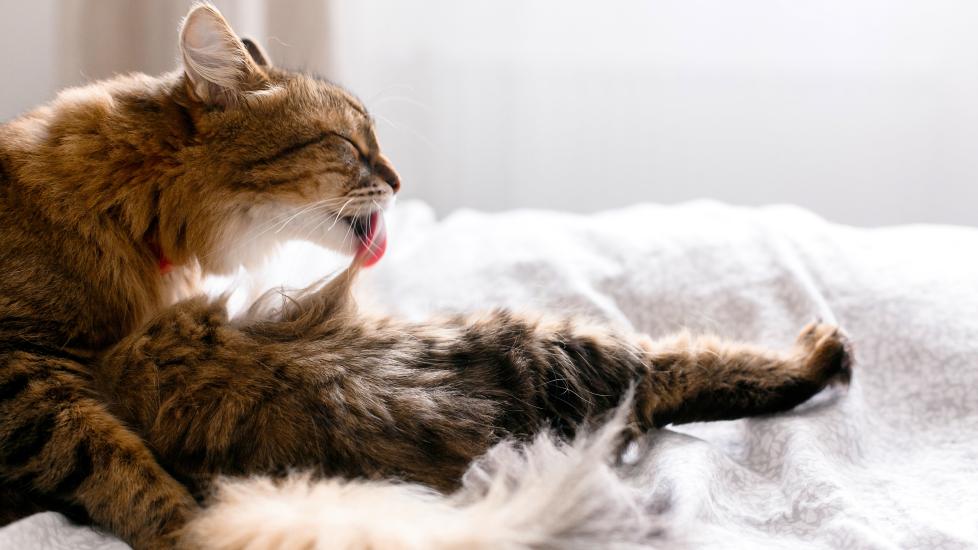
Why Do Cats Lick Themselves?
In This Article Why Do Cats Lick Themselves? View 3 More +


In This Article Why Do Cats Lick Themselves? View 3 More +
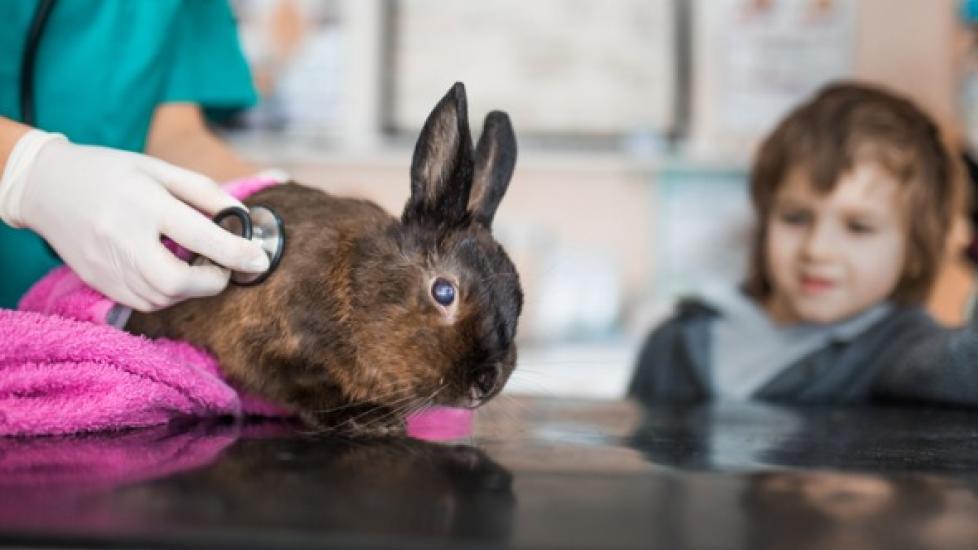
When Rabbits Ingest Rat Poison If a rabbit eats certain rat poisons, the blood will not clot properly (coagulopathy). This is a relatively common type of poisoning in rabbits, as many of these rat poisons are sold over the counter and widely used in homes. While all rabbits are susceptible, those kept outdoors or allowed to free-roam the house may be at higher risk. This condition is also more prevalent in the spring and fall, as rodenticide products are more frequently used during these seasons. Symptoms and Types It may take several days for the symptoms to occur and ultimately depend on the amount of poison eaten, as well as the amount of clotting factors circulating in the rabbit’s body. Symptoms may include: Difficulty or pain while breathing (Dyspnea) Presence of blood in the urine (Hematuria) Muffled heart or lung sounds Sluggish behavior Depression Swollen joints Pale mucous membranes (the moist tissues lining the body’s openings, such as the nose) Causes Anticoagulant rodenticide poisoning in rabbits is caused by exposure to specific rat poisons. Warfarin, pindone, brodifacoum, and diphacinone are just some of the anticoagulants that you may find in these type of poisons. It is also more dangerous for rabbits to ingest small doses over several days than ingest a single large dose, but either type of exposure may lead to poisoning. Diagnosis An analysis of blood or liver samples is the best way to confirm the rabbit’s exposure to rat poison and can also determine the specific product ingested. Other tests include bleeding time (how long it takes for blood to clot), X-rays, and urine analysis. Treatment If the rabbit is in crisis, then the pet needs to be kept in hospital for treatment. Begin treatment immediately after ingestion (within 24 to 48 hours) by administering activated charcoal to the rabbit to treat poisoning. It also important to bring the suspected package of rat poison with you, so the veterinarian can identify the active rodenticide agent and treat the pet accordingly. Duration of therapy will depend on the type and amount of poison ingested. And any further measures which may be necessary are dependent on the symptoms the rabbit displays, such as blood transfusions in cases of hemorrhage. Living and Management After initial treatment, the rabbit should be confined and activity limited to avoid further blood loss. It is important the pet continues to eat, and to take any prescribed medications, vitamins, or other dietary supplements as prescribed by a veterinarian. Prevention Keeping rodent toxins away from rabbits can prevent anticoagulant rodenticide poisoning. And don’t forget, monitor your pet carefully. Featured Image: iStock.com/skynesher

The most popular horse breed in the world, the American Quarter Horse can run 1/4 mile in 21 seconds—hence, the breed’s name. It’s used in a variety of disciplines, including dressage, jumping, trail riding, western, and racing (they can sprint up to 55 mph!).,With so many horse breeds out there, choosing the right equine companion can feel overwhelming. While looks and size matter, it’s just as important to consider temperament and common uses to find a breed that matches your experience and expectations. To help you get started, here’s a list of 12 popular and multi-talented horse breeds—suitable for everyone from first-time riders to seasoned equestrians.

One of the oldest and naturally purest breeds found today is the Korat. The original descent is not known, nor is it known when this breed broke from the jungle to make its place with humans. The standards for the Korat, however, are strict.

Rabies is a fatal viral disease that can infect all mammals—including dogs, cats, and people—and is certainly not something you want to risk or mess around with. It’s transmitted to other animals via a bite or scratch, and kills tens of thousands of people every year worldwide. While canine rabies has been mostly eradicated in the United States, an infected animal can still infect other dogs, cats, cattle, horses, people, and domestic animals. Making sure you get a rabies vaccine for dogs in your home is the best way to protect everyone—including your furry friends. Doing so also helps prevent the re-emergence of rabies

Continue to practice taking just a few steps away from your dog in different directions, and work up to turning your back and walking away for a few steps. Slowly increase the number of steps you can take from your dog, but throw in an easy repetition every so often. Work on this cue all over your house, and then introduce it outside as well. When your dog is reliably holding a stay both inside and out, add some real-life distractions. For example, get your dog to hold a stay while you unload the dishwasher, or have him hold a stay while you put away groceries. The goal is to incorporate the stay into your everyday life so that you can use it to keep your dog from underfoot, and more importantly, keep him safe.,3. A Trustworthy Recall. While it’s easy to teach your dog to come when called in controlled circumstances, getting a strong response in real-life situations requires dedication and a strong history of positive associations. Many dogs learn that coming when called means the fun is ending, and instead of running joyfully to their people, they opt to ignore the cue. If your dog has a history of “blowing off” your recall cue, you can build a stronger response with a brand new, baggage-free word.,By Victoria Schade
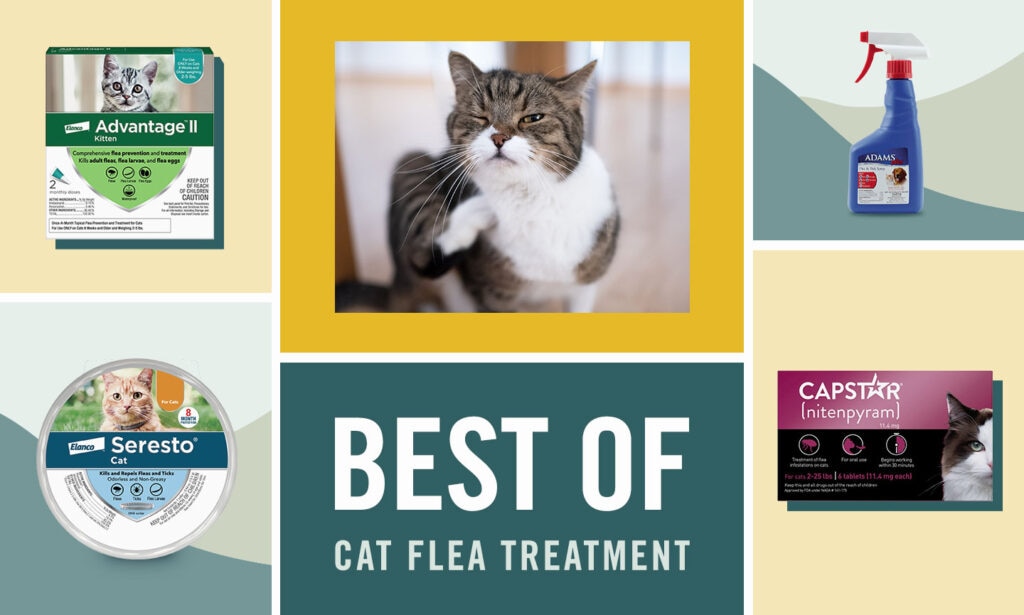
Famously clean and self-grooming, cats aren’t commonly associated with fleas and ticks. After all, unlike their canine counterparts, our feline friends are more likely to spend their afternoons napping on sunny windowsills, not romping through leaf piles at the park. However, cats—even those who never venture outdoors—aren’t immune to contracting these pesky pests, and they should be on a cat flea and tick treatment. “It’s a common misconception that indoor cats do not require flea and tick prevention,” says Dr. Bethany Hsia, DVM, a California-based veterinarian and co-founder of CodaPet. “Indoor cats can still be at risk for fleas and ticks, as they can be brought into the home on clothing, shoes or other animals. It is still important to protect your cat from these parasites.” Tiny as they may be, fleas and ticks can cause significant health issues, from inflamed skin and hair loss to more serious conditions, including anemia and Lyme disease—so prevention is key. Fortunately, there are plenty of high-quality cat flea and tick treatments on the market, and effective options for every cat (yes, even that cat).
In This Article Summary View 3 More +

Yes and no. While some kinds of walnuts are safe for dogs to eat they are not the best choice for a pup treat. There’s no need to freak out if your dog eats a walnut you’ve dropped on the floor, says Dr. Ashley Hughes, DVC, but feeding them as a treat on a regular basis is not advised. The dangers for dogs of eating walnuts includes choking hazards, intestinal obstruction and upset stomach to more serious conditions like pancreatitis and illness from black mold that can occur on walnuts and can be toxic to dogs. Why risk any of that, right?
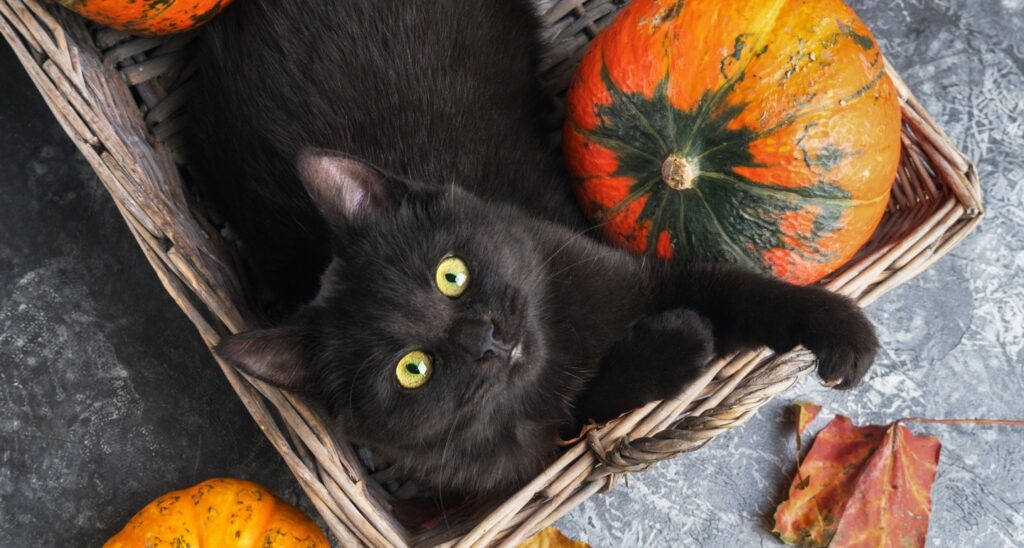
Sure, you can buy your feline family member some cat treats at the store, but if you want to put a little bit of extra love into treat time, you can make some DIY pumpkin cat goodies at home. Pumpkin, featured in each recipe, is great for your cat’s digestion and helps prevent hairballs. Show your feline how special she is with a little time spent in your kitchen just for her.


What Is a Horse Whisperer? Your Guide to Natural Horsemanship

The 5 Best Winter Dog Sports and Activities to Try With Your Pup