Why Do Cats Purr? 5 Meanings Behind a Purring Cat
In This Article How Do Cats Purr? View 4 More +


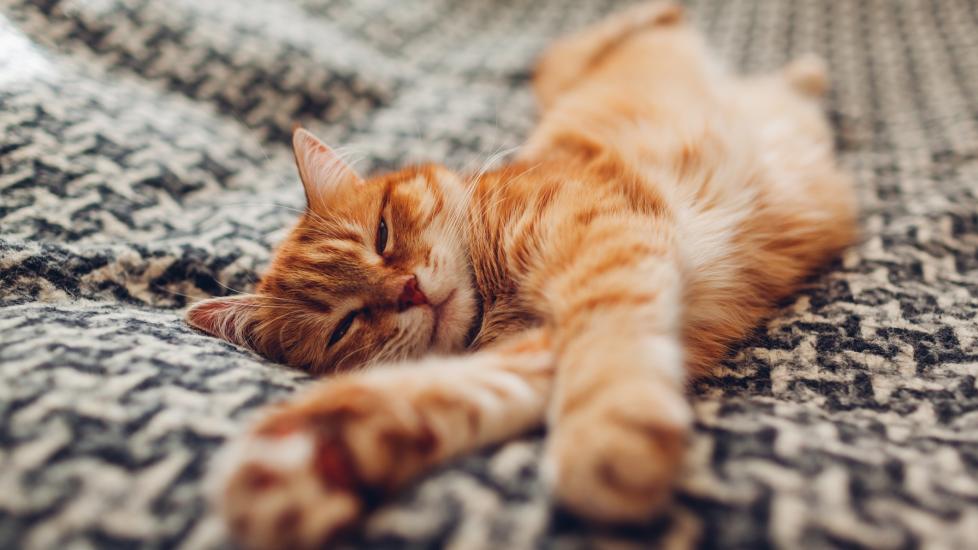
In This Article How Do Cats Purr? View 4 More +

In This Article Species Overview View 7 More +
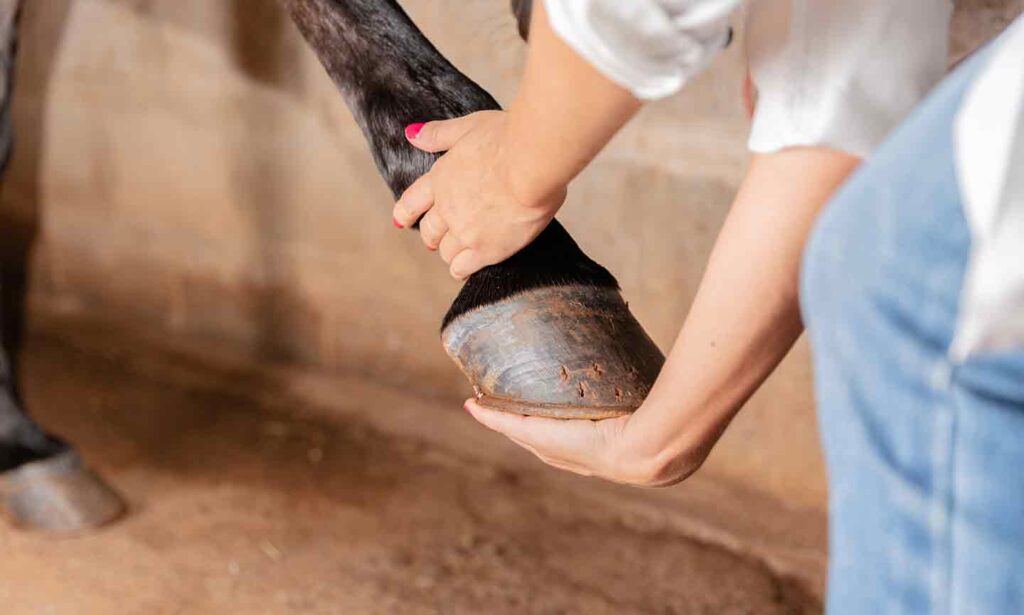
A horse’s hoof, or outer hoof capsule, can be split into seven distinct structures:,Jump to section Horse Hoof Anatomy Common Health Issues That Affect Horse Hooves Caring for Your Horse’s Hooves FAQs About Horses’ Hooves
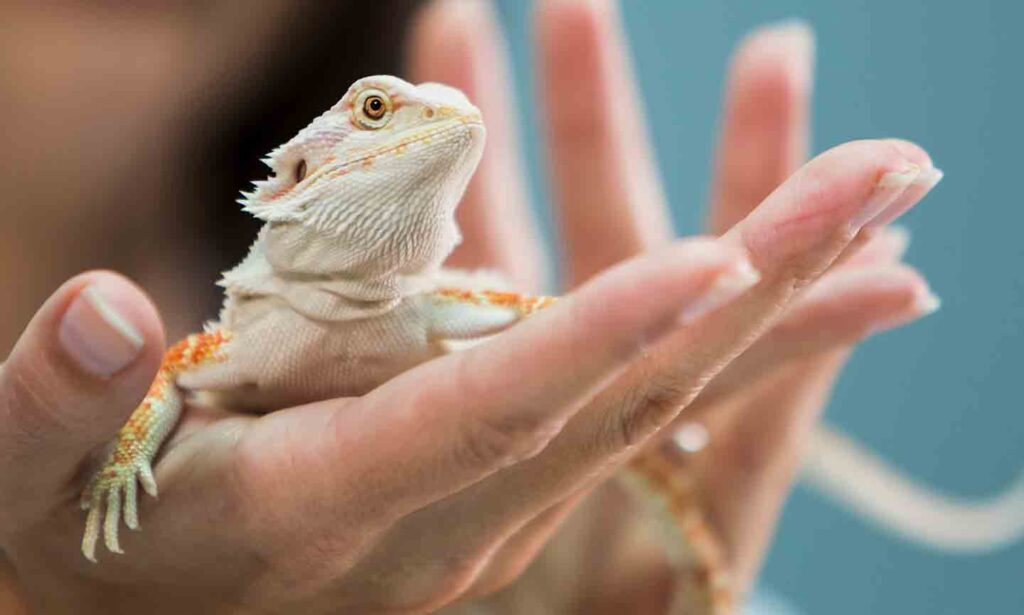
Most pet lizards range from 5 inches to 24 inches long. Lizards’ lifespans vary, but in general, these pets live between 5 and 20 years. Geckos can climb walls and ceilings thanks to their sticky feet. Some lizards have a parietal eye (referred to as the “third eye”), a light-sensitive organ on the top of their head. Lizard lost their tail? Many species, including geckos and bearded dragons, have the ability to regenerate a new one. Some lizard species communicate with each other by doing “push-ups,” aka raising and lowering their body using their front legs. Like snakes, lizards shed their skin as they grow, a process referred to as molting.,Jump to section Fun Lizard Facts Lizard Supply Checklist Creating the Perfect Habitat for Your Pet Lizard What Do Lizards Eat? How To Hold and Touch Your Lizard Common Lizard Health Problems Lizard-Keeping FAQs
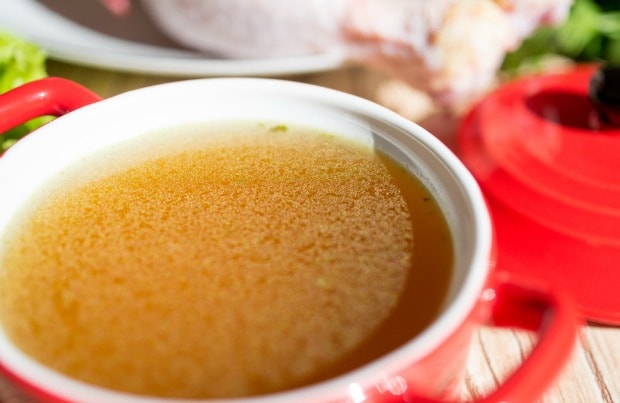
Around the holidays, turkey leftovers are as traditional as pumpkin pie. But after you’ve served the last turkey sandwiches, keep that bony carcass around so you can cook for your cat. As cat parents know, poultry bones are hazards for pets to chew, but when simmered into broth, those bones and joints serve up a rich nutritional feast. Bone broth has a long health history—the clichés about chicken soup’s healing powers stem from its aid in reducing cold symptoms and preventing cell inflammation. And since the Victorian era, the British have sipped “beef tea,” and Chinese medicine still relies on bone broth to help kidney strength. Bone broth’s benefits to your cat include: Detoxifying his liver: Bone broth delivers lots of glycine, the amino acid needed by the liver to clear out all the toxins present in food, water and even pest treatments. Boosting his digestive tract: Collagen helps strengthen the intestinal lining so bacteria from undigested food doesn’t seep into the bloodstream. Strengthening his immune system: Bone marrow carries oxygen to the body’s cells, bolstering the immune system’s ability to battle illnesses. Helping joints: Cats with arthritis or other joint issues benefit greatly from bone broth’s easily-absorbed minerals, including magnesium and glucosamine Keeping bones healthy: Bone broth is rich in calcium and phosphorus, which is crucial for maintaining and healing bones and teeth, and for generating energy. Boosting nutrition, juicing poor appetites: For cats with food sensitivities, or senior cats whose appetites lag, bone broth’s taste and ease of digestion invites them to chow down. Making bone broth is easy but time-consuming, so include patience in your recipe. Plenty of great recipes can be found online or in cookbooks specializing in meals for pets. Start with the simplest version from your leftover turkey bones, then customize next time with bones from chicken or other meat. You’ll need a slow cooker because standing over a pot of simmering bones on your stovetop for 20-plus hours isn’t practical! If using turkey drumsticks, please heed the excellent advice of natural pet expert Kimberly Gauthier, who makes certain to remove the long sharp leg bones when she prepares broth for her dogs. Place bones in pot and cover with water. For each gallon of water, add two teaspoons of apple cider vinegar or lemon juice, for the natural acids that break down bones to release their minerals. Slice in some carrots for flavor; before adding any other vegetables or seasonings. Make sure to consult your vet to be sure all ingredients are feline-safe. Cats should never eat anything containing onions, chives, scallions or garlic—these are all toxic for cats. Simmer on low heat until any remaining meat residue falls off the bones. Remove meat and vegetables. Let the bones simmer for another 20-24 hours. Your cat will hover, curious about the yummy scent. When cooking time is up, skim off the separated fat, remove and discard all bones. Let broth cool completely and transfer to small containers and ice cube trays for easy freezing. Get bone broth on your cat’s menu by serving it over dry cat food, letting the nuggets soak up the flavor and nutrients. You can also spoon it over canned food like gravy. Or offer a broth cube as a savory ‘popsicle’ that your cat will eagerly lick. That’s another of bone broth’s many health benefits—your cat will definitely enjoy the treat. Want to give your pet superior health and nutrition? Chewy offers a variety of premium cat food so you can feed your feline the highest quality ingredients. Shop Chewy’s selection of premium cat food here.
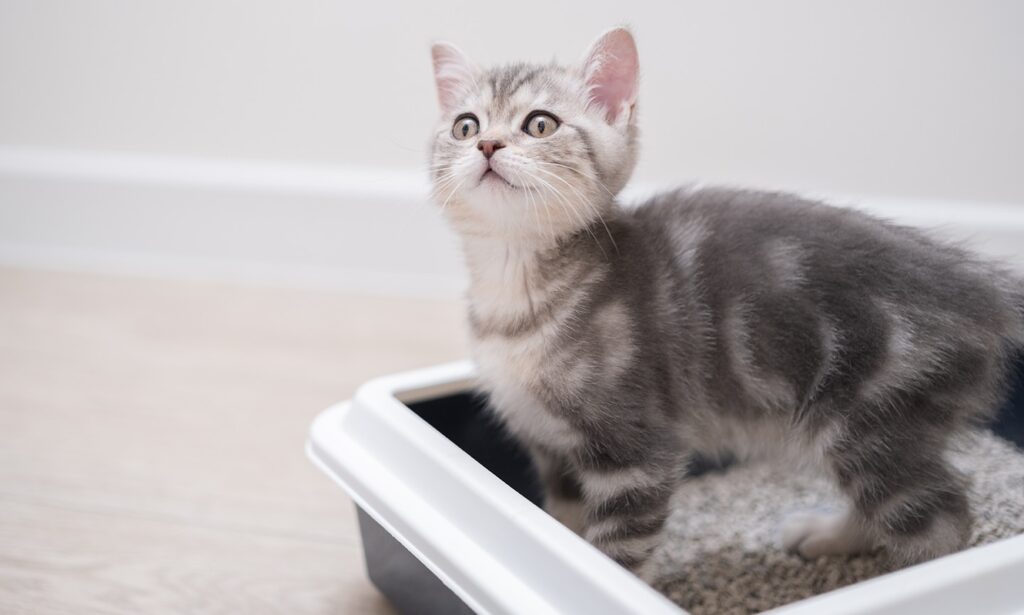
On a basic level, kitten constipation is when your cat can’t go poop. Generally, constipation gets diagnosed if your kitten hasn’t passed a bowel movement in 24-48 hours. That being said, dry, hard stools can also be a sign of constipation. In other words, your kitten may be going a little bit, but not enough to fully relieve themselves. Straining and abdominal distress are also closely tied to kitten constipation. Constipation or obstipation (producing no feces at all) can lead to serious problems such as illness due to being unable to pass stool from the colon and even rectal prolapse if the kitten is straining with too much force to pass stool, says Dr. Byron de la Navarre, DVM, chief of staff at Animal House of Chicago in Chicago.,Jump to section What Is Kitten Constipation? Signs of a Constipated Kitten When Do Kittens Start Pooping? And How Often Should Kittens Poop? Kitten Poop Chart Why Is My Kitten Constipated? How to Help a Constipated Kitten and Treatment Kitten Constipation Home Remedies Diagnosing Kitten Constipation

In This Article Summary View 6 More +

In This Article Can Cats Recognize Themselves in the Mirror? View 3 More +
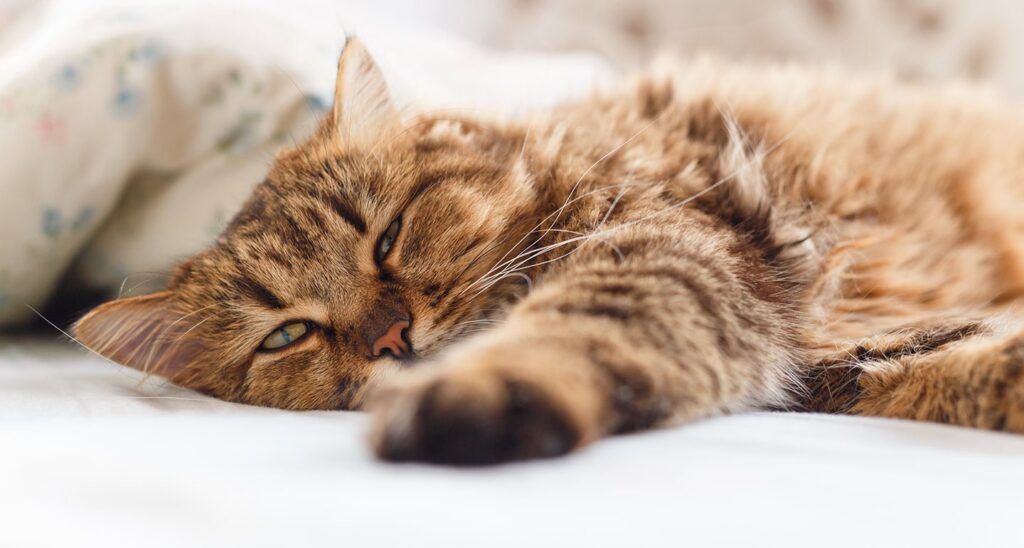
As a cat parent, you’re undoubtedly familiar with that unmistakable guttural “glurk” or pre-puke “howl” that signals an impending vomiting episode. And while occasional senior cat vomiting that isn’t accompanied by other symptoms likely isn’t a cause for concern, frequent vomiting may indicate more than just an upset stomach or hairball. Your elderly kitty could be grappling with an underlying illness or disease such as inflammatory bowel disease (IBD) or diabetes. To help you better understand this messy conundrum, we spoke with a vet expert about potential causes of senior cat vomiting, treatment options and prevention.
In This Article Summary View 5 More +

What Is a Horse Whisperer? Your Guide to Natural Horsemanship

The 5 Best Winter Dog Sports and Activities to Try With Your Pup