Skin Tags on Dogs
In This Article Summary View 4 More +


In This Article Summary View 4 More +

In This Article Train Your Dog View 8 More +
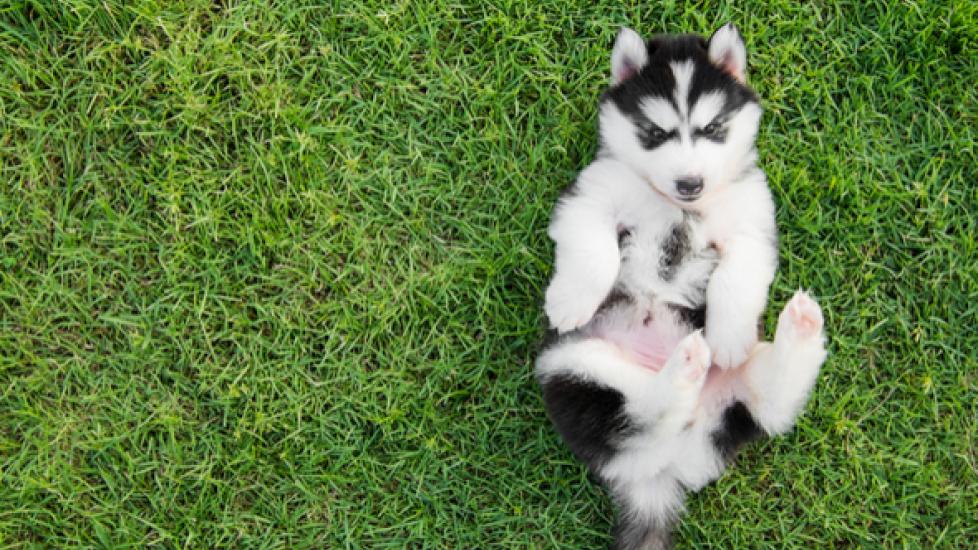
Can Hernias be Treated? As a hernia is essentially a hole in the body wall that shouldn’t be there, surgery is indicated to replace the contents of the abdomen and repair the defect so the organs remain where they are supposed to be. The success of the repair depends on the size of the defect, whether or not the organs sustained damage when they were herniated, and the overall health of the pet. In the cases of small umbilical hernias where only fat is protruding, your veterinarian may recommend repairing the hernia at the time of spay or neuter. If the hernia is large or contains abdominal organs, surgery should take place as soon as possible to avoid organ damage or even death. Your veterinarian can assess your pet if you suspect he or she is suffering from a hernia and determine the best course of action.,Are Hernias Preventable? In many cases of congenital hernias, it’s impossible to predict when and where they will occur, though some breeds are considered predisposed to various types of hernias. For example, while Shar-pei and English bulldogs are more likely to have hiatal hernias, Weimaraners are overrepresented in cases of peritoneopericardial hernias. Pets who have any form of congenital hernia should not be bred as they may pass the defect onto their offspring. Although hernias can be distressing and sometimes even life-threatening, the majority of pets with a hernia who receive prompt diagnosis are successfully treated and go on to live long and happy lives. If you find an unexpected swelling or mass on your pet, even if it doesn’t seem to be bothering them at the moment, don’t wait to get it assessed. Early diagnosis is the key to excellent outcomes. ,By Jessica Vogelsang, DVM As part of every puppy physical exam, I feel the dog’s belly to check for all sorts of things, like pain, enlarged organs and masses. I run my fingers down the center near their belly button feeling for the telltale blob of an umbilical hernia and near the groin checking for inguinal lumps and we find them quite a bit. Hernias are not uncommon in puppies, and occur in a variety of ways. The good news is most are easily treatable and often caught early. Here’s what you need to know: What is a Hernia? A hernia occurs when abdominal organs or fatty tissue protrude through a weak spot in the muscle or connective tissue. The severity of the hernia depends on the size of the defect in the abdominal wall. In its most benign form, a small amount of abdominal fat may intermittently protrude from the hole and be easily placed back through with a little pressure. In its most severe form, intestines or other abdominal organs may pass through the the hole, compressing blood supply and essentially strangling the organ. In these worst-case scenarios hernias can become life threatening in a short period of time. Amazingly, even large hernias can often be successfully treated if the diagnosis is made before the herniated organ is compromised.
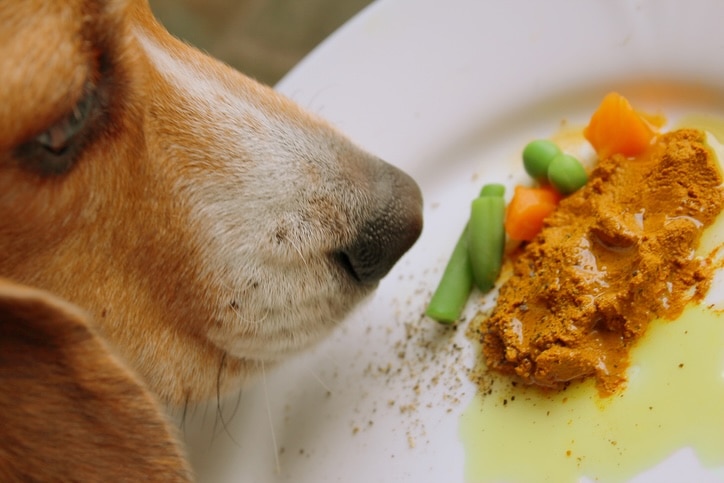
Known for its anti-inflammatory and antioxidant effects, turmeric has a long history of medicinal use in humans. But what about turmeric for dogs? Early research suggests this golden spice may be a boon for your pup. But before you sprinkle it on your dog’s food, it’s important to understand the potential benefits and the risks.
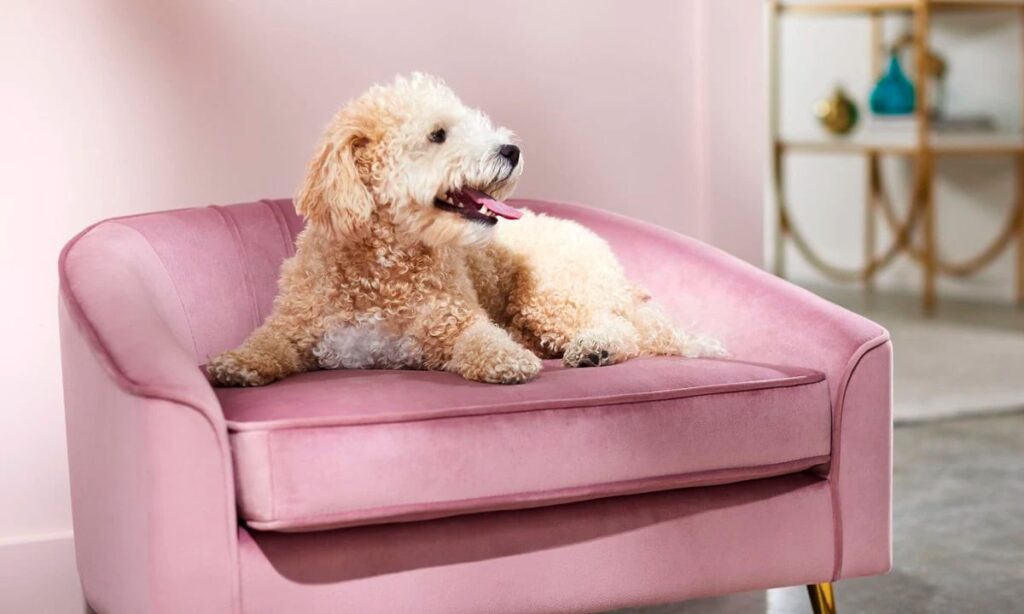
Let your pup or cat lounge in style with an elegant pink sofa bed. Or, for something a little cozier, how about a calming fleece-covered bed in cotton candy pink?,Jump to section Barbiecore Pet Beds Barbiecore Pet Clothes Barbiecore Pet Toys Barbiecore in the Kitchen Barbiecore on the Go
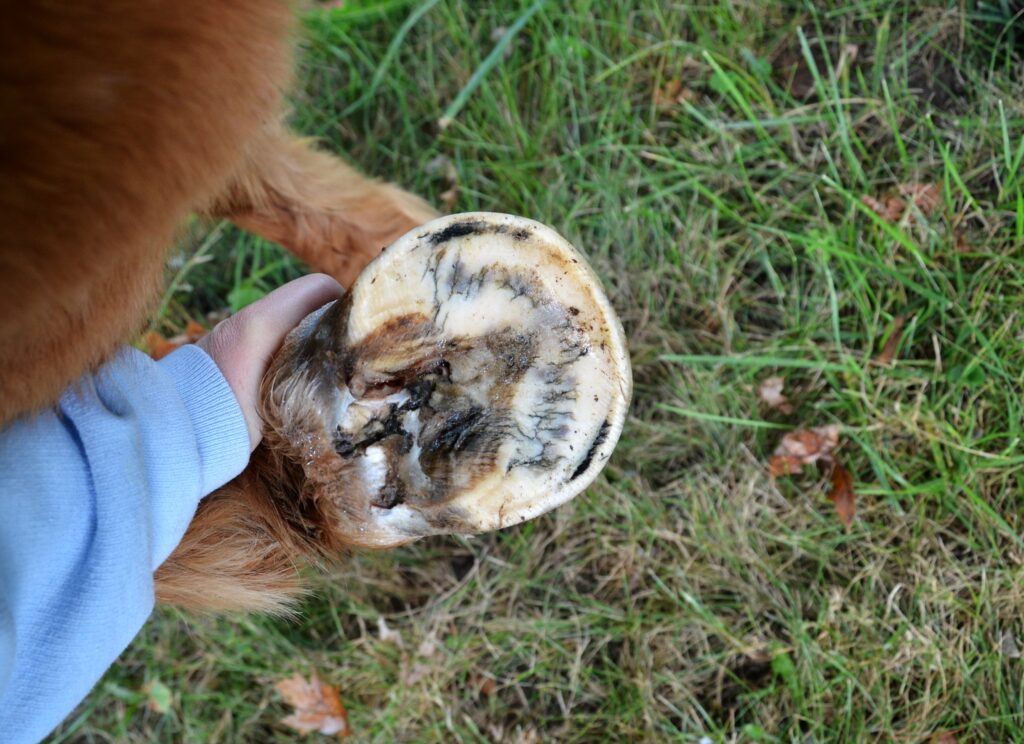
If you’ve ever cared for a horse with thrush, you can probably smell it as you read this; the foul odor of a thrushy hoof is unforgettable. Even worse, thrush infections can cause lameness in horses if left untreated. Thrush develops rapidly in moist conditions. That’s why most equestrians keep a bottle of their favorite thrush remedy on hand at all times. To banish thrush from your barn for good, though, you’ll need to focus on environment and hygiene, not just topical treatment. To learn more about thrush prevention, care, and treatment, we spoke with Natalie Lord, DVM, a large- and small-animal veterinarian at Four Paws – Cuatro Patas in Austin, Texas, and Karin Floyd Jones, a Tucson, Arizona-based barefoot trimmer at TLC Hoof Trimming.

In This Article Do Cats Love Their Pet Parents? View 2 More +
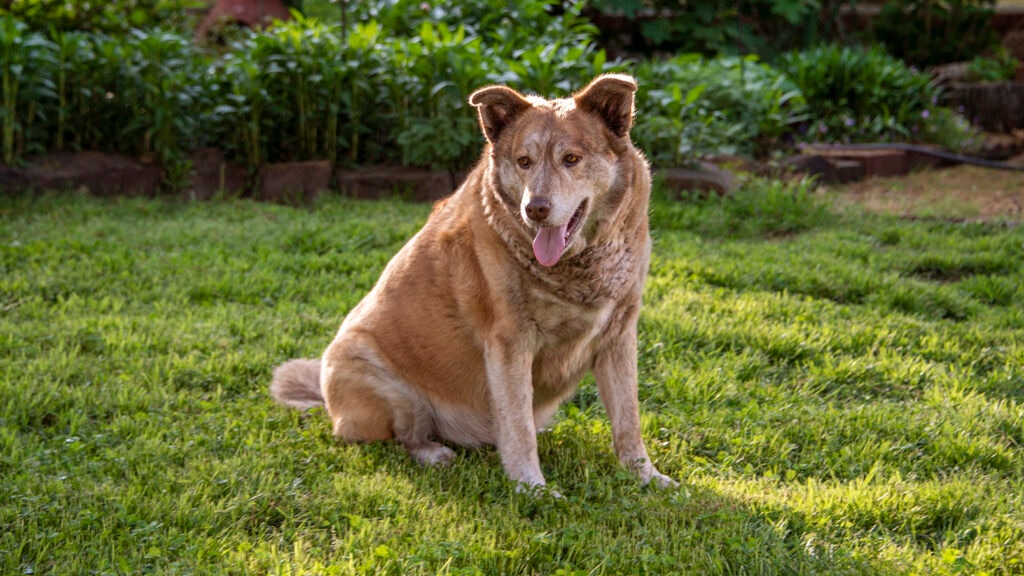
More than half of all dogs in the US are overweight, and while a chubby pup might look adorable, those extra pounds can contribute to serious health issues, such as joint problems and diabetes. So, how can you tell if your dog is overweight? And what should you do if they are? We spoke with two veterinarians to understand how to recognize, prevent, and manage dog obesity, so your pup can feel and look their best.
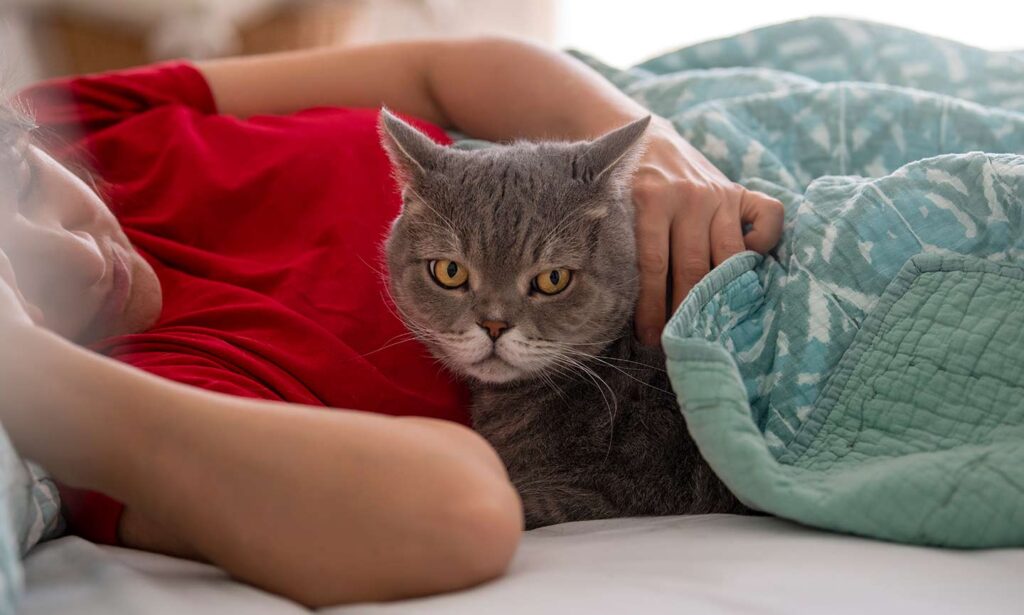
For some people, turning the clocks may mean excessive sleepiness and sleep deprivation during the spring and (finally) feeling well-rested once fall comes around. Either way, it can take some time before the body adjusts to the shift in daylight hours. But does this twice-yearly ritual actually affect our furry friends, too? Dr. Bethany Hsia, DVM and co-founder of animal end-of-life care network CodaPet, says daylight saving time change can indeed have an impact on our pets. While they may not be directly affected by the concept of time itself, she says the changes in our daily routines and schedules can have an indirect effect on their behavior and well-being. For example, dogs’ and cats’ circadian rhythms, or their body’s internal clocks, are considered to be naturally crepuscular, meaning they are most active at dawn and dusk—but they can also adjust to different sleep schedules. Domesticated dogs tend to follow their pet parents’ sleep schedules, leaning toward being diurnal, where they sleep at night and are awake during the day just like us. A study on sleep in dogs published in 2020 hypothesized this activity may reflect how our canine companions have adapted to our sleep schedules since domestication. It also found that dogs have a weaker circadian regulation with naturally shorter and more frequent sleep-wake cycles. Because of these differences when compared to humans’ circadian rhythms, dogs have greater flexibility in their sleep schedules and are more capable of adjusting to changes in routine. But though our pets are highly adaptable, they’re at their best when they have an idea of what the day holds. “Pets are creatures of habit and rely on a consistent schedule for their meals,” Dr. Hsia says. “When the clocks change due to daylight saving, their internal clock may not immediately adjust to the new feeding times.” This can lead to confusion and hunger, causing your pet to exhibit behaviors like begging for food or becoming anxious, she adds. Just as we adjust to “losing” an hour or “gaining” an extra hour of sleep, the time shift can also disrupt our pets’ sleep patterns. “Pets often have a keen sense of when it’s time to sleep or wake up based on external cues, like daylight,” Dr. Hsia says. “When the clocks change, these cues may no longer align with their internal clock, leading to confusion and potential sleep disturbances.” After moving the clock forward or backward, Dr. Hsia says pet parents should anticipate certain behavioral changes in their pets and plan accordingly. Some common behaviors may include anxiety, hunger and sleep disturbances—and understandably so. Drastic changes in routine may lead to our pets feeling especially stressed. After all, they’ve become accustomed to knowing what to expect every day. Signs of stress in pets may appear as: Loss of appetite Panting Changes in stool production Excessive grooming or shedding Excessive clinginess or avoidance Excessive vocalizing Increased sleeping Destructive behavior Potty accidents in the house Fortunately, making slight changes can make a big difference to your pet.,Jump to section Does DST Affect Pets? How To Help Your Pet Adjust to the Time Change Is Melatonin Safe for Pets? The Takeaway
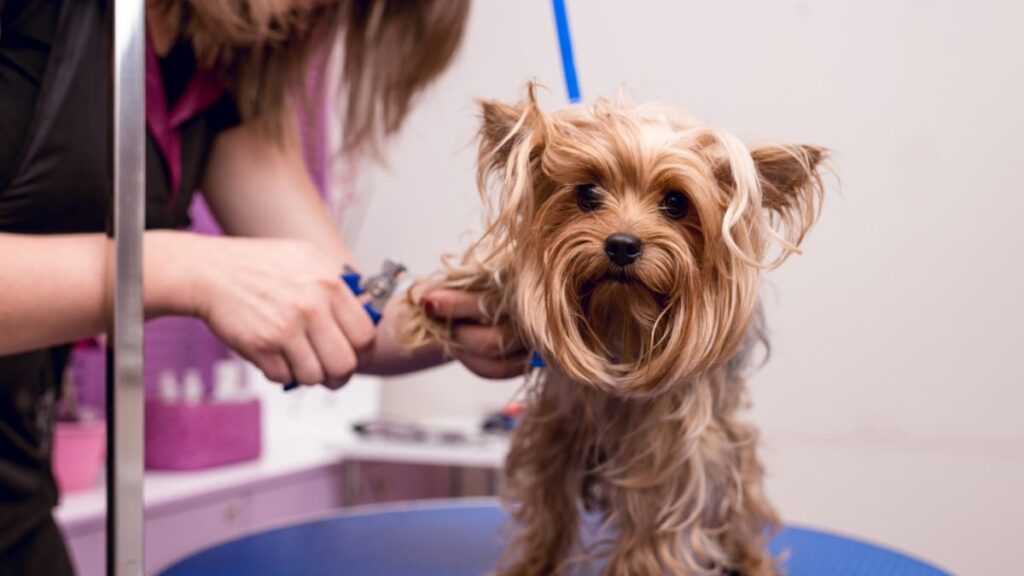
Trimming the dog’s nails is part of every grooming service unless the pet is extremely uncooperative and unmanageable, and I’m sure this is not the case with your little Yorkshire Terrier. I agree that because you have her groomed on such a frequent basis, it’s highly unlikely that her nail would have grown long enough to curl around and perforate her footpad if the groomer forgot to clip it on just one visit. In our salon, clipping the nails is job No. 1 when a pet comes in for a grooming. I find it helps if the groomer follows a routine. I always start with the left rear paw for no other reason than it works for me to be a creature of habit. Using a #10 or a #30 blade with a light and careful touch, we also scoop out any hair growing between the pads, both for cleanliness and to make sure there is no debris stuck between the pads or toes that could irritate the pet’s foot. While doing this, we get the opportunity to observe the nails again and make sure we trimmed them all. However, a Yorkie is a tiny dog, weighing only four to seven pounds and standing six to eight inches tall, so it’s not inconceivable that your groomer may have missed one of your pet’s nails. I think the rather offhand explanation you reported that she gave did leave a lot to be desired but that’s probably more about her communication skills than her grooming. Groomers are human and they occasionally make mistakes and your pet has been going to this person since early puppyhood without any other problems. Would you consider talking this over with her once more to explain your understandable concerns about your little pet? A perforated footpad is not a minor thing. The wound it causes can easily become infected and should be checked by the vet who may prescribe an antibiotic to prevent or treat any resulting infection. Your groomer may have been rushed or stressed the day this happened and she may now be now be having second thoughts about losing you as a customer. Most reputable groomers would offer to reimburse you for the vet visit or offer a credit towards future grooming services. The nail in question that was not cut may have been a “dew claw,” located a short distance above the inside of one of her front feet (sometimes rear feet as well). Since dew claws are not exposed to friction from walking on hard surfaces, they often grow longer and can easily be missed if you don’t go looking for them, especially if the dog has a full or long coat. Such neglected dew claws will often grow into a full circle, becoming ingrown. At that point, the way to cut them is to use a scissor-type nail trimmer and clip in the middle of the circular nail. Once you pull the nail portion out of the skin, you need to apply hydrogen peroxide or antibiotic cream and for safety’s sake, I would still recommend a trip to the vet. Clip your dog’s nails with dog nail clippers every four weeks or so. Elongated nails raise several health issues. In addition to becoming painfully ingrown, they can affect the comfort and health of dogs, making it difficult to place their full body weight on their feet without pain. As a result they may develop sore feet, legs and hips. In addition, their toes may become permanently splayed, ruining the foot’s neat, tight appearance but more importantly, making walking and running such a painful experience that it impacts their quality of life.,Q.
What Is a Horse Whisperer? Your Guide to Natural Horsemanship

The 5 Best Winter Dog Sports and Activities to Try With Your Pup