You’re Not a Bad Pet Parent if Your Dog is a Loner
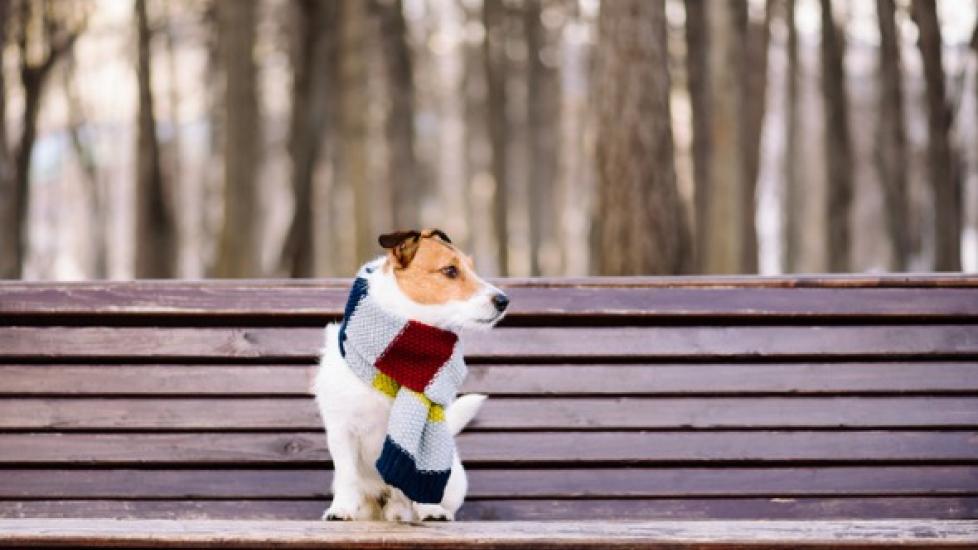
WRITTEN BY Victoria Schade, CPDT-KA Animal Trainer,Image via iStock.com/alexei_tm By Victoria Schade It doesn’t take much to win a dog’s unconditional love, and that’s one of the reasons we cherish them as companions. Most dogs are driven to try to make friends with everyone they meet, both canine and human. Their boundless affection and dog socialization skills are inspiring! But not all dogs like to make friends. Some dogs might be closely bonded with their family but don’t want to connect with anyone else. They’re well-adjusted, happy dogs, but they seem to prefer being introverts, chilling on their own instead of joining the crowd. Because this feels so un-dog-like, pet parents might wonder if they did something to cause their dog’s standoffishness. But loner dog behavior can be a product of nature or nurture, or a combination of both. If your dog is healthy and content and acts appropriately around other dogs and people, it’s actually no reason for concern. The Difference Between Aloof and Fearful Responses It’s important to first distinguish between a reserved dog and a dog that’s fearful, as the reactions can look similar at first. While both dogs might be reluctant to approach strangers, aloof, loner dogs will likely regard someone they don’t know from a distance without retreating, or might quickly sniff the person and then move on to avoid further contact. A fearful dog might cower, run away or try to hide when approached by an unknown person. Similarly, loner dogs usually don’t initiate interactions with other dogs. They might allow a dog to do investigative sniffing and reciprocate, but they’ll rarely respond to play requests. These are the dogs at the park that prefer to investigate the perimeter rather than getting their paws dirty in the scrum. On the other hand, a fearful dog might retreat before another dog can get too close, or preemptively bark to prevent the dog from approaching.