Cat Vomiting: Causes, Types, and What to Do
In This Article Why Is My Cat Throwing Up? View 8 More +


Cats
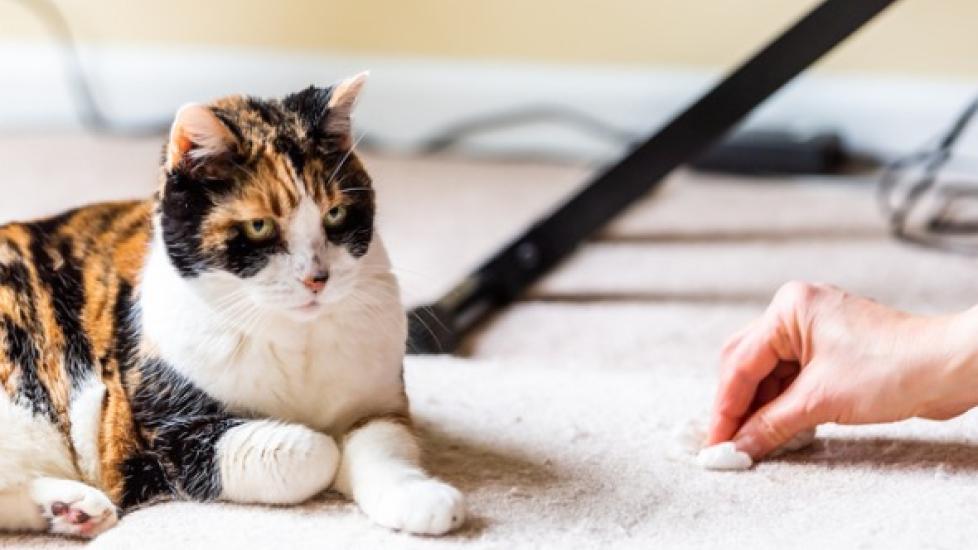
In This Article Why Is My Cat Throwing Up? View 8 More +

Here’s the short answer: Flea dirt is a mix of blood meal and flea feces, says John Howe, DVM, president of the American Veterinary Medical Association. Essentially, it’s the waste fleas leave behind after they consume your pet’s blood. Now that you know what flea dirt is, take heart. There is one good thing about this icky stuff: It’s easy to find. Fleas can be difficult to spot, because they are so tiny and move quickly. Flea dirt, on the other hand, stays in one place, making it an obvious warning sign. Finding flea dirt on cats or dogs may actually help you realize there’s a flea problem before it gets out of hand.,Jump to section So, What Is Flea Dirt Anyway? What Does Flea Dirt Look Like? Does Flea Dirt Mean an Infestation? How To Get Rid of Flea Dirt Is Flea Dirt Harmful to Humans?
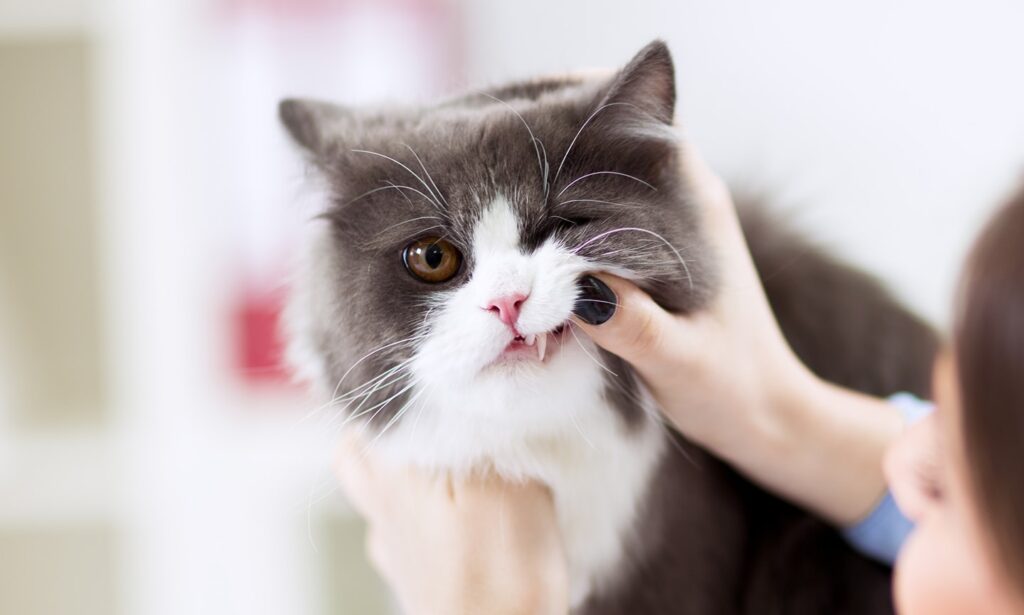
Simply put, gingivitis is inflammation of the gum tissue, or gingiva, surrounding the teeth. Gingivitis is the precursor to periodontal disease, a condition found in the vast majority of adult cats and dogs. In fact, according to the organization International Cat Care, 85 percent of cats aged 3 and older have some type of dental disease. Not only is gingivitis one of the most common dental disease found in cats, but leads to periodontal disease, which is actually the most common disease, in general, for cats: Every cat is prone to developing periodontal disease, which is caused by gingivitis. But some purebred cats, such as Persians, British Shorthairs and Siamese, are more predisposed to develop it. Some cats will even develop gingivitis at a young age; this is called juvenile-onset gingivitis. But is gingivitis contagious in cats? While the condition itself isn’t contagious, some causes of gingivitis can be contagious. We’ll discuss that in more detail later.,Jump to section What Is Gingivitis in Cats? Cat Gingivitis Symptoms Cat Gingivitis Stages Cat Gingivitis Causes When to Go to the Veterinarian Cat Gingivitis Treatment How to Prevent Gingivitis in Cats

In This Article Why Do Some Cats Eat Litter? View 4 More +
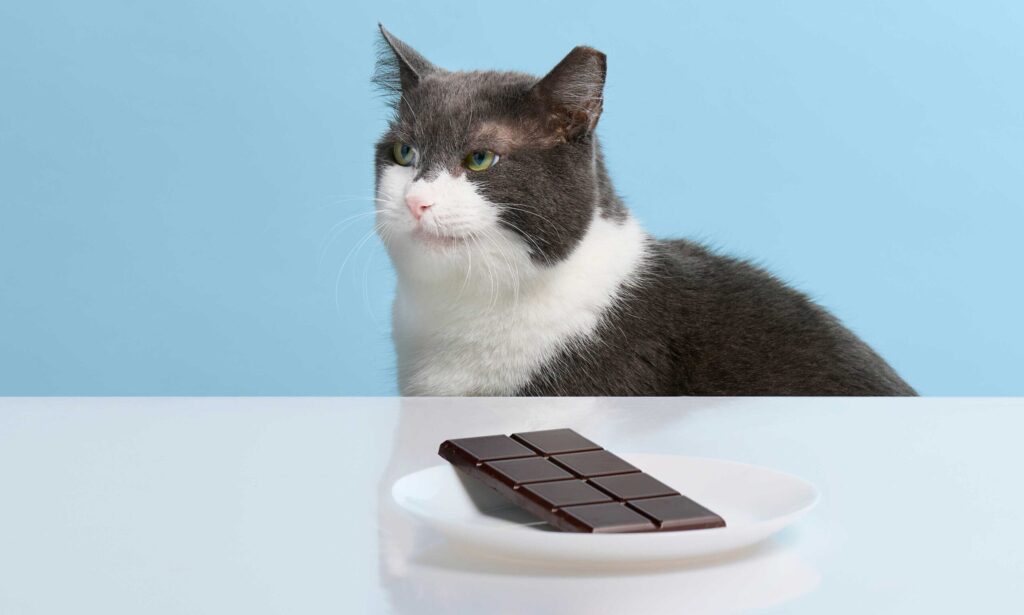
Jump to section Why Is Chocolate Unsafe for Cats? How Much and What Kind of Chocolate Is Harmful to Cats? Uh, Oh—My Cat Ate Chocolate, What Do I Do? How Do I Prevent My Cat From Eating Chocolate? FAQs About Chocolate and Cats

So, you want a pet lizard—but which lizards make the best pets? From species to species, each type of lizard has its own unique shape, size, and colors—and each one has its own personality that we can learn from and bond with. Whether you’re a longtime reptile keeper looking for a new pet or considering bringing home a lizard for the first time, it’s important to do your research so you can find the best pet for you. From popular types of geckos to bearded dragons and chameleons, we’re showcasing the best pet lizards as recommended by reptile veterinarians.
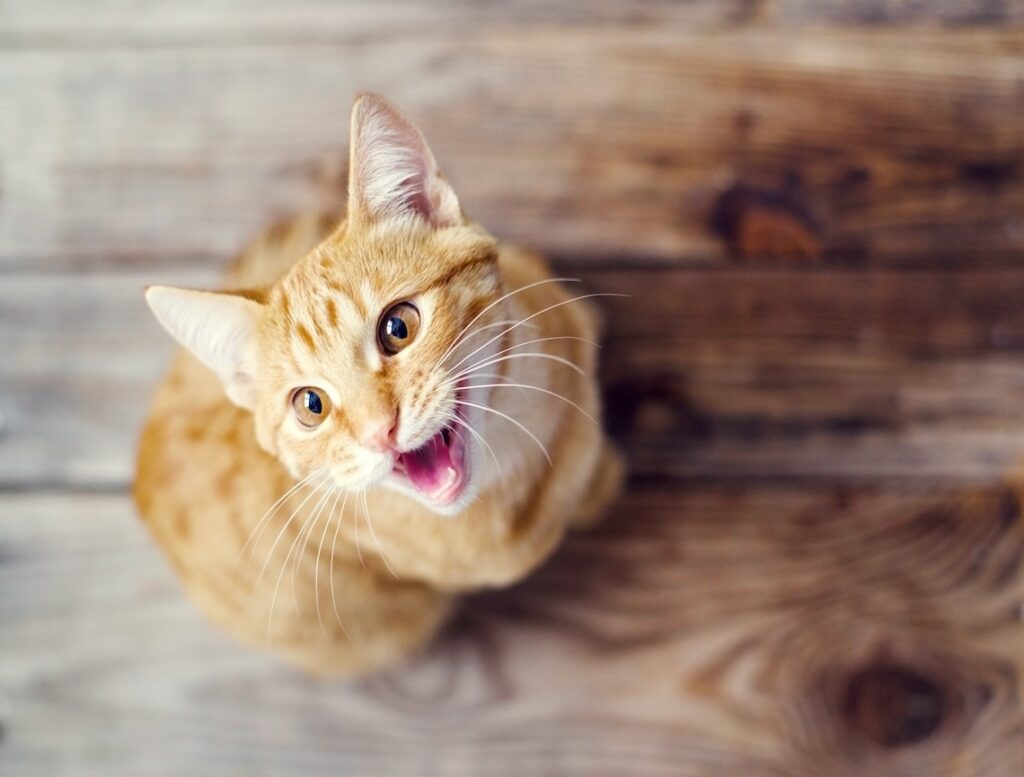
Adult cats mostly meow to communicate with humans, not with other animals. This means your kitty has basically developed their own language to communicate their needs to you. But what are they trying to say?,Jump to section Why Do Cats Meow? But Why Is My Cat Meowing So Much? When To Worry About Cat Meowing

An increasing number of people are interested in cleaning products deemed “non-toxic” or “natural,” so it’s no surprise that pet parents might look for chemical-free or non-pharmaceutical options when it comes to fleas and their pets. After all, some cleaning products are dangerous for our pets. A quick internet search will reveal a plethora of websites with information about “natural” ways to rid your home and pets of fleas, but we always need to proceed with caution whenever choosing anything to use on or around our pets. Note: The best way to stop fleas is with prevention. It’s much easier to stop these pests from entering your home than it is to get rid of them once they’ve arrived. Speaking with your veterinarian about the best flea and tick product for your pet and creating an individualized prevention plan is our number one recommendation.
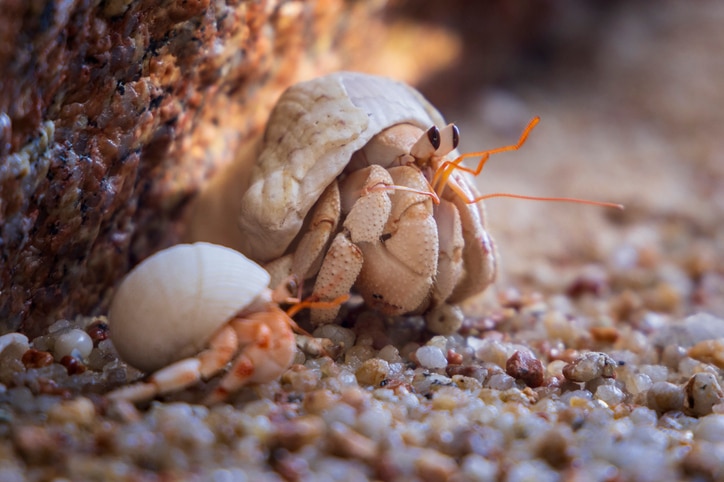
When you first bring home a tiny hermit crab, it’s hard to imagine just how long these little crawlers can stick around. In the wild, hermit crab life expectancy can stretch for decades, but most crabs kept as pets have shorter lifespans. The good news? With the right setup and care, you can give your crab a much better chance at living a long, healthy life in captivity.
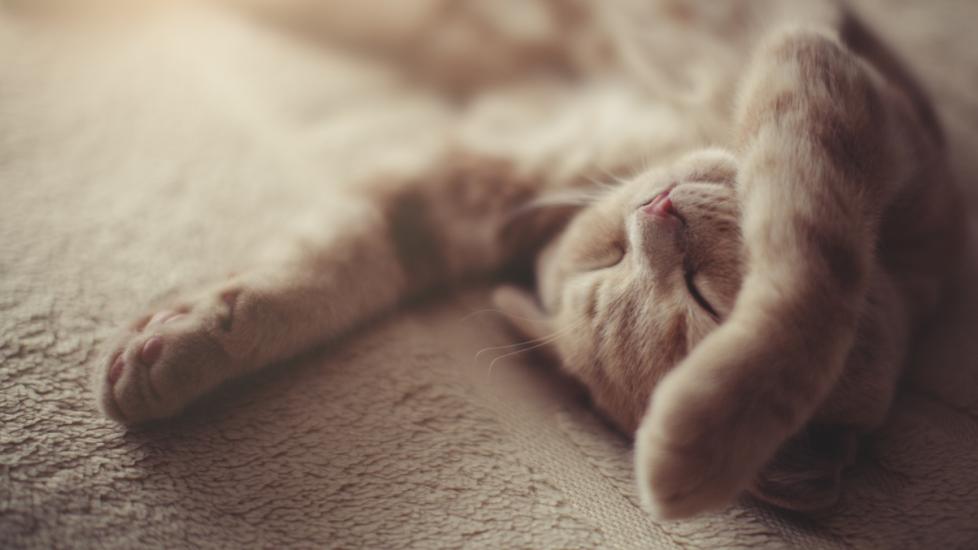
3. Side Sleeping Cats also like to sleep on their side, with their legs stretched out. Similar to sleeping on their back, your cat’s vital organs are exposed in this position. Again, this means your cat is very comfortable with you. However, sleeping on their side makes it easier for your cat to jump up and/or run if they need to. As prey animals, having this escape option acts as a bit of insurance, helping your cat to get a restful sleep.,4. In a Loaf Shape This position resembles the shape of a loaf of bread. Cats sleeping in this position keep their front paws curled underneath their body, with their head up. This position preserves a cat’s body heat and protects their vital organs. Cats sleeping in a loaf position may be relaxed, but they are also poised to spring into action and use their claws if they’re suddenly in danger.,Cats sleep up to 16 hours a day—sometimes even more as they age. You’ve probably found your cat sleeping in a number of different positions, and some of them may be pretty strange. So what does it mean when your cat sleeps curled up versus right next to your head? Much of a cat’s sleeping behavior stems from social tendencies. Despite their reputation as aloof, cats can have social connections and form bonds with pet parents and other pets. They also seek out warmth from body heat while sleeping, leading cats to sleep on you or next to you. Often, pet parents will incorporate a heated cat bed to help with this.


What Is a Horse Whisperer? Your Guide to Natural Horsemanship

The 5 Best Winter Dog Sports and Activities to Try With Your Pup