Deworming Kittens: Why It’s Important and When To Start
In This Article How Do Kittens Get Worms? View 6 More +


Cats
In This Article How Do Kittens Get Worms? View 6 More +
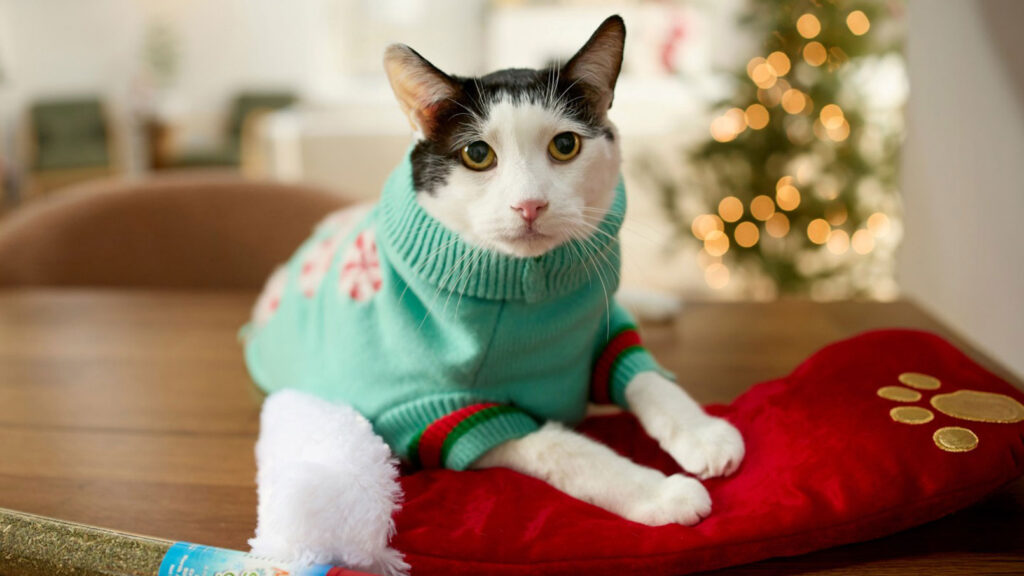
Whether they’ve been naughty or nice, your feline family member deserves some festive cheer this holiday season. From a fully stuffed stocking to a small surprise tucked under the tree, we’ve rounded up the best cat stocking stuffers for 2025. Holiday-themed toys and tasty treats alike, these fun-sized gifts are sure to make your cat’s season merry and bright.

Who says you can’t take your pup along with you to the beach? Well, OK, there are some rules about that, but you can definitely take her to the dog beach! It’s a magical place where dogs can take their humans to soak up some rays, play water games and mingle with fellow dog lovers.,If no one’s said it yet, happy Father’s Day! You’re doing a great job as a pet parent. Some may argue that it’s not the same as having a child, but pet lovers would disagree. It’s a pretty big job, taking care of a pet. There’s the monthly (or weekly) ordering of pet supplies, the vet checkups, the worrying when they ate something they shouldn’t, the dropping off at the doggie daycare—just to name of few of the duties of a pet lover.

In This Article Summary View 7 More +
Mismothering in Female Cats

In This Article Why Are Introductions Important? View 7 More +
Music can be calming, energizing, and inspiring for people—but what about cats? Do cats like music? The short answer is that many cats do, but their taste in music is different from a human’s. Below, experts weigh in on feline music preferences, plus how you can tell if your cat is enjoying the sounds around them.
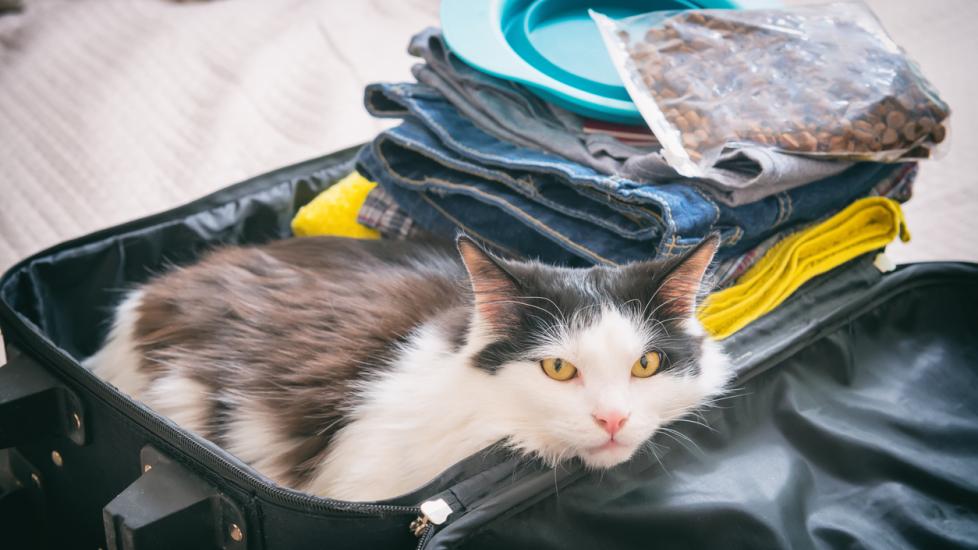
Pack Their Own Litterbox if Possible When going on a road trip, it’s helpful to bring a familiar litterbox and litter from home if you can. Cats are very sensitive to scents, and asking your cat to use a different type of litter or litterbox may lead to accidents on the road or at your destination.,Bring Along Favorite Toys and Blankets Just like you, your cat will appreciate having some of their favorite items from home when traveling. A favorite blanket or bed, familiar toys, and their own food and treats will make your trip more enjoyable and less stressful for both of you. Additional Tips Make sure to ask your veterinarian if your cat needs any vaccinations, bloodwork, or special documentation before you travel. This is especially important if you plan to travel outside of the United States. Requirements imposed by some foreign countries may require several months of advance planning, so do your research. Whether traveling by car or airplane, take along proof of vaccinations and ask the airline or state/country of destination what other documentation is needed, such as a health certificate or certificate of veterinary inspection. Always be sure your cat has identification in case you get separated. Having your cat microchipped and wearing a collar with an ID tag with your contact information will aid in reuniting you if you become separated. Remember that traveling with your cat can be quite enjoyable for both of you, with the right preparation. Featured Image: iStock.com/humonia,If you are lucky enough to live with a cat, you are most likely aware of their desire for routine with as few surprises as possible. Cats are generally attached to their home environment, where they feel safe and secure. However, it may be necessary to travel with your cat, and there are many things you can do to ensure that it is as pleasant as possible for both of you. Preparation is definitely the key! Make Sure You Have the Correct Cat Carrier There are many types of cat carriers available, but an ideal carrier has a front and top opening to give you and your cat options for entry and exit. It is also nice to be able to remove the top of a hard-sided carrier for a couple of reasons: It offers a less stressful way to remove your cat from the carrier (do not “dump” your cat out of the front opening). You can place a cozy blanket in the bottom of the carrier and place the carrier in a quiet spot in your home with the top off. Allow your cat to check out the carrier before you travel; this can make going into the carrier just another part of your cat’s normal routine. Get a carrier large enough for your cat to stand up and turn around in. If your cat is a larger breed, such as a Maine Coon, you may need to use a carrier designed for dogs to ensure that it’s big enough. Many cats also like having a blanket draped over the carrier to block out stress-inducing visual stimuli when traveling.
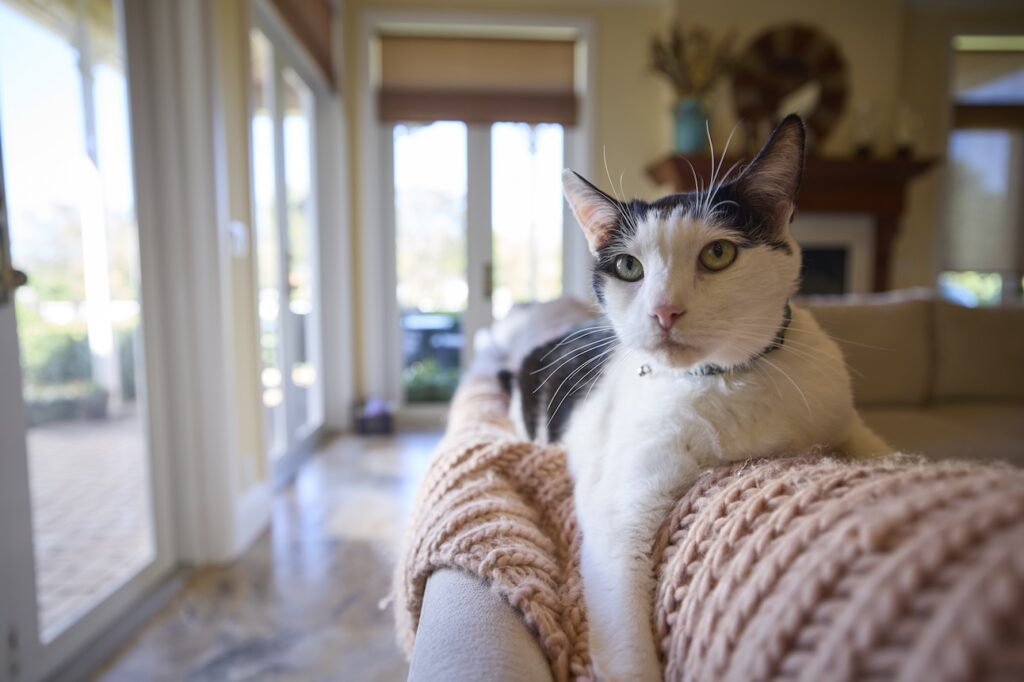
Cats come in all shapes, sizes, and colors. But if you’ve ever scrolled through adoptable cats, you might’ve seen one type more than any other: the domestic shorthair (DSH), along with their fluffier counterparts, the domestic medium hair (DMH) and the domestic longhair (DLH). But what is a domestic shorthair cat? Most cats in homes and shelters are domestic shorthairs, and DSH isn’t a breed.
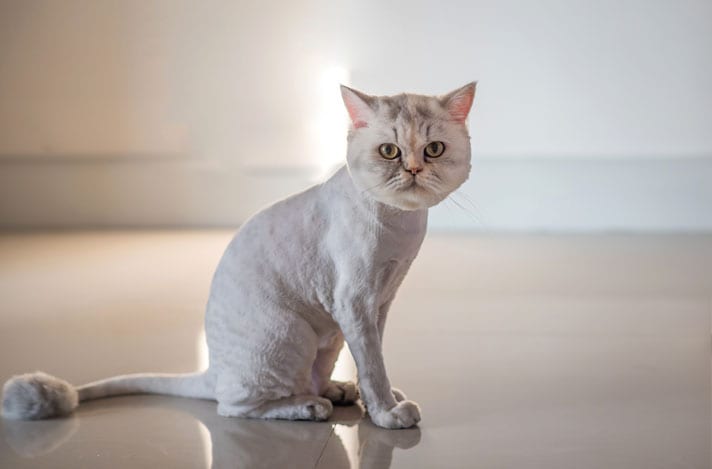
When someone calls me to make an appointment to have their cat groomed, about 50 percent of the time they are requesting to have their pet clipped in what is known as a “lion cut.” Arguably one of the most popular and familiar styles for pet cats, the lion cut consists of a very short trim from the shoulder blades down the back, sides, thighs and underbelly. Normally, the tail is clipped close as well, leaving a tuft on the end. The legs may be clipped about half way down, leaving the lower legs fuller and looking a bit like the cat is wearing fluffy boots. The fur on the neck, head and chest is left full, resembling a lion’s mane. Pet owners can request variations on this theme. For instance, some choose not to have the tail clipped, or to clip more of the neck and chest, reducing the amount of long mane that is left. Many pet owners report that their cats seem happier and more playful after they have a lion cut, and this fact alone keeps them coming back for regular appointments. Think your cat could benefit from a lion cut? Read on for some pros and cons of this trending trim.


What Is a Horse Whisperer? Your Guide to Natural Horsemanship

The 5 Best Winter Dog Sports and Activities to Try With Your Pup