What Is Catnip and What Does It Do to Cats?
In This Article What Is Catnip? View 7 More +


Cats
In This Article What Is Catnip? View 7 More +
In This Article Can Cats Understand Words? View 3 More +
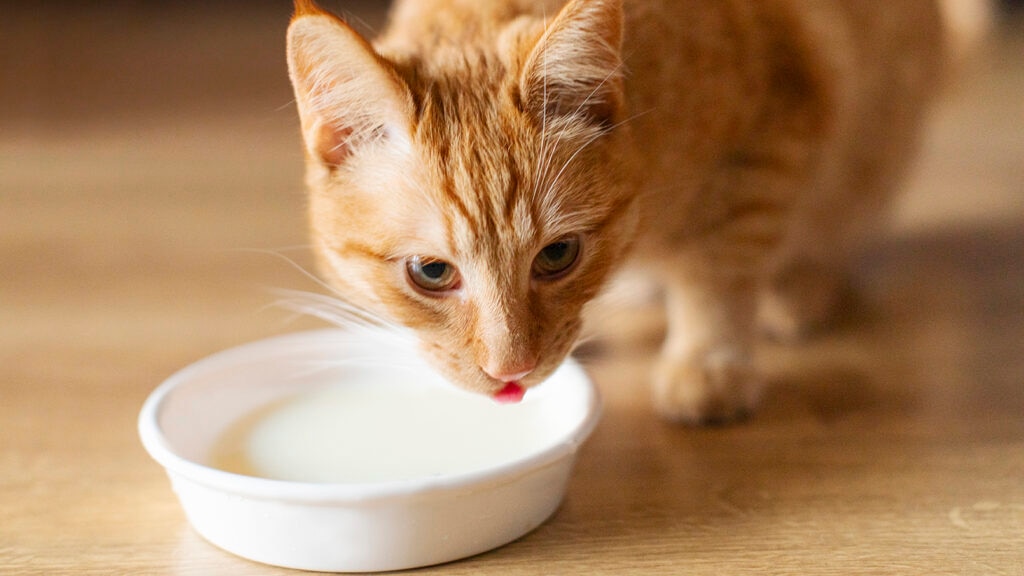
A cat lapping up milk from a saucer is a classic image. (We blame you, “The Aristocats”!) Cats love the taste of milk, but is regular milk bad for cats? Are cats lactose intolerant or can some handle dairy without issues? Let’s find out whether milk and cats are a purr-fect match—or a recipe for tummy trouble.
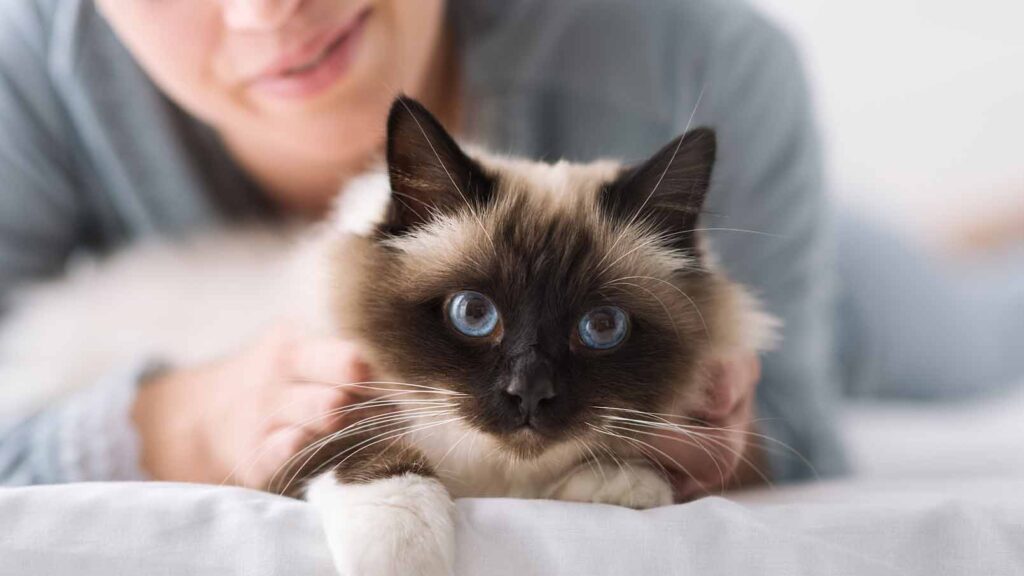
Want to know the best way to start a catfight? Just suggest that your favorite breed is the world’s friendliest, and you’ll hear instant hissing from others who champion their own furry faves. All jokes aside, there really are some standouts on the natural feline friendliness scale. Jacqui Bennett, who handles the Cat Fanciers Association Education Ring and is a longtime all-breed judge, kindly spoke to us about her expert views. As a breeder of Ocicats, Bennett lives with multiple kitties — including a Maine Coon and a rescued Persian — and while she agrees that all cats are unique and wonderful in their own way, according to her experiences, one of the following breeds, in particular, just might become your new BFF.
In This Article When To Begin View 4 More +
Ever wonder why cats behave like they do? Bust the myths and find out why. Did you know cats played a large role in ancient Egyptian society? They even became deities; Mafdet (goddess of justice) and Bast (goddess of war). While these creatures aren’t placed on such a high pedestal today, there is still an aura of mystery and a particular presence cat carry. Even their behavior is quite dissimilar to that other favorite domestic pet, the dog. With a little understanding of the feline “way,” you’ll discover their behavior isn’t so strange after all. For instance, you might not have known that feral (wild) cats have their own territories and are responsible for their own food, water and safety. This autonomy and feeling of self-preservation is also seen in domesticated cats to a certain degree. Some people may even call cats aloof or unfriendly because of this. However, for all the times you find your cat alone doing “cat things” (perhaps plotting to kill that evil dust bunny lurking in the corner), there are plenty of occasions when your cat is quite social. Let’s take a cat’s sense of affection, for example. Cats know when their owner is coming home and are often found waiting patiently by the front door when the owner arrives. Most cats also love to jump on laps and be cuddled and stroked, while others are content to sit nearby their human companion. And some cats are even high-tech, loving to help with any computer work — though this usually consists on sitting on the keyboard or walking across it. What of their territorial instinct? Yes, we all know how cats will spray an area in order to “mark” it. (This is obviously a no-no anywhere in your home, and we’re not condoning this.) But did you know cats rub their heads against objects and humans alike? Similar to lifting a leg and spraying, rubbing their scent on things is another way of marking property. Now, if you happen to have someone over who’s not into cats — I know it sounds crazy, but there are those kinds of people around — you might suggest that they allow themselves to be rubbed by the cat. Brushing the cat away will only annoy it, and make your guest a kitty foe. What of their laziness? Cats are often labeled “lazy” because they like to sleep for about sixteen hours a day. But they are almost never completely asleep during that time. Make a sudden noise or movement, and you’ll find your cat alert and with its eyes open, watching you. Big cats in the wild sleep the same way. The cat is a natural hunter that needs to conserve energy for quick, intense movements in order to catch prey. How about ankle-level attacks? If you’ve ever found yourself walking through a room (especially past a table), and suddenly — pow! your ankle has been captured, don’t worry, your cat is not angry or even maladjusted, it is merely playing with you. In fact, you may notice that there wasn’t much nail in that swipe, your cat isn’t out to hurt you. Cats are just playful creatures that love to hone their hunting skills, and you have just become a passing target. Lucky you. Thankfully, you can avoid any future assaults by distracting kitty with some feathers or other “chase and catch” type toys. Play with your cat for a little while. Your cat will absolutely love you for it. And more importantly, you’ll have fever “love” scratches. So, we’ve busted some myths. Strange cat behavior isn’t that strange after all. It is merely natural instincts coming through. And just because we don’t put cats on pedestals anymore doesn’t mean they don’t like it up there. Indeed, you’ll find that the higher the pedestal, the happier your cat will be. Just make sure your cat has something to play with up there — or watch out! Image: d. FUKA / via Flickr
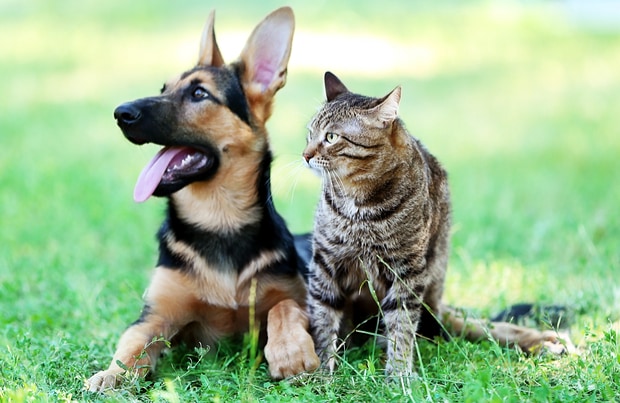
Intelligent, loyal and vocal, Turkish Angoras are devoted to their families and love being involved in whatever you’re doing. They’re playful, mischievous and determined, making them well suited for a home with lots of activity. The breed is also known for its swimming skills and may even take a dip every now and again on their own terms, of course.),Looking for a pet with all of the low-maintenance care of a cat but the affectionate personality of a pup? Consider one of these breeds that’ll be sure to please even the most devoted dog people with their playful, friendly personalities.)

Adverse Reactions of CBD Use in Cats Adverse reactions to CBD are relatively rare, but some potential symptoms that could occur are: Sedation or drowsiness Gastrointestinal upset (nausea, vomiting, diarrhea) Changes in behavior (pacing, restlessness) If you notice any unexpected or concerning symptoms after administering CBD to your cat, it’s recommended to discontinue use and seek guidance from a veterinarian.,Should you Give Your Cat CBD for Pain? When considering CBD for your cat’s pain, consult with a veterinarian. They can assess your cat’s condition, discuss potential risks and benefits of your treatment plan, and suggest alternative pain management or complementary therapies for a holistic approach to pain relief. Below are some areas we may see benefits from CBD use: CBD has been studied for its potential anti-inflammatory properties; it may help reduce pain by stopping inflammatory responses and decreasing pain perception. A study conducted in 2018 investigated the use of CBD in dogs with osteoarthritis. While the study focused on dogs, osteoarthritis is also a common condition in cats. The results showed that CBD oil reduced pain and improved mobility in the affected dogs. Neuropathic pain, resulting from nerve damage, is another type of pain that cats may experience. Studies on rodents and humans have indicated that CBD may have potential in managing neuropathic pain.,Cannabidiol (CBD) has gained attention as a supplement for humans, and now animals due to its potential therapeutic benefits. CBD is a compound derived from the cannabis (hemp) plant that is known for its interaction with the endocannabinoid system, which plays a crucial role in regulating various physiological processes in the body. While scientific research on CBD usage specifically for cats is limited, there is growing interest in exploring its potential applications for managing various health conditions, including pain, anxiety, inflammation, and behavioral issues.
In This Article What Is Overgrooming in Cats? View 3 More +
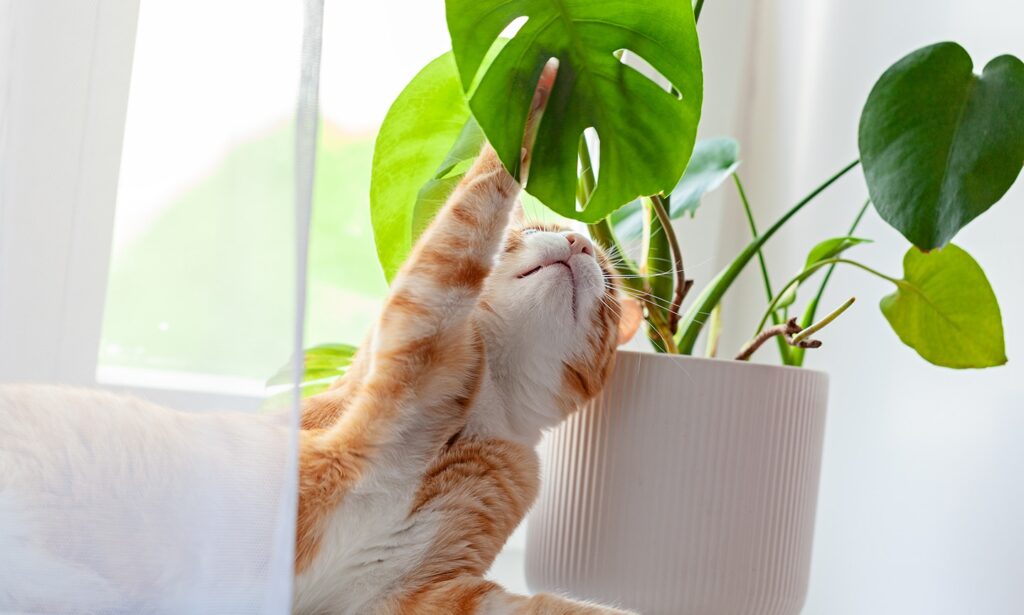
Jump to section 18 Common Plants Poisonous to Cats What To Do if Your Cat Eats a Toxic Plant Plant Safety for Cats


What Is a Horse Whisperer? Your Guide to Natural Horsemanship

The 5 Best Winter Dog Sports and Activities to Try With Your Pup