How Much Does It Cost to Spay a Cat?
In This Article What Is a Cat Spay? View 3 More +


Cats

In This Article What Is a Cat Spay? View 3 More +

In This Article Do Cats Love Their Pet Parents? View 2 More +
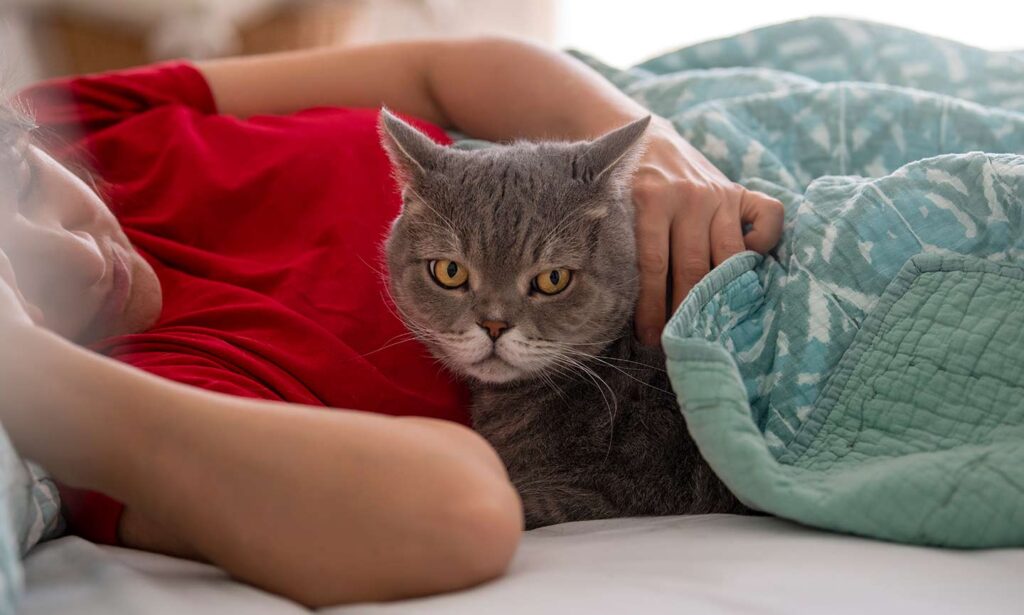
For some people, turning the clocks may mean excessive sleepiness and sleep deprivation during the spring and (finally) feeling well-rested once fall comes around. Either way, it can take some time before the body adjusts to the shift in daylight hours. But does this twice-yearly ritual actually affect our furry friends, too? Dr. Bethany Hsia, DVM and co-founder of animal end-of-life care network CodaPet, says daylight saving time change can indeed have an impact on our pets. While they may not be directly affected by the concept of time itself, she says the changes in our daily routines and schedules can have an indirect effect on their behavior and well-being. For example, dogs’ and cats’ circadian rhythms, or their body’s internal clocks, are considered to be naturally crepuscular, meaning they are most active at dawn and dusk—but they can also adjust to different sleep schedules. Domesticated dogs tend to follow their pet parents’ sleep schedules, leaning toward being diurnal, where they sleep at night and are awake during the day just like us. A study on sleep in dogs published in 2020 hypothesized this activity may reflect how our canine companions have adapted to our sleep schedules since domestication. It also found that dogs have a weaker circadian regulation with naturally shorter and more frequent sleep-wake cycles. Because of these differences when compared to humans’ circadian rhythms, dogs have greater flexibility in their sleep schedules and are more capable of adjusting to changes in routine. But though our pets are highly adaptable, they’re at their best when they have an idea of what the day holds. “Pets are creatures of habit and rely on a consistent schedule for their meals,” Dr. Hsia says. “When the clocks change due to daylight saving, their internal clock may not immediately adjust to the new feeding times.” This can lead to confusion and hunger, causing your pet to exhibit behaviors like begging for food or becoming anxious, she adds. Just as we adjust to “losing” an hour or “gaining” an extra hour of sleep, the time shift can also disrupt our pets’ sleep patterns. “Pets often have a keen sense of when it’s time to sleep or wake up based on external cues, like daylight,” Dr. Hsia says. “When the clocks change, these cues may no longer align with their internal clock, leading to confusion and potential sleep disturbances.” After moving the clock forward or backward, Dr. Hsia says pet parents should anticipate certain behavioral changes in their pets and plan accordingly. Some common behaviors may include anxiety, hunger and sleep disturbances—and understandably so. Drastic changes in routine may lead to our pets feeling especially stressed. After all, they’ve become accustomed to knowing what to expect every day. Signs of stress in pets may appear as: Loss of appetite Panting Changes in stool production Excessive grooming or shedding Excessive clinginess or avoidance Excessive vocalizing Increased sleeping Destructive behavior Potty accidents in the house Fortunately, making slight changes can make a big difference to your pet.,Jump to section Does DST Affect Pets? How To Help Your Pet Adjust to the Time Change Is Melatonin Safe for Pets? The Takeaway
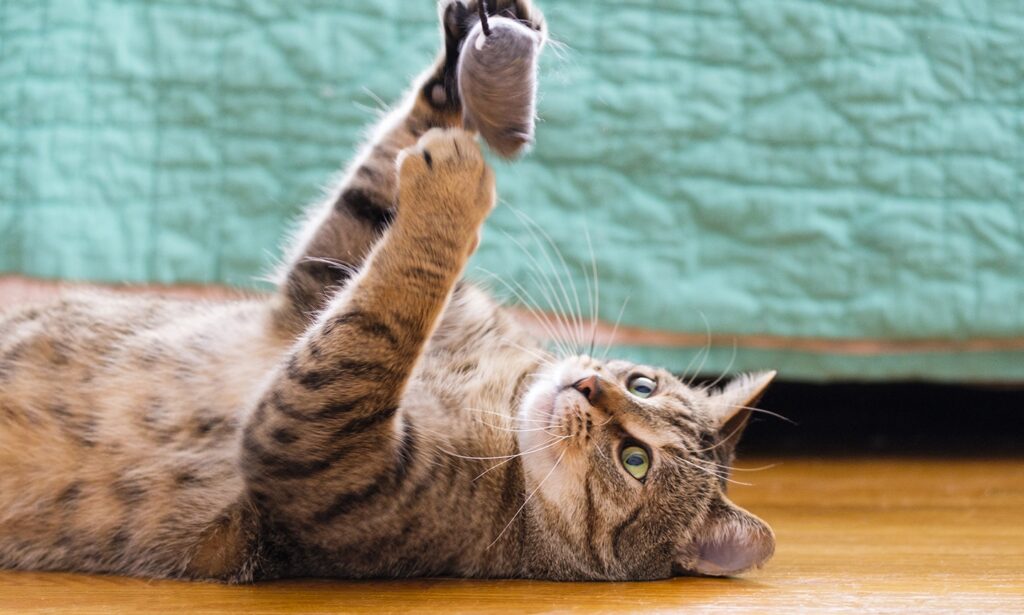
The average cat lifespan is about 12 years, according to a 2023 study. But there are always exceptions, and some cats live much longer or shorter lives, depending on various factors. In fact, some fortunate felines can live to be as old as 20, and in very rare cases, even older. The oldest cat ever on record was a tabby mix named Creme Puff, who lived to be an astonishing 38 years old! Cat life expectancy has also risen in recent years, according to studies. Over the past four decades, the average cat lifespan has risen from 7 years in a 1984 study to today’s 12-year estimate.,When you bring home a new kitten, you’re in for a life of feather wand chasing, biscuit making, and a furry shadow following you to the bathroom. It’s a lifelong commitment—but just how long can vary. No two cats are the same, and a cat’s lifespan depends on several different factors. So, how long do cats live? And how can you help your kitty live a healthy, happy life?
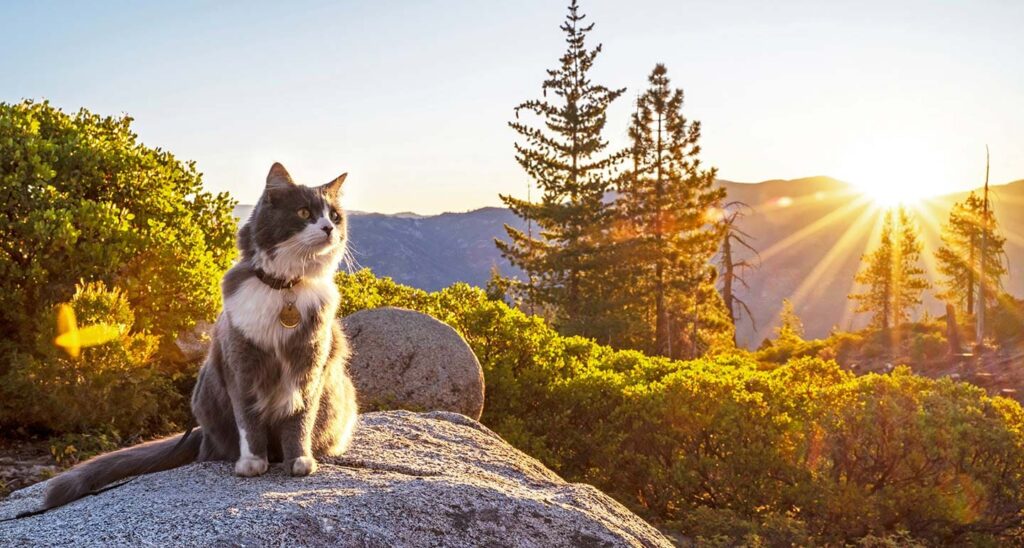
Jump to section Necessary Cat Hiking Gear 10 Tips for Hiking With Cats
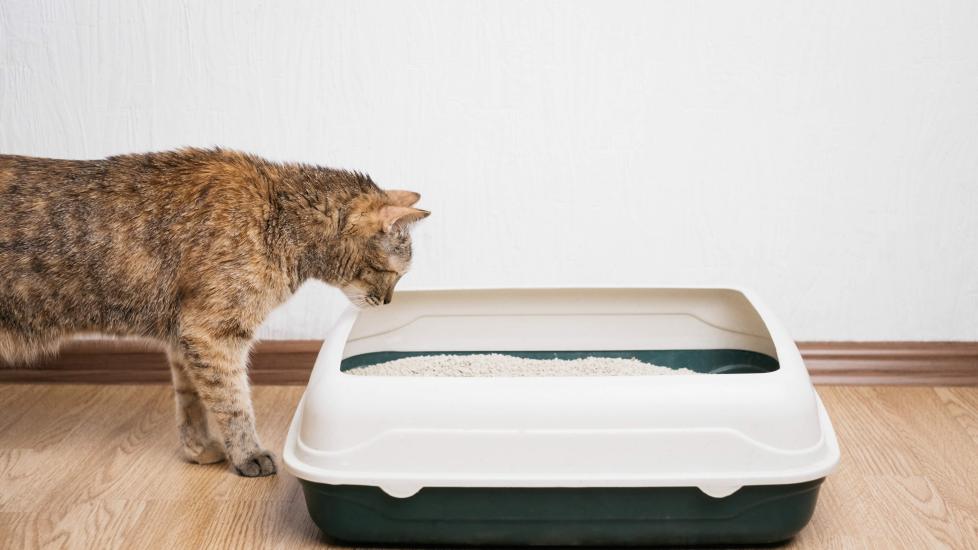
In This Article Litter Box Cleaning Supplies View 3 More +
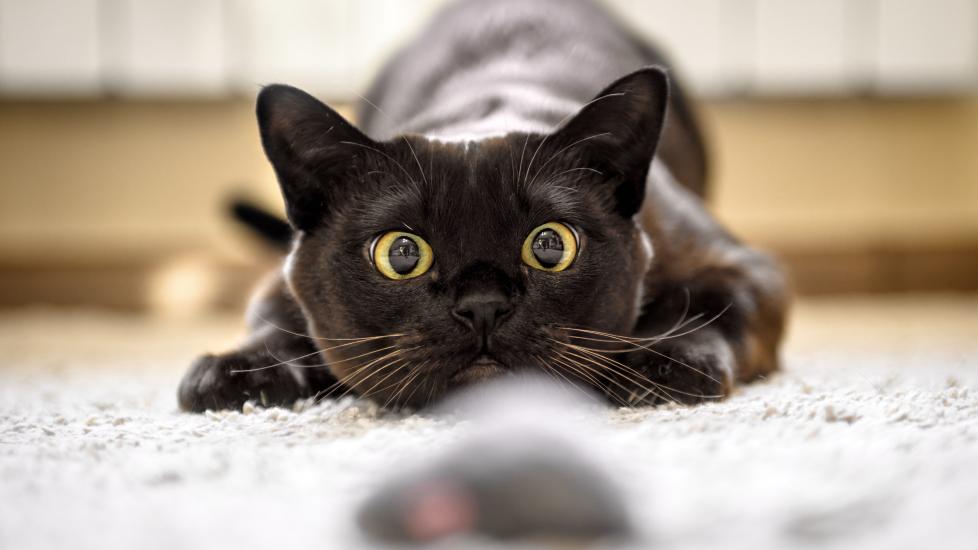
In This Article What Causes the Butt Wiggle in a Cat That’s About To Pounce? View 2 More +
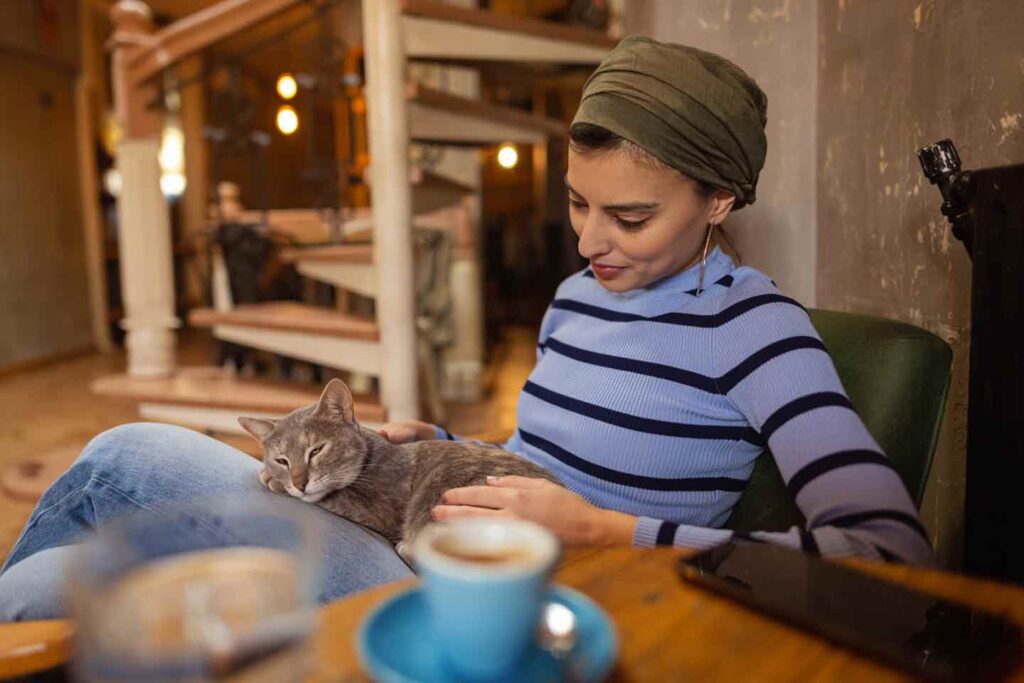
In 1998, Taiwan introduced the world’s first cat cafe, sparking a global trend in feline-friendly coffee venues. Want to check out some cat cafes on your travels within the USA? The coolest spots have: Perks for human patrons Safe animal amenities and adoption policies Easy access to a major city While we aimed to feature a cat cafe from every state, some locations lacked options, while others had tons to explore. Happy travels!
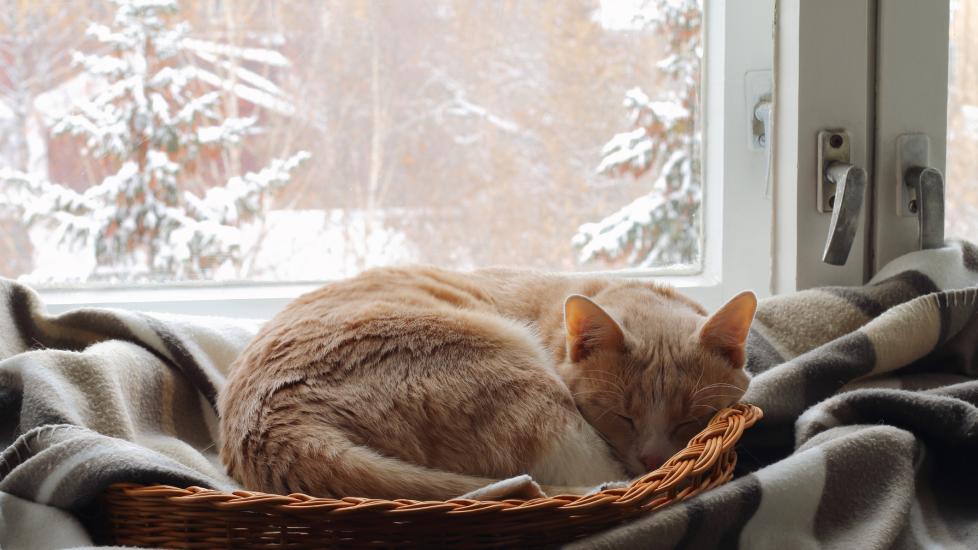
In This Article Do Cats Get Cold? View 6 More +
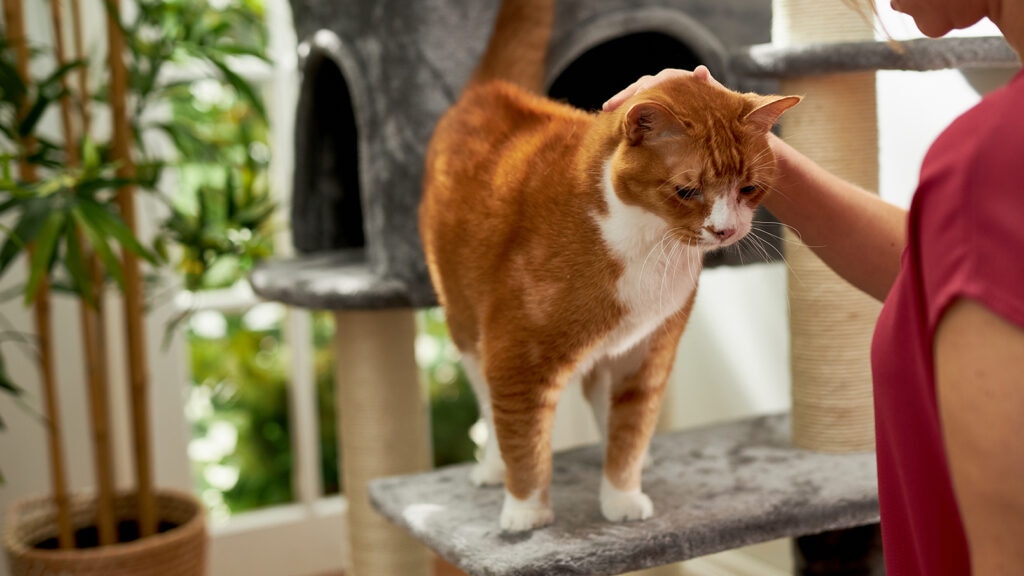
One day, you take a closer look at your cat and think, “Hmm, they’re looking a little thin.” You run your hands through their fluffy fur, and they feel leaner than usual. That’s when the concern kicks in: Why is my cat losing weight? If your cat is losing weight unintentionally, a health issue may be the cause. We spoke with two veterinarians to find out why cats lose weight, when to worry, and how to help your furry family member stay healthy.

What Is a Horse Whisperer? Your Guide to Natural Horsemanship

The 5 Best Winter Dog Sports and Activities to Try With Your Pup