The Ultimate Guide To Buying Cat Toys
In This Article Why Are Toys Important for Cats? View 3 More +


Cats
In This Article Why Are Toys Important for Cats? View 3 More +
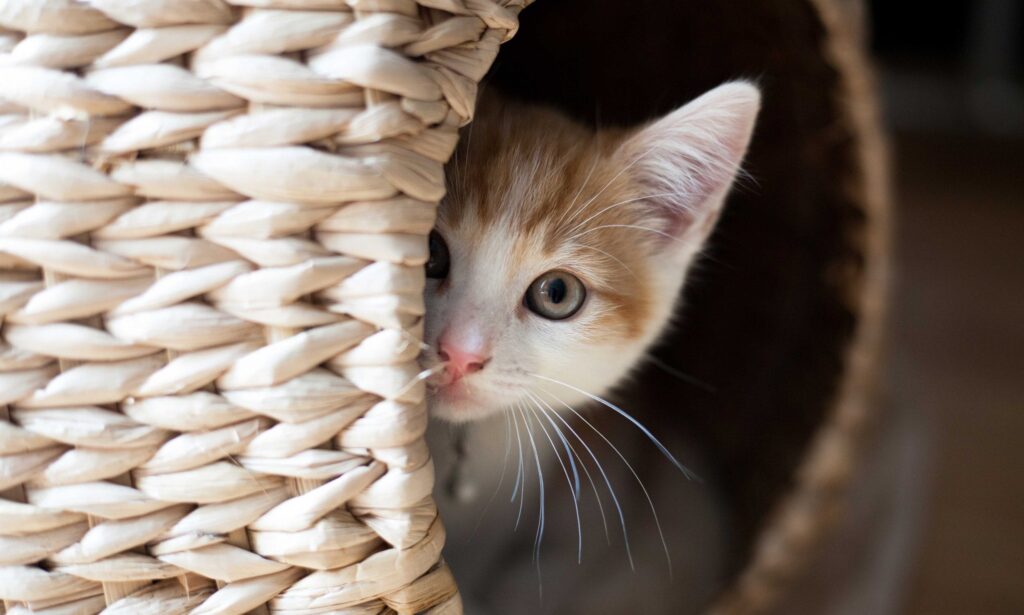
Think you might have a stressed cat? Is cat stress even a thing? Sadly, the answer to the latter is yes: Cats can feel real and chronic stress, even beyond the fleeting “I won’t get in the carrier because you’ll take me to the vet” variety that most cats feel. But don’t worry; there are ways you can help your kitty out. We enlisted the help of a certified animal behaviorist and a cat behavior expert to break down all things cat stress, including the signs and symptoms of stress, how to alleviate the stressors in your cat’s environment and more.

In This Article How Many Cat Years Are in a Human Year? View 3 More +

Jump to section New Kitten Checklist Kitten-Proofing Your House

In This Article Do Cats Smile? View 8 More +
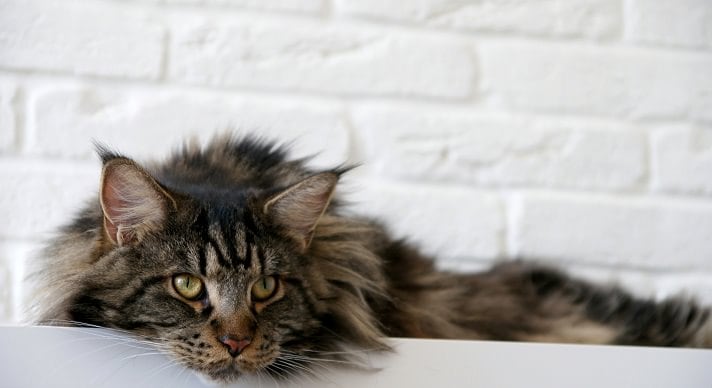
The stunning Maine Coon cat is not really a cross between a raccoon and a domestic shorthair, but there’s a good reason people used to suspect it. When I was growing up in Maine, everyone “knew” Maine Coon cats were half-raccoon and maybe part bobcat, too. Of course, it’s scientifically impossible for raccoons or bobcats to mate with domestic cats. But, having lived in Maine for many years, owned Maine Coons, and being well aware of the ways of bobcat and raccoon (both plentiful in the Pine Tree State), I wonder. I wonder if the qualities of these mysterious and beautiful animals somehow, by some strange spiritual osmosis entered the soul of this domestic cat breed and changed it forever.
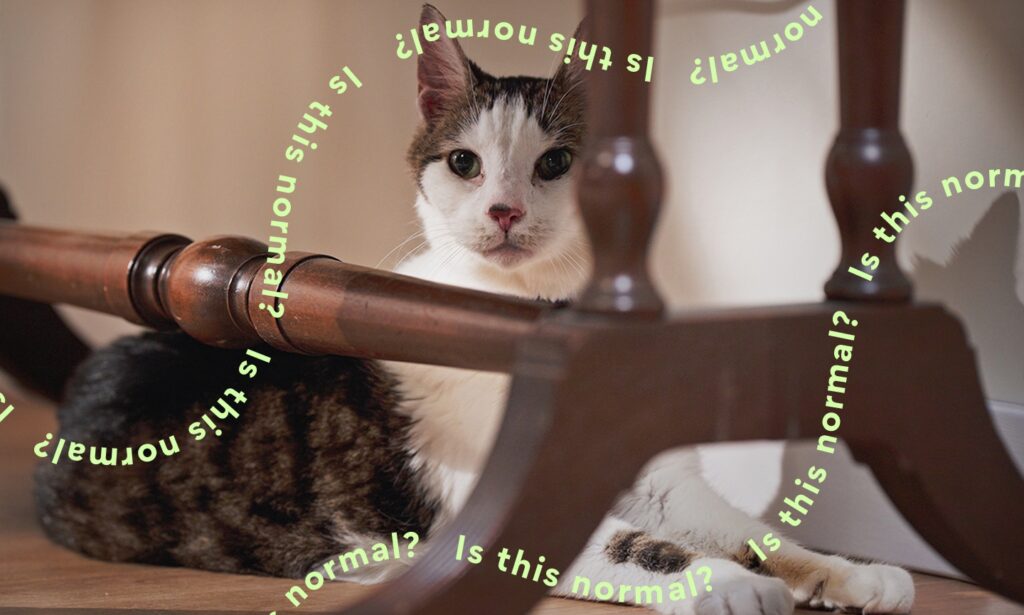
You’re making dinner or watching TV when it hits you—you haven’t seen your cat in hours. You check all their usual spots. Still no sign. Cue the panic. Naturally, you might start to wonder, “Why is my cat hiding?” Most of the time, it’s totally normal behavior. But sometimes, it can be a sign of stress, illness, or something more serious. We asked cat experts to break down the most common reasons cats hide, where to look, and when to be concerned.
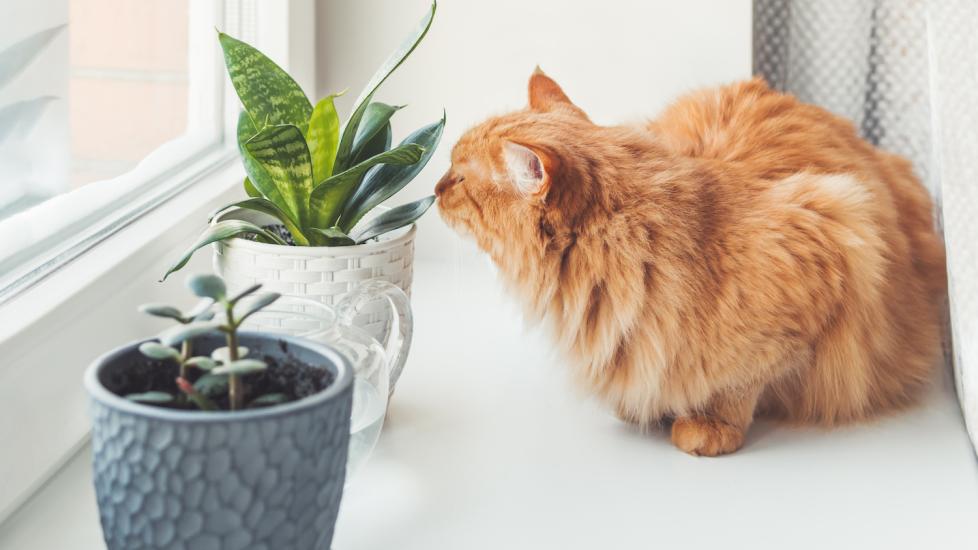
What Is Sago Palm Poisoning in Cats? Sago palm (Cycas revoluta) is an extremely toxic plant to cats. Toxicity occurs more often in dogs, but can be seen in cats. Although this plant is common in tropical and subtropical environments in the Southern United States, there have been increased reports of this toxicity in all parts of the country. Sago palm is a slow-growing tree that can reach up to 10 feet in height, but it may take 50 years. These plants have increased in popularity because they can be cultivated inside the home and then replanted outside. Sago palm plants | Image Credit: iStock.com/Pridannikov A cat can die within a few hours of ingesting any part of this plant, even a seedling. If you suspect your cat has chewed on or ingested any part of the sago palm plant, contact an emergency veterinary hospital immediately. How Are Sago Palms Poisonous to Cats? Although chewing or ingesting any part of the sago palm can cause toxicity, the most poisonous part of the plant is the orange-reddish seeds (nuts) at its center. These seeds often fall out of the tree when new fronds are blooming. The center and seeds of the sago palm plant (the most toxic part of the plant) | Image credit: IStock.com/Mirek Kijewski Due to its bright colors and possible sweet smell, the plant can easily attract any cat that is curious. Cats can develop a toxicity even if small bits are ingested, which can cause serious health concerns. The liver removes toxins from the bloodstream. When sago is ingested, toxicity starts with liver damage, and this can lead to liver failure and even death. The sago palm contains the cyasin toxin, which after affecting the gastrointestinal tract and attacking the liver will lead to neurological disorders and abnormal bleeding/clotting. Liver disease left untreated is fatal; the sooner your cat receives veterinary attention, the better the prognosis. Symptoms of Sago Palm Poisoning in Cats According to the Pet Poison Helpline, clinical signs of sago palm toxicity will begin 15 minutes to several hours after ingestion. The initial signs are gastrointestinal, including drooling, vomiting, diarrhea, changes to appetite, or anorexia. As the toxicity progresses, central nervous system symptoms will begin within 4 hours after ingestion. These signs can include weakness, walking strangely (ataxia), tremors, and even seizures. Within 2 to 3 days of ingestion, your cat will be in severe liver failure. In addition to gastrointestinal signs, clinical signs of liver failure include lethargy, abdominal pain, dark urine, jaundice (yellowing of whites of eyes, gums, and skin), black tarry stool from digested blood, fresh red bloody stool, increased thirst, bruising, and an accumulation of fluid in the belly (a bloated stomach). Your Cat Ate a Sago Palm. Now What? Since sago palm toxicity can progress quickly, take your cat directly to your regular veterinarian or a veterinary emergency room. It is often helpful to call the Pet Poison Helpline on the way to the hospital or while at the veterinary hospital. It is not recommended that you make a cat vomit at home, as the risks often outweigh the benefits. How Veterinarians Diagnose Sago Palm Poisoning in Cats Sago palm toxicity is most often diagnosed after a pet parent sees their cat ingest or chew any part of the plant. Blood and urine testing can identify damage to the liver, which indicates to your veterinarian that treatment needs to be started immediately. An abdominal ultrasound may also be needed, which allows your vet to visualize the liver for signs of toxicity. Treatment of Sago Palm Poisoning in Cats Even with aggressive treatment, the survival rate for a cat that has ingested a sago palm plant is only about 50%. Death will commonly occur without immediate treatment. Time is of the essence, and chances of survival increase with early medical intervention including aggressive decontamination. Decontamination often involves your vet inducing vomiting with a special medication as long as the Sago palm ingestion occurred recently. Administration of oral activated charcoal helps decrease the amount of toxin absorbed by the body, and this treatment should only be done by a veterinarian and not at home. Hospitalization will often be necessary for supportive care, including fluid therapy to flush the toxins and maintain hydration, as well as antacids and antibiotics. Special medications are also given to help protect the liver, such as N-acetylcysteine and Vitamin C. If liver damage is present, more intensive therapy is needed and the risk for long-term effects and even death is possible. Cats with bleeding disorders from liver disease are often treated with oxygen therapy, blood and/or plasma transfusions, and Vitamin K1. Recovery and Management of Sago Palm Poisoning in Cats Cats with sago palm toxicity need to be hospitalized for the duration of their intensive care, often for days to weeks, depending upon the severity of the liver disease and the clinical signs displayed. Fifty percent of cats who ingest part of a sago palm will not survive. The sooner you get your cat to the vet, the better the chance for recovery. Follow-up care will often be needed if your cat is discharged from the hospital, to ensure that the liver is functioning well enough. Medications, such as liver protectants, will be administered at home for life. All Sago palm plants should be immediately removed from the home or yard. Prevention of Sago Palm Poisoning in Cats If you decide to have this plant in your home, examine it often for any chew marks or leaves bitten off by your cat. According to the ASPCA, cardboard palm plants are a close relative of the Sago palm and are now popping up in gardening stores. These plants carry the same toxicity risks, so pet parents are urged to be cautious. Other plants in the sago palm family that will cause the same toxicity signs, such as the coontie palm, cycads, and zamias, should not be kept in the home with pets. If you have these plants outdoors, removing them from your property is also recommended to prevent a medical emergency for your cat. Featured Image: Adobe Stock/Konstantin Aksenov
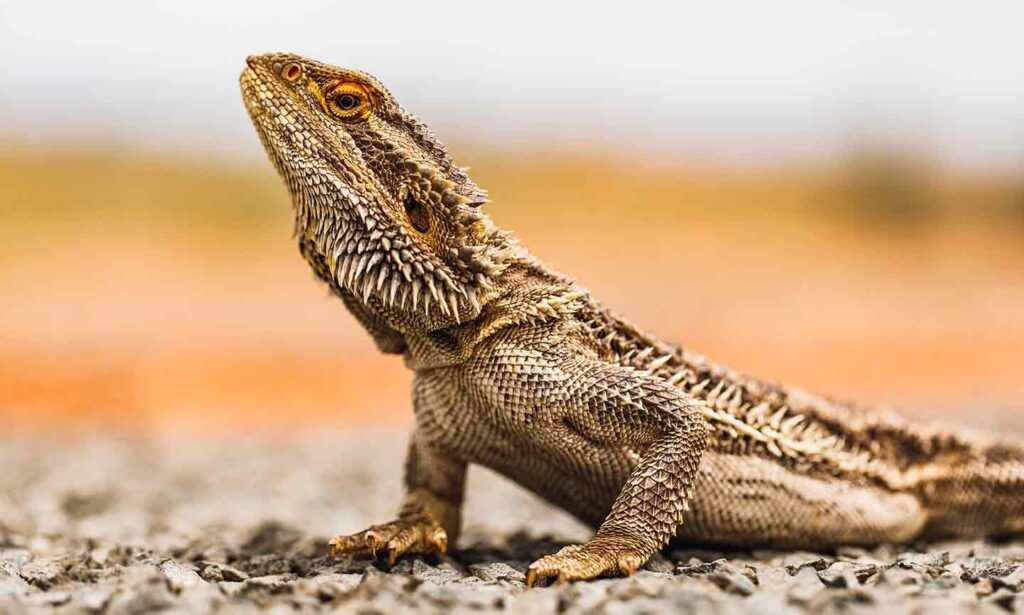
Naming a pet is always exciting. But when your pet is a bearded dragon? Even better. Bearded dragon names are ferociously fun! Native to Australia, bearded dragons are known for the beard-like spines on their chin, which they puff up when threatened by predators. Whether you opt for a mythical moniker or a beard-inspired choice, a terrifying name or just one that’s terrifyingly cute, the possibilities are endless. From ancient texts to recent blockbusters, we searched high and low to create this list of the best names for bearded dragons.
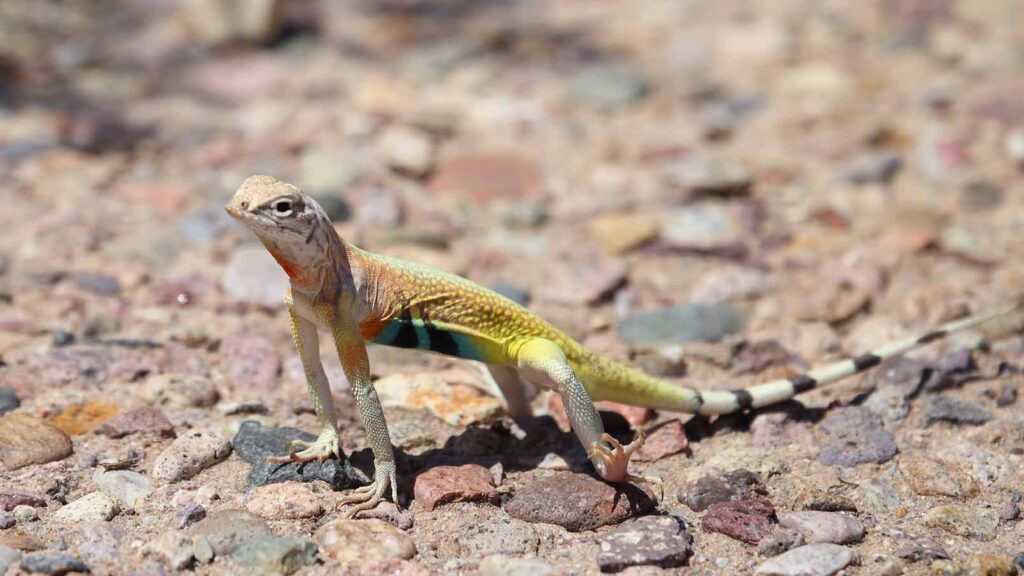
Video by mlharing / Creatas Video via Getty Images,With over 7,000 species, lizards live in nearly every temperate habitat worldwide. These lovable reptiles are versatile and surprisingly adaptable, and make great pets. They even have interesting behaviors—like doing push-ups as a form of communication! While seeing a lizard perched on a rock while their tiny arms pump up and down is cute, you may wonder what exactly they are communicating. Let’s dive in and learn more about lizard push-ups and why they do them.


What Is a Horse Whisperer? Your Guide to Natural Horsemanship

The 5 Best Winter Dog Sports and Activities to Try With Your Pup