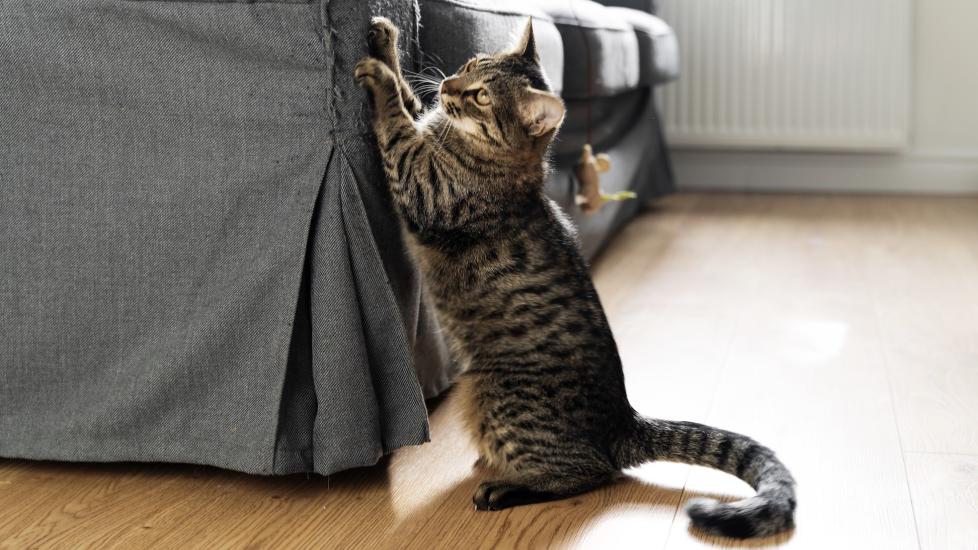
How to Stop Cats From Scratching the Furniture
In This Article Why Do Cats Scratch Furniture? View 5 More +


Cats
In This Article Why Do Cats Scratch Furniture? View 5 More +
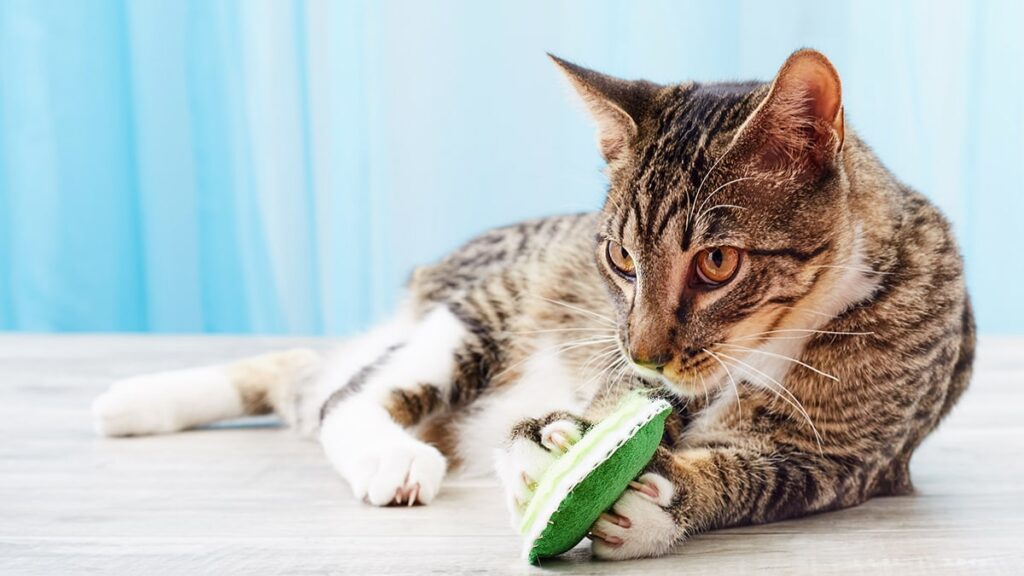
Have you ever tried making DIY cat toys? This homemade cat toy tutorial will show you how to make a soft, felt lime slice toy that’s pretty a-peel-ing to kitty paws. We’re going to let you in on the ultimate secret recipe for homemade cat toys. Not only is this toy stuffed with premium organic catnip, but we’ll also infuse the felt with catnip oil for your cat to swipe, swat and stalk during her prime hunting time. When you’re done, you’ll have a masterpiece among DIY cat toys that you can give to your main squeeze.
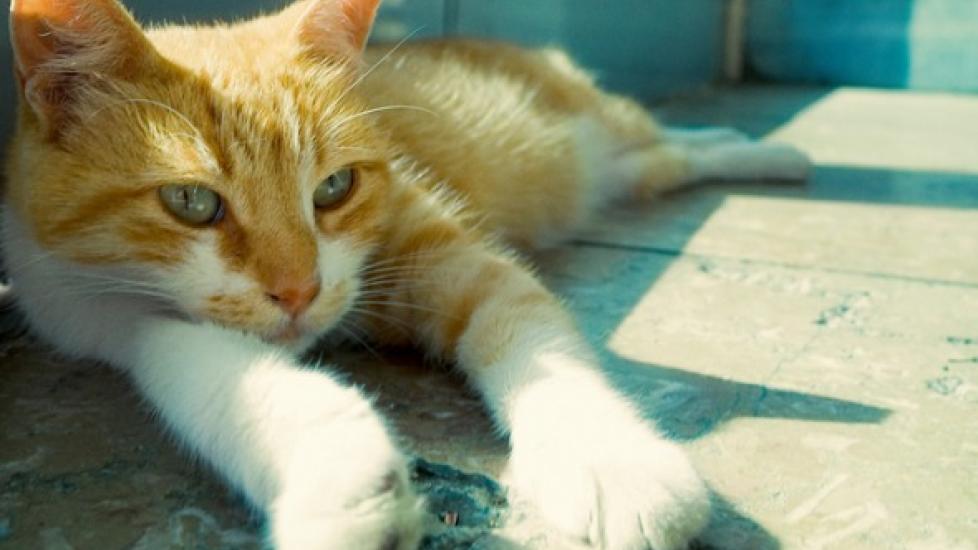
Image via iStock.com/byakkaya Reviewed for accuracy on October 22, 2018, by Dr. Katie Grzyb, DVM By Nancy Dunham Is there a stray cat hanging out outside your home? Or slowly spending more and more time in your yard? You might very well have been adopted by a local street cat and are now probably asking yourself, “Can you turn a stray cat into a house cat?” Yes, that stray cat or alley cat can become your beloved house cat, but there are some caveats you should consider. First, understand the difference between a stray cat, an alley cat and a feral cat. It’s often impossible to tell at first glance. Both types of cats may seem skittish when you first approach them. So, what’s the difference? Feral cats are wild and not used to people or domesticated. Stray cats and some alley cats have often had socialization and may have even been neutered and received health care. These distinctions can be critical for the health of your other pets and family members. Domesticating Feral Cats Dr. Ann Hohenhaus, DVM, DACVIM (SAIM, oncology) at The Animal Medical Center in New York, urges extreme caution when attempting to turn a street cat into a pet. “Feral cats are likely to have some health issues. Stray cats can too, of course,” she says. “But feral cats have lived outdoors and likely haven’t had any health care.” Street cats may have serious illnesses that can spread—ringworm, feline leukemia, rabies and other infectious diseases can infect other pets and humans. “If you adopt a feral cat, you are setting yourself up for heartbreak,” said Dr. Hohenhaus. “”I am not saying you shouldn’t ever take a feral cat [into your home] but think carefully about it first.” Pet behaviorist Pamela Uncles, Companion Animal Behavior, a practice in the Washington, DC, metropolitan area, adds that behavioral challenges may abound. “I don’t think you shouldn’t take them. I think you should be informed,” she says. “You need to know the risks going in. That’s the bottom line with everything.” Taylor Truitt, CEO and founder of The Vet Set, Brooklyn, New York, says that feral cats might be best cared for outside as community cats. “If cats aren’t socialized by 16 weeks of age, it usually doesn’t go well,” she says. “I have owners who say they have feral cats as pets, but they feed the cats outside,” says Truitt. “The cat is never in the house….It’s tough to catch a feral cat, and when you do, they are more afraid than anything….I always say don’t do it.”

In This Article Summary View 6 More +
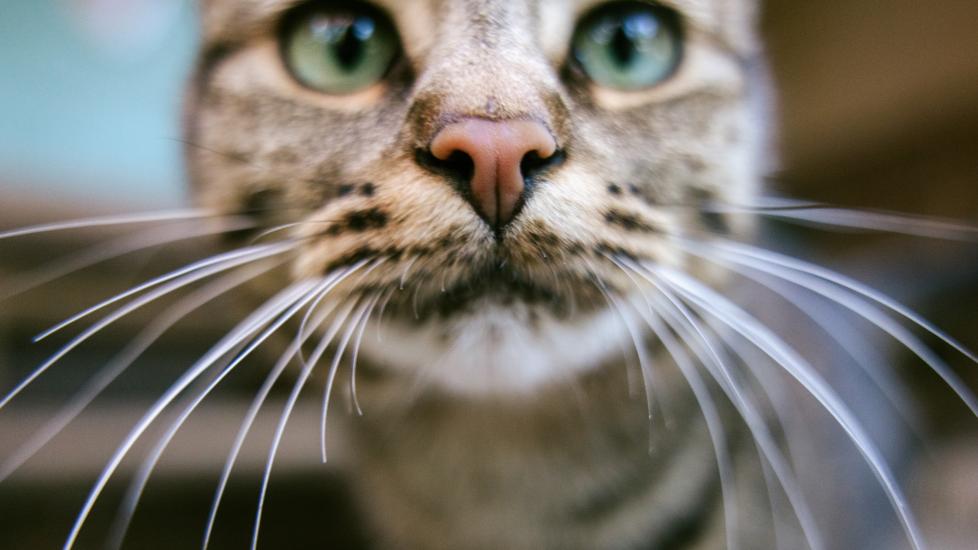
4. Whiskers Help Cats ‘See’ in the Dark Cats have excellent night vision, but their whiskers give them an extra edge. In low light, they use their whiskers to sense the shape, size, and movement of objects around them—kind of like a sixth sense. By detecting subtle shifts in the air, cats can avoid bumping into things, sneak up on prey, or leap onto high, narrow ledges with precision. It’s like having invisible radar built into their face.,5. Whiskers Are Usually as Wide as a Cat’s Body The size of a cat’s whiskers isn’t random; they’re usually about the same width as the cat’s body. Their size helps cats judge whether they can fit through tight spaces, like under furniture or through a gap in a fence. If the whiskers touch both sides of a space, it tells the cat they may get stuck. That’s a handy feature for animals who love squeezing into small places to hide.,Have you ever noticed your cat’s whiskers twitch when they’re focused, or how your cat never bumps into furniture in the dark? Those long hairs aren’t just for show—whiskers are high-tech tools packed with purpose. Cat whiskers help your feline friend explore, hunt, and even express their mood. Let’s dive into ten surprising facts about cat whiskers that prove they’re far more than just fancy facial hair.
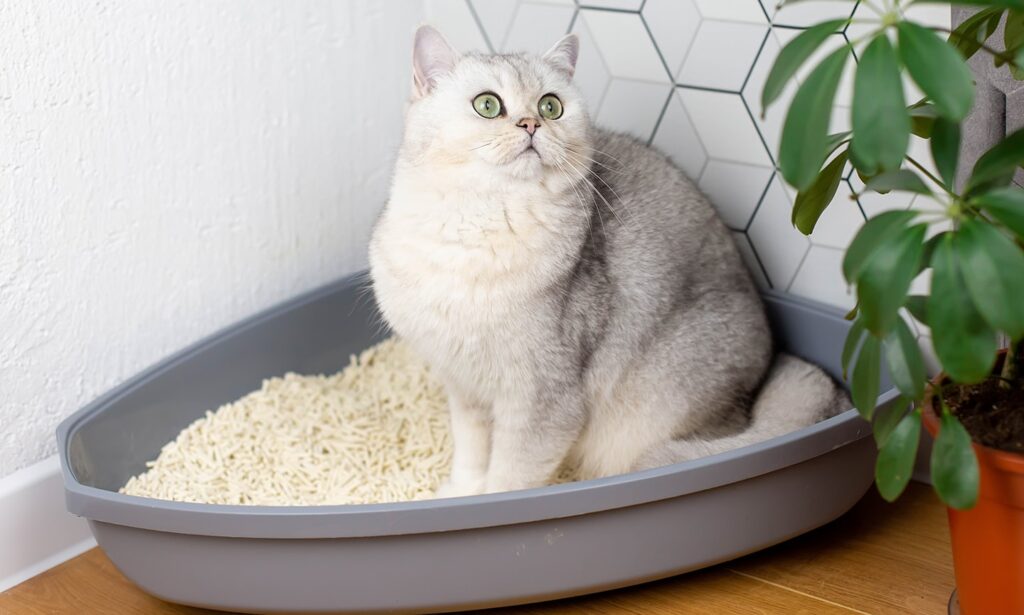
The signs of diarrhea can be quite diverse in cats of any age. Frequent, urgent pooping of loose, watery stools are the classic signs that your senior cat has diarrhea. And a cat who has a bout of watery poop and then continues to strain is not suffering from constipation; it truly is diarrhea. The following signs of illness often accompany diarrhea: Fever Lethargy Malaise Loss of appetite Dehydration Straining to defecate Fecal staining on the perineum or tail Inflammation of the skin of the perineum Check your indoor cat’s litter box if you suspect diarrhea. If your cat goes outside, you’ll have to observe them go, or look for their poop after. If your cat is producing loose, watery stools and it persists for more than a day, take a sample to your veterinarian.,Jump to section Symptoms of Old Cat Diarrhea When Is Old Cat Diarrhea an Emergency? At-Home Treatment for Old Cat Diarrhea Veterinary Treatment for Old Cat Diarrhea
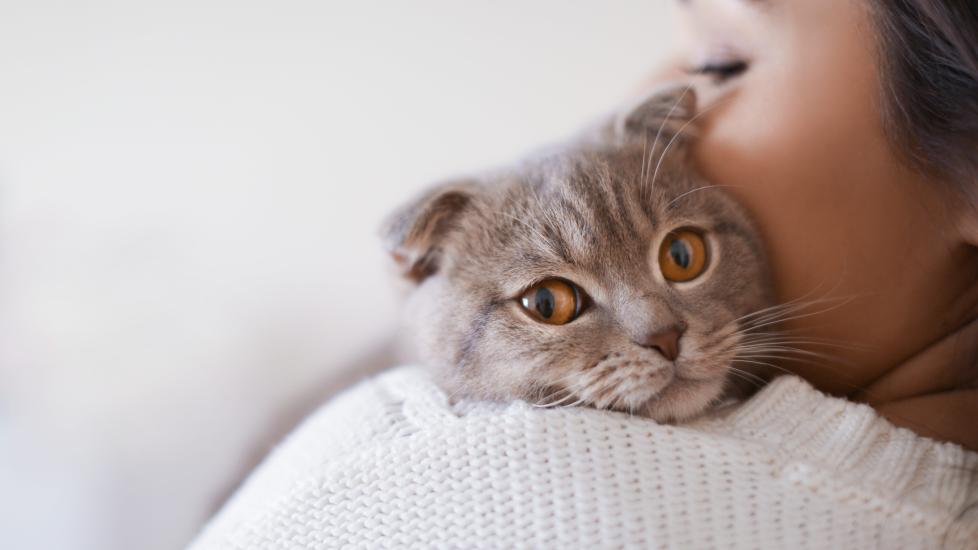
For many pet parents, getting your cat to the vet is a stressful experience—both for you and your kitty. But if your cat is showing signs of illness or discomfort, schedule an appointment with your vet ASAP. Cats are good at hiding when they’re not feeling well, so if something doesn’t seem right, things are likely more serious than they seem. That said, there are a few issues you can try to address at home while you wait for your vet appointment.
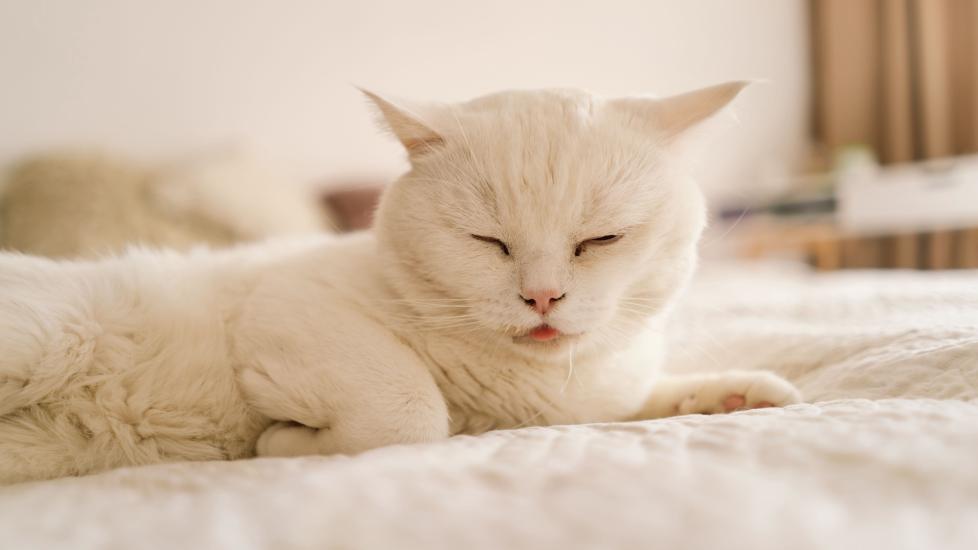
In This Article Do Cats Drool? View 3 More +
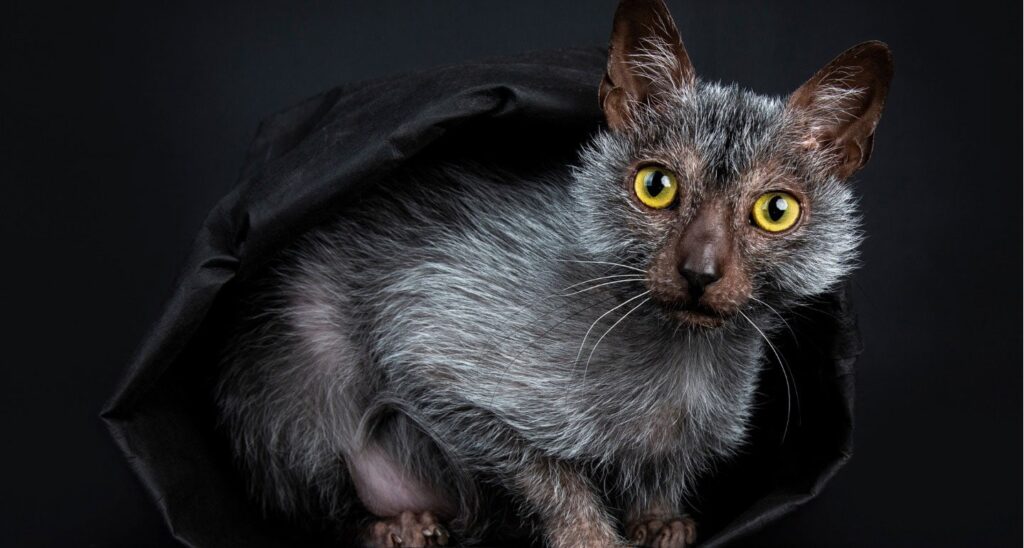
If you’re interested in fantasy (think “Harry Potter”) or have an affinity for horror films, there’s a good chance you’ve pondered what it would be like to come across a magical, mythical creature in real life. For some of us, that dream may be closer to a reality than we think. Meet the Lykoi cat: a relatively new breed that’s been making a splash on the web for its striking and slightly spooky resemblance to a werewolf. With its dark, scraggly coat and nearly hairless face and paws, the Lykoi’s presence in the home could certainly make it feel like Halloween year-round.
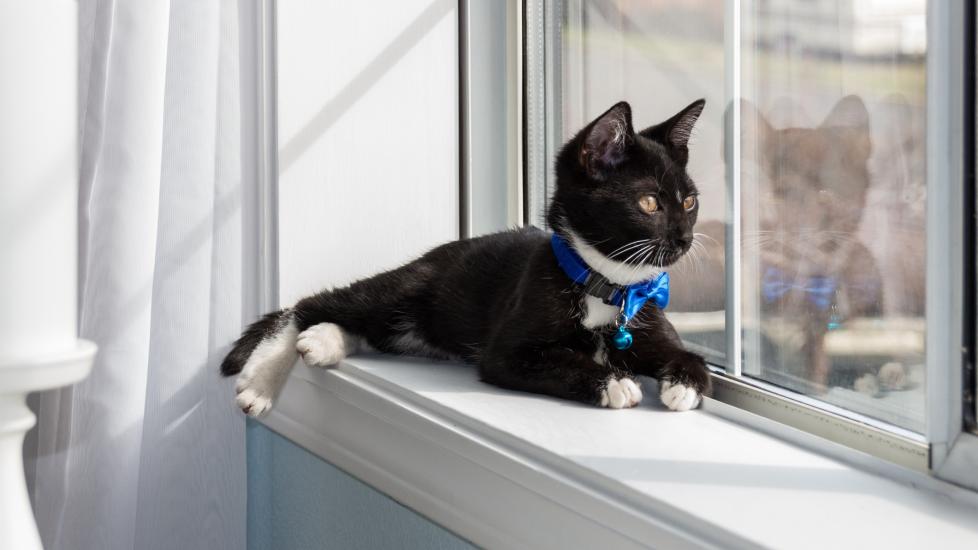
In This Article Does My Cat Miss Me? View 2 More +


What Is a Horse Whisperer? Your Guide to Natural Horsemanship

The 5 Best Winter Dog Sports and Activities to Try With Your Pup