How to Stop Your Cat From Biting
In This Article Why Do Cats Bite? View 2 More +


Cats
In This Article Why Do Cats Bite? View 2 More +
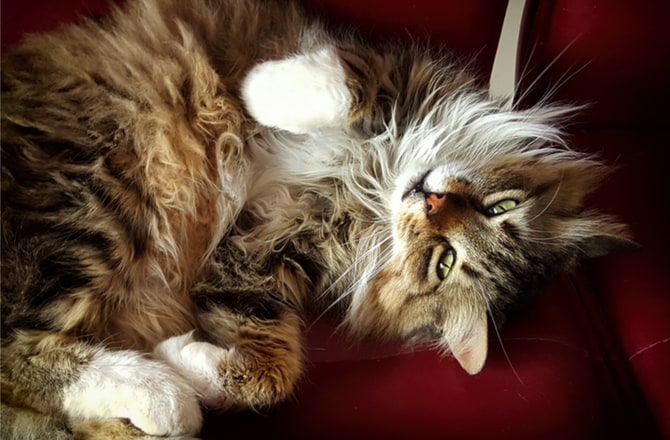
The Persian breed is probably best known for their long-flowing, luxurious coats and their sweet and gentle personalities. That’s probably why they’ve been the No. 1 breed in popularity for the Cat Fanciers’ Association for more than 30 years. Their long coats require indoor, protected environments, along with daily maintenance including a daily run-through with a comb to eliminate tangles and hairballs.,While most of our feline friends have some kind of fluff factor to them (except, you know, the hairless kinds), it’s a given that certain breeds of cat are fluffier than others. Grooming is an integral part of taking care of our feline companions. It’s important to teach our cats as kittens to get used to a comb or brush, and to groom our cats frequently – depending on the length of their coat – to prevent hairballs. Proper grooming sessions are also a great opportunity to inspect your cat’s coat and skin for any changes, scratches, abscesses or disorders. Finding your cat’s favorite place for grooming – like your lap or favorite spot on the floor – will make things infinitely easier for the primping sessions, too. We consulted with the Cat Fanciers’ Association to find out which breeds of cat are actually known to be the fluffiest. If you’re planning on bringing home one of these five breeds in the near future, you better go out and buy a FURminator.
Liz Burrage, a Baltimore-area nonprofit worker who helps her mother raise therapy dogs in her spare time, loves to give back. But when the pandemic cut her off from her usual work, she found another way to be of service: fostering pets. Her first foster, a 1-year-old Sharpei-Labrador mix named Snickerdoodle, came home with her March 19. “He has the softest wrinkles and fur on his head ever,” Burrage says. “And he had a huge play drive.” At the shelter, Burrage says, Snickerdoodle was only able to go outside for short periods three times a day. At home with Burrage and her family, Snickerdoodle had more opportunities to play and exercise—and it showed. “In a few days, he started to really come out of his shell,” Burrage says. Snickerdoodle proved he was good with children and other dogs—which helped his shelter find a home for him in just six days. Having Snickerdoodle by her side helped ease Burrage’s anxiety about the pandemic, she says. And through his interactions with kids and other pets in Burrage’s family, Snickerdoodle proved he was good with children and other dogs—and that information helped his shelter find a home for him in just six days. “When [the shelter] called and said, ‘Snickerdoodle was with us for two months and we didn’t have one application, and now after six days, he’s adopted’—I just sat there and cried. Like, wow, I didn’t even put that into perspective.” Now, Burrage is a foster convert. After Snickerdoodle, she fostered and found a home for a Jack Russell Terrier named Arby, and is currently fostering a three-legged mixed-breed rescue named Boston.,You’ve probably seen a lot of foster pets lately, posing on your social media feed or out for walk with a neighbor. That’s because more and more people are fostering homeless pets during the coronavirus pandemic. This trend is a win-win for everyone: It gives pets a better chance of finding a forever home, relieves the burden on shelters and rescues, and makes life more livable for foster parents while they’re sheltering in place. Just ask these foster parents, all of whom took in a temporary pet for the first time in March. From adoption successes to foster “fails,” their stories are unique—but they all share the rewarding feeling of helping a pet in need.
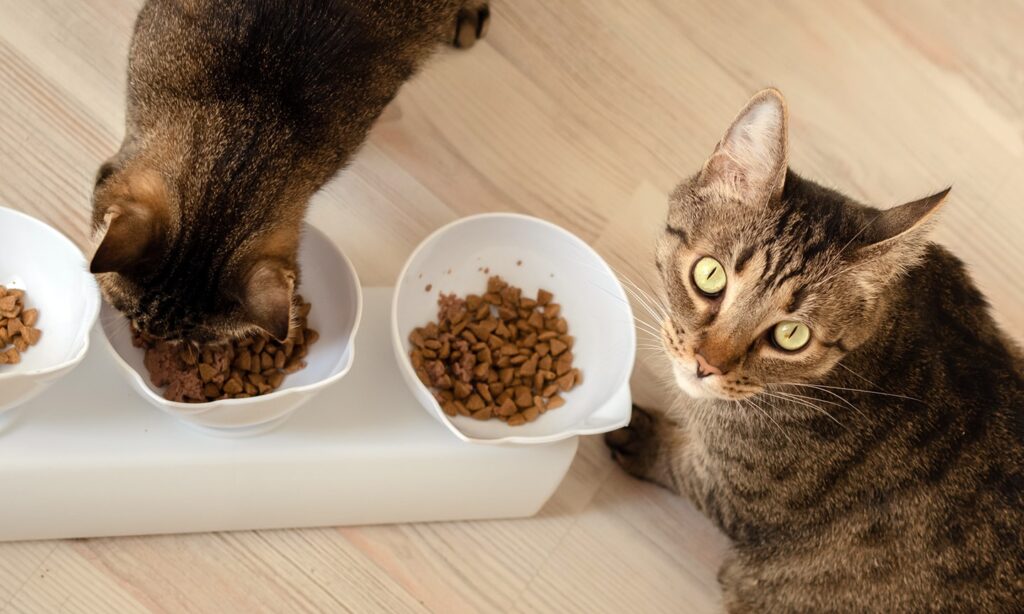
Renal cat food “is specifically formulated to support the kidney function of cats with renal issues,” says Bethany Hsia, DVM, co-founder of CodaPet, which has locations in over 10 US cities. “Cats can experience a range of kidney issues that may necessitate the use of renal foods,” Dr. Hsia says. “These issues include chronic kidney disease [CKD], acute kidney injury, and nephrolithiasis [the formation of kidney stones].”,Jump to section What Is Renal Cat Food? How Is Renal Cat Food Different From Regular Cat Food? Can Healthy Cats Eat Renal Food? How To Feed Cats Separately Vet-Recommended Food for Cat Kidney Disease FAQs
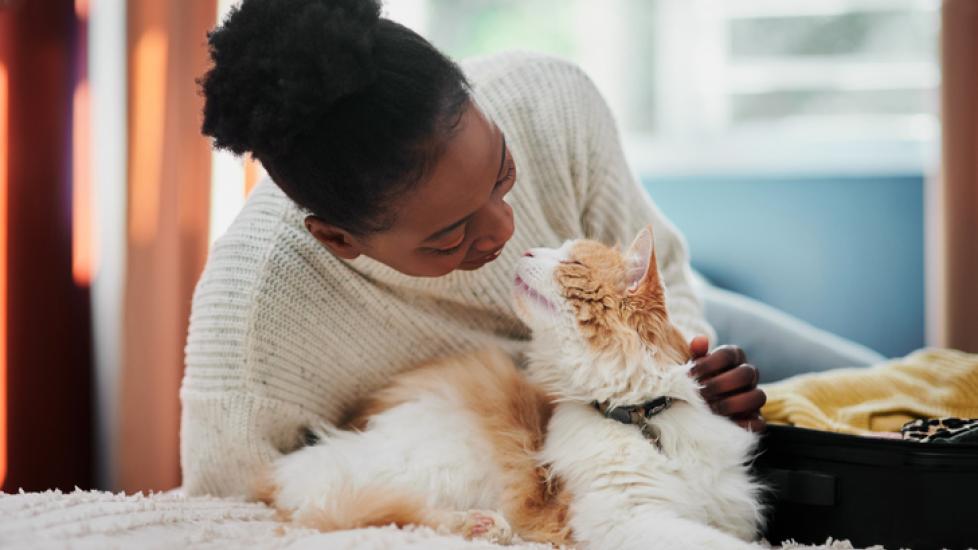
Litter box cleaning may need to be more frequent for senior cats. Kidney disease is extremely common in older cats and results in greater and more frequent urination. Cleaning the box frequently also allows you to monitor for issues like constipation or diarrhea, which can be more common as cats age. ,Thanks to advances in medicine and nutrition, cats are capable of living long lives—often well into their teenage years or, in some cases, into their early 20s. But it’s important to remember that most cats are considered seniors when they turn 10 years old. Though age itself is not an illness, many of these older cats will have physical and mental changes that require some adjustments to their care—and many of these care changes involve the home. Here are some ways to make sure your senior cat is as happy and healthy as possible.
In This Article What’s the Average Lifespan of a Cat? View 3 More +
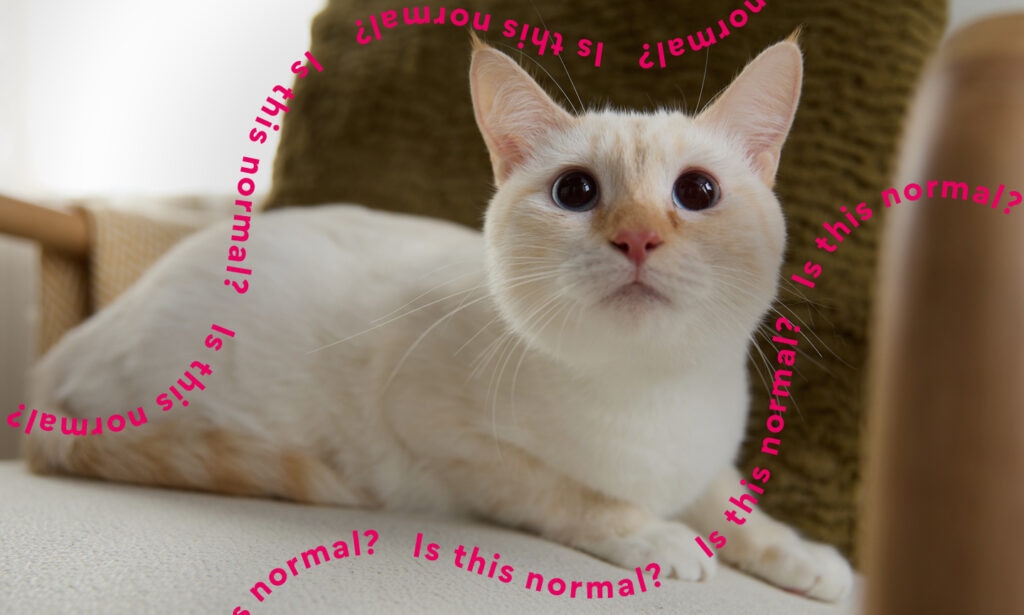
Q: My cat nudges me to give her scritches but bites my hand whenever I pet her belly specifically. Why does my cat hate belly rubs? Is this normal? A: Yes! It’s totally normal that some cats do not like belly rubs. As much as we want to give our feline friends’ fluffy tummies endless belly rubs, they may dislike them for several reasons. For instance, their bellies may be a vulnerable and sensitive area, or maybe they weren’t pet in that particular spot as kittens. We spoke to experts to learn more about this completely instinctual behavior. If you have any questions about your cat’s behavior, speak with your vet.
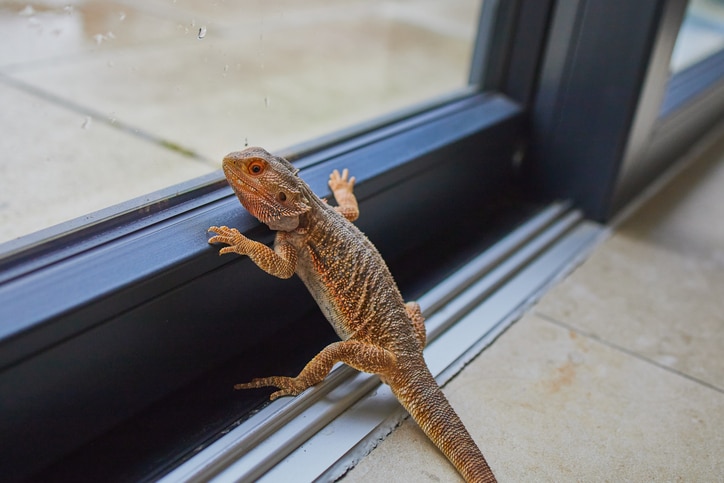
Bearded dragons love looking at the world around them—especially when there is movement they can follow. From action-packed TV shows to a ride in the car, even a little bit of visual stimulation can make your beardie’s day.
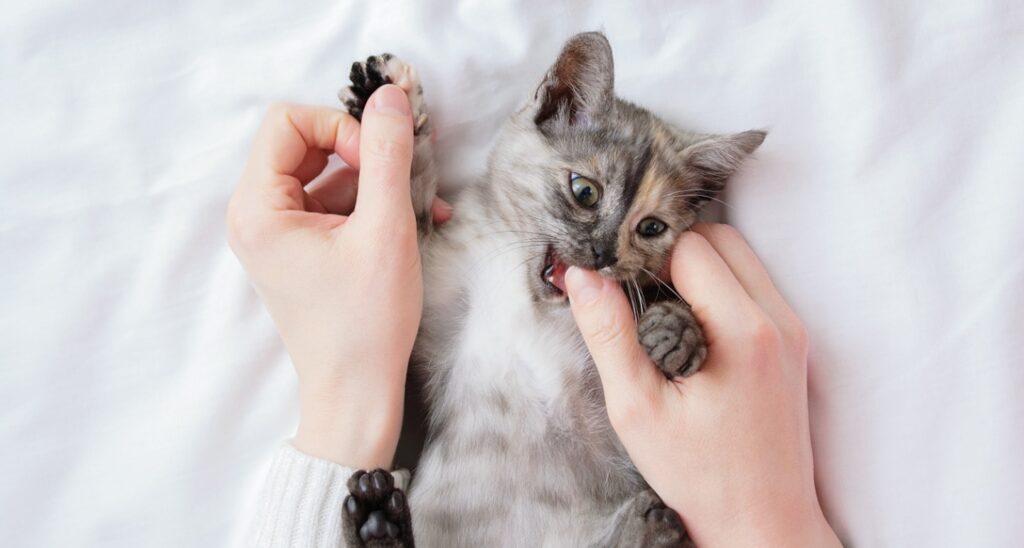
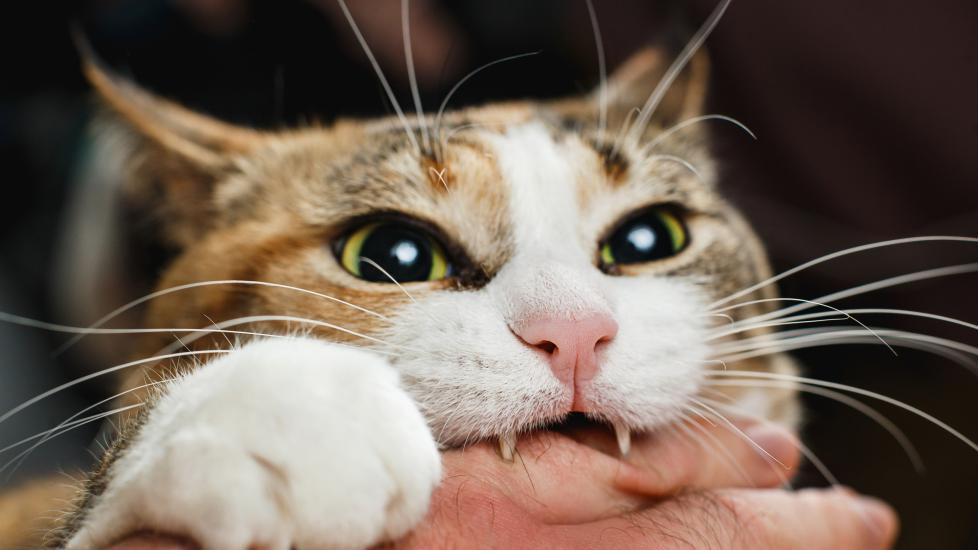
If you wonder, “Why is my kitten biting me?”—you should know that kitten biting is a natural practice. Kittens explore their world by mouthing objects with (OUCH!) needle-sharp teeth. However, normal exploration and kitten games can turn into a cat biting problem. Kittens bite for many reasons. If your kitten won’t stop biting, you need to set limits and learn effective methods for training, such as clicker training for kittens. Keep reading to understand the motives behind kitten biting and find out how to put a stop to it—for good.
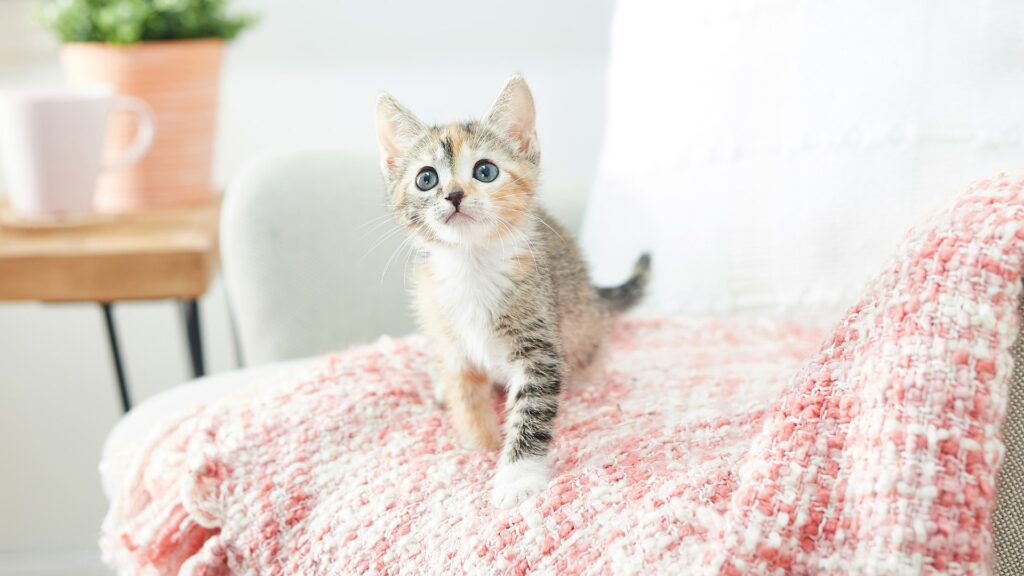
Cat food: Preferably you’ll be able to get the same brand your new cat is used to eating to prevent tummy upsets. You can always work on transitioning her to a different food later. Food and water bowls: Your kitty will need their own bowl for mealtime, and make sure they stay hydrated with one or more water bowls. Collar and ID tag: These are essential for identifying your cat in case they get lost. Even if you have an indoor-only kitty, you should get your cat an ID tag in case they escape. Cats are stealthy and can slip out of the house undetected. Make sure the tag has your cat’s name and your current contact information. Cat litter: There are a variety of litters available, from clay to corn-based. Cats tend to prefer scent-free, dust-free clumping litter, according to Sandra Mitchell, DVM, DABVP, owner of All Creatures Veterinary Services in Bangor, Maine, but you’ll have to see what works best for your cat. Cat litter box and scoop: The general rule is one litter box per cat, plus one extra. Cat trees or scratchers: These give your cat an appropriate place to condition their claws. A cat tree also provides your cat with an appropriate place to climb (aka not the kitchen counter). Cat toys: They’ll need these for mental and physical exercise. Cat bed: This will help your cat feel conformable in their new home. Calming aids: Help ease the transition for nervous or older cats with products like cat calming collars or sprays infused with pheromones. Cat carrier: You might think you can improvise, but you’ll need a cat carrier to keep your cat safe and contained for trips to the vet. Those are the basics for a cat of any age. As time goes on and you get to know your new family member better, you can tailor the supplies to meet their specific needs and preferences. You’ll also need to provide additional items and care specific to their life stage.,Jump to section Cat Supplies for the First 36 Hours Long-Term Essentials for Specific Life Stages Other Tips for Bringing Home a New Cat


What Is a Horse Whisperer? Your Guide to Natural Horsemanship

The 5 Best Winter Dog Sports and Activities to Try With Your Pup