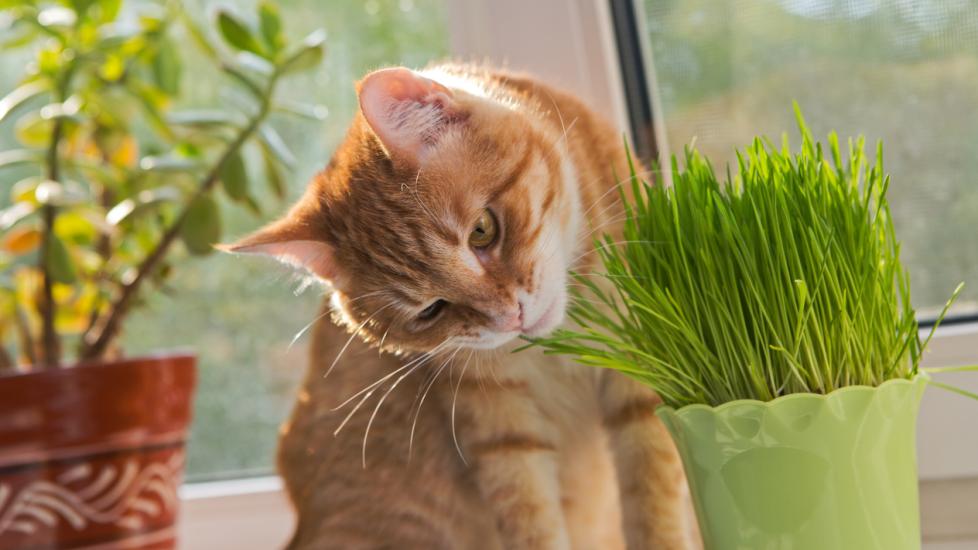
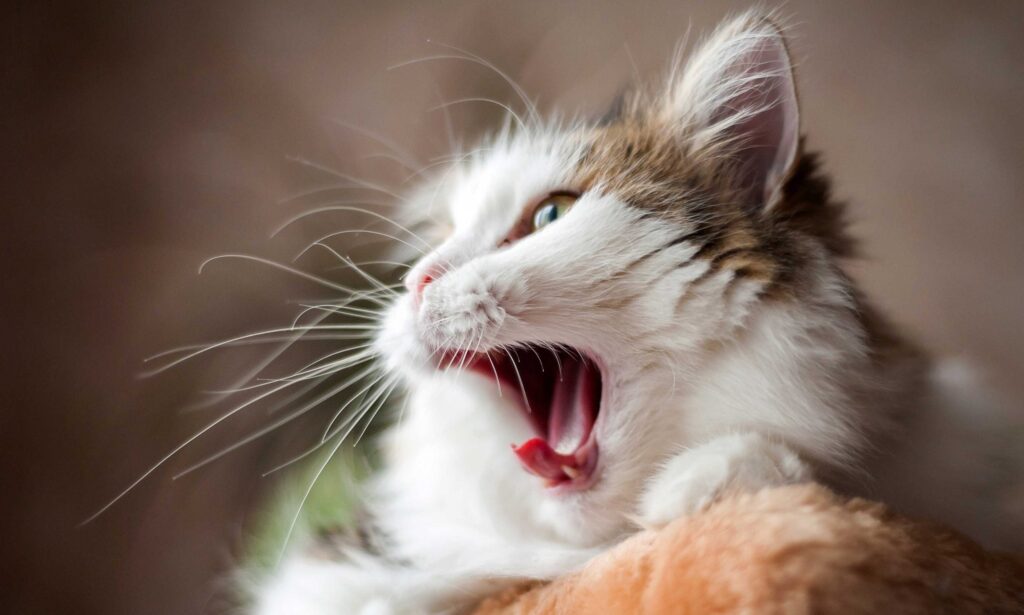
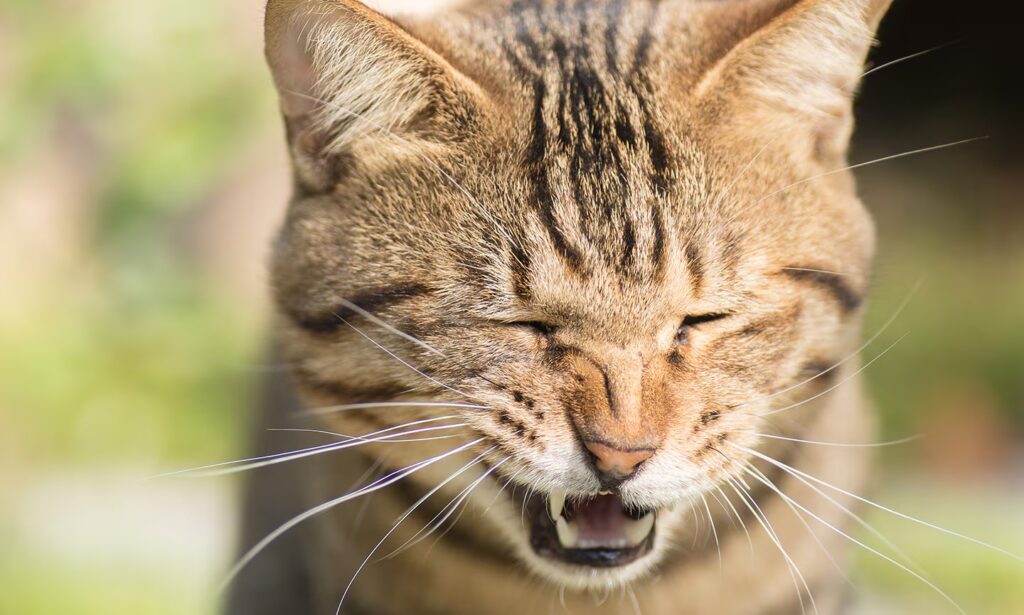
Catnip Highs vs. Human Drug Highs While our ability to understand the subjective experience of cats is limited, we do have some sense of how the plant affects people. There was a brief period in the 1960s when the cheaper and more readily available catnip was mixed with tobacco or marijuana and smoked. After smoking catnip, people reported having visual and auditory hallucinations and feeling “happy, contented, and intoxicated,” similar to feelings induced by marijuana. Of course, cats are not small people. We cannot assume that what’s true for us holds true for cats. Drugs that work in humans are often unsafe or ineffective in pets. For example, over-the-counter medications like acetaminophen are relatively safe in people but can be lethal for cats. And with some exceptions, antihistamines are often ineffective in controlling allergies for pets.,What’s the Strongest Type of Catnip? Various forms of catnip exist, including sprays, dried leaves, and the entire plant. Although each varies in its concentration of nepetalactone, there is minimal difference in how profoundly these different forms affect cats. Since catnip is not a drug, its effects don’t depend on the amount given or the concentration. There only needs to be enough nepetalactone to trigger the endorphin response. This causes a cat’s body to release those endorphins at a strictly regulated level that is not proportionate to the amount of nepetalactone inhaled. This is why cats cannot fatally overdose on catnip. Featured Image: iStock.com/Okssi68,You may have given catnip to your cat at some point and wondered whether cats can actually get “high” from it. The effects are obvious (and entertaining): after smelling the catnip, most cats will rub their faces in it, roll on their backs, and vocalize (make loud noises). Although some cats will exhibit more subdued behaviors—a “sphinx-like posture” is reported in one study— the vast majority of cats become excited and hyperactive, leading to the perception that catnip makes cats high. Do Cats Get High on Catnip? With respect to catnip, there is reason to believe that cats may experience something like the highs achieved by pioneering marijuana users 60 years ago. According to a recent paper, catnip works through the body’s internal opioid system. W hen a cat smells catnip, a substance called nepetalactone interacts with certain cells in their upper airway. Once the interaction occurs, the cat’s body releases endorphins—natural opioids. This theory is supported by the fact that cats who receive the opioid “antidote” naloxone are not affected by catnip. Ingestion alone seems to have little effect on cats, although some may chew on the herb, perhaps to release the nepetalactone, especially from drier leaves. Although reports that the herb induces LSD-like hallucinations are probably overblown (and difficult to prove), catnip is nonetheless a safe, cheap, and effective way to give your cat some short-lived enjoyment.