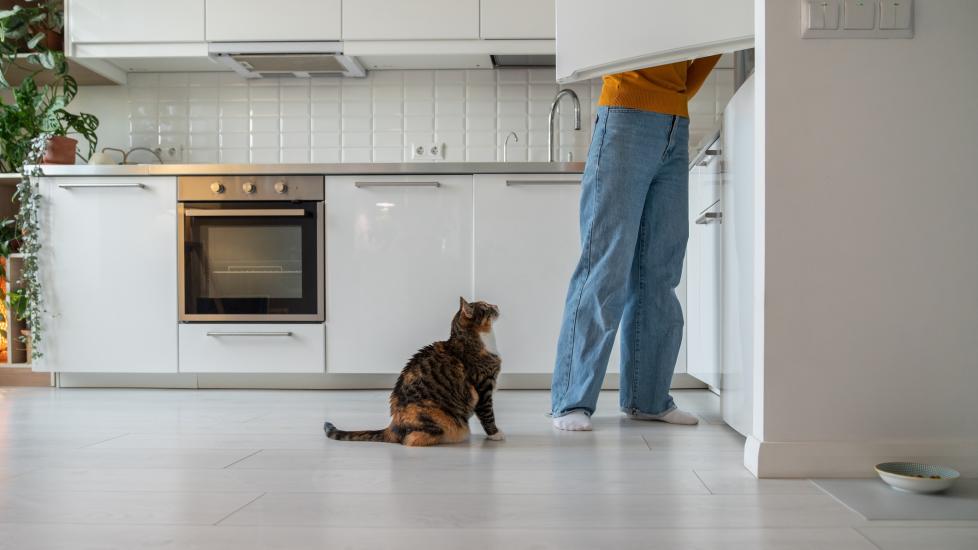
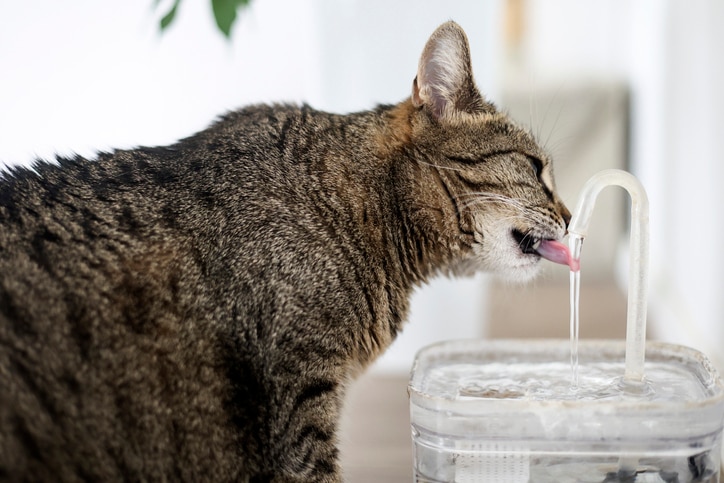
Cats can be excellent hunters and predators, but not everyone realizes cats can also be considered prey by some larger animals. To protect themselves, cats have developed the ability to hide injury or illness exceedingly well. They do it so well that you may never know anything is wrong until they are in a lot of pain. If you know what sign to look for, however, you might be able to know earlier when something is wrong. Symptoms of a Sick Cat Pet parents will usually notice that their cat is “acting weird,” which could refer to a lot of different type of changes in behavior or habits. Here are some of the ways your cat might be telling you they’re not feeling so well. Suddenly Eating More, Eating Less, or Not Eating One of the first signs you might see in a sick cat is a change in appetite. An increase in appetite can be caused by intestinal parasites, hyperthyroidism, diabetes, or a gastrointestinal disease that causes poor nutrient absorption. Decreased appetite may be due to nausea, fever, food aversion, gastrointestinal disease, or pain in the mouth (due to dental disease, a mass, a foreign body, or trauma). Drinking More There are many potential causes of increased thirst in cats, including: Diabetes Kidney disease Hyperthyroidism Increased calcium Less common endocrine diseases such as acromegaly or hyperadrenocorticism Certain urinary prescription diets designed to increase thirst to promote frequent emptying of the bladder Meowing or Vocalizing More Some cats meow more than others, and this also varies by breed. However, if you notice increased meowing or a change in how your cat meows, they may be trying to communicate physical or emotional distress. Cats may meow more when they are hungry or in pain. As cats age, some develop cognitive dysfunction, or senility, which can also change the frequency of meowing. Suddenly Not Using the Litter Box Seek veterinary care immediately if your cat is suddenly unable to urinate (especially male cats). They may have an obstruction in their lower urinary tract, usually in the urethra, and this is a medical emergency. Cats may also stop using the litter box and start urinating or defecating elsewhere if they associate pain with the litter box. This can happen with a bladder infection, gastrointestinal, disease-causing diarrhea or constipation, or arthritis or other joint pain that makes it difficult to get in or out of the litter box. Another potential reason cats avoid the litter box in multi-cat households is because one cat is guarding it and blocking the other cat from using it. Vomiting or Diarrhea Potential causes of vomiting and diarrhea in cats include: Gastrointestinal obstruction or foreign body Intestinal parasites Food sensitivity, intolerance, or allergy Kidney disease Pancreatitis Exocrine pancreatic insufficiency Inflammatory bowel disease Stress Bacterial or viral infection Medication Toxin ingestion Liver disease Cancer Constipation can also cause vomiting and passage of only small amounts of liquid stool Not Grooming or Overgrooming While it may seem counterintuitive, pain can cause either an increase or a decrease in grooming behavior in cats. For example, a cat with a painful bladder condition may overgroom their belly to the point of baldness. Some cats will also overgroom as a self-soothing behavior when they are anxious. However, pain in a joint or multiple joints may cause a cat to avoid grooming that area altogether, so you may notice clumped or matted hair. Cats that are obese also have difficulty grooming their hind legs and spine near the tail area, so you may see matting of the haircoat in these cats. If your cat has pain in their mouth, they may also not be able to groom comfortably. Bad Breath Bad breath is usually caused by dental disease (e.g., tartar, gingivitis, stomatitis, an abscessed tooth, or a mass or tumor in the mouth), but it can also be a sign of internal illnesses such as kidney disease or diabetes. Daily brushing, using a pet-specific toothpaste, like Virbac’s C.E.T.® Enzymatic Poultry Flavor Dog & Cat Toothpaste, and toothbrush, like H&H Pets’ Cat & Small Dog Toothbrush can help keep dental disease at bay.