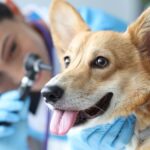
How to Switch Your Pet’s Food—Minus the Dinner Drama
Jump to section Why You May Want to Transition Your Pet to a New Food How to Transition Your Pet to a New Food Troubleshooting and Safety Tips Which Is the Best Pet Food for My Pet?


Dogs
Jump to section Why You May Want to Transition Your Pet to a New Food How to Transition Your Pet to a New Food Troubleshooting and Safety Tips Which Is the Best Pet Food for My Pet?

If you’re hosting a holiday party, don’t forget that the furry family members enjoy DIY treats too! Your dog will love these super-healthy homemade dog treats, and you don’t have to spend too much time making them. Both dog treat recipes take about 10 minutes each to prepare, and contain wholesome ingredients to boost your dog’s health. Kale is a great antioxidant and bone broth adds moisture and flavor to any meal. Kefir and pumpkin are ideal digestive aids for dogs, and blue and green mussels provide loads of healthy omega-3 fatty acids. Why not make some fun dog-friendly DIY treats for the holiday pups in your family!
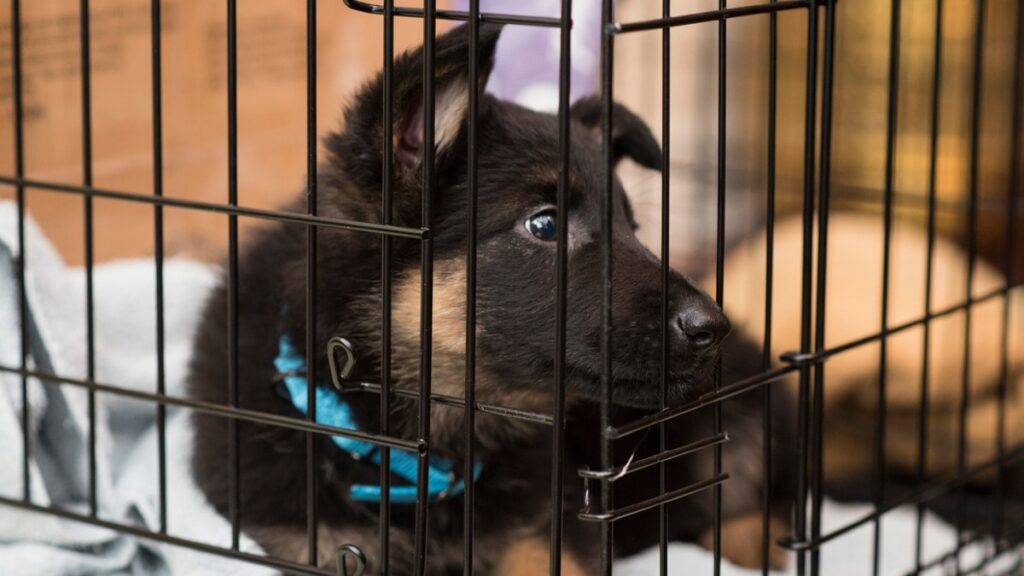
It’s much easier to teach your dog to relax in a dog crate if he doesn’t have strong feelings about the dog crate itself. Starting over with a different dog crate is especially important if your pet’s association with his current dog crate is a negative one. Also, if your dog has outgrown his dog crate, he may not like going inside of it because it’s no longer comfortable. In this case, it’s time to upgrade. Frisco’s Heavy Duty dog crate comes with a divider that allows your dog to grow into the crate. Find out how to pick the best size dog crate for your pup.,Dog kennels and dog crates are wonderful and useful tools at home. You can use a dog crate for things like potty training, for creating the ultimate safe zone for your pet and, when strapped-down, for road trips with your canine companion. Dog crates or dog kennels also come in handy for emergency situations, like when a natural disaster strikes. Teaching your dog to be comfortable in a dog crate is well worth the time and effort. Some pups are uncomfortable in dog kennels because of past experiences or never having to settle quietly in a dog crate before. If your dog acts anxious or rambunctious in his dog crate, these dog training tips can help you teach him to be calm in his crate.
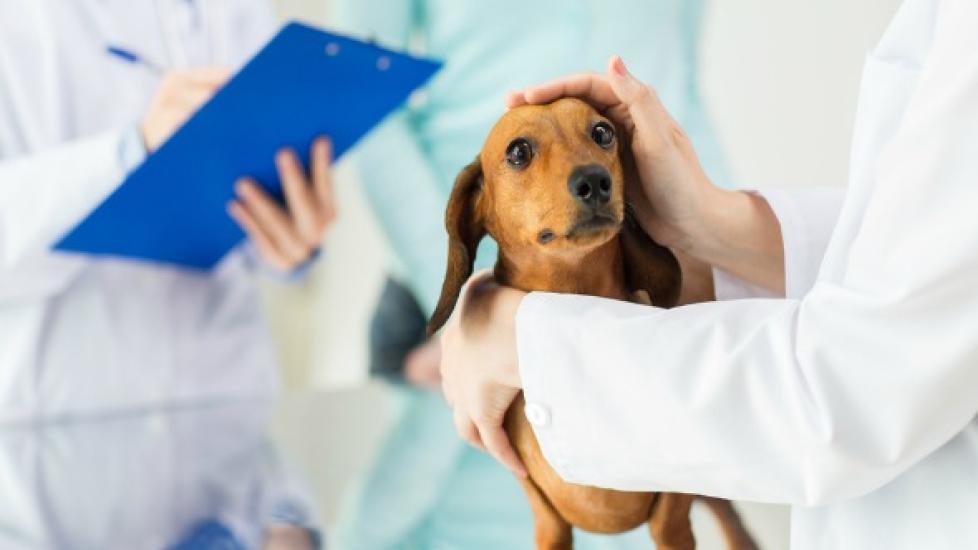
What to Do Once You Receive a Second Opinion Once a pet parent has received multiple opinions or diagnoses, you’ll need to begin trying to make the best decision possible for your pet. “The family needs to ask themselves what they want do [and] what they think is right for their pet. Talk to the veterinarian who is change of the whole thing and ask, ‘does this make sense?’” says Hohenhaus. If your pet is being treated at a large hospital, you can consult with a social worker who can help you sort out your feelings and what the best treatment plan is. Sadly, it also might be time to accept that euthanasia or hospice care is the best remaining option for your pet. Especially as pets age and some treatments become costlier and more invasive, investing the time, money and energy in a care plan that might only prolong your pets’ life by a few weeks or months may not make sense. Discuss with your doctors to decide on the best course of action for your individual pet.,By Teresa Traverse Like people, our pets can be diagnosed with a condition that might require a second medical opinion. However, unlike in human medicine, it can be hard to find information on how to go about getting another vet to chime in on your pet’s condition. Find out more about how to get a second opinion, how not to offend your primary vet while doing it and why sharing information with your vet is important, below. How Do You Get a Second Opinion? The first person you should ask about getting a second opinion is your primary veterinarian. “The veterinary community is very small, so your veterinarian likely knows the right specialists,” says Ann Hohenhaus, DVM and staff veterinarian at the Animal Medical Center in New York City. Hohenhaus acknowledges that many pet owners don’t want to tell their primary vets that they are looking for another opinion because they’re worried about hurting the doctor’s feelings, but it can be detrimental for your pet if the vets aren’t working together. “No single veterinarian can know everything out there that there is to know. So collaborating and sharing of information is really an important thing in practicing any kind of medicine,” Hohenhaus said. Maybe your vet will miss things that a second vet will catch. Maybe they’ll collaborate to come up with an effective treatment plan that you and both veterinarians are happy with. She advises that it’s usually best to have one vet coordinating care and discussing lab results with other vets, assuming you’re working with multiple vets. At the animal hospital where Hohenhaus works, pet parents are not charged for time the vets spend talking about cases amongst themselves as the staff works as a team. Pet owners are only billed for individual appointments they have with a particular veterinarian.
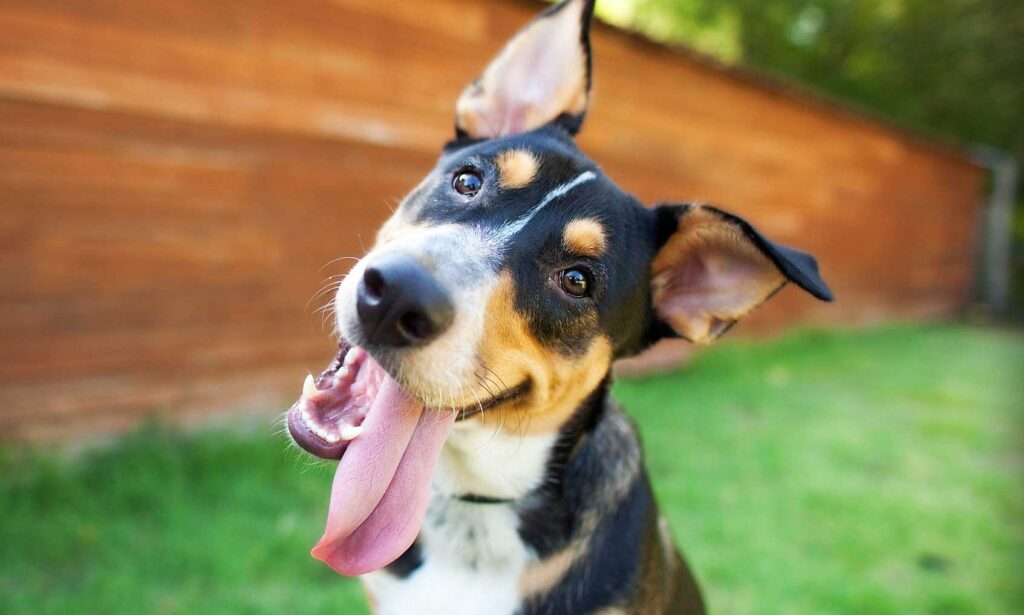
As any dog parent can attest, a home filled with wagging tails and eager wet noses is a haven of joy. Our beloved four-legged friends gift us with unconditional love that soothes the soul and charmingly goofy behavior that never fails to make us smile. Despite the occasional disappearing sock, we want our pups to be our loyal sidekicks forever, but just how long do dogs live? The lifespan of a dog varies greatly based on several factors, with the most significant being their breed and size. Small dogs tend to live longer than large dogs, but size isn’t the only factor at play. We spoke to a vet expert about canine longevity, including how to help your dog live a longer, healthier life.


What Is a Horse Whisperer? Your Guide to Natural Horsemanship

The 5 Best Winter Dog Sports and Activities to Try With Your Pup