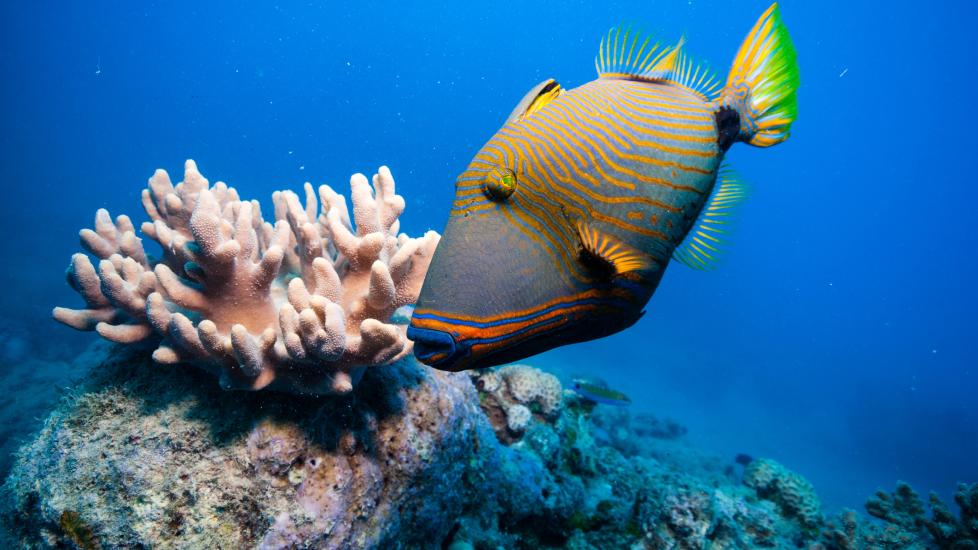
Triggerfish Care Sheet
In This Article Species Overview View 7 More +


Fish
In This Article Species Overview View 7 More +
In This Article Species Overview View 7 More +
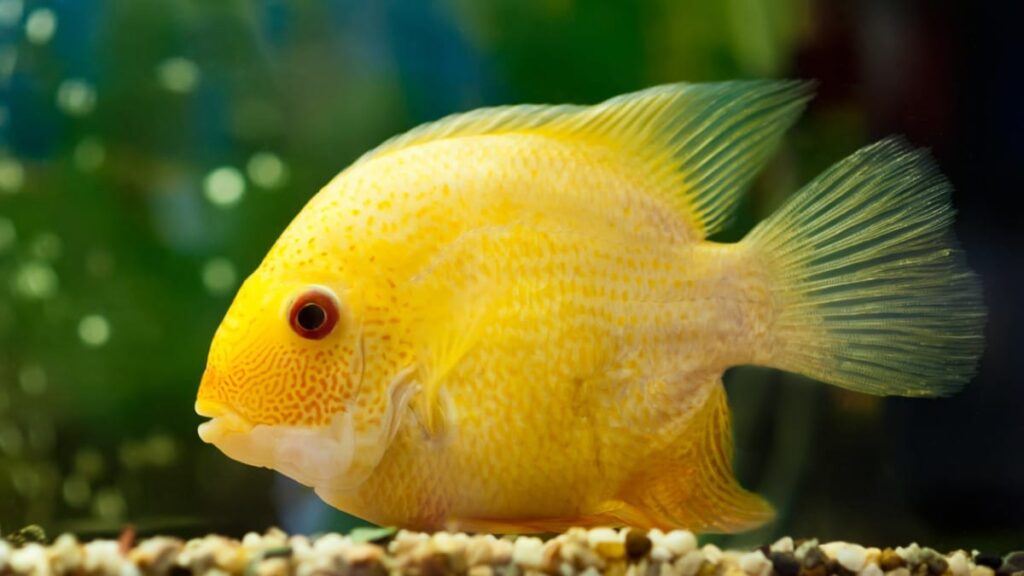
Cichlids in general have a well-deserved reputation for being nasty, and beating up on their tankmates. For the Gold Severum, Heros severus (Haeckel, 1840), it could not be farther from the truth. Yes, they might be tempted to snack on a small neon tetra or the like, but Gold Severums are a peaceful fish, even though they are somewhat on the large side.
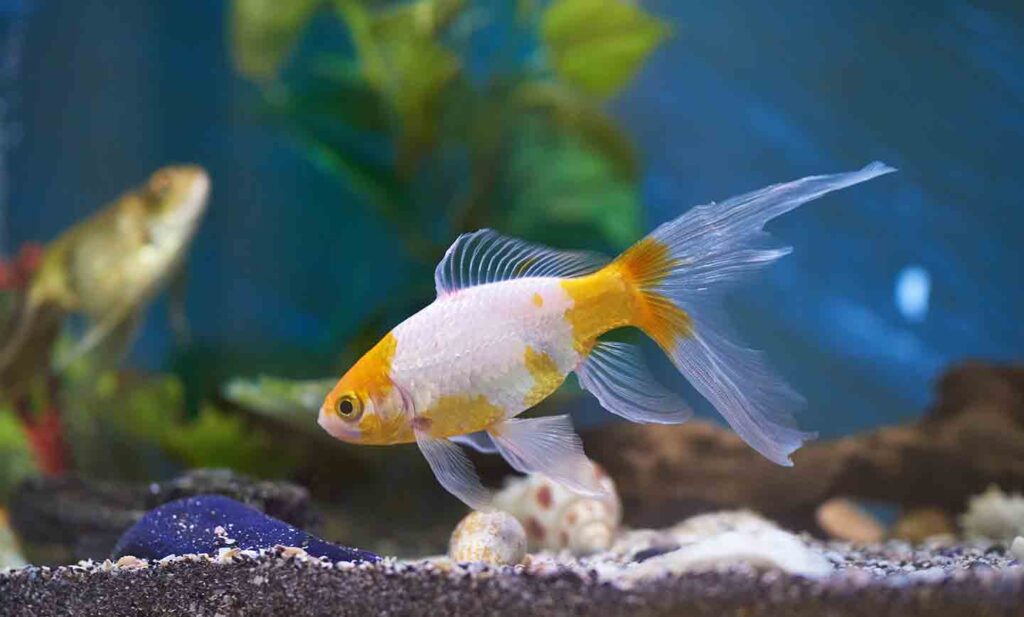
Jump to section Why Is My Fish Tank Water Cloudy? Why Is the Water Cloudy in a New Fish Tank? Why Is My Fish Tank Cloudy After a Water Change? Will Cloudy Water Hurt My Fish? How To Prevent Cloudy Water in a Fish Tank
In This Article Species Overview View 7 More +
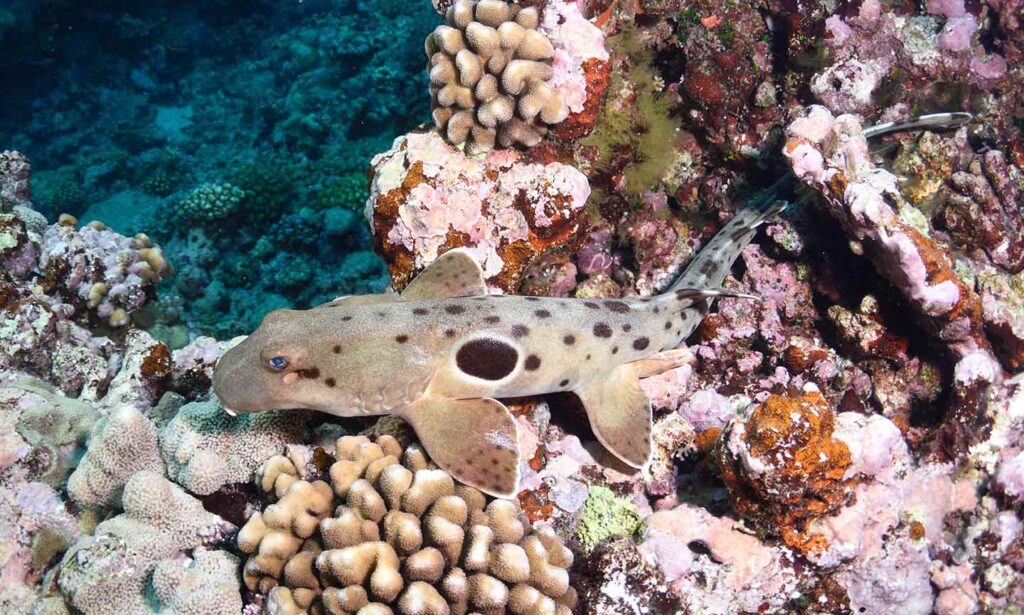
Sharks: Is there anything cooler in the ocean? From the tiny Dwarf Lantern Shark that is about the length of a pencil to the gigantic Whale Shark the size of a bus, sharks represent a fascinating and unbelievably diverse group of marine animals. It is no surprise that some aquarists want to take their appreciation of sharks to the next level by showcasing them in a home saltwater aquarium—but that requires plenty of planning, knowledge and a strong commitment to animal care. Even smaller sharks require a serious amount of space, and all need pristine water conditions, so it’s important to realize that keeping a shark is a major responsibility. Sharks are not a suitable animal for the average hobbyist; only advanced aquarists need apply. That said, let’s take a look at five types of sharks conducive to aquarium life and what they need to thrive.
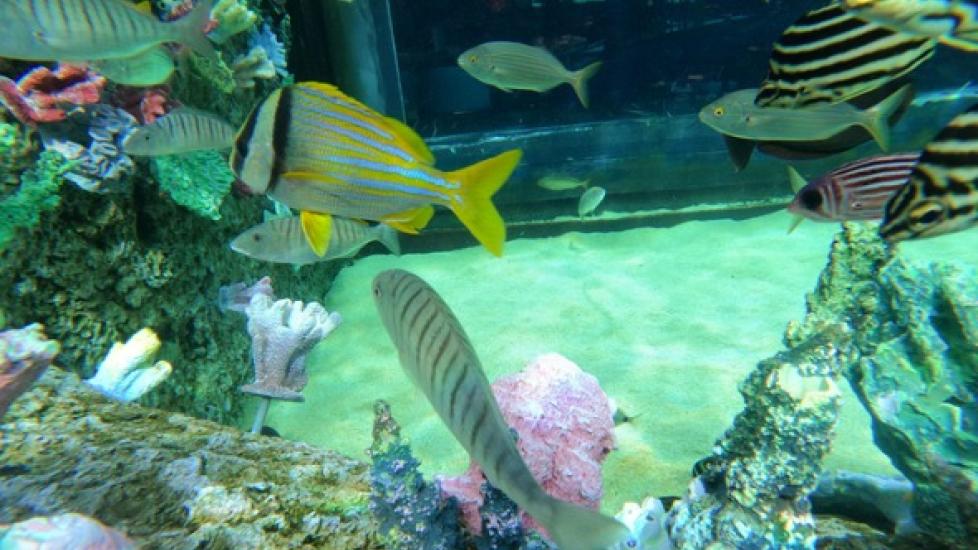
Medical problems are not always the cause of aquarium or fishpond emergencies. Instead, they often deal with environmental issues. Reasons for Emergency These environmental issues may include: Leaks Spills Electrical problems Filter problems Heater problems Pump problems Dirty aquatic environment Toxins found in the water (i.e., chlorine, ammonia or nitrite) Bird or animal attacks, when dealing with outdoor fishponds Injury (trauma) to the fish
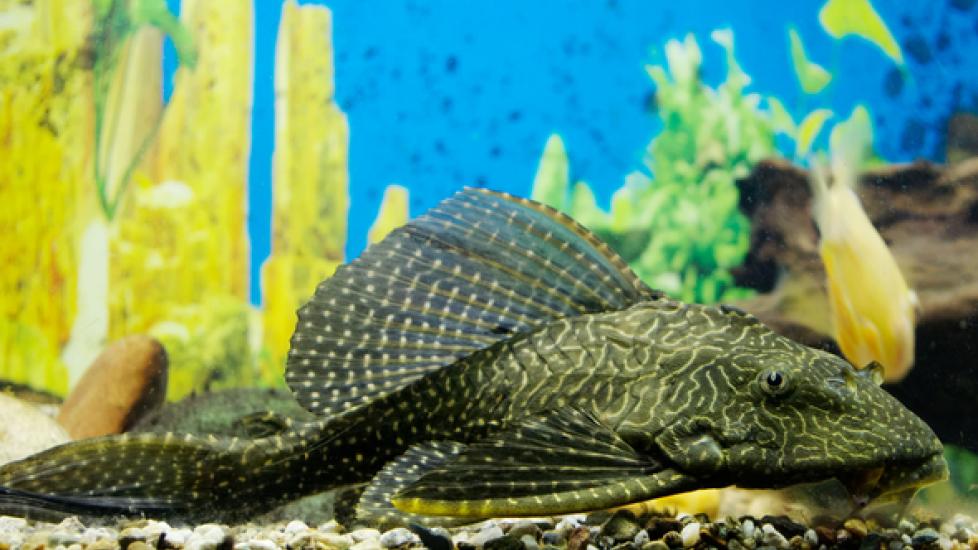
Catfish make an excellent addition to any aquarium because they help keep it clean. As far as aquarium catfish go, there are several species that hobbyists prefer; some of which remain small (like corydoras) while others grow larger (plecos and Columbian sharks, also called Jordan’s Catfish). Many pet catfish species tend to do well in groups or small schools and they even get along with some of the more aggressive species of fish, like betta fish. The type of catfish you pick for your aquarium depends on the size tank you have and the other types of fish in it. Want to know more about catfish? Here are a few additional fun facts: A catfish has about 100,000 taste buds, and their bodies are covered with them to help detect chemicals present in the water and also to respond to touch. Some ancient cultures used to keep catfish in their latrine ponds as a natural way of getting rid of waste. The Asian walking catfish can actually pick itself up and “walk” across the ground with its front fins and tail. It will walk short distances when it needs to relocate to a different pool or body of water. Some species of catfish are able to breathe through their skin, which is why most species of catfish are lacking scales and have smooth, mucus covered skin. Catfish are one of a few fish that have an organ called the Weberian apparatus that they use to communicate with each other underwater. The Weberian apparatus also helps improve its hearing ability. Catfish make additional sounds by rubbing parts of their bodies together underwater. Image: ShaunWilkinson / Shutterstock,By Kali Wyrosdic Though they may not sound exciting, catfish are incredible survivors as a breed of fish. They’re able to live and even thrive in temperatures from just above freezing to nearly 100 degrees Fahrenheit and can be found living inland and in the coastal waters of every continent minus Antarctica. Learn more interesting facts about catfish, including how to incorporate them into your aquarium, below. Where Do Catfish Live? Catfish are an extremely diverse group of ray-finned fish that get their nickname from their feline-looking whiskers, which are actually barbels that act as a defense mechanism (unlike other fish that have scales to defend them). Catfish can live in a number of conditions, with species that live in saltwater, freshwater and brackish water. Some catfish prefer stagnant water and others call rivers and streams with fast-moving currents their homes, it all depends. Some species of catfish are nocturnal(sleep during the day) while others are diurnal(active during the day). Channel catfish, a categorization that includes more than 45 species, account for all the commercial food fish production in the United States. There are nearly as many regional nicknames for the fish as there are species. In the United States alone they’re known as mud cats, polliwogs, chuckleheads, big bullheads, shovelheads, scoopers and flatties, to name a few. While there are nearly 40 species of catfish in North America alone, only six have been cultured for or show potential for commercial production. Aside from that, certain species of catfish make excellent pet fish and aquarium mates.
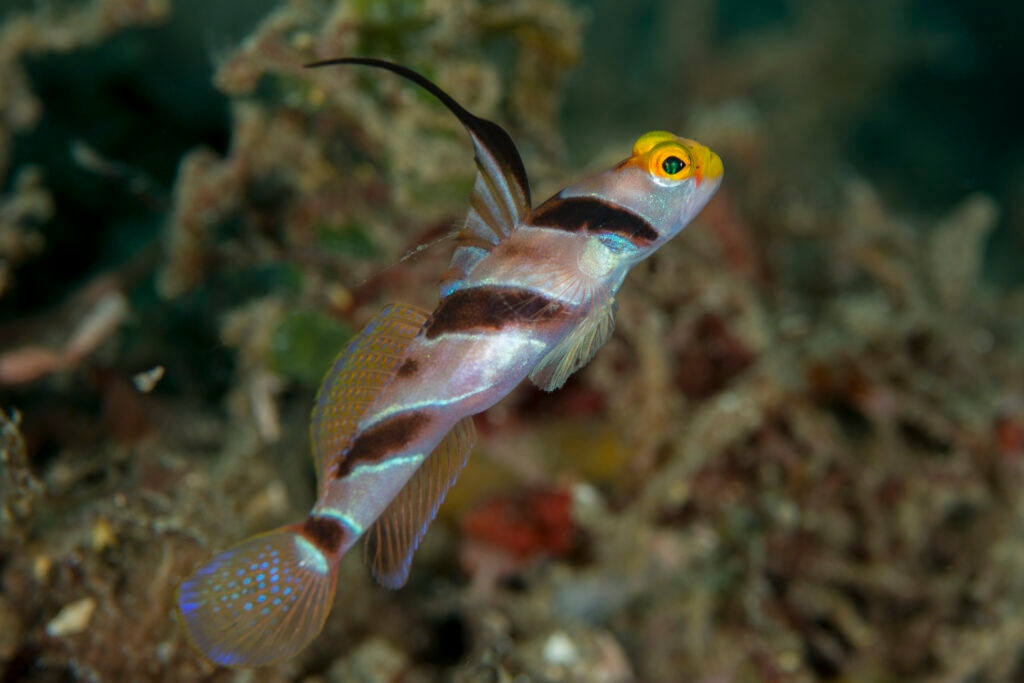
Nano tanks are small fish tanks, under 20 gallons—and they’re very popular among fish hobbyists. A saltwater nano tank can serve as a vibrant focal point in your home, filled with colorful fish, coral, and invertebrate species.


What Is a Horse Whisperer? Your Guide to Natural Horsemanship

The 5 Best Winter Dog Sports and Activities to Try With Your Pup