Laminitis in Horses (Founder)
In This Article Summary View 6 More +


Horse
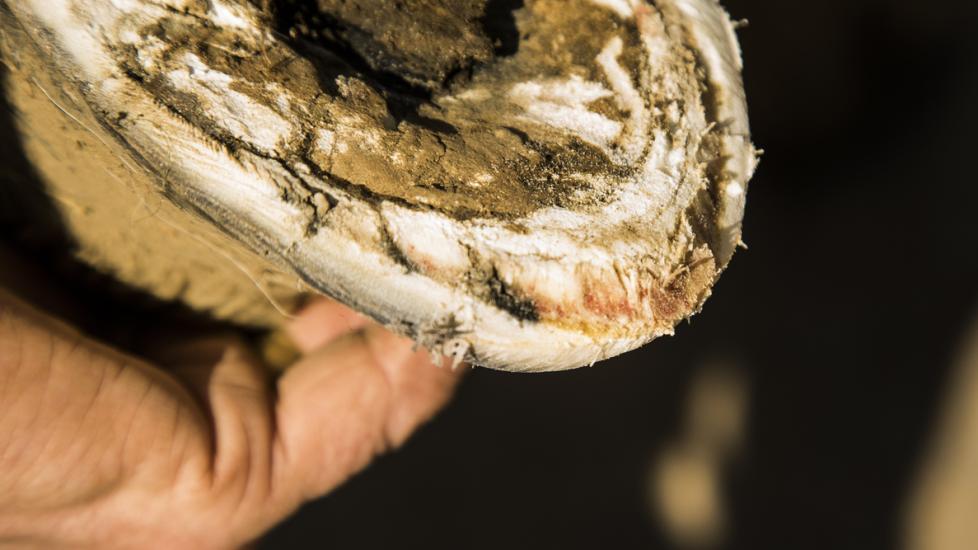
In This Article Summary View 6 More +
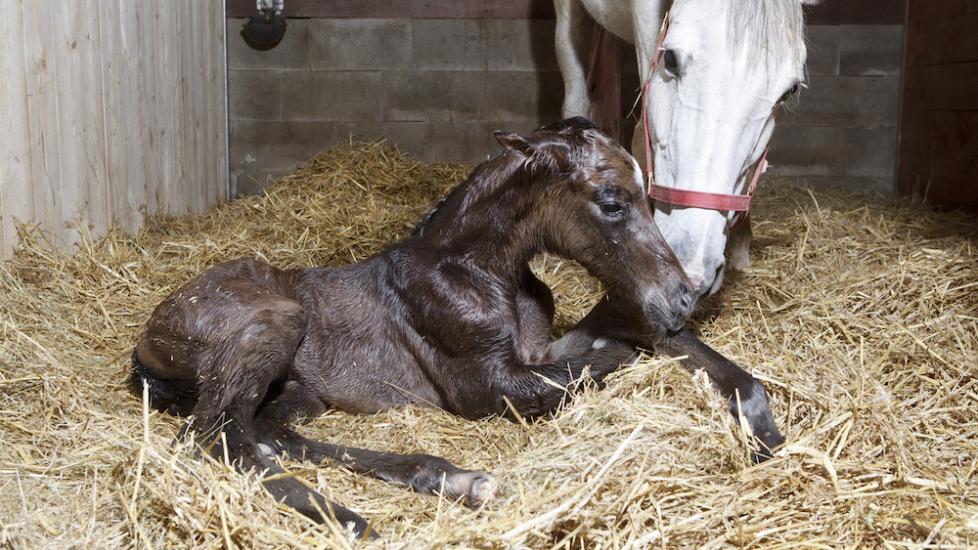
In This Article Are Baby Horses Born with Hooves? View 4 More +

In This Article Summary View 7 More +
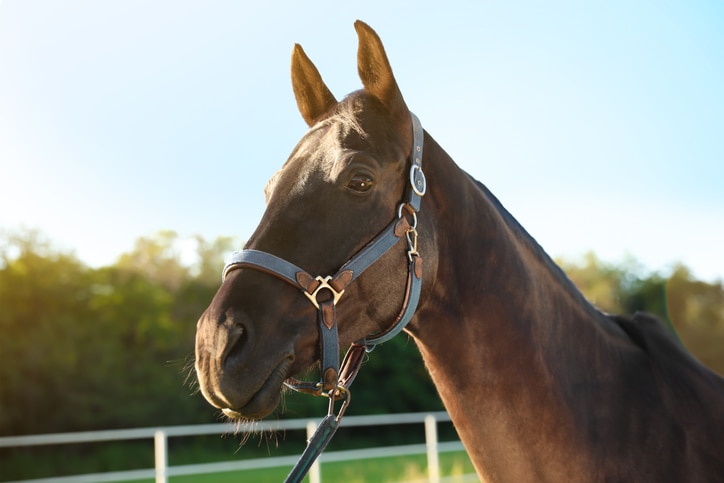
Horse halters are one piece of tack you’ll use every day—maybe multiple times a day! But with so many halter styles and sizes available, where does one begin? In this guide, you’ll find tips for selecting the right halter for your horse.
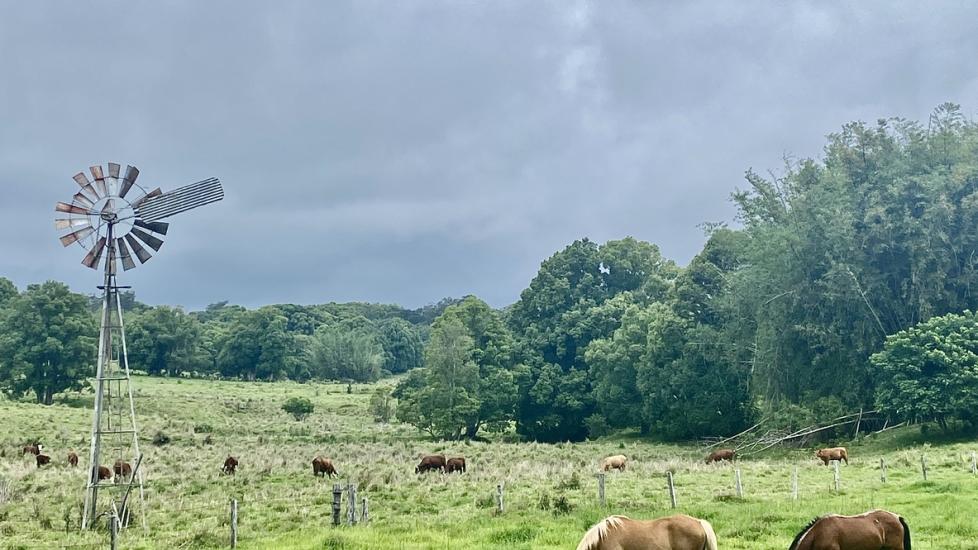
References Close,Reviewed for accuracy January 31, 2023. The Australian Stock Horse, once called a Waler, is actually a riding horse. But throughout history, this horse has been used mainly for work rather than riding. It’s good for both purposes and is quite a common breed. Physical Characteristics The ideal Australian Stock Horse has an alert head, sloped shoulders, well-defined withers, and deep chest. Standing between 14.2 and 16 hands high (56-64 inches, 142-162 centimeters), the Australian Stock Horse powerful quarters and straight legs. Additionally, all colors are accepted in the Australian Stock Horse.

In This Article What Does a Horse Runny Nose Look Like? View 5 More +

In This Article Overview View 6 More +

In This Article Summary View 3 More +
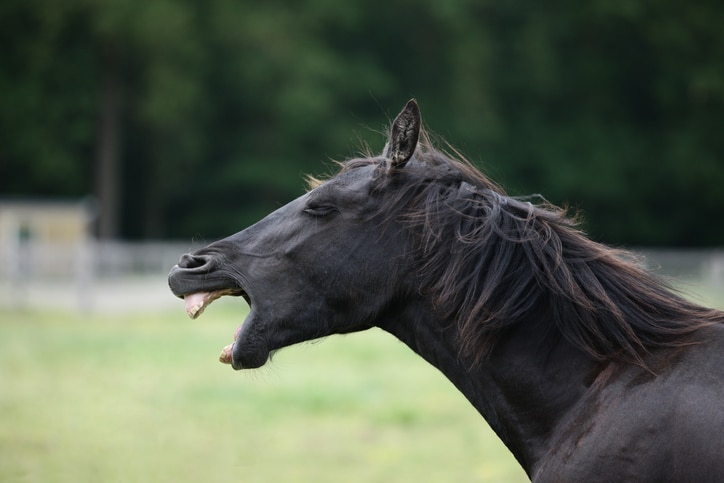
Q: I’m taking horseback riding lessons and my horse yawns during my lesson. My trainer says it’s just his personality, but I’m not so sure. Is it normal for a horse to yawn all the time, or is he trying to tell me that I’m boring him? A: Frequent yawning is uncommon in horses, but it’s probably not a negative review of your riding. Studies show that equine yawning might be at least partly a social behavior showing affinity, and some experts say it’s a way for horses to release physical and emotional tension. In rare cases, excessive yawning can be a symptom of a medical condition. However, sleep-deprived horses don’t yawn more than well-rested ones, so it’s unlikely that your lesson horse is tired—or bored with you. To learn more about why horses yawn, we spoke to Katherine Houpt, VMD, professor emeritus of behavior medicine at Cornell University in Ithaca, New York; Natalie Lord, DVM, a large and small animal veterinarian at Four Paws – Cuatro Patas in Austin, Texas; and Camie Heleski, PhD, a senior lecturer at the University of Kentucky’s Equine Science and Management Program in Lexington.
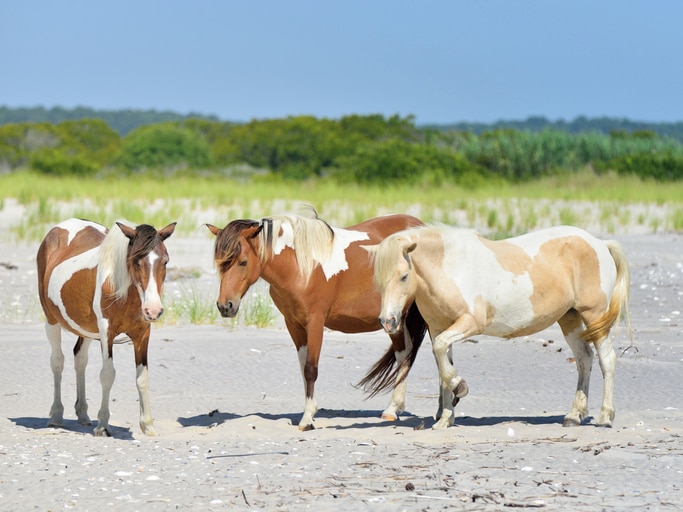
Understanding horse body language allows you to build deeper trust with your horse and helps you spot potential safety issues before they become dangerous. Reading a horse’s body language teaches you to interpret situations and develop a deeper connection with horses. “If you want to learn about equine body language, the best thing you can do is spend time watching horses,” says Jennifer Williams, PhD, executive director of the Bluebonnet Equine Humane Society in College Station, Texas. “Watch horses in the pasture interacting with each other and with people and write down what they do.” Here’s how to read a horse’s body language.

What Is a Horse Whisperer? Your Guide to Natural Horsemanship

The 5 Best Winter Dog Sports and Activities to Try With Your Pup