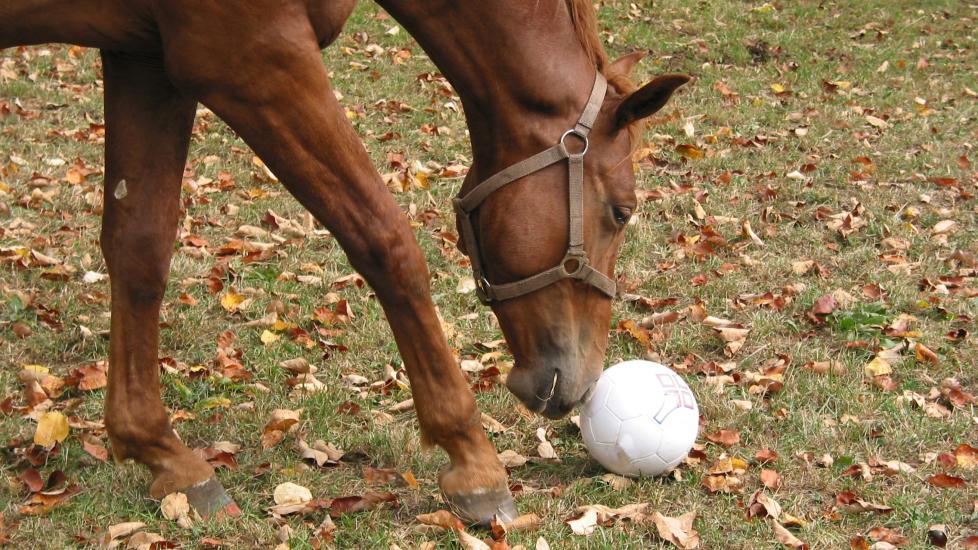
The 9 Best Toys for Horses
In This Article Why Do Horses Need Toys? View 3 More +


Horse
In This Article Why Do Horses Need Toys? View 3 More +
In This Article Summary View 4 More +
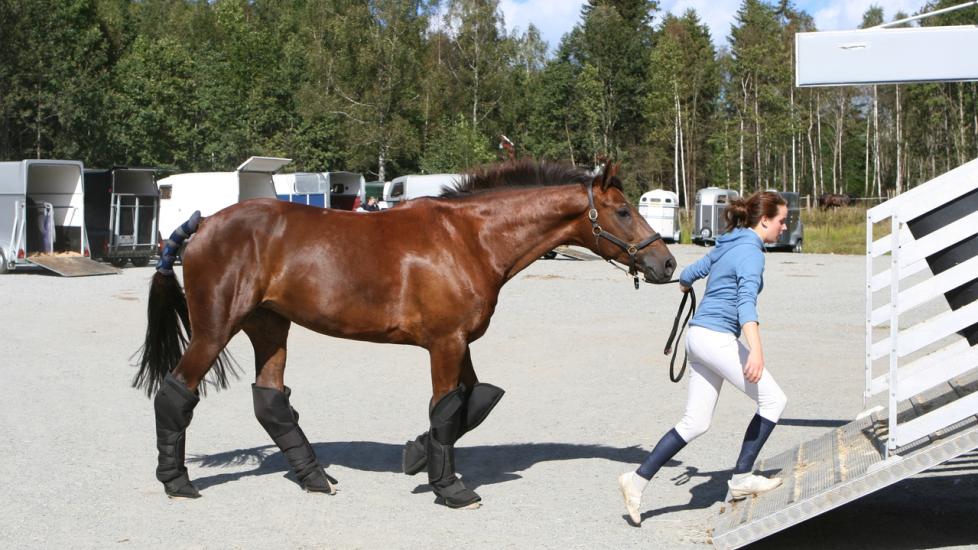
WRITTEN BYJennifer Rice, DVM, CVSMT Veterinarian Dr. Jennifer Rice is a 2017 graduate from Purdue College of Veterinary Medicine where she specialized in Equine medicine. Since graduating…,Bringing home a new horse whether it’s your first horse or adding an addition to your barn is always an exciting time. But with all the excitement, it’s also important to make sure you have everything you need to ensure a smooth and stress-free move. What Do I Need to Bring a Horse Home? Whether bringing a new horse to your own barn or to a boarding facility, here is a list of items you should make sure to include with you: First aid kit Negative Coggins test: If moving the horse across state lines, they must have an up-to-date (within the last year) negative Coggins. Coggins is a blood test that must be performed by a veterinarian to declare that the horse is negative of the virus equine infectious anemia. This is generally performed annually by your veterinarian. Health certificate: This certificate is written by a veterinarian saying that the horse is in good health and could be required in some states or settings. Medical records from the previous owner including dental records, vaccination and deworming history. Vaccination history is incredibly important as many boarding barns will not allow new horses on the property unless they are up-to-date on specific required vaccines. Talk to your primary veterinarian about the vaccinations and protocol before bringing any horse onto your own property, especially if you have other horses at the site. Hay: If the previous owner would be willing to give you a bale or two of the horse’s current hay, you can then gradually switch them to your hay. Grain: If the previous owner can give you enough grain for 5-7 days, then you can also gradually transition them over to whatever grain you will be giving them or if you can find out the grain ahead of time you can have that at the barn before arrival. Shipping boots or leg wraps: It is often recommended to protect a horse’s legs while traveling to help protect them from any injury while loading, trailering, and unloading. Halter with lead rope: Bringing an extra halter or lead rope is always advised. Shoeing history: The previous owner should let you know when the horse had their last feet trim and how often they generally have their feet trimmed. Pre-purchase exam: A pre-purchase exam is recommended before buying any horse. This can be as simple as an overall health exam performed by your veterinarian to make sure the horse appears to be in good health. For many performance horses this exam may also include bloodwork, lameness examination, and radiographs to look for any abnormalities. Insurance: Horses are an investment, hard to replace, and rather costly when medical issues arise. Horse insurance can cover a variety of options from surgery or major medical coverage to theft and mortality of the horse. If insurance is something you want to invest in, it is always best to have the policy planned before bringing the horse home so that they are covered the moment you take ownership.
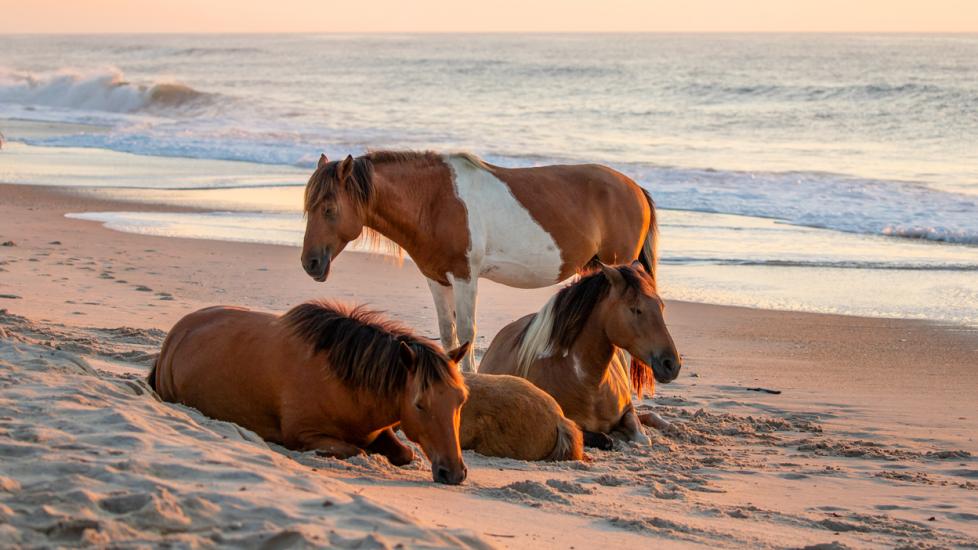
Reviewed for accuracy December 13, 2022. The Assateague and Chincoteague are two rare U.S. horse breeds, both of which are nearly identical in physical attributes and characteristics. They also inhabit the same island of Assateague off the coast of Virginia and Maryland, although each herd is divided by a fence separating the two states. The National Park Service oversees the Assateague herd residing on the Maryland half of the island, while the Chincoteague live in Virginia and are managed by Chincoteague Volunteer Fire Company. Physical Characteristics The Assateague and Chincoteague breeds are found in various colors, although they are often seen in pinto. Standing at about 12 to 14 hands high (48-56 inches, 114-142 centimeters), their legs are small yet strong. Their withers, meanwhile, are prominent and their ears and muzzles are small. These lightly built breeds also have unique wide-spaced eyes.
In This Article Overview View 5 More +
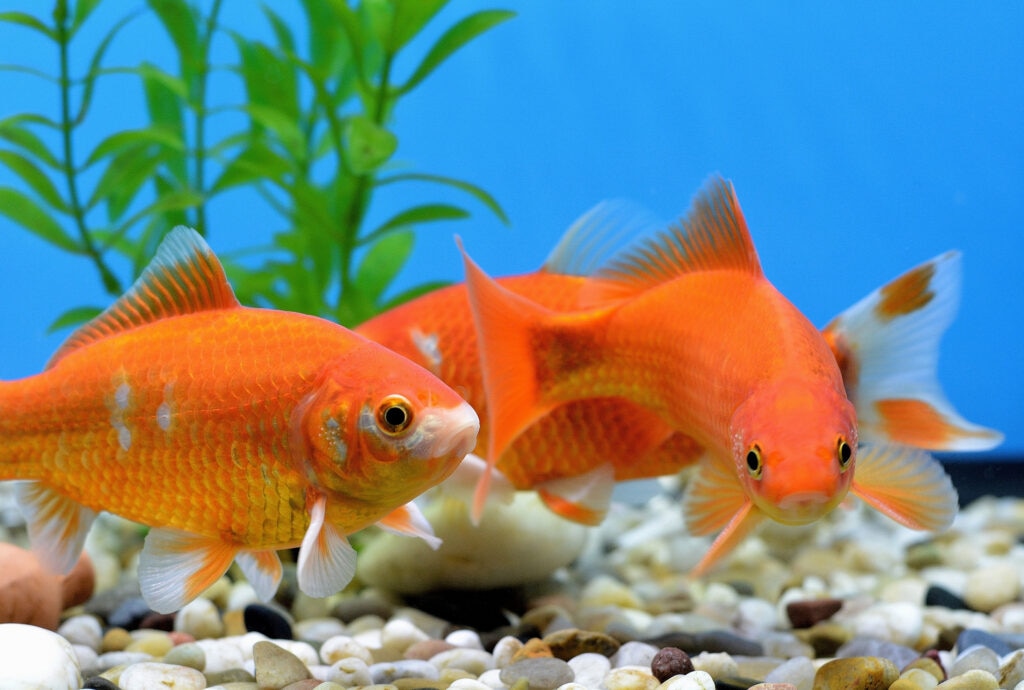
Goldfish have a unique digestive system that requires a large variety of food to remain healthy. Here’s what you should know to ensure your goldfish’s nutritional needs are met.
In This Article What Is Horse Rearing? View 3 More +
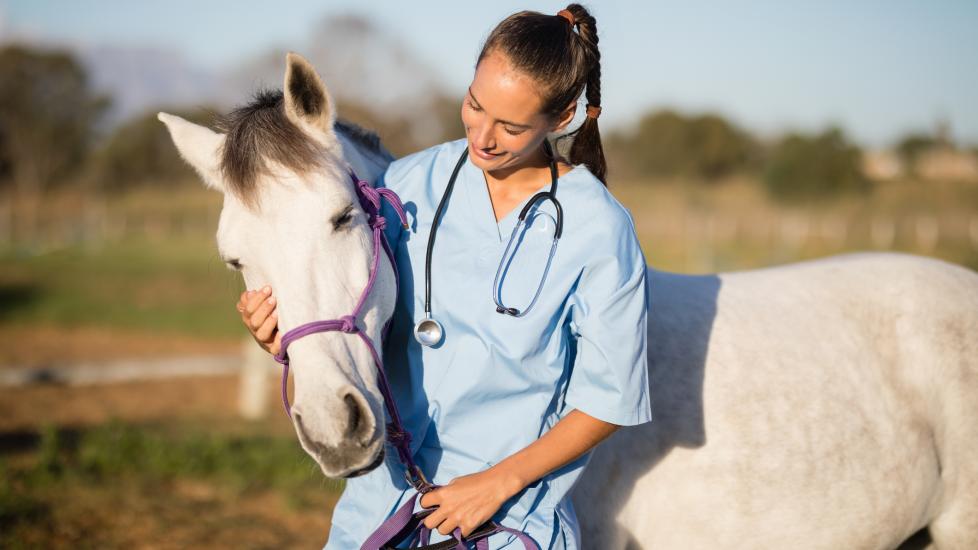
In This Article How To Choose an Equine Veterinarian View 3 More +
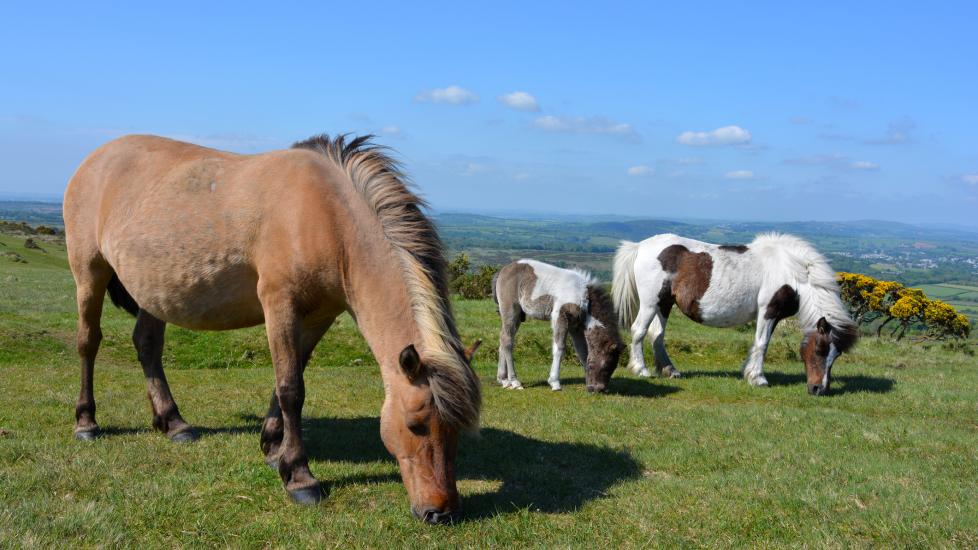
In This Article Overview View 8 More +

5. Read Pet Health Books and Watch Animal Shows Together Learning can happen from your living room, too! You can help your child build their animal knowledge by reading age-appropriate books on pet care, animal anatomy, or veterinary stories, or by watching educational shows on Animal Planet, Disney+, and Nat Geo Wild, including: Critter Fixers Pop Goes the Vet with Dr. Joya The Vet Life Dr. Oakley, Yukon Vet The Zoo Animal shows like these can spark curiosity and introduce new animals and care techniques. After watching animal shows or reading animal care books, you can even quiz your child in a fun way—such as asking “What does a vet do when a dog has an upset stomach?”—to make learning more interactive. Check your library for books written by veterinarians or veterinary organizations, such as Vet Set Go, or ask your local bookstore for recommendations for animal-loving kids.,If your child lights up around animals or keeps talking about being a veterinarian someday, you might wonder how to support their big dream. The good news is that you don’t need to wait until they’re grown up to get started. From volunteering at local animal shelters to joining special programs like the one at blendVET®, there are many ways to help kids explore animal care right now. At blendVET, we believe in helping every child believe they belong in veterinary medicine—especially kids from underrepresented communities who may not always see someone who looks like them in this field. Here are six fun, safe, and inspiring ways to support a child who dreams of caring for animals.
What Is a Horse Whisperer? Your Guide to Natural Horsemanship

The 5 Best Winter Dog Sports and Activities to Try With Your Pup