Finding the Link Between Behavioral Stressors and Gastric Ulcers in Horses
In This Article What Are Equine Gastric Ulcers? View 4 More +


Horse
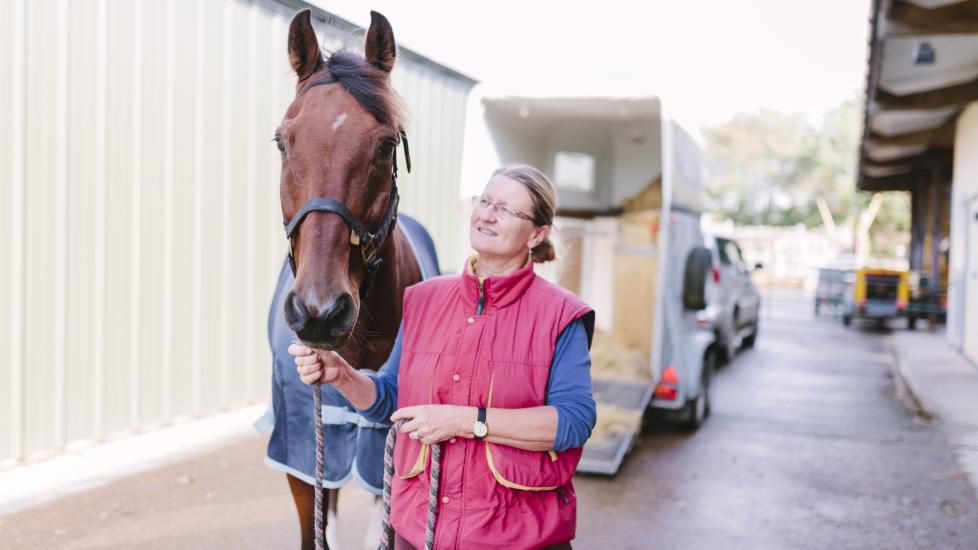
In This Article What Are Equine Gastric Ulcers? View 4 More +
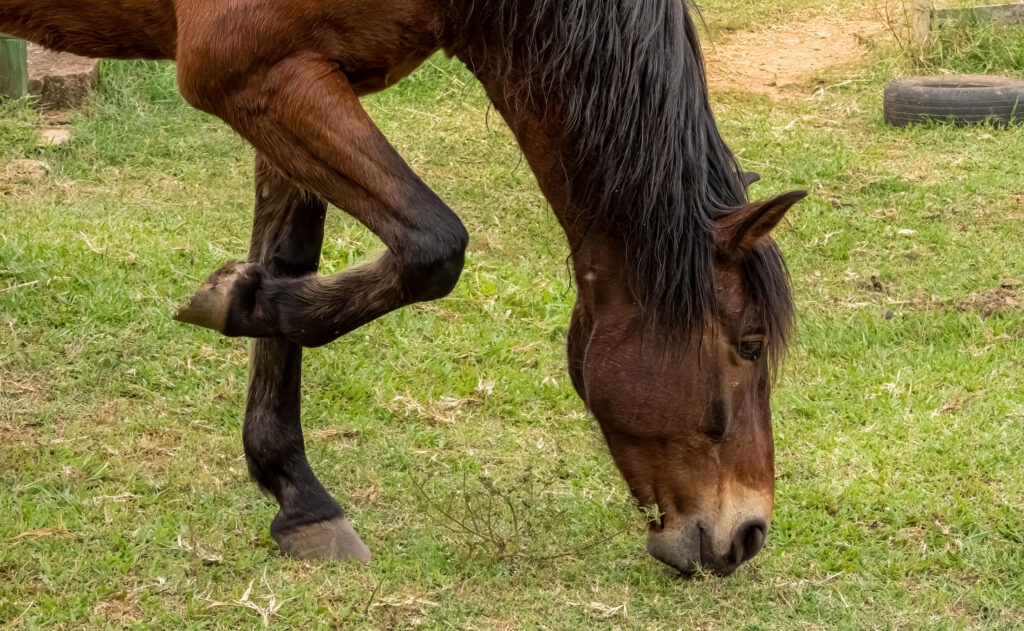
Navicular in horses is a progressive degenerative disease that affects the soft tissue, navicular bone, and surrounding structures in the hoof. While there is no cure for navicular syndrome in horses, research has allowed veterinarians and farriers to improve management and outcomes for horses diagnosed with navicular disease. Some breeds, including Quarter Horses, Warmbloods, Standardbreds, and Thoroughbreds, are more susceptible to navicular than others. Navicular is not a medical emergency, but it’s essential to contact your veterinarian at the earliest signs of lameness. Early detection and intervention give your horse the best chance of feeling relief and returning to work.,Decades ago, navicular in horses was a career-ending, sometimes life-ending diagnosis. But thanks to advances in research, treatment, and management practices, many horses can remain comfortable and even rideable for years after a navicular diagnosis. Here’s what you need to know about navicular syndrome, how to reduce your horse’s risk, and how to manage a diagnosis.

In This Article Summary View 6 More +
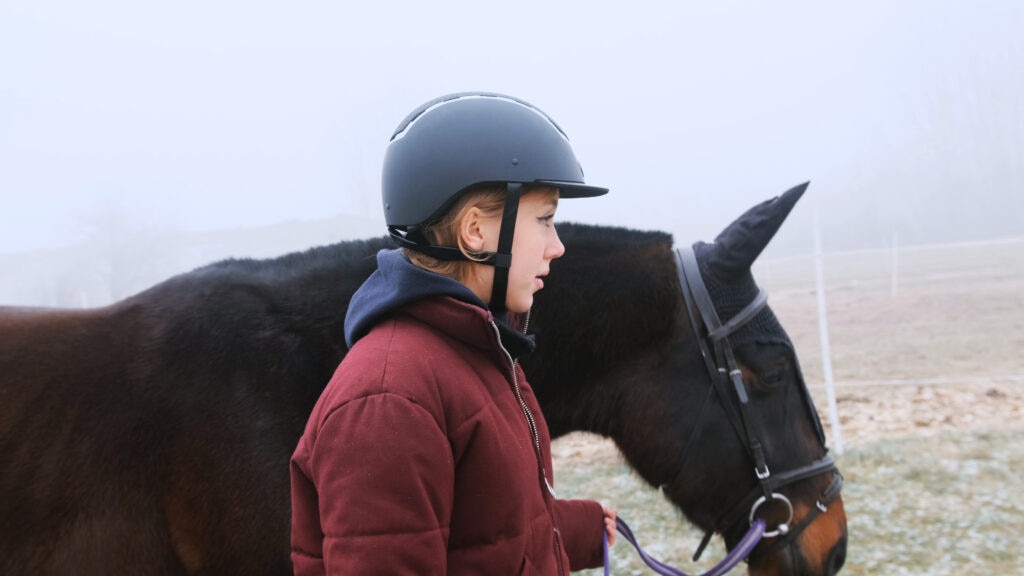
Bareback riding, or riding a horse without a saddle, is not only a lot of fun, but it can also deepen your bond with your horse while improving your riding skills. But like any other activity with horses, bareback horseback riding has some risks. From choosing the right horse to picking the right time and setting for your ride, there are many ways that you can maximize your safety and enjoy your first bareback ride.
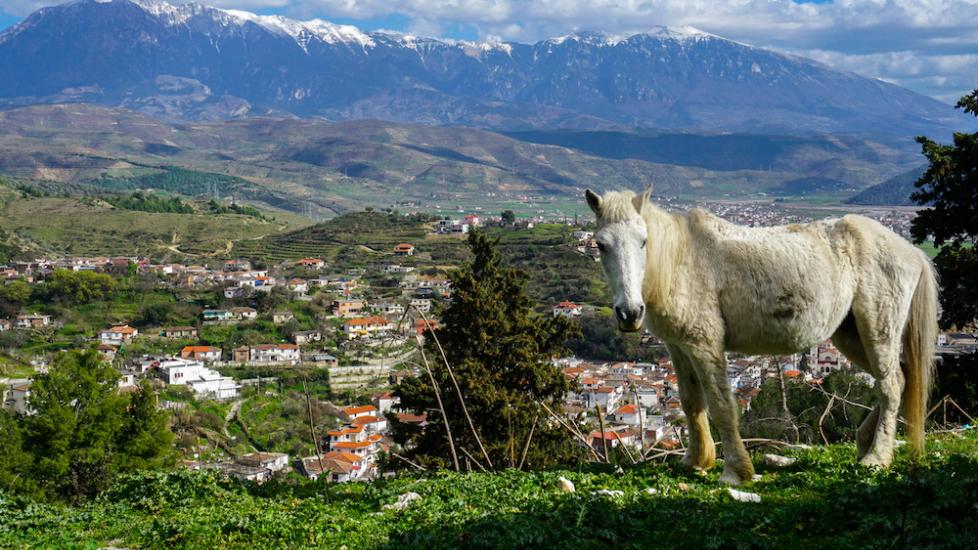
Reviewed for accuracy November 11, 2022. The Albanian breed is named after its place of origin—Albania. A common horse breed, the Albanian is ideal for riding detail but is also useful in light draft work. Physical Characteristics There were originally two types of the Albanian breed: the “Mountain Albanian” and the “Myzeqea,” or “Plains Albanian,” a designation which came from the horses’ breeding grounds. The Mountain Albanian measures from 12.2 to 12.3 hands (around 49 inches, 125 centimeters) high, while the Plain Albanian is taller at around 13.2 hands (53 inches, 134 centimeters) high. Due to crossbreeding, however, the differences between the Mountain and the Plains types have blurred through the years and are no longer clearly apparent. Though smaller and lighter, the Mountain Albanian was also slightly more agile and spirited than the Plains Albanian. For this reason, the Mountain Albanian was preferred for riding. The Plains Albanian, meanwhile, was heavier and taller. Due to its slightly larger form, it was mainly used for draft work like pulling carriages and light loads. The Albanian’s gait is easy and natural, and it is quite strong for its size. Generally, the Albanian horse is chunky and stocky; it appears in common colors like chestnut, black, or gray.
In This Article Summary View 6 More +

In This Article Overview View 6 More +
In This Article How Many Teeth Do Horses Have? View 3 More +
In This Article Signs a Horse Is in Pain View 3 More +
In This Article Summary View 6 More +

What Is a Horse Whisperer? Your Guide to Natural Horsemanship

The 5 Best Winter Dog Sports and Activities to Try With Your Pup