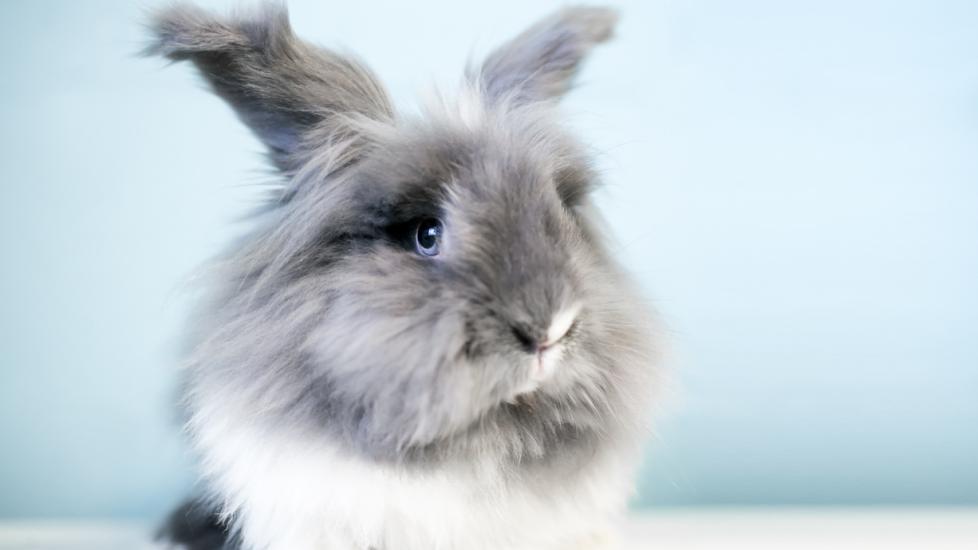
Lionhead Rabbit
In This Article General Care View 5 More +


Rabbits
In This Article General Care View 5 More +
Ulcerative Pododermatitis in Rabbits Ulcerative pododermatitis, or bumblefoot, is a bacterial infection of the skin; specifically, the skin of the back feet and hocks — the part of the back leg that rests on the ground when a rabbit sits. Because of the location and characteristic symptoms, this condition is also referred to as “sore hocks.” If left untreated, ulcerative pododermatitis can deteriorate to include deep pyoderma — severe inflammation with pus filled lesions, and deep cellulitis — severe inflammation of the deep cellular and connective tissue. Exposure to harsh and wet surfaces, or moist surfaces which keep the tissue of the foot pads soft can predispose a rabbit to developing sores on the feet. Once a deeper infection has set in, many other health conditions can arise in the rabbit. Synovitis (swelling of the joint tissues) often follows, progressing to osteomylitis (infection of the bone marrow), and mosteonecrosis, which results in the loss of blood supply to the bones, eventual bone tissue death and breakdown of the bones. Symptoms and Types The signs and symptoms of ulcerative pododermatitis are usually graded from Grade I to Grade V, depending on the severity of the disease. Grade I – Rabbits in this stage of the disease have a milder form of the disease and may experience some hair loss and other early symptoms on the bottom surfaces of the rear feet Grade II – Rabbits with this mild stage of the disease will experience hair loss on the feet or hocks, and may also experience swelling and redness on the feet and hocks Grade III – In this moderate stage of ulcerative pododermatitis the rabbit is more likely to experience broken skin, ulceration and possibly scab formation which may provide an opportunity for infection Grade IV – During this severe form of the disease the rabbit is likely to have an abscess, a pocket of infection, and inflammation of the tendons or deeper tissues within the hind limbs of the body Grade V – At this stage of the disease the rabbit is likely to experience severe symptoms of ulcerative pododermatitis, including osteomyelitis or bone marrow infection, swelling of the joint tissue (synovitis), and possibly inflammation of the tendons (tendonitis), which can all lead to an abnormal walk, stance and posture Other signs and symptoms may include an unwillingness to walk, which is largely associated with discomfort and pain, obesity, nervousness, and inability to eat Causes There are many causes for ulcerative pododermatitis, including pressure sores where the soft tissues of the limbs of the rabbit become lodged or trapped between bone and hard surfaces. Too much friction and exposure to constant moisture, especially on the hind feet, and exposure to urine or feces can also subject the feet to ulcerative pododermatitis, especially in animals with weakened immune systems or those that sit in soiled litter. Rabbits that are obese, or those that get too little exercise are at risk due to the amount of pressure placed on the foot surface, and/or the amount of time sitting in one place. Rabbits that thump their feet excessively are also at an increased risk of developing skin problems with the surface of the foot pad and hock. Some rabbits develop ulcerative pododermatitis secondary to a bacterial infection, such as that caused by Staphylococcus aureus. Other common infections include Pasteurella multocida, Proteus spp., Bacteroides spp. or Escherichia coli. Diagnosis Your veterinarian will need to rule out abscesses and infection that are associated with other trauma or fractures. X-ray imaging can provide detailed diagnostic images of the bones, allowing your veterinarian to determine how involved the bony structures in the body are, so that an estimate can be made for prognosis. Typically, rabbits with bone infections have a poorer prognosis and require longer treatment than those with milder stages of the disease. An ultrasound examination can help rule out other causes for pain and discomfort as well, and can provide a better estimate of how extended the infection is, and whether it has invaded the surrounding skin, tissues and joint fluid. Treatment Early treatment for ulcerative pododermatitis involves outpatient care for relieving redness, swelling, and discomfort. Later stage care may involve inpatient treatment, including surgical procedures to remove dead skin and tissue on the feet and hocks. The use of long-term antibiotics and pain control medications is sometimes warranted for severe causes of ulcerative pododermatitis. Eating is important during treatment to prevent the weakening of the gastrointestinal system and overgrowth of unfavorable bacteria in the gut. A wide selection of fresh greens, including collard greens, spinach, dandelion greens, parsley, etc. is necessary. Living and Management It is critical that your rabbit receives proper care for this condition, including the appropriate medical and post treatment care, and a clean living space that is free from wire flooring, and is kept clean and dry. Wire flooring can be harsh on a rabbit’s feet, causing calluses or small abrasions that can quickly become infected. Your rabbit should only have a smooth, soft, dry floor on which to rest, with thick bedding for sleep. It is especially important in humid environments to make sure that your rabbit’s floor space is kept free of moisture, since a damp floor provides an ideal environment for skin problems and bacteria growth, and humid conditions do not allow for rapid drying (e.g., spilled water, or urine on floor). A poor prognosis is likely for patients with severe disease, so early care is recommended and encouraged. Since recurrence is common, it is critical to seek veterinary assistance at the earliest signs of discomfort, before the infection has a chance to become complicated. It is also important to consider the financial and time constraints of treating a disease that will involve, in many cases, a commitment of time, emotional, and financial resources.
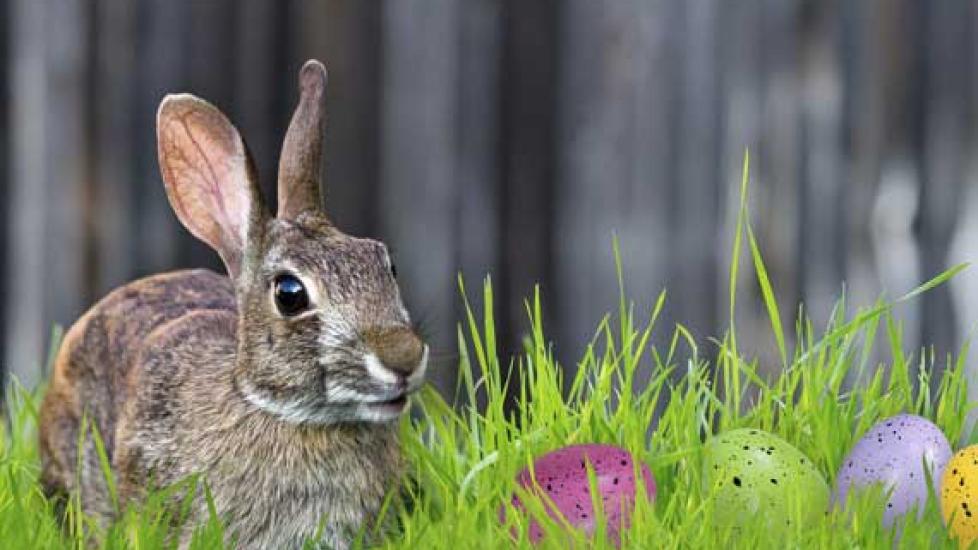
By Vladimir Negron Easter often evokes a sense of family tradition. These traditions may include such things as bonnets, brightly colored eggs, beribboned baskets, and chocolate bunnies. But what if your child asks you for a live bunny rabbit? Before you go out and buy an “Easter bunny,” consider the responsibility of caring for a rabbit. To eliminate the common misconceptions of rabbit care and behavior, petMD’s Vladimir Negron spoke with Heather Dean, community outreach spokesperson for MakeMineChocolate.org, a campaign led by the Columbus House Rabbit Society (CHRS), a non-profit organization devoted to finding permanent, loving homes for abandoned rabbits and educating the public’s understanding of rabbits as companion animals. Here’s what she had to say: People think that rabbits live two or three years. The reality is that rabbits can live 10, 11, 12 years. So if your child is 10 [when you get the rabbit], the bunny will still be alive when they go off to college. And then the question becomes, “Who will take care of the bunny for that long?” Rabbits are not cuddly. Rabbits are prey animals, so they have a strong fight or flight instinct. This is why they get scared when you pick them up too quickly. Therefore, kids may inadvertently sprain a rabbit’s leg or even break its spine if they try to pick it up forcefully. Rabbits certainly look cuddly, but they prefer petting over holding and handling. It’s not OK to leave the rabbit in a confined space, like a cage, for long periods. They usually do well if given at least four hours of exercise a day. In fact, most of the rabbits that [the CHRS] has adopted out to families don’t even require a cage because they are litter box trained. If you properly bunny-proof your home — cover the cords, protect the furniture — they can be free roaming. If you opt to keep your rabbit in a cage, get one your bunny can spread out in. The space that [the CHRS] recommends is four by four feet. The key, however, is to provide it with plenty of exercise outside the cage and interaction with the family. Rabbits require routine checkups along with spaying or neutering. It helps prevent or eliminate some behavior problems that can creep up, like urine spraying and aggressiveness, most of which is caused by hormones. Typically, these behavior problems begin when the rabbit reaches sexual maturity, usually between three and six months. A domestic rabbit cannot be expected to fend for itself in the wild. You are basically giving the rabbit a death sentence if you set it free in your backyard or in a park. Unfortunately, rabbits are the third most euthanized animal in U.S. animal shelters, right after dogs and cats. And in about three months animal shelters around the country will be bombarded by rabbits that people just don’t want anymore. “Easter may not be the best time to purchase a rabbit,” says Dean. “Do your research before getting a rabbit, and really talk to your family and make sure it’s clear who is taking care of the rabbit … because rabbits are not an appropriate pets for kids and they are high maintenance.” And what if your child asks you for a chick or a duckling instead of a rabbit? Cute as they may be when they are babies, they will grow up. Chickens and ducks are even harder to find homes for than rabbits, and to meet the demand during Easter, hatcheries and farms often increase the normal output of chicks and ducklings, increasing the stress on the animals and making them more prone to disease. One such disease, Salmonellosis, causes diarrhea, fever, and stomach pain in humans, especially in the elderly and young children. To many, springtime represents a renewal of life. Be certain that you are not sacrificing the life of an innocent creature for a little Easter joy this year. Image: Thinkstock
In This Article Why Is Bunny-Proofing Important? View 2 More +
In This Article General Care View 5 More +
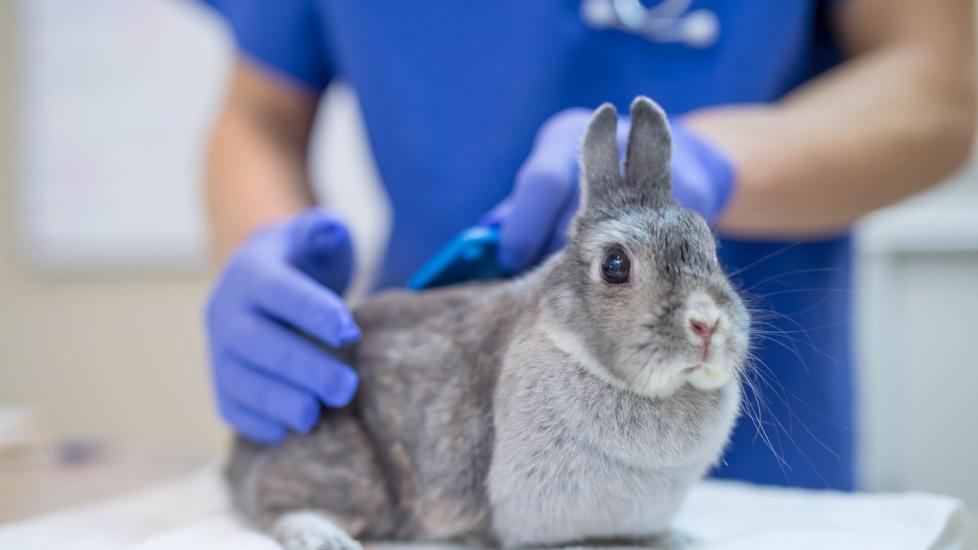
Many pet parents are surprised to learn that pet rabbits weren’t evaluated for vaccinations until 2021. If you are a new pet parent or existing pet parent to a rabbit, it’s important to know your rabbit’s vaccination status, vaccines available, and preventing diseases in your rabbit. Do Rabbits Need to be Vaccinated? With the rise of new diseases, vaccination of pet rabbits is becoming common practice in veterinary clinics all over the United States. What Is a Vaccine? A vaccine is a biological preparation that stimulates the body’s immune response against specific diseases. A vaccine could contain a weakened or killed form of the virus or bacteria, or a component of it like a protein. For humans, we are commonly vaccinated for the flu and other seasonal viruses each year. Pet vaccines vary in their scheduling, but are often done soon after birth, or when a pet reaches a certain age to combat common viruses. RHDV and RHDV2 in Rabbits In 2021, The United States Department of Agriculture (USDA) granted emergency use of the Rabbit Hemorrhagic Disease Virus (RHDV2) vaccine for pet rabbits. While RHVD has been prevalent in the United States since 2010, a new variant RHDV emerged that was more dangerous for pet rabbits. RHDV2 is a calicivirus (a virus that is part of the virus family Caliciciviridae), that attacks the rabbit’s liver and is highly contagious and lethal to rabbits. Symptoms can include sudden collapse and death, as well as severe bleeding. RHDV only infects wild and domestic rabbits. It cannot be spread from rabbits to other pets, including dogs and cats, but these pets can transfer the virus from outside to rabbits living in the home. The new variant of RHDV, RHDV2 was detected in the United States in 2018 and spread in wild cottontail and jackrabbit populations in 2020. Officials believe it will eventually become endemic, or regularly found, in North America which is why the vaccine came to light in 2021 and pet parents are highly recommended to vaccine their rabbit against the strain. As of August 22, 2022, RHDV2 has been documented in 23 states, mainly on the west coast and some southern states. RHDV can survive in the environment, be carried into the home on clothing or shoes, and spread to your rabbit easily. It can also spread directly from infected rabbits to other rabbits or if your rabbit is exposed to an infected rabbit’s blood, urine, or feces. The new variant of the virus is easily spread, highly resistant, and causes mortality in 70-100% of infected rabbits within a few days. It’s important to discuss vaccinating your rabbit with your veterinarian since treatment options for this virus are minimal. Protection rates from the vaccine have reached 90% when properly administered. Which Vaccines Are Available for My Rabbit? RHDV2 Vaccine Currently, in the United States, the RHDV2 vaccine is available in 45 states. The vaccine does not have full FDA approval, but preliminary research suggests it is safe and effective at preventing infection. Side effects of the vaccine include mild swelling where the injection was given, mild fever, and lethargy for a few days post-injection. Myxomatosis Vaccine Myxomatosis is a fatal disease for domestic rabbits, and there is currently no treatment. Symptoms include swelling, high fever, lethargy, and difficulty breathing. Myxomatosis is spread via fleas, black flies, fur mites, or indirect contact with infected rabbits. Myxomatosis in pet rabbits has been reported in Oregon, California, and Mexico. A vaccine for the Myxomatosis virus is unavailable for rabbits in the United States. The vaccine is available in Europe and the UK but has not been approved by the USDA. Rabbit Vaccination Schedule The RHV2 vaccine and annual boosters must be given twice, at least three weeks apart. A yearly booster is required to maintain immunity. This vaccine is considered safe for rabbits at 28 days old. Discuss your rabbit’s vaccination schedule and the recommended vaccines with your veterinarian. Preventing Disease in Rabbits In addition to receiving the RHDV2 vaccine, it is crucial to practice good biosecurity because no vaccine is 100% effective. RHDV2 is highly transmissible to rabbits through the environment. Rabbits infected with RHDV2 can spread it for up to a month in their urine, feces, blood, and other secretions. The virus can infect other rabbits through the mouth, nose, or eyes. RHDV2 can be spread via contact with infected carcasses, rabbit fur, food, water, clothing, and insects or predators. RHDV2 is also resistant to the environment; it can survive long periods outside a host on surfaces like clothing and grass for up to a month. It is recommended not to let your rabbit outside in areas where wild rabbits frequent. Do not wear outdoor shoes in areas where your rabbit is, and do not let your rabbit near those shoes. Do not feed your rabbit grass/weeds/flowers from outdoor areas that wild rabbits frequent. Always wash your hands before handling rabbits. If you have had a rabbit infected with RHDV2 and need to disinfect their habitat, removing all organic material/debris is vital before disinfection (bedding, feces, fur, etc.). Following removal of items, wash their cage thoroughly with soap and water. Fully submerge or saturate items with diluted bleach—Mix ½ cup of 6% or 8.25% household bleach to one gallon of water. Please allow a contact time of 5 minutes before rinsing with water and wear appropriate protective gear (rubber gloves, eye protection, protective clothing). Other disinfectant options are Virkon and Rescue. Please visit the USDA website for a complete list of disinfectants and protocols. If you live in an area where Myxomatosis occurs, keeping your rabbit on monthly Revolution is recommended to prevent fleas and fur mites. In addition, protect the rabbit’s outdoor play area with mosquito netting for rabbits that spend some of their time outside. Do not let your domestic rabbit interact or go near wild rabbits. If you have any questions or concerns about the vaccine, insect control, or cleaning/disinfectant, work closely with your veterinarian to determine the best next steps together. Rabbit Vaccination FAQs Is there a better time of year to give vaccines? As long as you consistently follow up with boosters, the best time of year to give the vaccine is the same each year, so there is no lapse in protection. Do show rabbits need additional vaccines? Show rabbits do not need additional vaccines but keeping them on good external parasite protection like Revolution is recommended.

By Dr. Laurie Hess, DVM, Diplomate ABVP (Avian Practice) Rabbits are perhaps the most popular small mammals kept as pets. They make great companions and can live a dozen or more years when they are cared for properly. However, they do commonly develop a few illnesses that all rabbit owners should be aware of so they can try to prevent them from occurring, or at least recognize the signs they cause so they can seek care for their rabbits if these signs occur. The five most common illnesses in rabbits are: Gastrointestinal (GI) Stasis The term “hairball” has been used for decades to describe a syndrome in rabbits in which they stop eating, stop passing stool, and become bloated with GI tract gas, fecal material, and dry mats of hair. The assumption was that the “hairball” was the cause of the slowing down or complete cessation of food movement through the GI tract. However, this is not true. The hairball actually is a result of, rather than the cause of, the problem. Rabbits normally have some hair in their GI tracts from grooming. With GI stasis, the problem is not an accumulation of hair in the stomach but instead decreased movement of food through the GI tract from a combination of decreased food intake, dehydration, and changes in the population of GI bacteria that normally ferment the food in a healthy rabbit’s GI tract. As a result, food and dehydrated mats of hair form an impaction, typically in the stomach. The appropriate term for this condition is GI stasis, and it can be a life-threatening problem in rabbits if they are not treated as soon as signs occur. GI stasis commonly develops when rabbits stop eating for a variety of reasons, including dental problems, respiratory tract infections, or even stress. Regardless of the cause for their not eating, rabbits showing signs of GI stasis should be examined by a veterinarian immediately and treated with subcutaneous fluids (or intravenous fluids, if they are very dehydrated), GI motility-enhancing medications, anti-gas drugs, and syringe feeding. Veterinarians should also diagnose and treat the primary cause of the rabbit’s decreased appetite. When treated early and aggressively, rabbits can make a full recovery even from severe GI stasis. Related Matted Hair and Hairballs in the Stomach in Rabbits Dental Disease Teeth problems are also very common in rabbits and are often linked to improper diet. Rabbits’ teeth (both front incisors and back molars) are open-rooted and grow continuously, up to 4-5 inches a year. Rabbits’ teeth will often overgrow when rabbits are eating excess amounts of soft, crumbly pellets and are not grinding their teeth down by chewing on enough coarse hay, as they would in the wild. Once overgrown, molars may become abscessed at the roots or form sharp spurs/points on their surfaces from abnormal wear. The sharp edges can cut into the tongue, gums, and cheeks. When upper and lower teeth do not meet properly during chewing to wear down sufficiently, the rabbit is said to suffer from dental malocclusion. Front teeth may overgrow to the point that they protrude out of the mouth, grow at an angle to each other, curl back into the mouth, curl sideways, or take on other problematic positions. Rabbits with dental disease will often drool, stop eating, stop passing stool, and develop secondary GI stasis. Rabbits with these signs should be examined right away by a veterinarian who can trim the teeth to try to re-establish normal occlusion of upper and lower teeth, as well as treat signs of GI stasis, if they are present. Tooth root abscesses may require teeth extraction under anesthesia, plus administration of antibiotics and pain relievers. Once they are eating again, rabbits with dental problems must be fed hay to try to prevent tooth re-overgrowth. Unfortunately, many rabbits with dental problems suffer from them long-term and require repeated veterinary treatment. Related Abnormality of Incisor Teeth in Rabbits Uterine Tumors Statistics show that as many as 70 percent of un-spayed female rabbits over 3-4 years of age develop uterine cancer. For this reason, all female rabbits should be spayed (have their uterus and ovaries removed) as soon as possible after 5-6 months of age. Un-spayed female rabbits often initially develop benign changes in their uterine endometrium (lining) that progress to malignant cancer over time. After several months, uterine cancer can spread or metastasize from the uterus to other parts of the body, especially the lungs. Once the cancer has spread, the condition is typically fatal. However, before it spreads, uterine cancer is completely curable if the rabbit is spayed. Rabbits with uterine cancer may at first show no signs other than a decreased appetite. Some may develop GI stasis. Over time, they may have bloody urine. They may lose weight and appear to have swollen bellies from a distended uterus. Rabbits with any of these signs should be examined by a veterinarian, who can often feel the rabbit’s enlarged uterus through her abdomen. A rabbit with a palpably enlarged uterus should have an x-ray of its abdomen and chest to ensure that no tumors are visible in the chest and to confirm that the uterus alone is being affected. Sometimes an ultrasound of the belly is required to confirm that the uterus is enlarged. If it is, and the chest looks clear, the rabbit should be spayed as soon as possible. Related Cancer of the Uterus in Rabbits Head Tilt Tilting the head to one side — referred to as torticollis — is a common sign in rabbits that can have different causes. The two most common causes of torticollis in rabbits are inner ear infection with bacteria and brain infection with a parasite called Encephalitozoon cuniculi (or E. cuniculi). Inner ear infection with bacteria is especially common in lop-eared rabbits whose ears point down and may, as a result, trap moisture and grow bacteria more easily in the ear canals. These rabbits may be eating and active and simply have a head tilt toward the infected ear, or they may be lethargic, not eating, have involuntary eye movements back and forth, and have vertigo to the point that they are rolling over and over on their sides in the direction of the head tilt. Pus may or may not be visible in the ear canal when a veterinarian looks into it with a lighted scope. X-rays of the head showing pus inside the inner ear, which is actually inside the skull, as well as a moth-eaten appearance to the skull bones, may be necessary for a veterinarian to confirm that there is inner ear disease. Treatment involves long-term administration of antibiotics and anti-inflammatory drugs, as well as supportive care, such as syringe feeding. E. cuniculi is a microscopic parasite that infects the brain and spinal cord (central nervous system, or CNS), causing various abnormal neurologic signs including head tilt, circling or rolling to one side, seizures, repeated stretching of the limbs, and abnormal eye movements. Some rabbits carry this parasite in their CNS without showing any signs, and they spread it to other rabbits through their urine. E. cuniculi infection is impossible for a veterinarian to distinguish from inner ear infection without x-rays and blood tests. Rabbits diagnosed with E. cuniculi are treated long-term with anti-parasitic and anti-inflammatory medications and supportive care, such as assisted feeding, as needed. Head tilt often resolves in these rabbits, but for some, it persists, and they learn to adapt to the condition, despite the tilt. Related Inflammation of the Middle and Inner Ear in Rabbits Respiratory Tract Infections Rabbits are obligatory nasal breathers, meaning they must breathe through their noses and cannot breathe well through their mouths. They commonly get respiratory tract infections that can affect both their upper airways (nose and trachea) and lower airways (lungs). Rabbits with infections confined to their upper airways often are referred to as having “snuffles.” Rabbits with mucus and discharge blocking their nasal passages may sneeze repeatedly and have trouble breathing. “Pneumonia” is reserved for those that have an infection affecting the lower airways as well as the upper. Those with pneumonia may also have trouble breathing, and may wheeze and sneeze. Rabbits with respiratory tract infections may have decreased appetites, eye discharge, decreased stool production, and weight loss. They may develop GI stasis secondary to respiratory tract infection. Respiratory tract infections in rabbits are most commonly caused by bacteria — especially bacteria called Pasteurella. Pasteurella bacteria are often carried by rodents, such as guinea pigs; thus, rodents and rabbits should never be housed together. Other types of bacteria, beside Pasteurella, as well as certain viruses, and occasionally fungus, can cause respiratory tract infections in rabbits, too. Rabbits with respiratory tract infections — especially those that are having trouble breathing — should be checked by a veterinarian as soon as possible. X-rays are often necessary to assess the rabbit’s lungs. Severely affected rabbits may need to be given oxygen, antibiotics, and anti-inflammatory drugs, as well as fluids subcutaneously or intravenously, and syringe feeding. Rabbits with blocked nasal passages may need their nostrils cleared so that they can breathe. Left untreated, rabbits with respiratory infections can die. With long-term medical treatment and supportive care, however, even rabbits with pneumonia can make a full recovery. Related Respiratory Bacterial Infection in Rabbits *** In general, rabbits can thrive as pets when they are fed and cared for properly. It is critical that rabbit owners be familiar with common illnesses in their pets so that they can recognize and treat them as soon as they occur. Related The Complete Guide to Rabbits
Vaginal discharge is not a common or normal occurrence in rabbits, and is normally taken to be a sign of infection or illness. Vaginal discharge includes any substance that comes from the vulvar labia, or vaginal area, including fresh blood or blood tinged fluid. Vaginal discharge is almost always considered abnormal, except in cases where the rabbit is discharging postpartum fluids — the fluids that leave the uterus after birth. Symptoms and Types The signs, symptoms and types of vaginal discharge vary from rabbit to rabbit and may vary according to the sexual status of the rabbit. Those that are sexually active are more at risk for vaginal discharge. Older rabbits are also more at risk. Common symptoms and signs include: Blood in the urine – although this is a misconception, since blood does not actually originate in the urinary tract but actually originates in the uterus Spotting, which is usually tinged with blood Discharge that may stick to the fur of the perineum or around the anus of the rabbit Enlarged uterus which may be easily felt on physical examination Enlarged mammary glands, either one or both Depression and lethargy Inability to eat or lack of interest in eating Nesting activities Increasing aggressive tendencies Pale mucous membranes Causes The causes for vaginal discharge may include: Uterine cancer, or adenocarcinoma, among the most common causes for vaginal discharge Other disorders of the endometrium or lining of the uterus, including tissue overgrowth Trauma to the vagina Urinary tract infection, which is unusual Vaginitis (inflammation of the vagina) Diagnosis To diagnose the condition, your veterinarian will gather a specimen sample of the urine to distinguish blood in the urine from blood expelled from the uterus. Other exams will include ruling out uterine adenocarcinoma (cancer). Ultrasound can be used to examine the uterus and surrounding reproductive organs, and radiography will help your veterinarian to detect any masses in the uterus and help measure the size of the uterus to determine if it is abnormal in any way. Pregnancy can also be ruled out during the course of these diagnostic checks. A culture will help rule out any bacteria infections, and will help assess the health of the vaginal flora – the collection of healthy bacteria, fungi, and microorganisms that normally live within the vaginal canal. An imbalance of the vaginal flora will be indicative of yeast overgrowth and other common fungal infections. Treatment Common treatments are typically aimed at treating the cause for the vaginal discharge. In cases of uterine adenocarcinoma, the internal reproductive organs may require complete removal, also known as a hysterectomy. Often, uterine disorders can increase the risk for hemorrhage in the uterus, which can be life-threatening. Blood transfusions are also sometimes necessary. To control bacterial infections, antibiotics may be used. However, they are recommended on a case-by-case basis, as they can sometimes proove fatal. Be sure to consult with a veterinarian before medicating your pet. Living and Management Complications associated with treatment may include blood infections, and adhesions or tissue growths in the abdomen. Some rabbits may also experience internal hemorrhaging. Overall, however, the prognosis is good for rabbits receiving an ovariohysterectomy in a timely fashion. For this reason, prompt treatment is the best course of action if your rabbit is in the early stage of vaginal discharge. Be sure to seek prompt care and follow up care for the best possible outcome. Featured Image: iStock.com/FatCamera
Rabbits are one of the most popular exotic animals kept as pets these days, and—when adopted into the appropriate home—they can make terrific companions. Bunnies come in all colors, shapes and sizes, and are readily adoptable from shelters and breeders. They are perfect pets for small living quarters, as they don’t take up a lot of space, don’t need to go outside and are generally very quiet. Typically cute and cuddly looking, rabbits can bond to their owners closely and respond to them by sight and sound. Unfortunately, because of their adorable appearance, too many people impulsively adopt a rabbit, especially around Easter time, without knowing what kind of care or supplies these animals require. As a result, new rabbit owners may ultimately become disillusioned with their pets once they realize that these animals require time and effort to care for properly. Too many bunnies are abandoned in shelters as a result of impulsive rabbit adoption. If you’re deciding whether or not to adopt a rabbit, there are several things you should know before bringing one home: Rabbits Have a Long Expected Life Span With proper diet and medical care, rabbits can live eight-12 years or more—which is longer than many other small animal pets. So, before you adopt a rabbit, be sure you are prepared to feed, house and offer attention to a pet for that many years. Bunnies Do Best as Indoor Pets Unlike their wild counterparts, pet rabbits live longer and healthier lives when kept inside. Outside, these prey species are exposed to dangerous wild predators, including hawks, foxes, coyotes and stray dogs. Plus, their thick fur coats and absence of sweat glands often lead them to overheat easily when exposed to temperatures over 80 degrees Fahrenheit. On the other hand, rabbits typically have little fur on their ears and on the bottoms of their feet, predisposing them to frostbite if they are outside in freezing weather. If bunnies are allowed outside, they should be provided with shade if it is excessively hot and a heated area if it is excessively cold. They also must have access to water at all times when they are outside and be monitored at all times to protect them from attack by predatory wild animals. Rabbits Need Exercise Although rabbits don’t need to go outside or be walked like dogs, they do need time every day out of their rabbit cages. Daily exercise aids in their digestion and prevents excessive weight gain, plus many rabbits enjoy running around and jumping on top of things. Ideally, rabbits are provided with a bunny-safe room or penned off area indoors which they can explore. However, they should never be out of their cages unsupervised, as they are known to chew on inappropriate objects (such as painted surfaces and electrical wires) and notoriously get into trouble. Every Bunny Has Her Own Personality Rabbits’ personalities differ just like those of people. Some bunnies are reserved and quiet, while others are energetic and outgoing. Before taking a new rabbit home, a person considering whether to adopt a rabbit should spend time getting to know the bunny’s demeanor to make sure it is well-suited to theirs. Rabbits Need to Be Socialized While some rabbits are gregarious, others may be shy and try to hide when they are first adopted. Therefore, it’s critical that new owners spend time petting and handling their new bunnies to help them transition happily into their new environment. New owners must always handle their rabbits safely and gently, being sure to support their hind legs so they feel secure and safe from injury. Rabbits whose hind ends are not properly supported when they are held can kick their strong back legs and break their backs. Rabbits Need a High-Fiber Diet to Stay Healthy Bunnies are herbivores (vegetable eaters) who need to consume large amounts of hay each day, not only to help wear down their continuously growing teeth, but also to provide fiber to the bacteria in their gastrointestinal (GI) tracts that break down their food. A proper daily diet for a bunny includes unlimited amounts of timothy or other grass hay plus a smaller amount of leafy green vegetables—including romaine lettuce, carrot tops, endive, basil, kale, cabbage, radicchio, wheat grass, squash, brussels sprouts, parsley, pea pods (not loose peas), and collard, beet or dandelion greens. While appropriate for young, growing bunnies and pregnant or nursing rabbits, alfalfa hay is not generally recommended for full-grown rabbits as they approach 1 year of age as it is too high in calcium and calories. Hay may be provided in a bowl or from a commercially available basket or net that hangs inside the cage. In general, rabbits should not be offered much fruit other than an occasional small slice of high-fiber apple, pear, plum or peach. Carrots are also high in sugar and should be offered only in small quantities. To ensure they receive all the micronutrients they need, rabbits should be provided limited amounts of high-fiber, timothy hay-based rabbit pellets (no more than ½ cup per 4-5 pounds of rabbit weight per day). Excess pellet consumption can lead to diarrhea and obesity. Pellets should not be mixed with seeds, grains or nuts, as rabbits’ GI tracts are not equipped to digest these high-fat items. If ingested, these items can cause GI upset and weight gain. Bunnies also should be provided with fresh water daily in both a sipper bottle and a bowl, as different rabbits have preferred methods of drinking. Bunnies Are Fastidious Groomers Rabbits typically groom themselves often and keep themselves quite clean, so they don’t require professional grooming. However, like cats and dogs, they need their nails trimmed every few weeks, and long-haired breeds—such as the Angora—should be brushed weekly to prevent matting of their hair. Bunnies do not generally need to be bathed unless stool sticks to their hind ends. Bunnies normally produce two types of droppings: fecal pellets and cecotropes. Cecotropes are partially digested foods that rabbits ingest for essential vitamins and other nutrients. Rabbit cages should be lined with paper-based bedding (shredded newspaper or a commercially produced, recycled, paper-based products) that should be spot-cleaned daily and completely cleaned out once a week. Bunnies can be trained easily to use a small litter pan in the corner of the cage containing a type of paper-based bedding that’s different from that in the cage. The litter box should be scooped daily and completely cleaned weekly. Bunnies Can Live With Other Pets While rabbits are prey species, and other commonly kept pets, such as cats, dogs and ferrets, are predators whose instinct is to catch prey. However, these animals can live harmoniously in one household if they are constantly supervised. A well-meaning predatory pet may only want to play with a bunny by picking it up in its mouth; however, their sharp teeth, long claws and germ-laden saliva may inadvertently hurt the bunny. Thus, dogs, cats and ferrets should never be left alone with a rabbit, no matter how gentle and friendly they seem. Rabbits Must Chew All rabbits’ teeth—both front and back—grow continuously. Thus, it is essential that they have an unlimited amount of hay as well as safe rabbit toys, such as hard wooden blocks and sticks (like commercially available applewood branches), to chew on to help keep teeth worn down. If not provided with safe objects to chew on, rabbits will chew on furniture, moldings, door frames, carpets, flooring, wires and other inappropriate objects. Thus, bunnies must be supervised at all times when they are out of their cages, and all areas they have access to must be bunny-proofed in advance. In addition, their cages should be lockable, as rabbits are notorious escape-artists. Rabbits Require Veterinary Care While bunnies don’t require annual vaccinations like dogs and cats, they do require annual preventative veterinary care, including checkups and fecal examinations to look for GI parasites. They also should be examined by a veterinarian as soon as they are adopted to ensure that they are healthy. In addition, after 6 months of age, all female rabbits should be spayed, since 70-80 percent of unspayed female bunnies develop fatal uterine cancer after age 3. Rabbits can be phenomenal, long-lived companions when cared for properly, but they are not right for everyone and should not be adopted impulsively. If you learn about the care they require and have the time to spend with them, look no farther than your local rabbit shelter to find a bunny just waiting to be taken home. Image via iStock.com/David-Prado
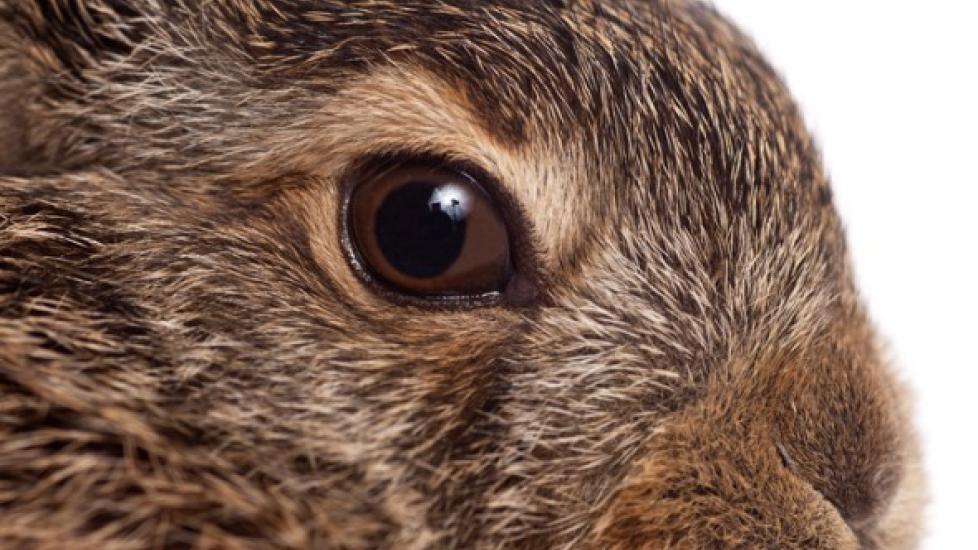
Epiphora in Rabbits Epiphora is characterized by an abnormal flow of tears from the eyes, usually occurring as a result of poor eyelid function, blockage of the nasal and eye portion of the tear ducts (nasolacrimal), or eye infection or inflammation, which may all be precipitated by by dental disease or tooth abscess. As rabbits have only one tear duct — located very close to the tooth and gums — the duct can be easily blocked due to oral disease (longtooth impaction is also very common in rabbits). Epiphora may occur also due to longstanding respiratory disorders that block the nasal passages. Congenital tooth malocclusion, and congenital eyelid deformities are usually seen in young rabbits. Middle-aged rabbits, meanwhile, usually suffer from cheek tooth elongation and subsequent epiphora. And dwarf and lop breeds often show congenital tooth malocclusion, exposing them to blocked tear ducts. Dwarf and Himalayan breeds also often suffer from glaucoma; more rarely, glaucoma affects the Rex and New Zealand White breeds. Symptoms and Types Rabbits suffering from epiphora will typically have a history of dental disease, incisor overgrowth, and upper respiratory infection. Other common symptoms associated with epiphora include: Lethargy Depression Hunched posture Constant hiding or unwillingness to move Inability to keep food in the mouth (i.e., constantly dropping food) Loss of hair, crusts, and matted fur around the face Red eyes, sometimes with thick discharge Bulging eyeballs and facial masses (especially those with tooth root abscesses) Causes There are various oral and eye dysfunctions that may lead to epiphora, including: Abnormal formation of nasal ducts and eye structure Nose inflammation or sinusitis Injury or fractures of the lacrimal or maxillary bones (the bones close to the eye orbits/tear ducts and the upper jaw, respectively) Tumors in the conjunctiva, medial eyelids, nasal cavity, maxillary bone, sinuses Foreign bodies in the eye (e.g., hay, litter, bedding) Exposure to chemicals used for home or cage cleaning Conjunctivitis (inflammation of the lining of the eyeball) Glaucoma (high fluid pressure on the eyeball) Paralysis of the facial nerves Diagnosis Your veterinarian will perform a thorough physical exam on your rabbit, taking into account the background history of symptoms and possible incidents that might have led to this condition, such as dental problems or respiratory infections. A sample of fluid and/or discharge will then be taken from the rabit’s eyes and nasal passages for bacterial culture and analysis of body fluid, which will help to diagnostically differentiate from other conditions that cause discharge from the eye. For visual diagnostics, your veterinarian can use X-rays of the skull to examine your rabbit for tumors or injuries to the bones of the skull, but computed tomography (CT) imaging is better than X-rays for localizing any obstructions and to characterize any associated lesions that are present. If an obstruction appears to be present, a nasal duct flush will confirm obstruction and may also dislodge the foreign material, if present. Meanwhile, a fluorescein stain, a non-invasive dye that shows details of the eye under blue light, may be used to examine the eye for abrasions or foreign objects. Treatment In addition to treating the primary eye disease (conjunctivitis, ulcerative keratitis, uveitis) or obstructing lesion (nasal or sinus mass), your veterinarian may prescribe pain relievers and antibiotics. Living and Management Recurrence is common in rabbits with nasolacrimal (the nasal cavity and the lacrimal/tear ducts) obstruction, but early detection, intervention, and treatment provide a better long-term prognosis. Moreover, keeping the animal’s face clean and dry is crucial for preventing complications. Conversely, rabbits with severe dental disease (especially those with tooth root abscesses and severe bone loss) have limited chance of recovery. In some cases, the nasolacrimal duct may become completely obstructed. Depending on the severity of the underlying cause, a rabbit with epiphora will require significant monetary and time investment. In some cases, epiphora may even be lifelong. Featured Image: iStock.com/kerkla

What Is a Horse Whisperer? Your Guide to Natural Horsemanship

The 5 Best Winter Dog Sports and Activities to Try With Your Pup