6 Must-Have Items for Your Dog’s Spay or Neuter Recovery
In This Article What To Expect for Dogs Recovering From Neutering or Spaying View 2 More +


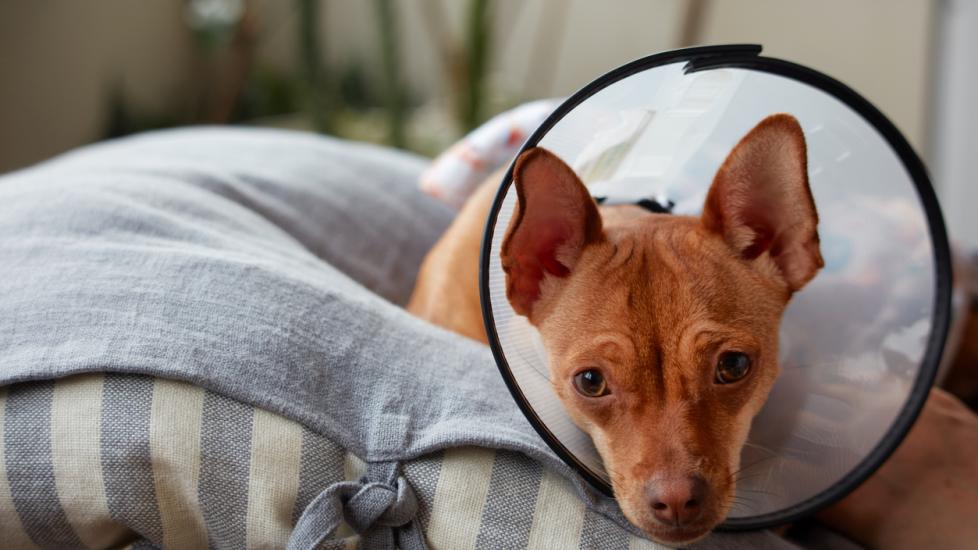
In This Article What To Expect for Dogs Recovering From Neutering or Spaying View 2 More +
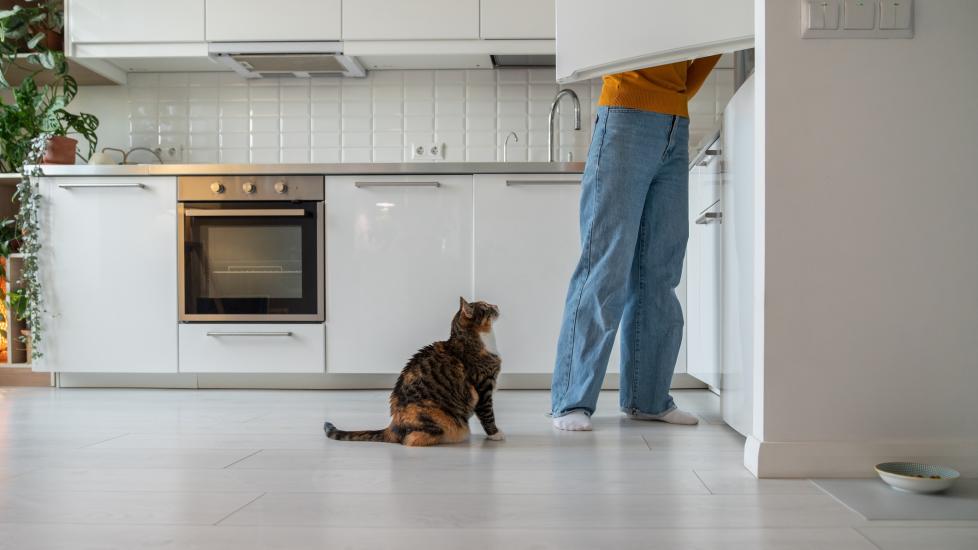
In This Article Why Do Cats Follow You? View 2 More +
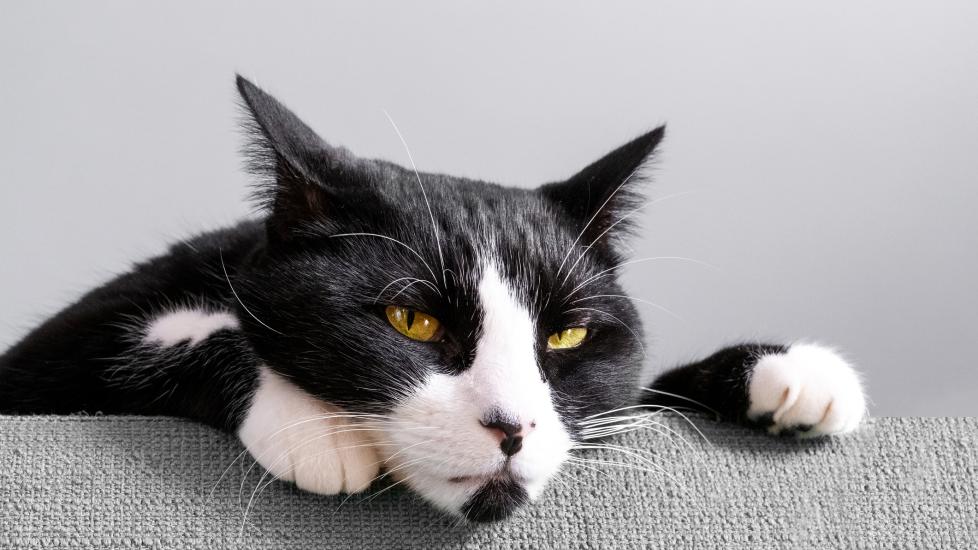
In This Article What Is a Grudge? View 4 More +
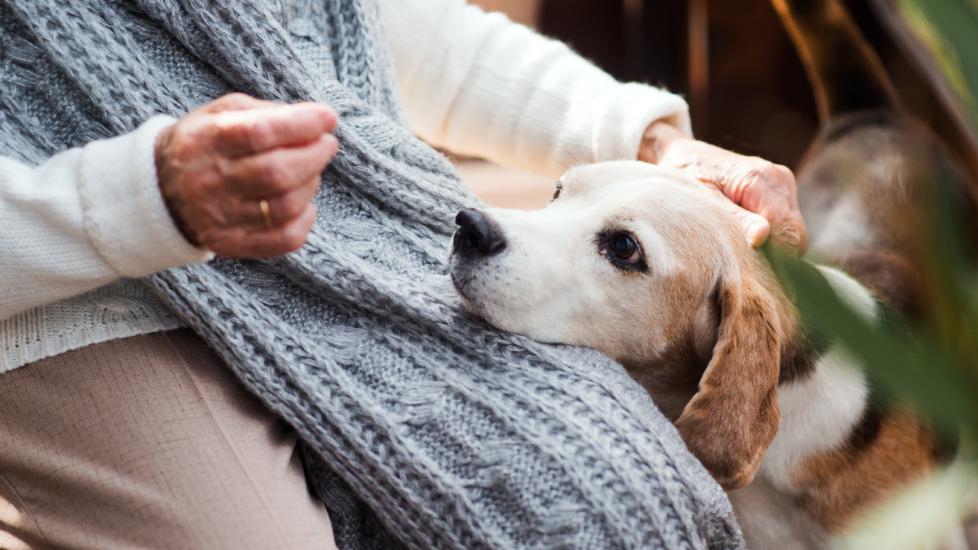
In This Article The Average Dog Lifespan View 5 More +
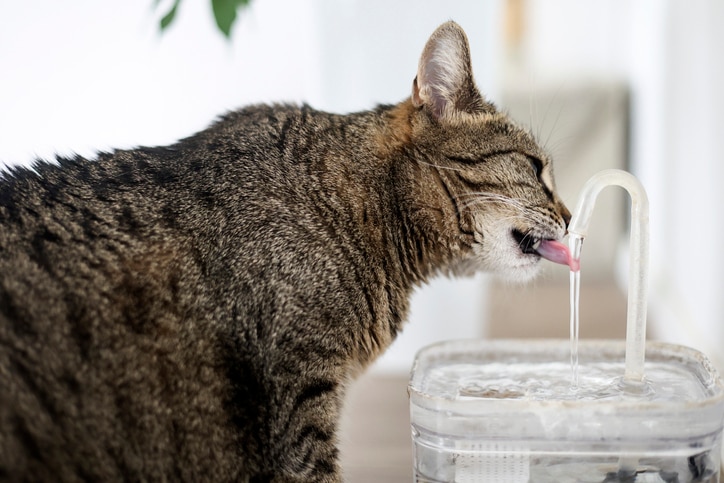
If you’ve noticed your cat drinking a lot of water and losing weight, it’s not something to ignore. This combination of symptoms can signal serious health issues, so schedule an appointment with your veterinarian as soon as possible.

Many methods for dog training exist, including using a dog clicker, classical conditioning, positive reinforcement and the Premack principle. Although you may not have heard of the Premack principle, you might already be using it with your dog and even your children. Developed in 1965 by David Premack, who was an Emeritus Professor of psychology at the University of Pennsylvania, the Premack principle works on both humans and dogs. The simplest and most noted example of the Premack principle at work is when you tell your kids, “If you eat your vegetables, then you can have dessert.” This means that the more probable or rewarding behavior (getting dessert) reinforces the less probable or rewarding behavior (eating vegetables), says Megan Stanley, certified professional dog trainer and owner of Dogma Training in Calgary, Alberta, Canada. “This can be a powerful technique in dog training, as you’re rewarding your dog with highly motivating behaviors that you know he enjoys,” says Stanley. “It enables you to use life rewards, which are what your dog wants, and allows you to vary those rewards.” Offering life rewards as reinforcers can create a more responsive and cooperative dog because your dog will think you control the universe, says Bhambree. Applying the Premack Principle to Dog Training To begin, observe what your dog values, says Bobbie Bhambree, certified dog behavior consultant, certified dog trainer and owner of DogCentric Training & Behavior in New Rochelle, New York. Is it playtime with a canine companion, going to the dog park, swimming or playing with a dog toy? Make a list of those fun activities, she says, and you’ll see where you can implement the Premack principle in your dog’s training. Then, decide which behavior you want to instill and which reward you’ll choose. Scenario 1: To illustrate this, Bhambree gives an example of how she trained her dog, Topper, not to bark when she opened his crate door in the morning. “Topper gets excited and expresses that excitement by barking,” says Bhambree. “I taught him that if he remained quiet (a low probability behavior), he could exit the crate and join the other dogs in the bedroom.” Scenario 2: In another scenario, Bhambree uses the Premack principle when training dogs to drop dog ball toys at their owner’s feet. For most dogs, ball chasing is much more reinforcing than returning the ball to you, says Bhambree. However, your dog learns, over time, that there’s a relationship between the two: he must bring the ball to you before you can throw the ball for him. Your dog quickly learns that dropping the ball (a low reward behavior) results in getting to chase the ball (a high reward behavior). Sitting and staying can also be taught by incorporating the Premack principle. Scenario 3: Teaching your dog to sit and wait comes in handy on many occasions. The dog may be anxious to greet a guest who is at the door, excited to say “Hi” to another dog on the street, wiggly when you want to put on a harness, or nervous when a groomer or veterinarian wants to examine him. This can be seen in terms of the Premack principle: calming your dog and putting his harness on (a low probability/reward behavior), so he can ride in the car (a high reward behavior). Stanley demonstrates her own step-by-step method for how to train your dog to relax so you can put the harness on: Stroke your dog’s side with the back of your hand, and if he remains calm, give him a few dog treats. If he seems nervous, hold the treat in front of his nose as a distraction. Pet his back, down his tail, under the belly, and touch his legs and paws. Take plenty of breaks and continue to reward him for staying calm, giving plenty of verbal praise along the way. Increase the pressure and prolong your touch, while continuing to reward him. Stanley explains that dog training is more effective if done in shorter sessions, and it’s ideally taking place throughout the day, whenever the opportunity arises.
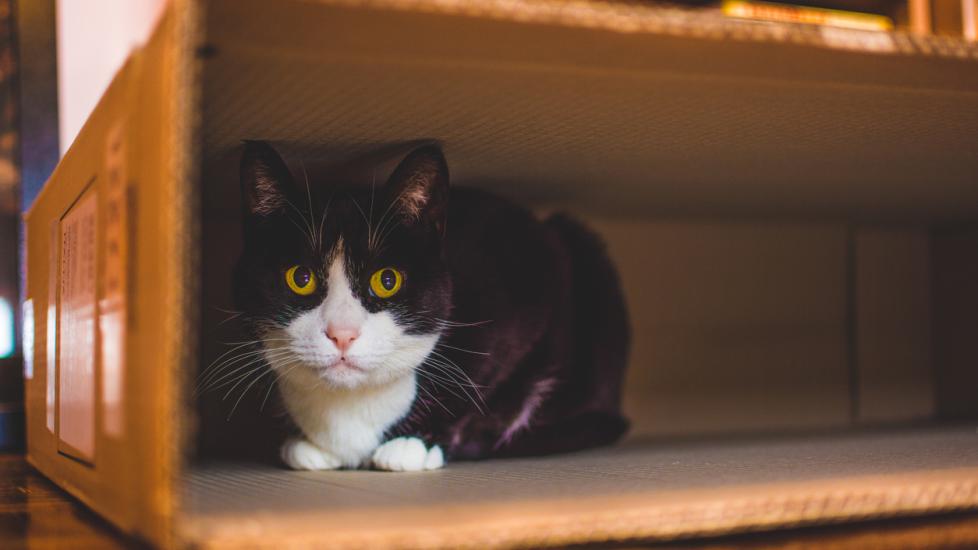
Cats can be excellent hunters and predators, but not everyone realizes cats can also be considered prey by some larger animals. To protect themselves, cats have developed the ability to hide injury or illness exceedingly well. They do it so well that you may never know anything is wrong until they are in a lot of pain. If you know what sign to look for, however, you might be able to know earlier when something is wrong. Symptoms of a Sick Cat Pet parents will usually notice that their cat is “acting weird,” which could refer to a lot of different type of changes in behavior or habits. Here are some of the ways your cat might be telling you they’re not feeling so well. Suddenly Eating More, Eating Less, or Not Eating One of the first signs you might see in a sick cat is a change in appetite. An increase in appetite can be caused by intestinal parasites, hyperthyroidism, diabetes, or a gastrointestinal disease that causes poor nutrient absorption. Decreased appetite may be due to nausea, fever, food aversion, gastrointestinal disease, or pain in the mouth (due to dental disease, a mass, a foreign body, or trauma). Drinking More There are many potential causes of increased thirst in cats, including: Diabetes Kidney disease Hyperthyroidism Increased calcium Less common endocrine diseases such as acromegaly or hyperadrenocorticism Certain urinary prescription diets designed to increase thirst to promote frequent emptying of the bladder Meowing or Vocalizing More Some cats meow more than others, and this also varies by breed. However, if you notice increased meowing or a change in how your cat meows, they may be trying to communicate physical or emotional distress. Cats may meow more when they are hungry or in pain. As cats age, some develop cognitive dysfunction, or senility, which can also change the frequency of meowing. Suddenly Not Using the Litter Box Seek veterinary care immediately if your cat is suddenly unable to urinate (especially male cats). They may have an obstruction in their lower urinary tract, usually in the urethra, and this is a medical emergency. Cats may also stop using the litter box and start urinating or defecating elsewhere if they associate pain with the litter box. This can happen with a bladder infection, gastrointestinal, disease-causing diarrhea or constipation, or arthritis or other joint pain that makes it difficult to get in or out of the litter box. Another potential reason cats avoid the litter box in multi-cat households is because one cat is guarding it and blocking the other cat from using it. Vomiting or Diarrhea Potential causes of vomiting and diarrhea in cats include: Gastrointestinal obstruction or foreign body Intestinal parasites Food sensitivity, intolerance, or allergy Kidney disease Pancreatitis Exocrine pancreatic insufficiency Inflammatory bowel disease Stress Bacterial or viral infection Medication Toxin ingestion Liver disease Cancer Constipation can also cause vomiting and passage of only small amounts of liquid stool Not Grooming or Overgrooming While it may seem counterintuitive, pain can cause either an increase or a decrease in grooming behavior in cats. For example, a cat with a painful bladder condition may overgroom their belly to the point of baldness. Some cats will also overgroom as a self-soothing behavior when they are anxious. However, pain in a joint or multiple joints may cause a cat to avoid grooming that area altogether, so you may notice clumped or matted hair. Cats that are obese also have difficulty grooming their hind legs and spine near the tail area, so you may see matting of the haircoat in these cats. If your cat has pain in their mouth, they may also not be able to groom comfortably. Bad Breath Bad breath is usually caused by dental disease (e.g., tartar, gingivitis, stomatitis, an abscessed tooth, or a mass or tumor in the mouth), but it can also be a sign of internal illnesses such as kidney disease or diabetes. Daily brushing, using a pet-specific toothpaste, like Virbac’s C.E.T.® Enzymatic Poultry Flavor Dog & Cat Toothpaste, and toothbrush, like H&H Pets’ Cat & Small Dog Toothbrush can help keep dental disease at bay.

With their sturdy build, upright ears, and flat faces, it can be hard to distinguish a Boston Terrier versus a French Bulldog at a quick glance. But no two breeds are created equal, and there are notable differences between these two cute dogs. Here’s how to tell them apart, how their personalities differ, and how to pick which pup is right for your family.

Our Pug, Poppy, aged so slowly and gracefully that we gradually incorporated changes to our home to accommodate her needs without a lot of conscious thought. For instance, when going up and down our steep wooden stairs in our old farmhouse became difficult for her, we began to scoop her up and carry her without a second thought. We’d been doing this for two years or more when my husband asked one day, “What happens when Poppy can’t do stairs anymore?” “We’ll continue to carry her like we have been,” I replied. He looked surprised. “I thought we just did that because she liked it.” Lifting her small, sweet self was not much of an effort. The other actions we took to keep her comfortable in her final years were simple, too, but helped keep her happy until it was time to say the long goodbye. Below are some ideas that you might incorporate to keep your senior dog content in her later years.

In This Article Overview View 6 More +


What Is a Horse Whisperer? Your Guide to Natural Horsemanship

The 5 Best Winter Dog Sports and Activities to Try With Your Pup