Bake a Batch of Gingerbread Icebox Cookies for Your Pup This Holiday Season
Jump to section Ingredients Supplies Instructions Dog-Friendly Icing Recipe Other Dog-Safe Fruits to Add to Your Icebox Cookies How To Gift These Gingerbread Icebox Cookies



Jump to section Ingredients Supplies Instructions Dog-Friendly Icing Recipe Other Dog-Safe Fruits to Add to Your Icebox Cookies How To Gift These Gingerbread Icebox Cookies

A kiss from your Chihuahua is a great way to wake up, but add a hot cup of coffee and your morning gets even better. Sipping from Dimension 9’s Dog Breed coffee mug will start your day off on the right paw. The durable ceramic coffee mug features a charming Chihuahua image on the front and black paw prints on the top, inner rim. Charming and functional, it holds up to 8 ounces of liquid and is microwave and dishwasher safe. Chihuahua parents can either bring the mug to work to show off their unbounding love for their canine companions or simply sip and savor from the comfort of home.,If you know anyone who lives with a lively, friendly, devoted and entertaining Chihuahua, Chihuahua gifts are a must. While it is easy to pinpoint a perfect gift for this breed (ahem, a chew toy), finding Chihuahua gifts for dog lovers and Chihuahua parents sometimes can feel like a challenge. However, as long as the item is Chihuahua-centric, the gift recipient should be nothing short of ecstatic. With a spunky pup by their side, Chihuahua pet parents also need decorative items that show off their bold side—and Chihuahua pride! Check out these eight Chihuahua gifts for dog lovers.
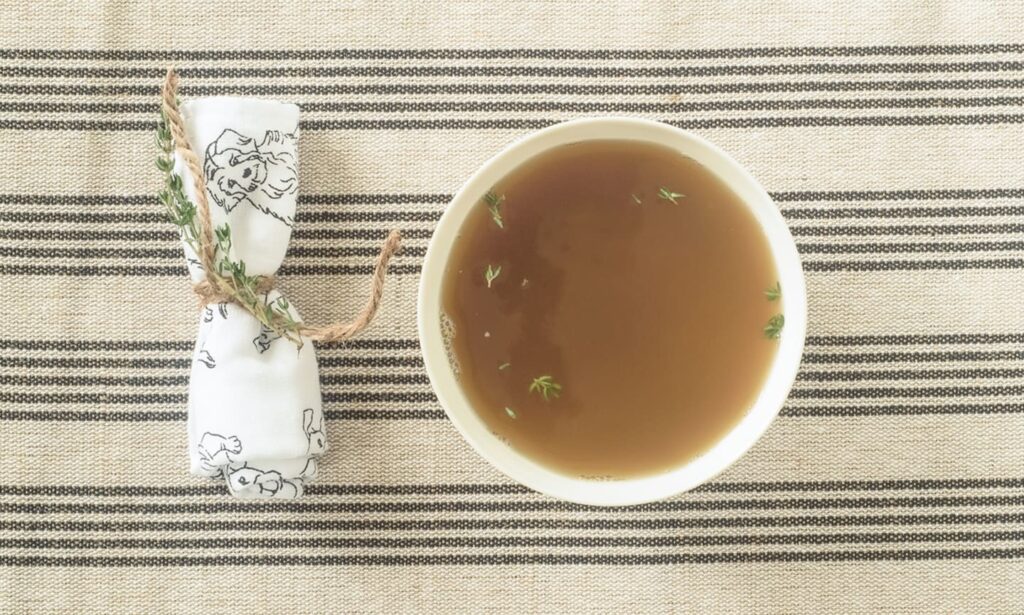
Jump to section Belly-Warming Bone Broth Recipe How to Serve Bone Broth As a food topper: As a frozen treat: As a nutritious drink: How to Store Bone Broth Mason jars: Ice cube trays: Refrigerator: Benefits of Bone Broth for Pets Dangers of Homemade Bone Broth for Pets
If your dog is not on a year-round flea and tick preventive, like Seresto, they can easily get fleas. But can humans get fleas from dogs? Unfortunately, the answer is yes. Humans can get fleas from dogs and other pets. If you’ve ever walked across the carpet in your home and noticed a dark speck on your white socks that suddenly appears then vanishes, there’s a good chance that speck could have been a flea. Here’s what you need to know about fleas and how they affect humans.
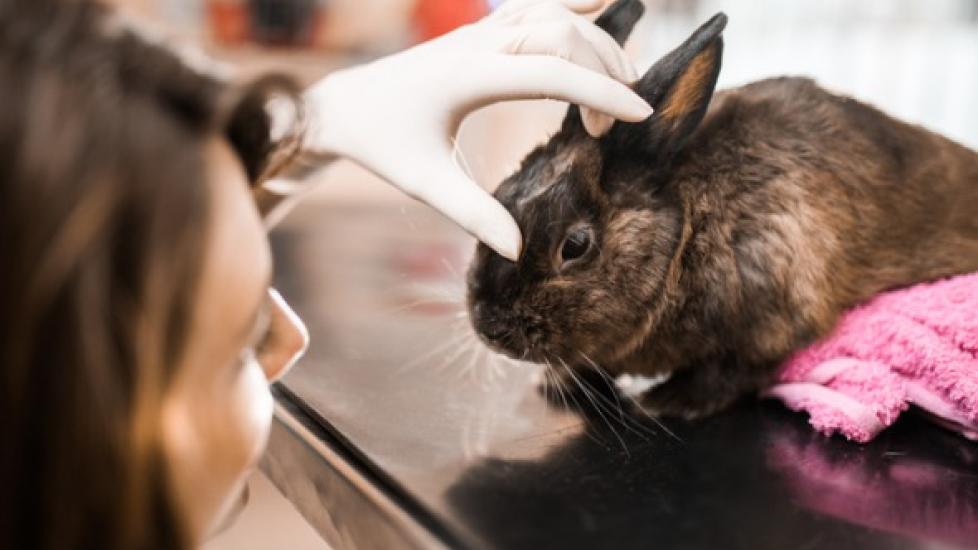
Encephalitis Secondary to Parasitic Migration in Rabbits Secondary encephalitis is an infection of the brain tissues that is due to migration of parasites from other regions of the body. The incidence of this type of encephalitis is extremely rare. Symptoms and Types Symptoms can vary according to the area of the brain that is affected, but head tilt is one of the most commonly reported symptoms. There also may be motor problems with other body parts due to the nature of the nervous system involvement. Causes Secondary encephalitis is caused by the migration of a type of roundworm larvae into the central nervous system — the brain — resulting in infection and reactive inflammation of the brain and surrounding tissues. Rabbits that are exposed to outside environment may contract this by ingesting the parasitic roundworm Baylisascaris procyonis, a parasite that is known to be harbored by raccoons. This parasite is found in areas that were previously occupied by raccoons, and are ingested by other animals incidentally when they eat grass or hay that has been defecated on by raccoons. The parasite can also live for some time in soil that has had the fecal remains from an infected raccoon. Diagnosis You will need to give your veterinarian a thorough history of your rabbit’s health and onset of symptoms. The history you provide may give your veterinarian clues as to which organs are causing secondary symptoms. Because there are many possible causes for conditions of the central nervous system, your veterinarian will most likely use differential diagnosis. This process is guided by deeper inspection of the apparent outward symptoms, ruling out each of the more common causes until the correct disorder is settled upon and can be treated appropriately. Standard laboratory work will include a complete blood profile and urinalysis, and an analysis of blood serum to identify the exact type of infection that is causing the brain tissue to be inflamed. Visual diagnostics will include X-ray studies of the skull and the areas around the ear, and computed tomography (CT) and magnetic resonance imaging (MRI) studies for determining the extent of the infection. Treatment Specific antibiotics can be given to target the infection, along with careful administration of corticosteroids to relieve the inflammation and swelling of brain tissue. The involvement of the central nervous system makes this a particularly dangerous infection. Unfortunately, this is a difficult infection to diagnose, and most cases are not diagnosed until after the animal has died. The prognosis, therefore, is extremely guarded. If the onset was sudden, the disease may progress rapidly, warranting euthanasia. Living and Management Raccoons are known to carry this parasite, it is strongly advised that you not graze your rabbits in areas that are known to be frequented by raccoons. Because the roundworm parasite can live for years in the infected soil of some environments, to best protect your rabbit, you will need to be sure that the area has been raccoon free for several years. Featured Image: iStock.com/skynesher
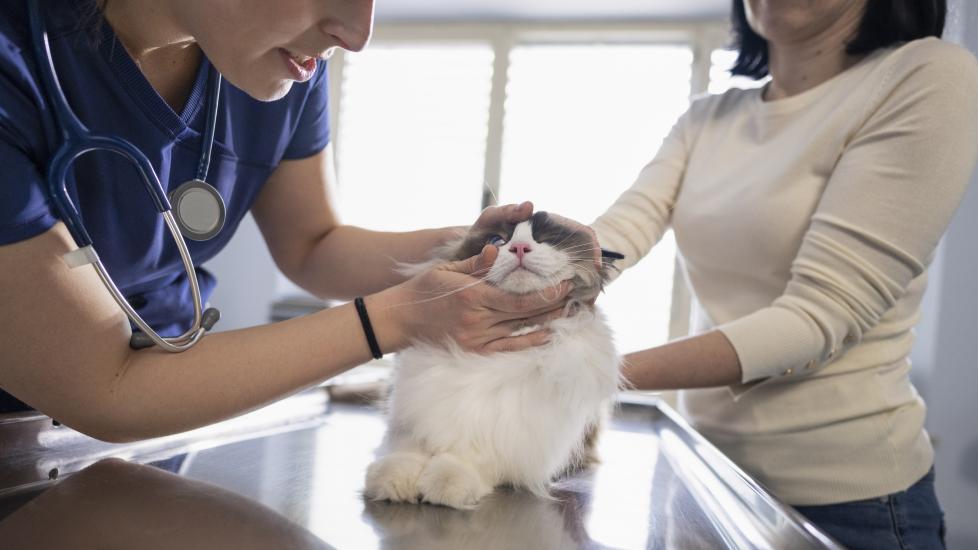
In This Article What Is Epistaxis in Cats? View 5 More +
In This Article Summary View 6 More +
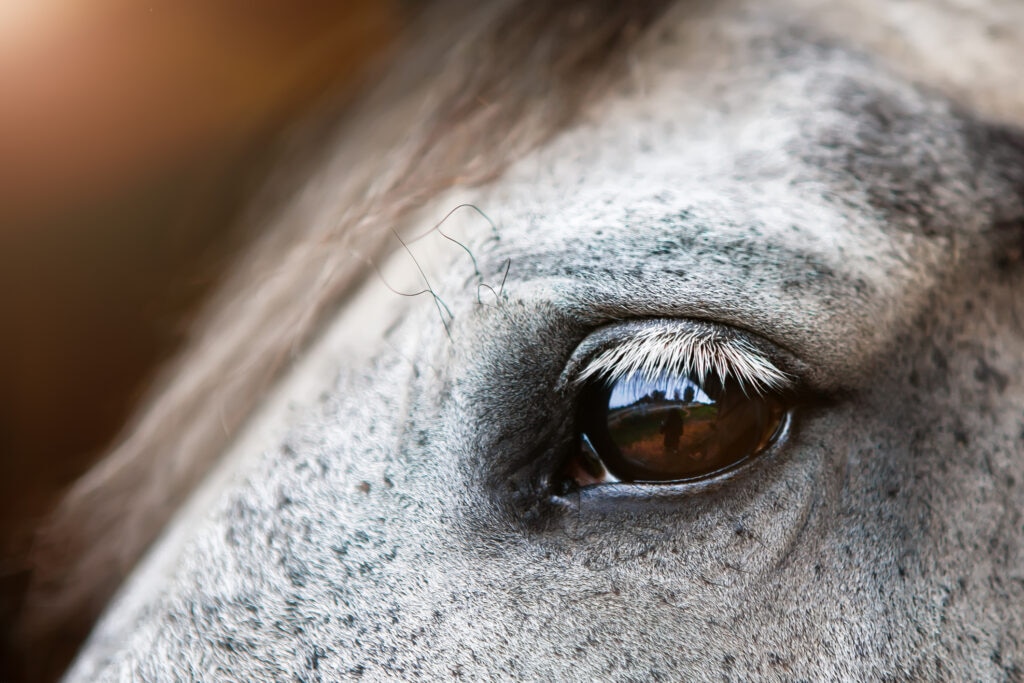
Horses evolved to roam freely in herds and spend much of their time grazing. In our modern world, we often ask them to ride in enclosed trailers, live in stalls, eat at specific mealtimes, and carry us on their backs. So it’s hardly surprising that many domestic horses show signs of stress and anxiety. That’s why many equestrians are turning to calming supplements for horses. But do calming supplements work? And if so, which ingredients are most effective? To get the scoop on calming supplements, we spoke to Katherine Houpt, VMD, PhD, professor emeritus of behavior medicine at Cornell University in Ithaca, New York; and Natalie Lord, DVM, a large and small animal veterinarian at Four Paws – Cuatro Patas in Austin, Texas.
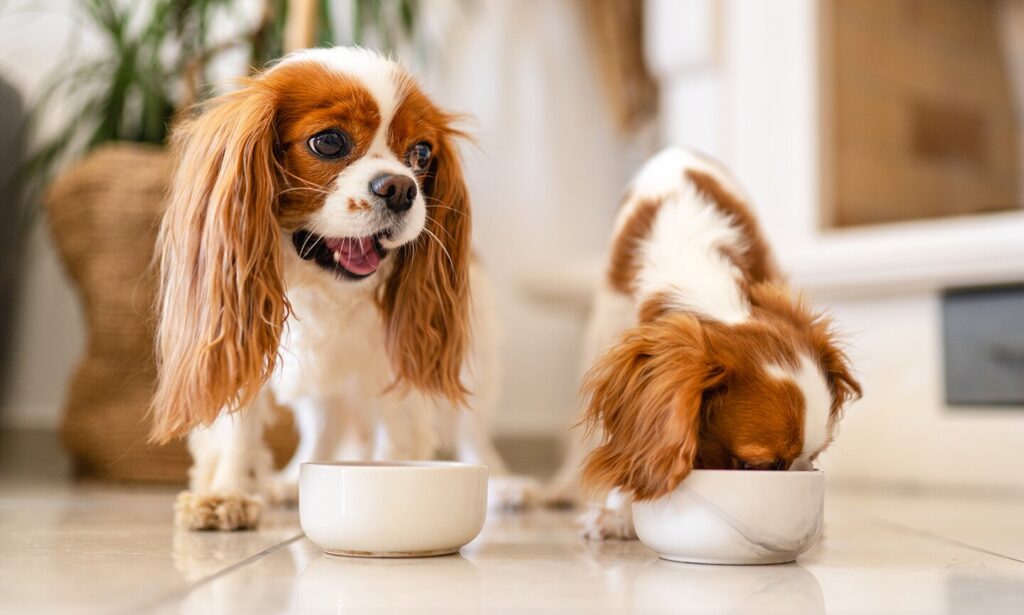
When we think of bacteria, we don’t always assume they’re beneficial for the body. We tend to think of bacteria as harmful invaders that need to be eliminated. However, when it comes to the digestive system, not all bacteria are bad. In fact, many types are necessary. Just as is the case with humans, your dog needs good bacteria in their gut to maintain their digestive health as well as their overall health. “Probiotics are essentially good bacteria living in the gut,” says Dwight Alleyne, DVM, a practicing veterinarian in Georgia. They are helpful microorganisms composed of bacteria and yeast, and a dog’s digestive system contains billions of them (yes, billions!). If your dog’s natural gut bacteria are imbalanced—a situation that occurs when the proportion of harmful bacteria to beneficial bacteria is too high—probiotic dog supplements may help your pup establish and maintain a healthy gut microbiome (environment of microorganisms). Of course, you should always check with your vet to ensure probiotics are a good fit for your furry friend.,Jump to section What Are Probiotics for Dogs? 5 Types of Probiotics for Dogs Benefits of Probiotics for Dogs Downsides of Probiotics for Dogs How To Choose the Best Probiotic for Your Dog FAQs About Probiotics and Dogs

This time of year I am craving traditional recipes. Eggnog is one of those. I know you either love it or hate it. I just love it and there is no reason this Christmas classic should be for the two-legged only. Pet parents still debate whether or not a dog should eat raw eggs. Some vets encourage it, while others warn against it. ‘Tis not the season to argue—so I came up with an eggless eggnog that is incredibly delicious. The recipe contains 458 calories.


What Is a Horse Whisperer? Your Guide to Natural Horsemanship

The 5 Best Winter Dog Sports and Activities to Try With Your Pup