5 Things That Stress Out Your Cat
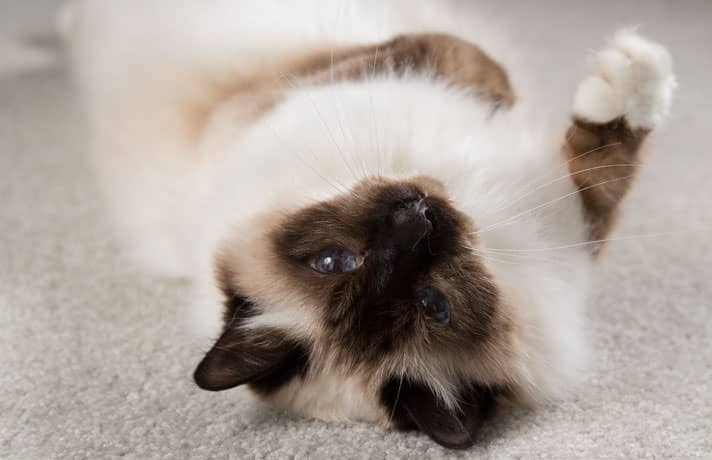
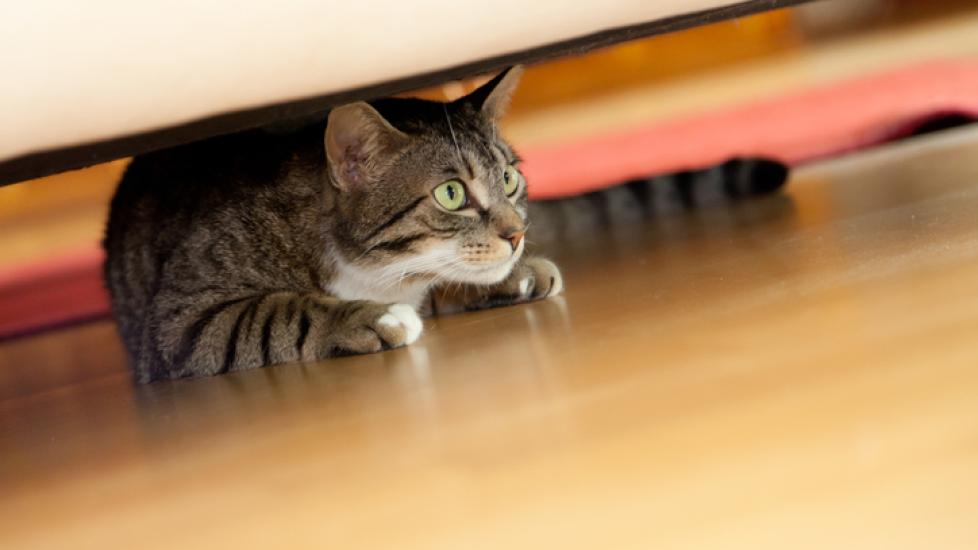
By Paula Fitzsimmons Sounds and smells we may enjoy or don’t think twice about can make our feline family members miserable. Cats have a heightened sense of smell and hearing that serves their wild counterparts well. But our homes are not the wild. Nobody can say precisely why your cat reacts to a certain stimulus, mostly because there’s not a lot of scientific research available on this subject. Still, experts agree it’s beneficial to identify sounds and smells that stress out your cat, and make necessary adjustments to your environment. The following are some of the most common irritants for cats. Thunderstorms and Fireworks Unexpected loud noises and sudden changes in air pressure likely alert cats to be on guard, says Lauren Demos, president of the American Association of Feline Practitioners. “They can warn of impending situations that may require the cat to fight or take flight.” A cat’s reaction to loud and abrupt noises is an evolutionary response, says Dr. Bruce Kornreich, associate director of the Cornell Feline Health Center at Cornell University in Ithaca, New York. While humans also get startled by sounds, we can easily figure out that the noise won’t harm us, unlike cats. Cats may also equate loud noises with negative experiences, Kornreich says. And sometimes, there’s just no logical explanation for their reaction. While you can’t control every noise, you can pre-plan for certain situations, such as fireworks and thunderstorms. “I recommend confining your cat to a room where she feels comfortable and away from the noise,” says Adi Hovav, senior feline behavior counselor at the ASPCA Adoption Center in New York. “However, if she’s already found a hiding spot, consider leaving her there, as moving her to another spot may increase her stress.” If you do set up a quiet “sanctuary” room for your cat, make sure she has access to a cat litter box, Hovav adds. A white noise machine to mask the sound may be useful, too. “Or, offer her some quiet attention in the form of yummy treats or gentle petting,” Hovav says. “Not all cats are going to be comforted by being held if they are frightened or stressed, even if they enjoy being held under normal circumstances, so don’t force your cat if she’s not accepting of this type of attention.” Cat calming products like compression shirts designed for cats can also be helpful for short periods, as can synthetic pheromone sprays, collars, or diffusers, Demos suggests.