Doxycycline for Horses
In This Article Overview View 6 More +



In This Article Overview View 6 More +

In This Article What Is a Coggins Test for Horses? View 6 More +
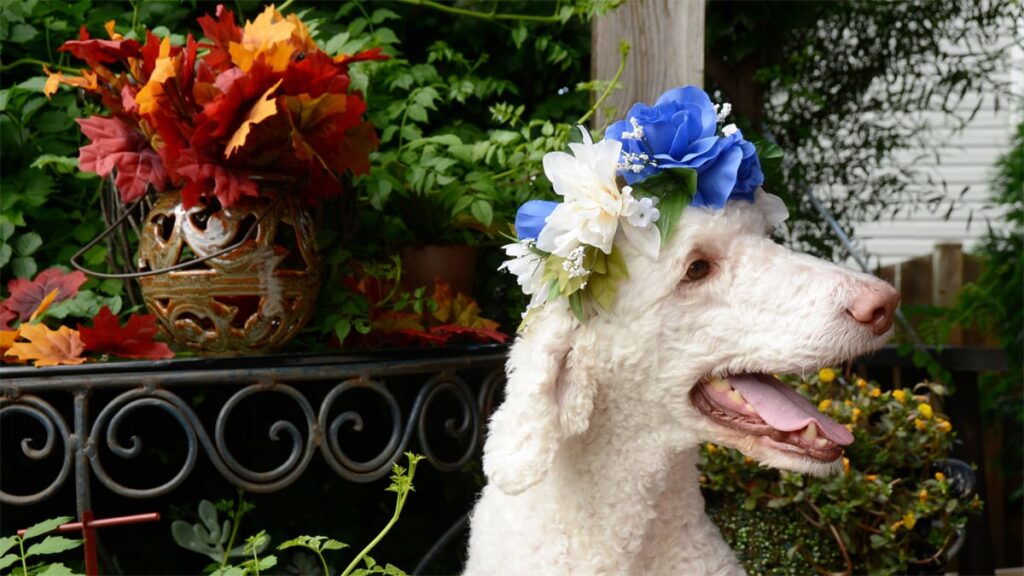
Roses are red, violets are blue—if you love flower crowns, now your dog will, too! From stylish photo shoots to Halloween costumes sure to win any contest, flowers make the perfect year-round accessory. Whatever the occasion may be, this flower crown tutorial will dress your pup in a trend that’s sure to turn heads. Choose your favorite dog-safe flowers, like roses or daisies, for a fresh flower crown for dogs, or go with artificial flowers for an everlasting fashion statement. Decorate in style with autumn colors, or use a pop of bright colors; the choices are endless! Here’s an easy-to-follow homemade flower crown tutorial. Materials: pet-safe flowers, malleable floral wire, wire cutter, string or twine, scissors, decorative duct tape, hot glue gun and glue sticks, floral tape

Music festival season is finally here! And you know what that means: all the ‘Gram-worthy garb. Whether you’re heading to a dog-friendly music festival or just want to get your pup in on the fashion fun, we created a guide to selecting the most on-trend and stylish music festival-inspired outfits for dogs. And to get the scoop on what styles are trending this year, we spoke with fashionista and dog mom Holly Barzyk, a Washington, D.C.-based public relations pro who was named one of Washingtonian magazine’s Style Setters. Ahead, Barzyk’s identified five popular fashion trends, including some classic ones, that we can expect to see–and, for some trends, have already seen–on festival grounds this year. And more importantly, they’re all trends your pup can easily pull off, too.
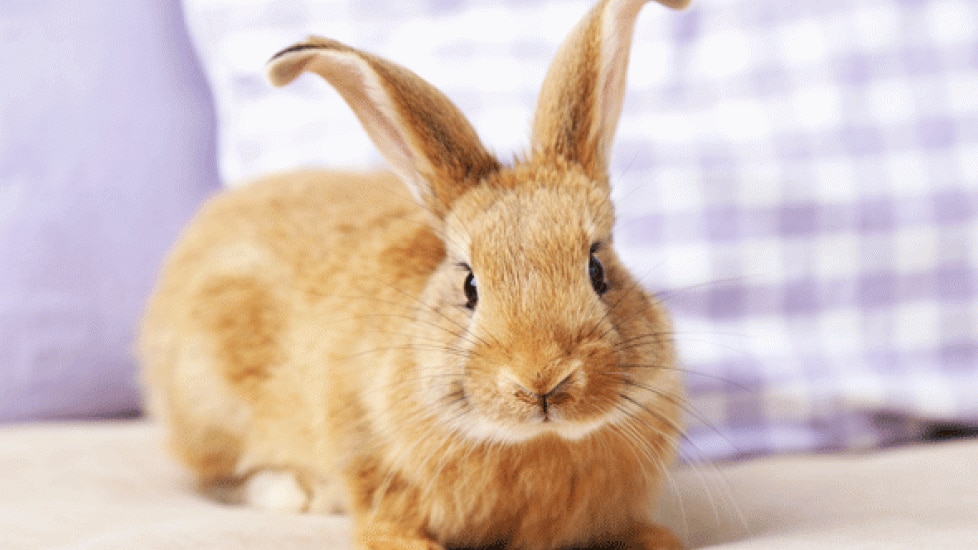
By Cheryl Lock Rabbits can be delightful animals to have as pets, but it’s important to understand the difference between normal naughty bunny behavior and behavior that’s veered into dangerous and destructive territory. What would be considered ‘normal’ destructive behavior for rabbits? Rabbits are, by nature, bound to exhibit some behaviors that are, for lack of a better word, destructive — it’s understanding which behaviors are hazardous for your bunny or yourself that’s important. Chewing and urinating on things are normal behaviors for rabbits. However, in captivity, rabbits often chew inappropriate objects. Dana Krempels, Ph.D., from the University of Miami Department of Biology, explains that the following would all be considered normal rabbit behavior that manifests inappropriately when they are kept as pets: Digging on the carpet or other floor surfaces (this will likely mimic the digging behavior that rabbits exhibit out in the wild) Chewing on baseboards or corners of walls Chewing on cords that are in a travel or digging path Urinating in corners not designated by a litterbox How can I tell if my rabbit is actually being destructive? It’s often a matter of context when it comes to determining your rabbit’s behavior, says Dr. Krempels. “Sometimes a rabbit will learn that a ‘normal’ behavior elicits a negative reaction — and remember, negative attention is still attention — from the caregiver, and so will use it to get attention,” she said. “Another behavior many caregivers find objectionable is urine spraying, but in most cases this is just the rabbit’s way of saying, ‘I love you! You’re mine!’” However, she added, “it can also mean, depending on context, ‘you are the subordinate, and I anoint you with my majestic pee to prove my point.’” In other words, if your rabbit decides to exhibit his objectionable behaviors after a particularly rough time — perhaps you recently moved, have been trying to litter train your rabbit, got a new pet, or got married, and your partner is now around more — your rabbit could be performing these behaviors as an objection, or a way of lashing out. What issues might lead to destructive behaviors? A leading cause of destructive behavior in rabbits is boredom. A bored bunny is one who will explore options, says Dr. Krempels. “Providing lots of enrichment to promote natural behaviors — like clean cardboard boxes with two door holes cut in the sides to chew on and run through, parrot-safe chew toys or jingly toys, paper towel tubes stuffed with hay or other treats, etc. — will help curb destructive urges brought on by boredom.” Aside from boredom, health issues could also trigger certain bad behaviors. “For example,” said Krempels, “a bunny who is suddenly losing litterbox habits could be suffering from a urinary tract disorder — like an infection, bladder sludge, or bladder stones — or arthritis, which makes it painful to jump into the box.” If you suspect this is the case with your own rabbit, bring her to the vet for further testing. How can I tell if lack of training is the problem, or if it’s a stress-related issue? Unfortunately, this is likely going to be tough to decipher, says Dr. Krempels. “I’ve never seen a rabbit engage in destructive behaviors that were not also normal behaviors under different circumstances,” she said. “So, the important thing is to recognize the context of the behavior.” If you believe your bunny is lashing out with destructive behavior, take a second to consider her current scenario. Has something changed in the house or in the rabbit’s environment that might be causing stress? If so, that might be the cause of the problem. How can I help my rabbit to avoid destructive behaviors brought on by stress? Aside from removing whatever stressor you believe is bothering your pet (hard to do if it’s a person or a new place home), Dr. Krempels does have a few other suggestions. “I’ve found that the simple act of letting a single rabbit choose a spayed/neutered partner can go a long way to stopping destructive behaviors elicited by boredom,” said Dr. Krempels. “In my experience, paired bunnies are happier, healthier, and less destructive.” If you will be introducing a new pet into your home — whether it’s another rabbit or a different animal, altogether — Dr. Krempels suggests following the introduction guidelines set forth by the House Rabbit Society and always providing a safe haven for your rabbit to be alone whenever he wants quiet time away from his new friend. Keep in mind that it’s not always possible to “train” a rabbit not to engage in destructive behaviors, either. “Rather than training a rabbit not to engage in natural “destructive” behaviors, the caregiver should provide an outlet for those natural behaviors that doesn’t tear down the house.” This includes things like: Supervised out-of-cage time A litterbox with pelleted paper-based litter covered with soft hay in corners where your rabbit has decided to urinate Lots of safe playthings for your rabbit to chew on Protective covers on all wires and cords Tacking untreated/unfinished pine molding to baseboards and wall corners where your rabbit has shown an interest in chewing Paying attention to your rabbit’s surroundings and daily activities and taking just a little bit of time to “rabbit proof” your home from regular bunny behaviors can go a long way toward helping both you and your bunny have a happier life together. This article was verified and edited for accuracy by Dr. Laurie Hess, DVM, Dipl ABVP Read More How to Care for Your Rabbit
In This Article Treatment View 2 More +

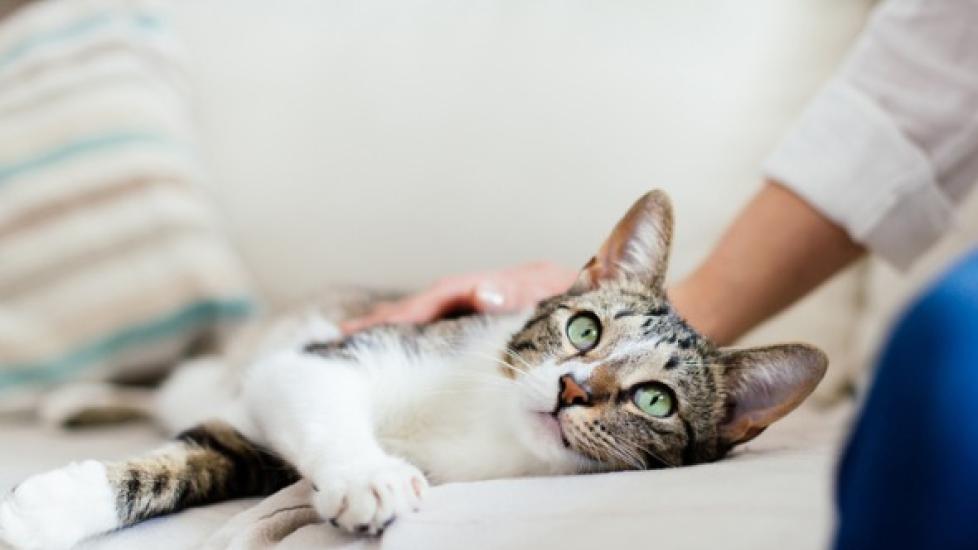
It’s a simple concept, but rather than a whole diet change, why not try including some more healthy fruits and veggies into your pet’s current diet? Adding lightly-cooked or pureed vegetables—like broccoli, cauliflower and mushrooms—to your pet’s diet can help ward off diseases such as cancer, Morgan says. Fresh fruits and vegetables — except grapes, raisins and onions, which are toxic — make wonderful treats and snacks, too, Morgan adds. So, instead of feeding your pup a store-bought treat, reach for a piece of melon, apple, pear, cucumber or banana instead. “Your pet might even like frozen blueberries or green beans,” Morgan says. “Why not make treat time healthy?”,Most people have considered different ways to update their own diets from time to time (juice fad, anyone?) — but what they may not have considered is that their pets could likely use a diet revamp every now and then, as well. For example, older pets may benefit from diets higher in omega-3s (which support joint, heart and brain health in aging pets) while pets with dry, flaky skin can benefit from fish-based diets, says Judy Morgan, DVM. Additionally, she says that pets with chronic disease (like diabetes, kidney disease or bladder stones) will likely benefit from a modified diet to address and help with those issues. “In other words, if your pet is surviving, but not thriving, it’s probably time for a change,” she adds. Other signs your pet might benefit from a diet tune-up include the lack of a lustrous coat, issues with or disinterest in food and weight loss or weight gain, says Stephanie Liff, DVM, of Pure Paws Veterinary Clinic. It’s important to keep your veterinarian involved in any conversation about diet, says Liff, but once you’ve done so, be aware that a diet change could be forthcoming. Your vet will likely have suggestions based specifically on your own pet’s needs —unbalanced diets can be dangerous and could even contribute to long-term health problems, says Morgan — but the following are a few common ways to revamp your pet’s diet:
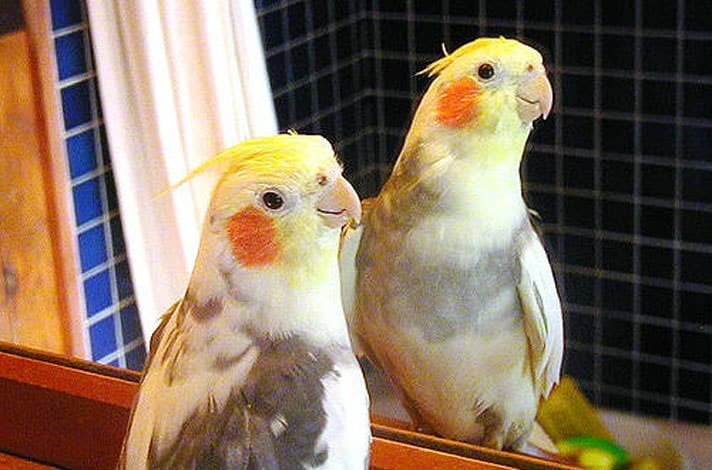
Cockatiels seem to suffer from “night frights” more than any other species of bird. By “night fright,” I mean that they become easily spooked or unnerved in the darkness and quiet of the night. Any sort of disturbance, whether it is a shadow, a noise, a bright light or a sudden waft of cool air, can send a single cockatiel or an entire aviary of cockatiels off into a mad frenzy. This is not only distressing and potentially dangerous for the pet birds, but upsetting for the owner, too. To help understand the psychology of the cockatiel and why it suffers from this heightened unease and trauma, we have to look at the cockatiel in the wild. A wild cockatiel flock spends a good portion of the day on the ground foraging for food. Because of this potentially hazardous practice, nature has had to provide them with the perfect survival technique to enable them to get airborne fast. Cockatiels possess ultra-quick reactions and a super-efficient capability for rapid and powerful vertical flight. This makes cockatiels well equipped to react to and flee the clutches of predators stalking them on the ground. Even in the wild, a certain level of noise is maintained during the night by the other inhabitants of forests, which offers a degree of comfort to a dozing cockatiel flock. The muted lighting provided by the moon and stars adds to this reassurance. On such occasions when a “blanket of silence” descends over the area, it often indicates acute danger. A flock of cockatiels will instantly become fearful and anxious, as their responses become intensely heightened. It is not surprising, therefore, that darkness and silence, followed by a sudden disturbance, can seriously spook a cockatiel, too. This is compounded by the fact that pet cockatiels housed in bird cages might feel especially panicky and tormented, because they cannot “escape” this perceived threatening situation, thus sending them into frenzies. Cockatiels that become spooked are simply responding to their deep-rooted natural instinct to fly upward in an effort to get airborne. But, as a consequence, they often crash into the cage bars at the top, and then flap around wildly, knocking into the perches and sides of the cage in total panic. A cockatiel can see very little in the dark and, while in this state, is likely to do itself much damage. This phenomenon can also cause distress to other birds, such as finches or budgerigars. But, generally they are not affected to the same degree and regularity as cockatiels seem to suffer. If injuries are incurred, they will serve to intensify the cockatiel’s anxiety and sometimes can even prove to be fatal. If other cockatiels are housed nearby, either indoors or outside, they can suffer from the domino affect; all quickly become panic-stricken, thrashing around in their cages or aviaries, not even knowing the source of the scare.

Automatic fish feeders dispense predetermined amounts of food to your fish. These gadgets have many benefits and are great to use when going on vacation or when you’re traveling. Fish hobbyists can thoroughly research the four styles of automatic fish tank feeders and select which type works best for their tank.
Jump to section How Many Cat Years Are in a Human Year? Cat Age Chart What Are the Cat Life Stages? How Old Can a Cat Live? How Can I Tell How Old My Cat Is? FAQs About Cat Age

What Is a Horse Whisperer? Your Guide to Natural Horsemanship

The 5 Best Winter Dog Sports and Activities to Try With Your Pup