Dog Years to Human Years: How to Calculate Your Dog’s Age
Jump to section How to Calculate Dog Years to Human Years How Do Dogs Age? How Long Do Dogs Live? When Are Dogs Considered Seniors? How to Help Your Dog Live a Long, Healthy Life


Jump to section How to Calculate Dog Years to Human Years How Do Dogs Age? How Long Do Dogs Live? When Are Dogs Considered Seniors? How to Help Your Dog Live a Long, Healthy Life
In This Article Summary View 6 More +
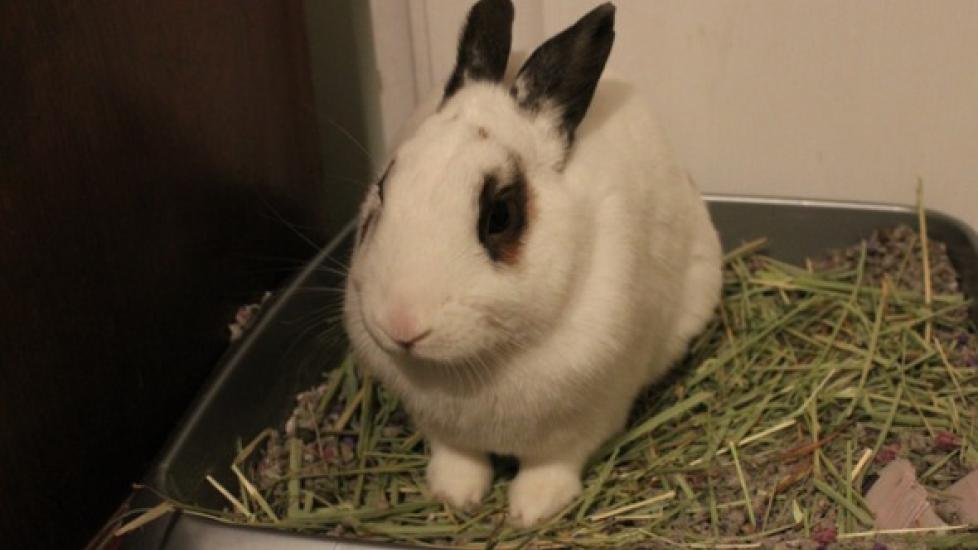
Dysuria and Pollakiuria in Rabbits The urinary bladder normally serves as a reservoir for urine as it is excreted by the kidneys. The bladder stores the urine temporarily, periodically releasing/disposing the urine that is stored there. Inflammation of the lower urinary tract may decrease bladder tone and alter the structure of the bladder, resulting in sensations of bladder fullness, urgency, and pain. Dysuria (painful urination) and pollakiuria (frequent urination) are usually caused by lesions in the lower urinary tracts but may also be indicative of upper bladder disorders or other organ involvement. Symptoms and Types Frequent trips to the litter box Urination outside of the litter box Urinating when picked up by owners Blood in the urine Thick, white, or tan colored urine Loss of appetite, weight loss Lethargy Tooth grinding Straining for stools and urination Hunched posture in rabbits with chronic or obstructive lower urinary tract diseases Tender abdomen Causes Abnormally high levels of calcium Kidney stones Urinary tract infection(s) Reproductive conditions Trauma Injury Obesity Diagnosis You will need to give a thorough history of your rabbit’s health, onset of symptoms, and possible incidents that might have led to this condition. Your veterinarian will need to differentiate from other abnormal urination patterns. A complete blood profile will be performed, including a chemical blood profile, a complete blood count and a urinalysis. The urinalysis may find the presence of infection or pus and blood in the urine, and the blood analysis may find increased levels of blood calcium. Alternatively, the blood count and urinalysis may return normal results. Other diagnostic tests may include abdominal X-rays, ultrasound, and a contrast study of the bladder and urinary tract – which uses a minimally invasive technique – an injection of a radiopaque/radiocontrasting agent into the space, so that it can be viewed in order to improve visibility on X-ray. Treatment Patients with urinary tract diseases without an obstruction are typically managed as outpatients, while rabbits with more severe forms of the diseases will warrant hospitlization, especially when multiple body systems are failing. Medication will also depend on the severity of the disease(s). Antibiotics and pain relievers, for example, are often prescribed, but must be given with caution. Living and Management Frequent follow-up examinations are recommended, as complications may arise during treatment. Featured Image: iStock.com/bunnylovinggrl
In This Article Summary View 6 More +
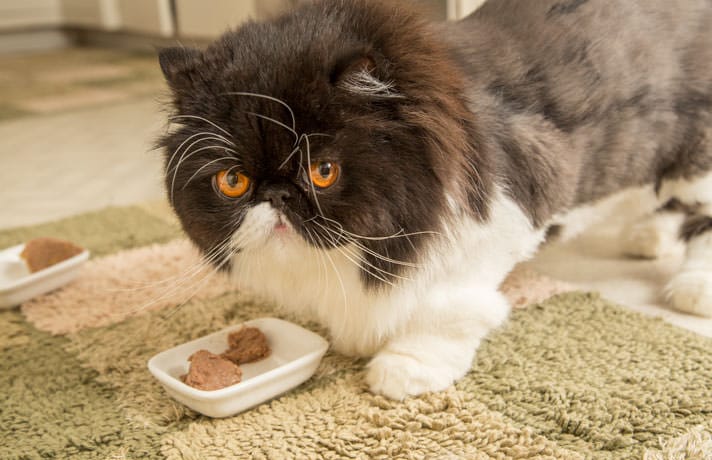
Like humans, our feline friends can develop allergies when their immune systems become hypersensitive to allergens. More pets encounter allergies than many people realize, and an estimated 10 to 20 percent of our four-legged friends experience food allergies, says David McGuffin, a board-certified veterinarian at Riverside Drive Animal Care Center in Dublin, Ohio. In the world of cat allergies, food ranks third, following flea and inhalant allergies.
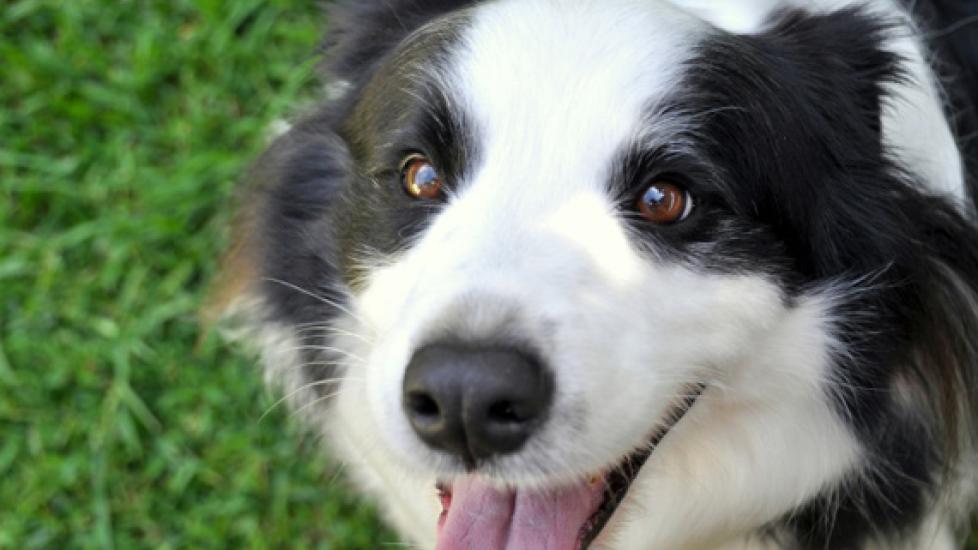
by Jessica Remitz Most dog owners assume their pups are colorblind, a notion that’s not entirely true. While our pets’ color vision is different from ours, they don’t view the world in only black and white. Here’s the science behind color vision and what we can do to help our dogs’ eyesight. Colors Dogs Can See Color vision is based in the cones of the eye, specifically the number of pigment classes found in the retina. The richness of color vision depends on the amount of color cones and degrees to which they overlap, according to the Optics and Physiology of Vision. Humans are trichromatic, which means they have three classes of cones. Dogs are dichromatic, meaning there are only two classes of cones in their eyes that contain the photo pigments that allow them to see color. Most people who are colorblind are usually missing their red or green photo pigment, similar to dogs and horses. Dogs’ color vision is comparable to humans missing the green cone population, according to the Optics and Physiology of Vision. We know dogs have capabilities for seeing color, but documenting it can be challenging. They’re able to pick toys based off of color, but since their greens are more muted, their ability to discern colors isn’t the same as ours, Christin Fahrer, DVM, MS, Diplomate ACVO said. While dogs don’t perceive colors the same way we do, they don’t seem to be negatively affected by their lack of color perception. In low light conditions, dogs see longer wavelengths of light—something naturally beneficial for predators that hunt in those conditions, William Miller DVM, MS, Diplomate ACVO said.
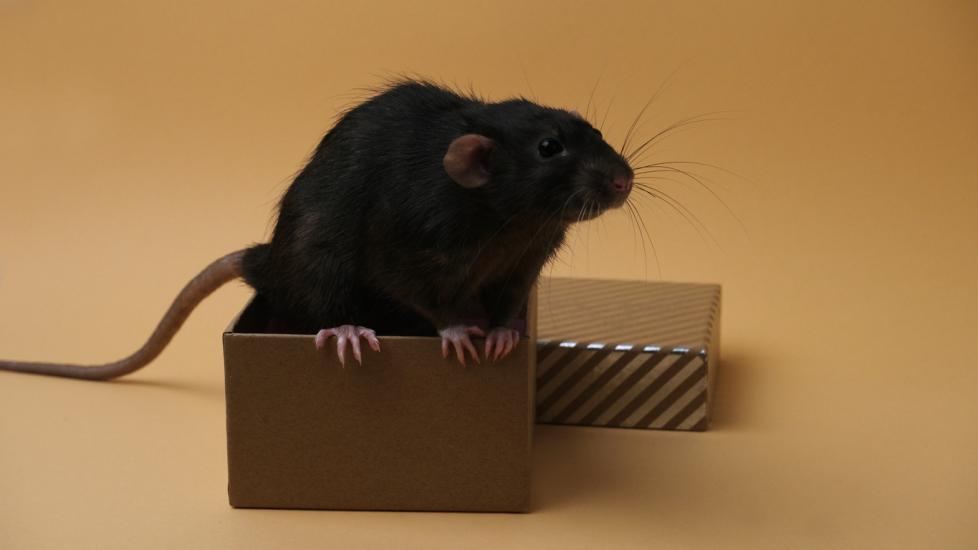
Lymphocytic Choriomeningitis Virus in Rats Lymphocytic choriomeningitis is a viral infection that is relatively common in rats. The usual sources of the virus are other infection-carrying rodents, such as guinea pigs, hamsters, and mice – both domesticated and wild. The infection can be contracted through contact with infected saliva, or through contaminated urine or feces, usually from common house mice. Shedding of viruses into urine is very common and highly contagious. Another common source of infection is contaminated air, by which the infected particles of the virus may remain suspended in the air after an infected animal has sneezed, making it possible for a healthy rat to inhale the virus. The infected rat may have no symptoms indicative of the infection it is carrying, but will still be able to transmit the virus to other rats and rodent species. In addition, it is important to take note that the lymphocytic choriomeningitis infection is zoonotic in nature, meaning that is can be transmitted to human handlers if proper precautions are not taken in the care and handling of infected rodents. Human handlers who acquire this virus from their pets will usually have symptoms of flu with sneezing, coughing, sniffling, high temperature and weakness. The infected human may also show signs of nervous system involvement, with viral meningitis, encephalitis (swelling of the brain), and inflammation of the spinal cord. There is no effective treatment for lymphocytic choriomeningitis in rats, and more often than not euthanasia is recommended for the prevention of further spread of the disease to humans and animals. Proper decontamination of the environment in which the infected rat was living should be closely adhered to in order to prevent later spread to humans and animals. Symptoms and Types Although there are often no symptoms of lymphocytic choriomeningitis in rats, human handlers who acquire the infection from their pet rats may show symptoms of influenza in the initial stages and nervous system involvement in the advanced stages, with brain fever, meningitis, encephalitis and inflammation of the spinal cord. Causes Contact with infected rodents in the pet store Contact with other pets which are infected Contact with infected urine or feces Inhalation of viral particles by air contamination (made so through sneezing by infected rodents) Diagnosis Since rats will seldom show any outer symptoms of lymphocytic choriomeningitis, your veterinarian will need to diagnose the disease based on the results of urine tests, and laboratory results from fecal and nasal discharge samples that were taken in the initial physical examination. Treatment Unfortunately, there is no standard treatment available for this viral infection. The only recommendation is to euthanize the infected rat to prevent further spread of the virus. Living and Management Preventing transmission to humans and other animals is a primary concern. If you choose not to euthanize your infected rat, you must take the utmost care in maintaining hygienic conditions, with regular cleansing and disinfecting of the cage and surrounding environment. If you do choose euthanasia, you will still need to thoroughly disinfect your rat’s living space in order to prevent the spread of infection after the death of your rat. Prevention Avoid contact and protect your rat from contact with other rats or rodents, both wild and domestic rodents, and both at home, in pet stores, and with friends. If you do handle rodents outside of the house, take care to thoroughly disinfect your hands and clothes before handling your own rat. Maintaining hygienic living conditions for your rat by regularly cleansing and disinfecting its cage and cage items can also help in preventing this virus from coming into contact with your rat.
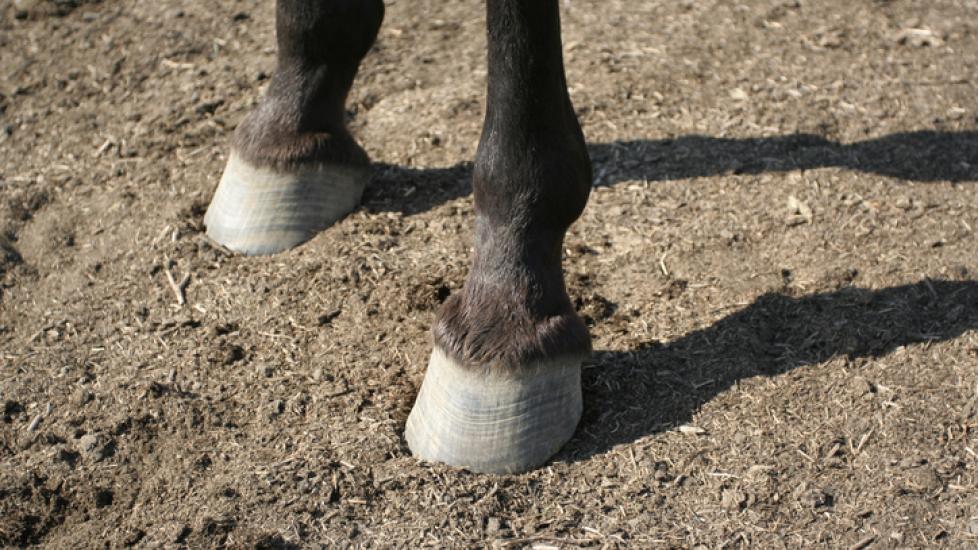
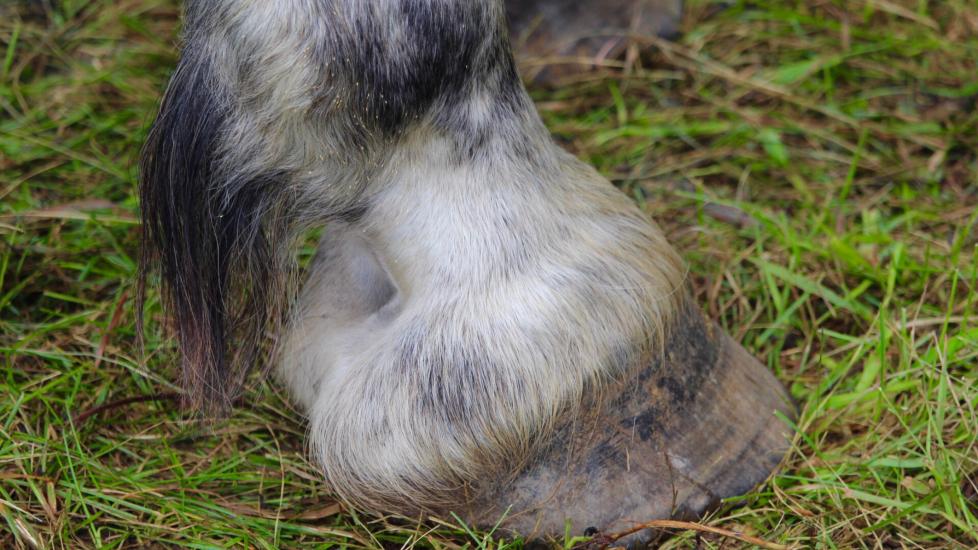
In This Article Horse Hoof Anatomy View 5 More +
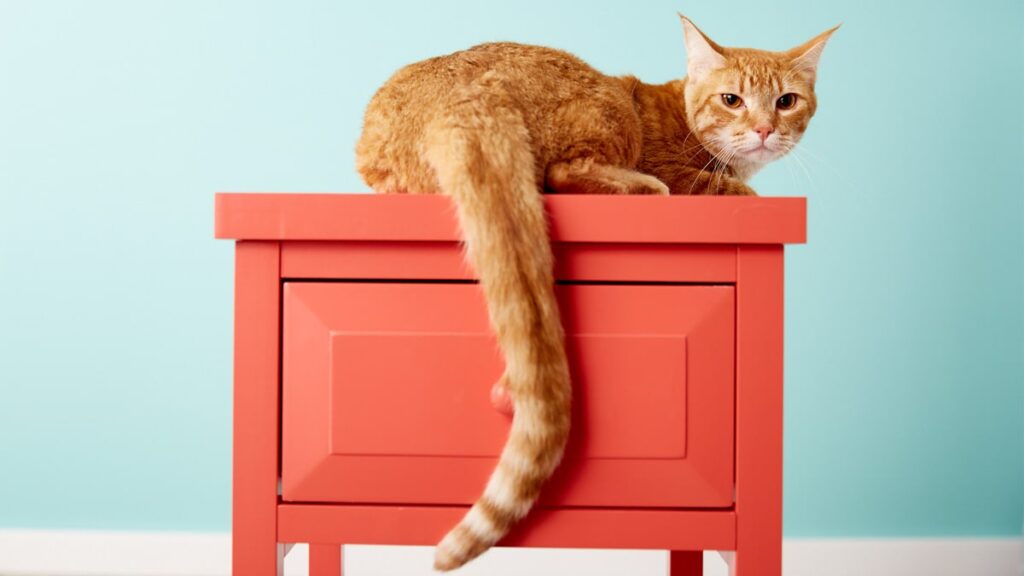
When a cat’s tail is in motion and looks fluid and soft, it’s “swishing.” Generally, this indicates a cat who’s relaxed or calmly interested in what’s happening. At this point, no alarm bells are going off in the cat. They also aren’t sleepy. They may be alert but aren’t worried or concerned about anything around them. With a contented cat on your hands, it’s usually best to just let them hang out and enjoy themselves.,Our feline friends don’t communicate with us solely through vocalizations like meows and purrs. A cat’s tail holds a complex language all its own. Every swish, wag, flick and curl contains a hidden message, and understanding cat tail positions and movements can give you deeper insight into your cat’s personality and feelings—leading to a deeper bond with your furry friend, as well as a better sense of whether your cat is sick or in pain. Dr. M. Leanne Lilly, DVM, DACVB, a veterinary behaviorist at the Behavioral Medicine Clinic at The Ohio State University Veterinary Medical Center in Columbus, Ohio, is an expert in decoding cat tail signals. Here’s what she says our feline friends are communicating with their cat tail movements.
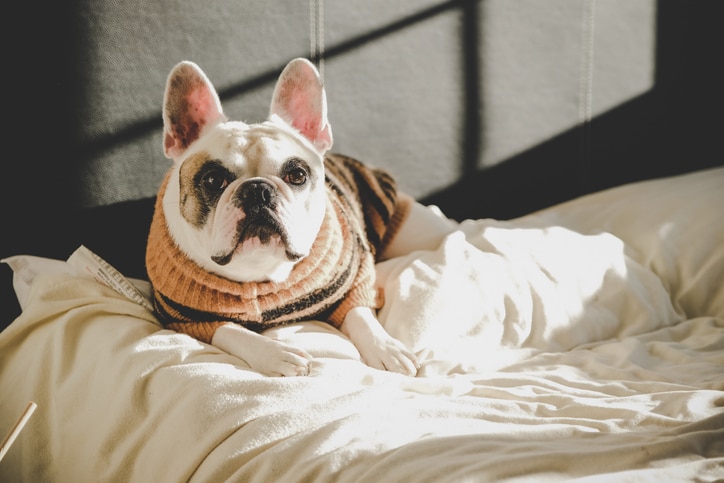
Q: Most of the time before my dog goes to sleep, she spins in a few circles before settling in her bed. It’s very cute, but is this normal? A: Yes, it’s totally normal for dogs to circle before they lie down. This adorable pre-sleep ritual is likely an instinctive behavior passed down by your pup’s ancestors—wolves. Circling serves several practical purposes, from creating a cozy bed to checking that the spot is secure. We spoke with two certified veterinary behaviorists to learn the reasons behind this behavior and when it might signal something more serious.

What Is a Horse Whisperer? Your Guide to Natural Horsemanship

The 5 Best Winter Dog Sports and Activities to Try With Your Pup