Do Cats Have Belly Buttons?
In This Article Do Cats Have Belly Buttons? View 3 More +


In This Article Do Cats Have Belly Buttons? View 3 More +
In This Article Determine if the Cat Is Feral or Friendly View 3 More +

In This Article How To Know If Your Dog Has Fleas View 3 More +
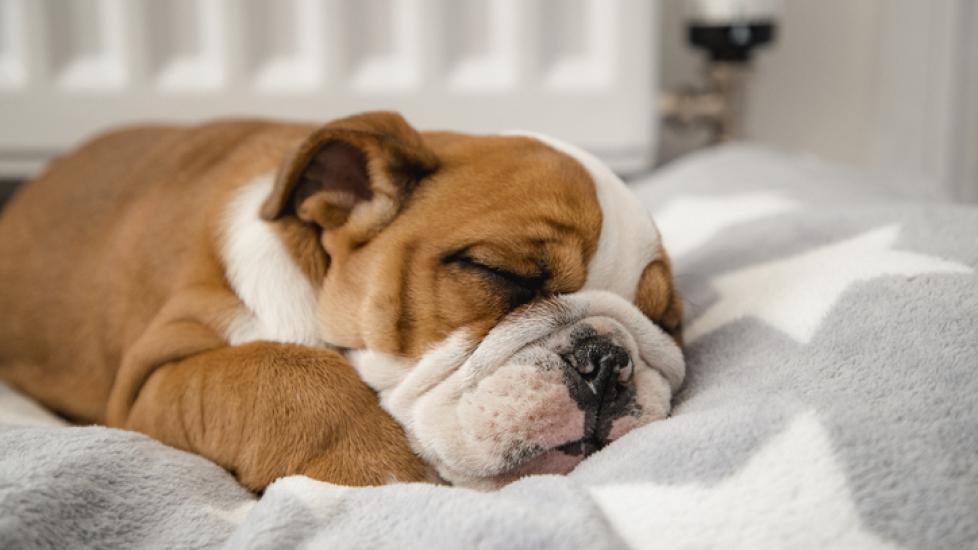
Getting a puppy is an exciting time, but it can also be overwhelming. In some ways, having a puppy is like having a baby, because they need a lot of attention and patience while they’re learning and adjusting. One of the first things your puppy needs to learn is a sleep schedule. Depending on the breed of dog, their age, and their activity during the day, puppies sleep a lot—anywhere from 12–20 hours per day. Very young puppies will sleep constantly—unless they’re nursing. As puppies get older, they alternate between sleeping and bursts of energy. With all this time spent snoozing, here’s how to help your puppy learn good sleeping habits. Where Should a Puppy Sleep at Night? Your puppy needs to have their own sleeping space. A properly sized crate is useful for sleep training, and your pet will soon learn that this is where to go for a quiet and safe place to rest. Bonus: Teaching your dog to sleep in the crate also helps with potty training. The crate should be a comfortable and warm place. For at least the first few weeks, it should be placed in your bedroom where you sleep. Remember that your puppy is in a new home, away from his mom and siblings, and those first few nights will be scary! It’s important that he learns from the beginning that he is safe and not alone. A scared puppy will have trouble falling asleep. How To Prepare a Puppy for Bed Creating a routine will help your puppy know what will happen next and what behavior you expect. Make sure your puppy has eaten his last meal of the day at least three hours before bedtime. This gives him enough time to digest and use the bathroom before bed. Take a walk and have a final, gentle playtime about an hour before bed. Once you put your puppy in the crate to sleep, you should either go to sleep or pretend to go to sleep. If you are still up, active, and making noise, your puppy will want to join you. Creating a cozy and comfortable bed will also prepare your puppy for sleep. If possible, put a blanket or something with your scent in the crate with him. If that is not possible, a soft, warm blanket will still offer some comfort. Choose a dog bed for the crate that has raised sides so your puppy will feel cradled and protected. Whatever bedding you choose, make sure it’s washable in case of an accident. There are also toys designed to mimic another dog, such as the Snuggle Puppy, that can be a soothing toy for your puppy to cuddle. If you do put toys in the crate, stick with ones conducive to bedtime—not something that would make your puppy think it’s playtime. As always, use your best judgment when choosing items to put in the crate with your puppy; you do not want to put anything in the crate that could be a choking hazard.
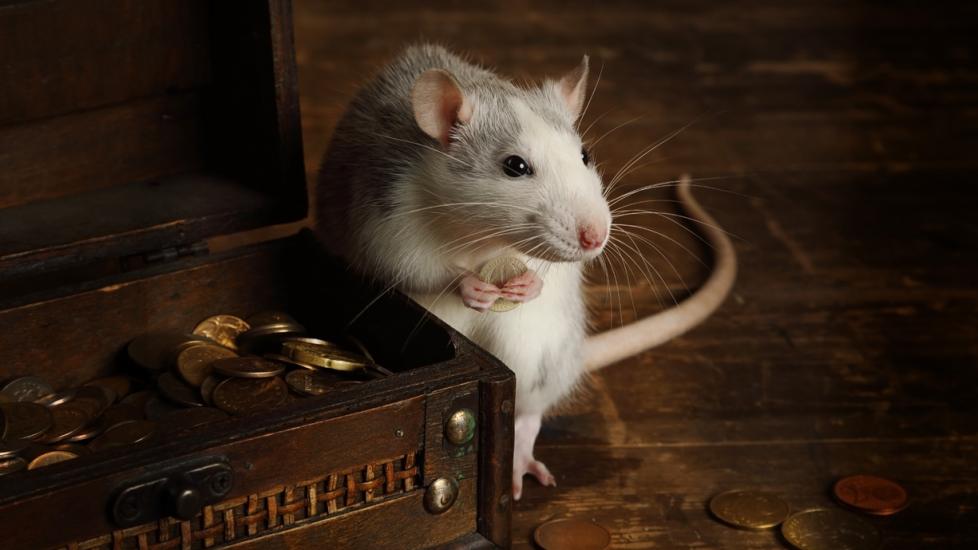
Urolithiasis Urolithiasis is a medical condition referring to the presence of uroliths — stones, crystals or calculi — in the kidneys, bladder or anywhere in the urinary tract. Rats with this condition suffer from secondary bacterial infections and pain due to the rubbing of the uroliths against the urinary tract. Male rats are more prone to urolithiasis because of their longer urethras. Symptoms and Types Uroliths are rough in nature, causing the rat’s urethra, urinary bladder or kidneys to become inflamed. Kidneys can also become inflamed due to secondary bacterial infections. Rats suffering from this condition will lick or bite the urinary area. And while some are unable to urinate or at least urinate properly, others frequently urinate but only in small amounts, leaving the fur around the perineum damp. In severe cases, urolithiasis may lead to renal failure. Some other symptoms include: Painful and difficult urination Cloudy urine Bloody urine Foul-smelling urine Loss of appetite Weakness Lethargy Abdominal pain Dehydration The consistency of uroliths depends on the types of minerals or solutions in the formations. For example, urolithiasis struvite stones consist of magnesium ammonium phosphate and causes the rat’s urine to become highly alkaline, and urolithiasis cystine stones consist of calcium oxalate, causing the urine to become highly acidic. Meanwhile, ammonium acid urates and silicate stones cause the urine pH to become either neutral or acidic. Causes There are several known risk factors for urolithiasis including diseases and conditions such as leukemia, diabetes, paralysis and diverticula (balloon-like growths on the bladder). Some other causes include: Dehydration Abnormally high levels of calcium in the blood Improper diet Parasitic infections in the bladder (e.g., threadworm) Bacterial infections Heredity can also cause urolithiasis in rabbits. Diagnosis Other than observing the rat’s clinical symptoms, the veterinarian will conduct X-rays and urine examinations to confirm the diagnosis. Culture and sensitivity tests may be required if secondary bacterial infections are present. Treatment Once the type of urolith is diagnosed and located, your veterinarian will devise a treatment plan. The vet may begin the treatment with antibiotics to dissolve the uroliths, however, if the number or size of uroliths is large, surgical intervention will be needed. The type of surgery for your rat will depend on the location of the uroliths, such as a cystotomy when dealing with the bladder, a nephrotomy when dealing with the kidney(s), or a urethotomy when dealing with the urethra. Surgery is not always an option. In these cases, your veterinarian may advise euthanasia to spare the rat pain and suffering. Living and Management Once the stones are removed, your veterinarian will provide a specific diet and certain living conditions for the rat. Prevention Providing a well-balanced, healthy diet for your rat may help prevent uroliths from forming in your rat, but because there are various causes for the condition, there is no surefire way to prevent it.

In This Article How To Calculate Dog Age View 3 More +

In This Article Summary View 7 More +
In This Article FAQs

You totally adore your furry friend (obvs), but wearing their hair everywhere? Not so much. Luckily with the best pet hair removers, you can keep your clothes—and your furniture—from being covered in hair. These best-selling pet hair removers have been tried and tested by Chewy pet parents like you and are top-rated for being the most effective, easy-to-use tools for keeping your home tidy. So whether your pup is heading into shedding season or you have a cat who loves lap cuddles especially when you’re wearing your favorite black pants, these pet hair removers will keep you and your home hair-free.
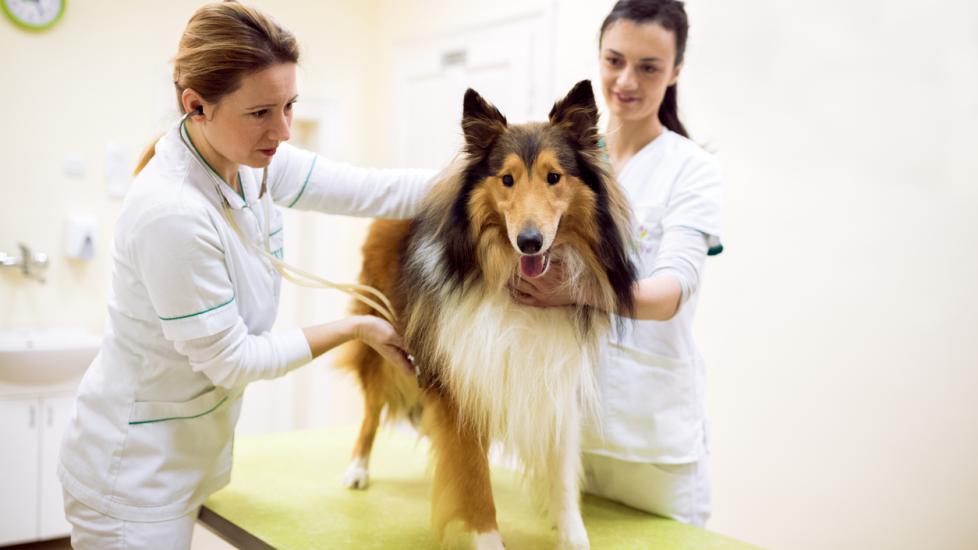
References Chicoine A. DVM 360. Testing for the MDR1 gene in Collie breeds. 2010. Dockweiler J. Cornell University College of Veterinary Medicine. Drug Sensitivity: MDR1. Mealey K, Meurs K. Breed distribution of the ABCB1-1Delta (multidrug sensitivity) polymorphism among dogs undergoing ABCB1 genotyping. Journal of the American Veterinary Medical Association. 2008. Washington State University. Dog breeds commonly affected by MDR1 mutation. 2021. Featured Image: iStock.com/didesign021 ,References Close,What Is the MDR1 Gene in Dogs? In 2001, a veterinary pharmacologist discovered that several herding-breed dogs were more likely to have a genetic mutation making them more sensitive to certain medications. The MDR1 (multidrug resistance 1) gene mutation causes a change in an important protective molecule called p-glycoprotein, which helps to eliminate medications and other toxic compounds from the dog’s body and prevents these medications from going places they shouldn’t, such as the brain. Dogs with a mutation of the MDR1 gene (or a defective MDR1 gene), also called the ABCB1 gene, are more likely to have serious side effects from certain classes of medication, namely ivermectin, an anti-parasite drug. Many Collie pet parents know that ivermectin drugs may be dangerous for their dog when used at non-FDA approved doses. The MDR1 gene mutation is responsible for this increased risk of toxicity. But it’s not just Collies, and it’s not just ivermectin. Other breeds and medications are linked as well. As we’ve learned more about genetics, we have developed ways to identify dogs that carry the MDR1 gene mutation and to make better choices in reducing their risks of serious medication side effects.

What Is a Horse Whisperer? Your Guide to Natural Horsemanship

The 5 Best Winter Dog Sports and Activities to Try With Your Pup