How Much Does a Cat Teeth Cleaning Cost?
In This Article How Much Does a Cat Dental Cleaning Cost? View 4 More +



In This Article How Much Does a Cat Dental Cleaning Cost? View 4 More +
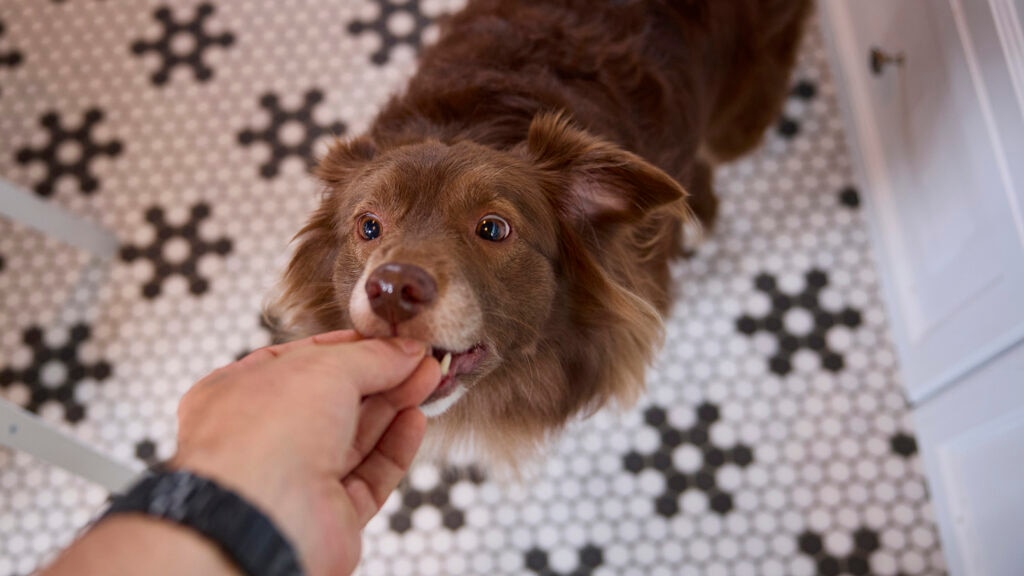
If you’ve been exploring ways to strengthen your dog’s immune system, improve their gut health, or help with allergy symptoms, you might’ve stumbled across a supplement called colostrum for dogs. Though best known as the first milk newborn mammals receive from their mothers, colostrum is now gaining attention in the pet wellness world for its potential benefits well beyond the newborn stage. But what exactly is colostrum, and why are pet parents adding it to their pup’s routine? Let’s take a closer look at what it is, how it works, and the benefits it may offer your pup. Always speak to your veterinarian before giving your dog supplements.

Birds are delicate creatures with eyes to match. If your pet bird is squinting, blinking frequently or rubbing their face with their wing, look closer: Are their eyelids red and swollen? Is the outer surface of the eyeball (the cornea) discolored? Those are clear signs of bird eye problems. Like with humans, birds’ eyes can be irritated by a cornucopia of causes. The technical term vets use for eye irritation is “conjunctivitis,” and any bird can be affected: parakeets, cockatoos, finches, house finches, parrots and songbirds. An eye is an eye—it doesn’t matter what size or kind of bird it is. Below, we list the most common bird eye problems that cause conjunctivitis. But remember, visiting your vet is the only way to know for sure what the cause is and how to fix it.

Some dogs just love to dig! While this habit may be cute when they’re puppies, as dogs get older and grow bigger, it can be downright destructive—and expensive, especially if they’re digging your furniture. So, what can you do about dogs scratching the furniture? While putting a pet couch cover or dog blankets on your couch may help, committed dig-aholic dogs can effectively rearrange them. Serious cases result in destroyed property and sometimes a vet bill from broken teeth or swallowed couch stuffing. The answer to dogs scratching furniture often goes beyond a dog-proof couch. To solve the problem, pet parents must understand what prompts the digging in the first place.

We all know that good nutrition is vital to our cats’ health and wellbeing throughout their lives, but determining what to feed kittens is especially important. Growing from a 4-ounce newborn kitten to a full-grown adult takes energy, proteins, fats, vitamins, minerals, and more—all in just the right amounts and proportions to avoid potentially dangerous nutritional deficiencies and excesses. Read on to learn how and what to feed kittens so they can get the nutrients they need to grow into happy and healthy adult cats.

In This Article Does Breed Affect Behavior? View 3 More +
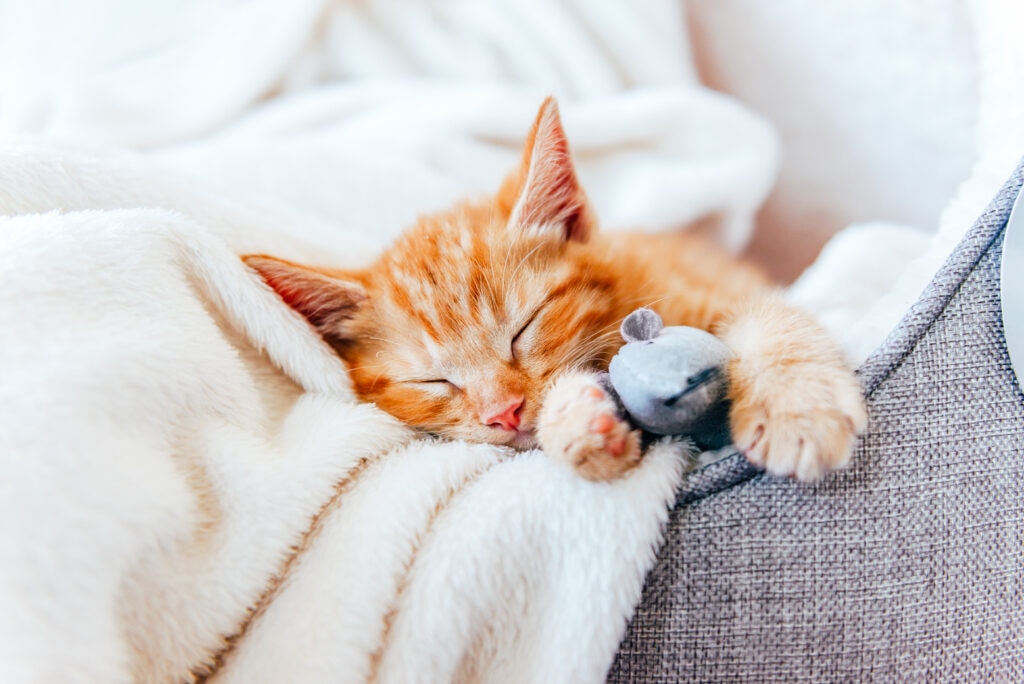
Experts say that, like most other mammals, cats experience dreams during sleep. So, while you’re dreaming at night, your cat might be having some vivid dreams of their own. As with humans, feline dreams occur during a stage of sleep known as rapid eye movement (REM). Elizabeth Stelow, DVM, DACVB, the chief of behavior science at UC Davis School of Veterinary Medicine in California, says that we’ve actually known this for decades. A 1979 study confirmed that felines have dreams of their own. The study “allowed us, for the first time, to connect things we see in the human dream state to cats,” Dr. Stelow says. It also offered evidence that cats dream about natural feline activities, like chasing mice or birds. Recognizing that cats dream can also shape how we view and treat them, she notes. “Knowing that cats dream helps us to build our compassion for them and celebrate how similar we really are,” Dr. Stelow explains. ,If you’ve ever watched your cat sleeping soundly, with paws twitching and whiskers flicking, you’ve probably wondered: Do cats dream? And, if so, what do cats dream about? The short answer is yes, they do, and it’s complicated. Here’s the science behind cat dreams, what your cat might be dreaming about, and how to tell if your feline friend is dreaming.

In This Article Overview View 8 More +

In This Article Five Things to Know About Nutrition for Senior Dogs View 1 More +
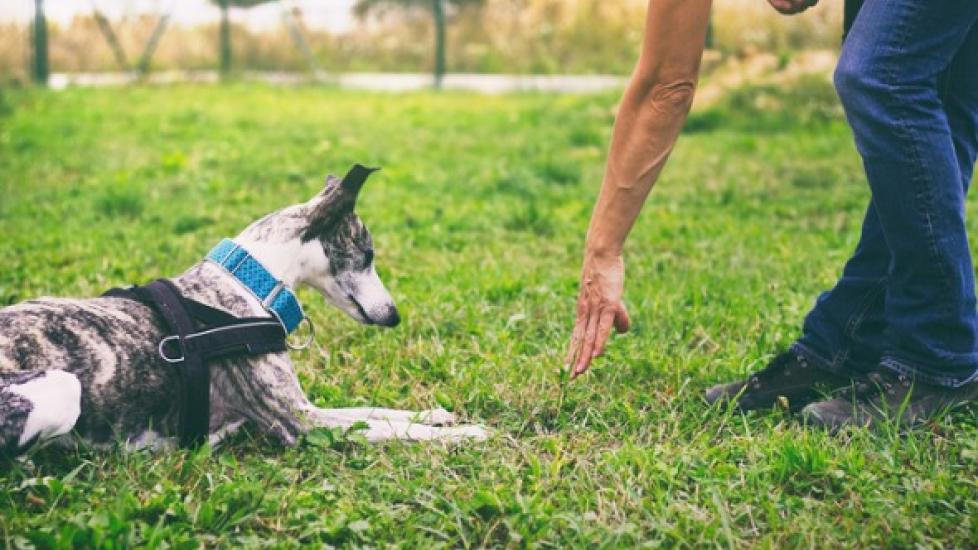
Image via iStock.com/Zbynek Pospisil By Rebecca Desfosse January is National Train Your Dog Month, and there’s no better way to celebrate the bond you have with your pup than by teaching him a few tricks in an exciting, new way. That’s exactly why the Association of Professional Dog Trainers created the National Train Your Dog Month in 2010—to remind pet owners to make training a part of everyday life with their dogs. When it comes to training your dog, there are a variety of “cues” you can use. A “cue” is a stimulus used to get your dog to do a particular action or trick, like sitting or giving you his paw. Many pet parents use voice cues, but hand signals for dogs are completely underrated as cues. In fact, they’re one of the most effective cues you can use to train your dog. Hand signals for dogs are easy to teach and use. They’re especially useful when teaching deaf or hard-of-hearing dogs or when training in a noisy environment. Why Use Hand Signals for Dogs? Using dog hand signals for training is effective because of a dog’s innate nature and propensity for understanding body language. “Dogs communicate with each other primarily through body language. Yes, they use vocal cues too, but their body cues are more dominant. From saying they are ready to play or expressing they aren’t comfortable with something, they can do it all with body positioning,” says dog trainer and founder of Fun Paw Care, Russell Hartstein, CDBC. It only makes sense that dogs learn and respond so well to body cues. Using hand signals for dogs during training also helps to minimize user error. According to Jessica Gore, CPDT-KA, animal behaviorist and founder of Competent Pup, “For the average person, hand signals may be the way to go, and will definitely offer results. Other forms of training—like shaping with a clicker, for example—require skill and finesse not always possessed by the average dog person (or trainer, for that matter).” Dog hand signals are easier for you to execute and for your dog to understand.


What Is a Horse Whisperer? Your Guide to Natural Horsemanship

The 5 Best Winter Dog Sports and Activities to Try With Your Pup