Why Your Dog’s Ears Stink and What To Do
In This Article Why Do My Dog’s Ears Stink? View 3 More +



In This Article Why Do My Dog’s Ears Stink? View 3 More +
In This Article Why Do Dogs Eat Poop? View 2 More +
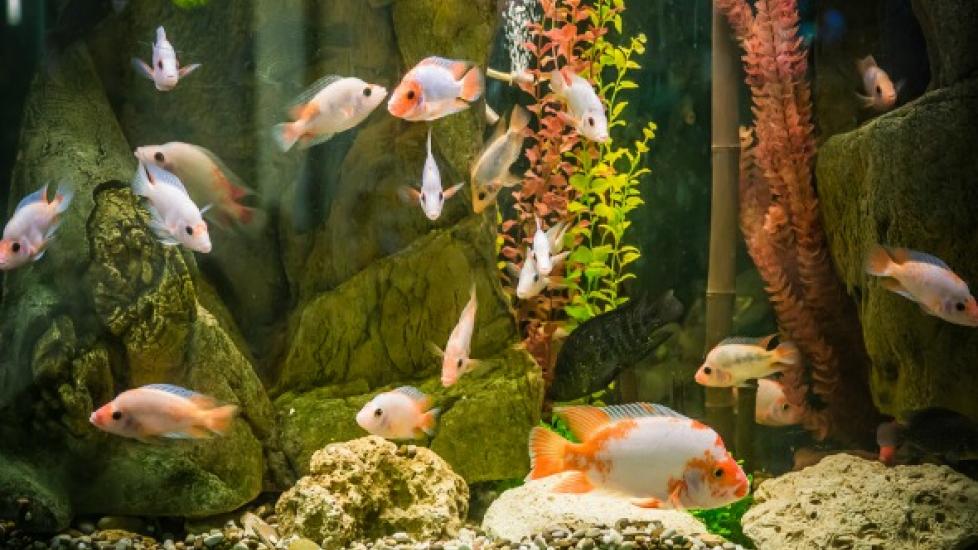
Old Tank Syndrome in Fish Old tank syndrome occurs in fish aquariums with high levels of ammonia and nitrite and low levels of water pH. It can be caused by overstocking, but is most commonly the result of inattentive tank maintenance. This condition can affect an age or species of fish, but is most dangerous to new fish that are added to established aquariums. Symptoms The primary symptom of old tank syndrome is the death of new fish that are placed into a long established tank, while the old fish remain alive and apparently healthy. This is because the old fish are accustomed to the balance of the water, even adjusting to conditions such as build-ups of certain chemical or bacterial levels. The old fish often do not show any signs of being affected by the unhealthy levels in the water. The new fish, however, have been accustomed to a different water balance and are shocked by the sudden change in conditions. On testing, the water will show measurable nitrite and ammonia levels, which can be toxic to fish, and a lowered pH level. pH levels below 6 indicates a serious imbalance, often leading to the loss of beneficial bacteria, which then leads to a dangerous and toxic increase in ammonia and nitrite levels in the water.
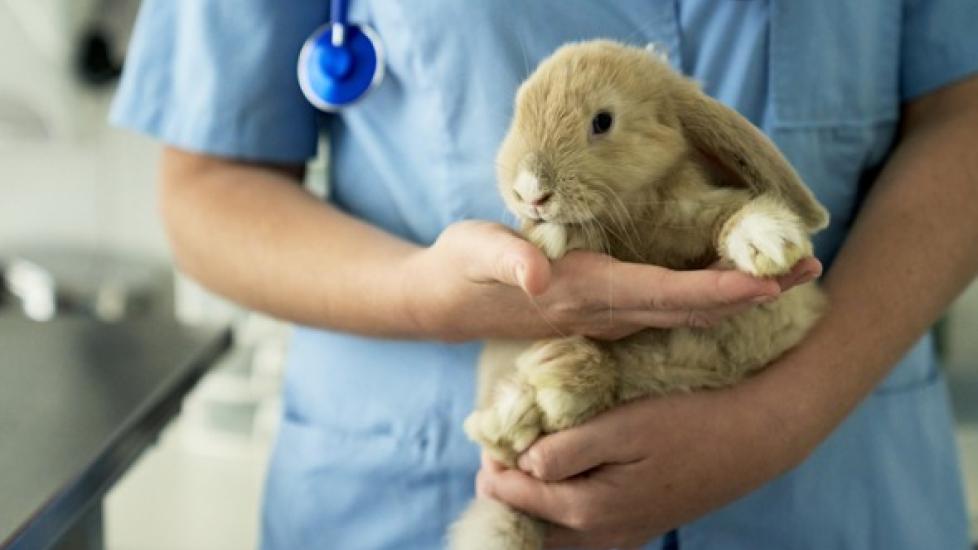
Paresis and Paralysis in Rabbits Paresis is defined as weakness of voluntary movement, or partial paralysis, while paralysis is the complete lack of voluntary movement. Symptoms and Types Four of the main types of motor dysfunction include: Quadriparesis or tetraparesis – weakness of voluntary movements in all limbs Quadriplegia or tetraplegia – absence of all voluntary limb movement Paraparesis – weakness of voluntary movements in hind limbs Paraplegia – absence of all voluntary movement in the hind limbs Their symptoms may present suddenly or gradually. However, sudden onset of paresis/paralysis is common following an injury to the spine. In fact, many rabbits sustain a fracture or a dislocation of the spine just by suddenly jumping within their cages due to a startling event such as a loud thunderstorm, fireworks, or loud noise from unfamiliar people or pets in the home. Other symptoms associated with these conditions include: Abnormal walking pattern (unable to hop or get up; dragging of affected limbs) Loss of bladder control Loss of hair, flaking over the head, shoulders, and tail due to inability to properly groom Severe obesity due to lack of exercise Causes In rabbits, weakness may be due to the effects of organ or metabolic disease, obesity, or to direct damage to the nerves. If the nerves are injured — either within the brain or spinal column — they will not communicate properly with each other and the rest of the body. This can lead to to increased stiffness in the muscles, and hypersensitive reflexes. If the peripheral (outer) nerves are damaged, meanwhile, absence of muscle reflexes and decreased muscle tone is seen. Diagnosis Your veterinarian will first need to confirm that the problem is weakness or paralysis by localizing the problem to either the lower or upper motor neuron system. Several tests will be conducted to determine the underlying cause of the motor dysfunction. A complete blood profile will be conducted, including a chemical blood profile, a complete blood count, a urinalysis, and an electrolyte panel. Both voluntary and involuntary motor responses will be analyzed, with urinary and bladder function checked. X-ray imaging is an important diagnostic procedure for the discovery of this disorder’s origins. Spinal X-rays will be taken to assess fracture or dislocation of a calcified disc, narrowed disc spaces, bony tumor, or vertebral malformation, and skull X-rays may show a dental disease, which, if chronic, can lead to weakness and chronic debility. Whole body X-rays may identify an underlying heart disease, tumors, kidney stones, or orthopedic disorders. In addition, computed tomography (CT) or magnetic resonance imaging (MRI) may be used to evaluate potential brain disease. An abdominal ultrasonography will be done if an underlying metabolic disease (e.g., renal, hepatic) is suspected. Since partial or complete loss of muscle control is most often linked to a trauma or diseased condition of the spine or nervous system, the most effective method by which to determine the location of a spinal cord injury, tumor, or infection is to take a sample of spinal cord fluid (cerebrospinal fluid [CSF]) for analysis. Your doctor will also need to get a clear view of the spinal cord. Using a technique called a myelography, which uses an injection of a radiopaque agent into the spinal space in order to improve visibility on X-ray, he or she will be able to view any apparent abnormalities in the spine. The veterinarian may also need to take a nerve sample, or a sample from the muscle tissue, for biopsy. Treatment Your rabbit will be cared for as an inpatient if it presents with severe weakness or paralysis, or until bladder function can be ascertained (an indicator of the severity of the condition). If possible, the veterinarian will treat the underlying cause of the paresis or paralysis. For example, pain relieving medication as well as anesthetics and gastric protective agents may be provided. If paralysis is present, the bladder may be emptied by manual compression. Inability to urinate voluntarily can make the rabbit more susceptible to infection, so it will be important to monitor for signs of urinary infection and the spread of infection into the bladder. For fractures and damaged nerves, your doctor may be able to surgically repair them. It must be kept in mind that some injuries are too traumatic for repair. The final outcome will be dependent on the diagnosis. Living and Management If your rabbit is having problems with urinary continence, you will need to make extra efforts to keep the bedding clean so that the rabbit is not in soiled bedding. Additionally, keep the fur clean and dry; check and clean your rabbit’s genital and hind leg area frequently to prevent urine scalding. You will need to restrict your rabbit’s activity until spinal trauma and disk prolapse can be ruled out. If your rabbit has been placed on cage rest, you will need to make sure to move your rabbit at regular intervals in order to prevents lung congestion and pressure sore (bed sore) formation by turning it from one side to the other four to eight times daily. This is very important, as the rabbit will not be able to do this on its own. If your rabbit is unable to urinate on its own, you will need to perform manual expression of its bladder regularly enough tot prevent the possibility of bladder infection. Your veterinarian will go over the procedure with you so that you can perform this task at home. If your rabbit is only affected in the hind legs, a cart — the type that is made for small breed dogs — may sometimes be fitted for larger rabbits, and may be tolerated for limited periods. Encourage oral fluid intake by offering fresh water, wetting leafy vegetables, or flavoring water with vegetable juice, and offer a large selection of fresh, moistened greens such as cilantro, romaine lettuce, parsley, carrot tops, dandelion greens, spinach, collard greens, etc., and good-quality grass hay. You should also continue to offer your rabbit it’s usual pellet diet, as the initial goal is to get the rabbit to eat a full diet. If your rabbit cannot, or will not eat, you will need to syringe feed a gruel mixture. High-carbohydrate, high-fat nutritional supplements are contraindicated and should not be given with the approval of your doctor. Do not give your rabbit any foods or medicines that have not been preapproved by your veterinarian. Featured Image: iStock.com/xavierarnau
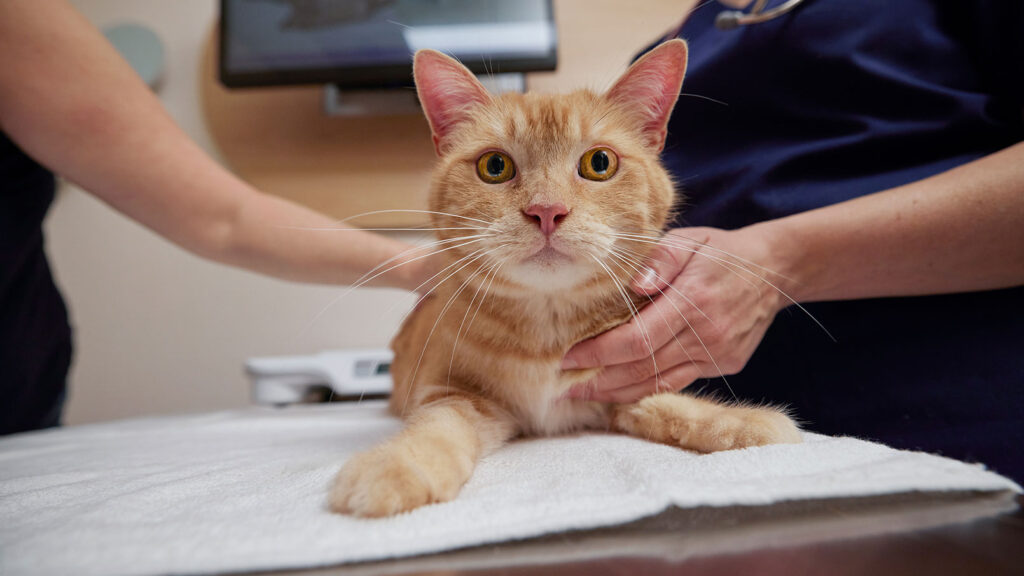
Routine vet visits are one of the best ways to protect your cat’s health. But how often does your feline friend really need to see the vet? The answer depends on their age, lifestyle, and any health conditions they may have. Whether you’re raising a curious kitten or caring for a beloved senior, this guide outlines how often to take your cat to the vet—plus what to expect at each visit and signs it’s time to head to the clinic right away.
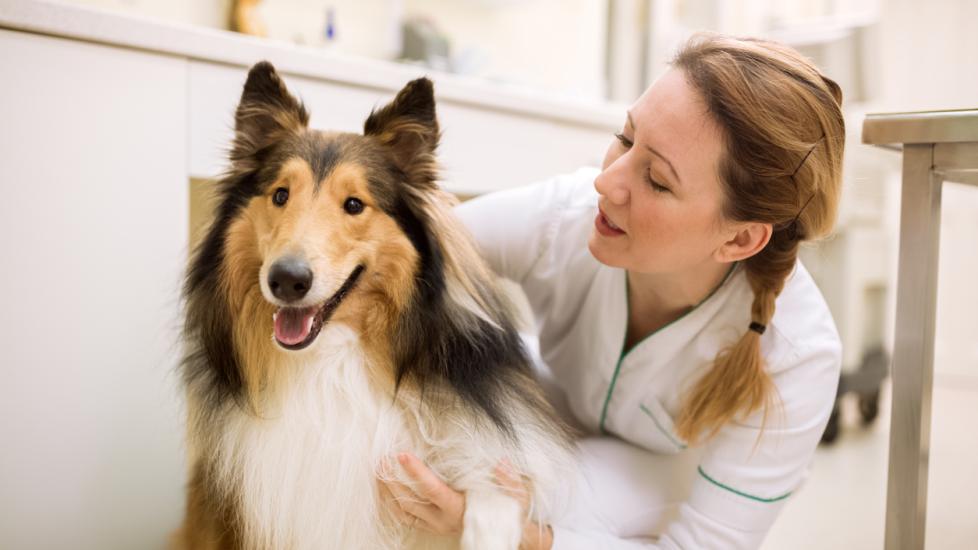
How To Draw Blood From Your Diabetic Pet Many pet owners are nervous about taking blood samples, but it gets easier with practice. Ideally, you should find at least two locations on your pet that are comfortable for both you and your pet and rotate through them. In cats, the best place to take blood from is the tiny vein at the edge of the ear flap (the marginal ear vein). Other options is the accessory carpal pad, or the pad on the front leg closest to the cat’s body. Make sure that you don’t draw blood from a spot your cat will be walking on. In dogs, you can also target the marginal ear vein or accessory carpal pad. Other options in dogs include the inside of the upper lip or the callus on the elbows. It is best to find at least two locations on your pet that are comfortable for you and them and rotate through them. This way your pet does not get sensitive to excessive sampling in one area. Before drawing blood, be sure to warm the sample area so that you get an adequate sample. Warming the area helps to bring blood to the surface and makes for easier sample collection. You can simply rub the area with your fingers or apply a warm cloth. For pets that have long hair, shaving the sample site may make drawing blood easier. If you are sampling blood glucose only once a day, ask your veterinarian what time of day is best and test at that same time each day. There are several on-line tracking apps for monitoring blood sugar levels, (AlphaTrack, Vetsulin) that can be helpful when monitoring your pet’s glucose at home.,Additional Home Monitoring Options for Diabetic Pets Continuous glucose monitoring is a new type of monitoring that was adapted from human medicine to help diabetic patients. Currently, no continuous glucose monitors (CGMs) are FDA-approved for use on pets at this time, but there have been several published studies that suggest the Freestyle Libre is safe, accurate and effective for use in both dogs and cats. Some vets recommend it off-label. Using a CGM enables you to constantly monitor your pet’s glucose levels without having to obtain blood samples. The Freestyle Libre is a small, round glucose sensor that has a tiny sampling tube that’s implanted under your pet’s skin at the veterinarian’s office. The sensor monitors tissue glucose levels continuously for 14 days and then the sensor and probe are removed until your vet recommends another round of monitoring. Monitoring is generally recommended after changes in insulin dosage, every three months in stable diabetics, or as directed by your veterinarian. It does not measure glucose in the bloodstream. Instead, it checks glucose in the fluid that is in the tissues under the skin. This sensor then links to an app on your phone or a reader (a separate device to collect and interpret the data from the sensor, which can be purchased separately) so you can easily keep tabs on glucose values. Each sensor is used only once, and it intended to be used for 14 days to provide continuous glucose data. There are multiple advantages to this system: It’s pain free, collects continuous glucose data over the course of 14 days and the data is collected at home where your pet is happy and comfortable. The downside, however, is that CGMS aren’t quite as accurate as manual glucometers. If your pet has a very abnormal reading, you’ll want to double check it with a glucometer. Urine testing: Test strips can be used to measure how much glucose has spilled over into the urine because levels exceeded what the kidneys can handle. Your veterinarian might advise urine testing if your pet has been recently diagnosed with a diabetes. Featured Image: iStock.com/didesign021,If your pet is diabetic or recently diagnosed as one, you’re probably learning everything you can about managing a diabetic pet at home. In healthy pets (and people), a hormone called insulin moves sugar from the blood stream into the cells where it can be used for energy. If your dog or cat has diabetes, however, their pancreas does not produce insulin or sufficient insulin. Typically, pets are not classified into type 1 or type 2 diabetes as are humans. However, for understanding the similarities, type 1 diabetes is where the pancreas is not producing insulin. Dogs get type 1 diabetes and cats can have type 1 or type 2 diabetes. With type 2 diabetes the pancreas is still producing insulin but not in sufficient levels. As a result of either type of diabetes, the amount of sugar (glucose) in their bloodstream can become dangerously high causing a condition called hyperglycemia. To keep your pet healthy, you’ll have to give it injections of insulin, but you’ll need to avoid overdoing it. If you give them too much insulin, their blood sugar levels could become dangerously low (hypoglycemia). That’s why regular monitoring of glucose levels and adjusting insulin doses is crucial, as directed by your veterinarian.
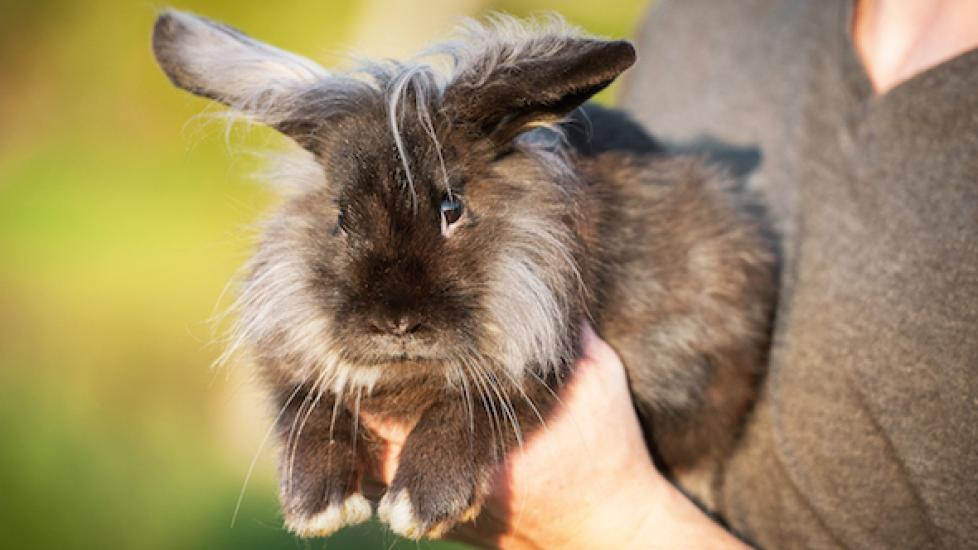
By Matt Soniak Rabbits are sometimes seen as low-maintenance, “starter” pets that can get by in an outdoor hutch with a few carrots and little monitoring. However, this couldn’t be further from the truth. Domestic rabbits are indoor pets that require as much attention as any other pet, including a specific diet and daily meals, regular cleaning of their quarters, daily monitoring and time out of their cage and medical care from a veterinarian with knowledge of and experience working with rabbits. Rabbits are also highly social animals that crave contact and interaction with their human caretakers. They need a lot more time and effort than people assume, but the payoff is a curious, playful companion that will be part of the family for years. Where Can I Find a Rabbit and What do I Need to Care for It? Because of the rabbit’s misrepresentation as an easy pet, many shelters have rabbits that were given up by people that couldn’t take care of them. To adopt a rabbit, check with local animal shelters, small animal rescue groups or the closest chapter of the House Rabbit Society. Rabbit Rescue and Rehab, the New York City chapter of the House Rabbit Society recommends the following items as part of their rabbit supply checklist: Habitat: though they’re relatively small, rabbits need quite a bit of space to stretch out or hop around. Mary Cotter, founder of Rabbit Rescue and Rehab and vice president of House Rabbit Society, recommends a puppy playpen for your rabbit to call home, but if you have to use a cage, make it the largest one you can get. The House Rabbit Society recommends purchasing a cage or crate no smaller than four feet long, two feet wide and four feet tall. This provides enough space for a litter box, toys, food and water bowls and for the rabbit to stand or lay stretched out. The crate should have a solid bottom, and a mat, blanket or towel on the bottom of the crate will keep the rabbit from slipping and give it a comfortable surface to sit on. Travel carrier: to take your rabbit home or to and from the veterinarian, you’ll need a hard plastic animal carrier, lined on the bottom with something soft and absorbent like a towel or blanket. Litter box and litter: rabbits are tidy by nature and won’t do their business freely all around their crate. Instead, they’ll pick one corner of the crate as their bathroom and consistently go there. Once your rabbit has made their choice, place the litter box or pan there. Cotter recommends lining the box with a layer of newspaper and then filling it all the way to the top with hay. This creates a “miniature yard” for the rabbit, where it can sit, eat and do its business while the hay absorbs the smell. Food: including hay, vegetables and pellets. Rabbits also need to stay hydrated, or intestinal issues can quickly occur. Fresh, clean water should always be available. Bowls for food and water: rabbits are curious and playful, and prone to tipping and flipping lightweight bowls as they move them around and explore their living space. Heavy ceramic crocks or metal bowls will be harder for rabbits to spill. Grooming tools: a soft, rabbit-safe brush is essential for removing hair when your rabbit sheds and safety nail clippers should be used for trimming a rabbit’s nails. Toys: toys provide mental and physical stimulation to keep rabbits from getting bored, overweight and depressed. Good rabbit toys include paper bags and cardboard boxes for crawling into, scratching and chewing, small balls or cat toys that can be tossed around and kitty condos for climbing. Play and exercise area: rabbits need four to five hours each day outside of their crate to exercise, play and socialize. For that, you’ll need a fairly large, rabbit-proofed space. Ideally, this area is carpeted to provide traction as the rabbit runs and jumps, as they can slip or slide and injure themselves on a hardwood or tile surface. How to Feed and Groom a Rabbit Rabbits require a mix of the following items in order to maintain a healthy diet: Hay: stimulates rabbits’ normal chewing behaviors and provides appropriate wear on their teeth, preventing dental disease. The fiber in hay will also encourage proper digestion. Fresh grass hays (such as Timothy, oat, coastal, brome, Bahia or wheat hay) should be provided to the rabbit in unlimited amounts every day. “Hay is the most important part of the diet; they can survive on this alone,” said Dr. Darryl Heard, DVM and professor at the University of Florida’s School of Veterinary Medicine. Vegetables: leafy green vegetables are used to supplement the hay and provide additional vitamins and nutrients. The House Rabbit Society recommends feeding your rabbit a daily mix of three different vegetables like carrots, collard greens, beet greens, broccoli and romaine lettuce. Rabbit pellets: provide additional nutrients to a rabbit but should only be fed as an additional supplement to its diet. Rabbit Rescue and Rehab advises against pellets that contain seeds, nuts or corn, as these are not required in a rabbit’s diet and can contribute to health problems. Water: as mentioned, rabbits should have access to fresh, clean water at all times. Sipper bottles can be used, Heard said, but should be checked regularly to ensure they are working properly, as rabbits will chew on the ends and can cause them to jam. Treats: every pet deserves a treat now and again, but be careful which ones you pick for your rabbit. Too many simple sugars or starches can throw the balance of bacteria in their intestinal tracts off, causing illness. When it comes to keeping your rabbit clean, rabbits are prodigious self-groomers and don’t need a whole lot of help from us, Cotter said. They’ll need to be brushed during their sheds and have their nails clipped every few months, but that’s is generally all that’s needed. Be sure to talk to your veterinarian about any nail-trimming questions you have before you attempt clipping at home. Rabbit Rescue and Rehab recommends changing your rabbit’s litter box daily and cleaning the crate once or twice a week by emptying it, sweeping it out and scrubbing the bottom with warm water. How to Keep a Rabbit Safe Around the House “Rabbits are very inquisitive and can get into trouble anywhere,” said Nickol Finch, head of the Exotics and Wildlife Department at Washington State University Veterinary Hospital. “They can open cupboards and chew on cleaners, they will chew on wood work, carpeting [and] wires, which can result in electrocution.” To rabbit-proof your pet’s play area, move houseplants or cover them with sheets and protect cords and wires with flexible plastic tubing. Cotter recommends putting sport socks on any furniture legs that the rabbit can get to. They won’t save the wood from being chewed, but can buy you a few minutes to redirect your rabbit’s attention to its own toys. Rabbits are small and delicate, and great care needs to be taken when handling them. Adults should be the primary caretaker of a pet rabbit and carefully supervise children interacting with them. When a rabbit must be held or carried, support their front half, under their rib cage, with one hand and their rear end with the other, holding them close to your body like a football. Keep their legs tucked underneath them to avoid back injury, and never lift a rabbit by the ears of scruff. What Type of Medical Care Do Rabbits Need? There are no recommended vaccines for rabbits in North America, but pet rabbits should be seen by a veterinarian at least once a year for a checkup and all pet rabbits should be spayed or neutered when they reach maturity. This helps prevent uterine cancer in female rabbits, aggressive behaviors like mounting and spraying in male rabbits and unintended breeding. Finding a veterinarian who is knowledgeable about rabbit care and skilled in treating them can sometimes be difficult. The House Rabbit Society maintains lists of veterinarians around the country and your local chapter or rescue society can likely also recommend a local veterinarian with rabbit experience. Caring for a Rabbit Over the Course of Its Life There are dozens of different rabbit breeds that vary in size, color and body and ear type, but all have their own charms. A common misconception is that smaller breeds need less space than larger ones, but they actually need just as much room to run and hop around in. Some breeds have special needs that owners need to keep in mind. Angora rabbits, Heard says, are predisposed to hairballs because of their long fur and must be groomed regularly to prevent these. Rex rabbits, meanwhile, don’t have enough cushioning on the bottoms of their feet and they often experience foot ulcers or other foot problems. Domestic rabbits can often live ten years or longer, sometimes well into their teens. As they age and grow, they’ll have different needs, especially as it pertains to their diet. Since baby and adult rabbits have different nutritional requirements, Rabbit Rescue and Rehab suggests the following timeline as a guide for your rabbit’s changing diet: Seven weeks to seven months: unlimited pellets and alfalfa hay; at 12 weeks, introduce vegetables in half-ounce amounts. Seven months to one year: introduce other hays and decrease alfalfa; decrease pellets to half a cup per six pounds body weight; increase veggies gradually to two cups per six pounds of body weight. One to five years: unlimited Timothy, grass and oat hay; half cup pellets and two cups veggies per six pounds of weight. Six and older: if normal weight, continue regular diet; if rabbit is frail or losing weight, more pellets may be needed maintain healthy weight. Rabbits can also become obese and suffer health effects from extra weight, so it is important to stay in the healthy range. Health care needs change with age, too. Younger rabbits are susceptible to intestinal disease as they develop the ability to digest hay and establish normal gut function, Heard said, and irregular bathroom use or loss of appetite can signal a problem. Older rabbits, meanwhile, often develop arthritis and kidney problems. “Regular examination by a veterinarian can identify these issues and provide therapy to make your animal more comfortable,” he said. Image: Rita Kochmarjova / Shutterstock

What To Do After Castrating a Horse It is important to follow your veterinarian’s post-operative instructions after castration. This typically involves light hand walking or exercising for a few days, with a gradual increase. Movement is important to allow drainage at the surgical site. Leaving a horse standing in a stall for days after castration often leads to severe swelling of the area, which becomes painful, and potentially infectious. This may require potential debridement or removal of infected tissue by your veterinarian, more antibiotics, and cold hosing the area daily along with exercise to help reduce the swelling and potential scirrhous cord formation. This is when some of the tissue becomes hardened and infected, and there may be chronic drainage from the area. Full recovery typically takes about two weeks if no complications arise; it’s important to keep newly gelded horses away from mares for the first several weeks as there are still high levels of testosterone circulating in the body, and they can still impregnate a mare potentially after 30 days after castration.,Behavioral Changes After Castration In time, your horse will have less “studly” urges, unless your horse was very mature and had been used for breeding prior to the castration. Over time this will lead to less reactiveness to mares, a generally calmer demeanor, and less aggression. Older stallions are less likely to change their attitude, as many of their behaviors are learned. Featured Image: iStock.com/Somogyvari,What is Horse Castration? Castration is the term used for the removal of testicles in horses, similar to the word “neutering” in dogs and cats. This procedure can be done with the horse either standing, or recumbent (laying down), either on their back or on one side. Intact male horses are referred to as stallions; once they have been castrated, they become geldings.
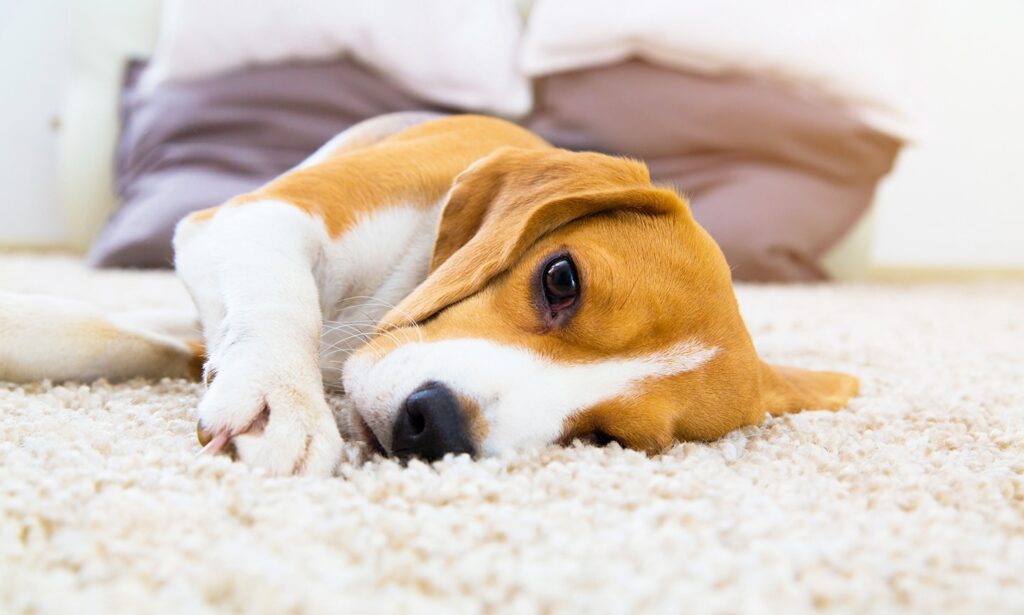
Rat poison, formally known as rodenticide, is also used as mouse poison. It can kill other rodents, like squirrels and chipmunks, as well. The three most common types of rat poison are anticoagulant rodenticides, bromethalin rodenticides and cholecalciferol rodenticides. Each can cause different medical complications in your dog because of the way they work. All can lead to a dog’s death. Let’s dive deeper into each:,Jump to section Types of Rat Poison Signs of Rat Poisoning in Dogs What to Do If Your Dog Eats Rat Poison My Dog Ate Rat Poison and Nothing Happened Treating a Dog Who Ate Rat Poison My Dog Ate Rat Poison: Is Home Treatment Possible? Preventing Rat Poisoning in Dogs FAQs
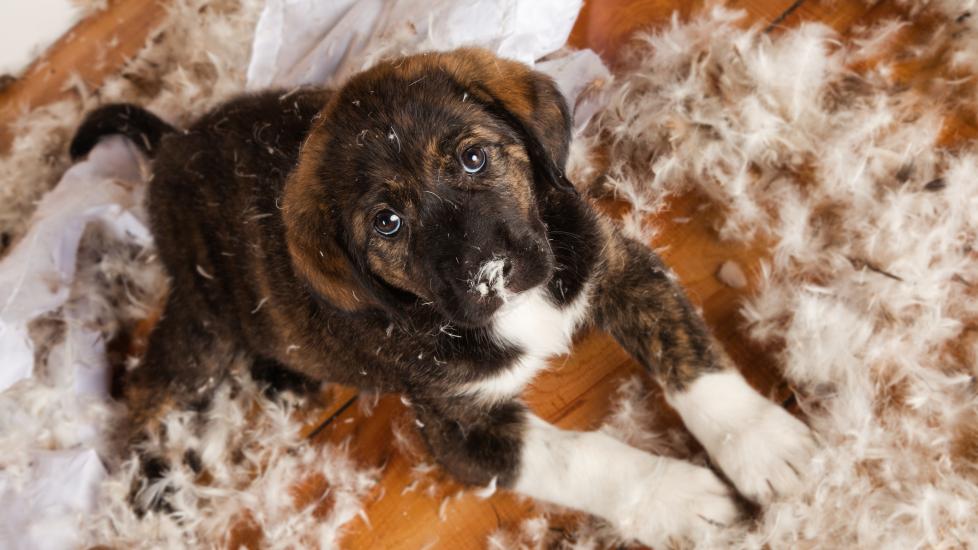
In This Article Puppy-Proofing Inside Your Home View 1 More +
What Is a Horse Whisperer? Your Guide to Natural Horsemanship

The 5 Best Winter Dog Sports and Activities to Try With Your Pup