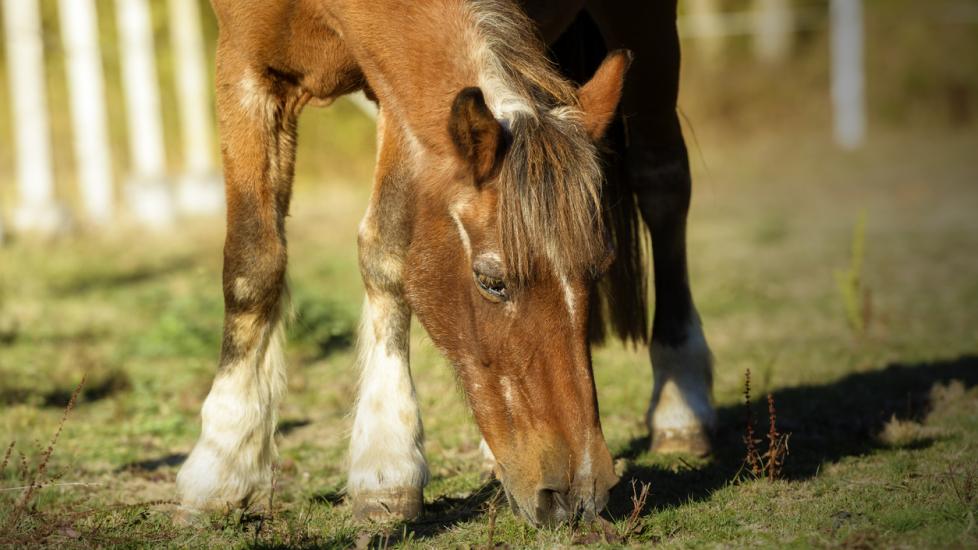
WRITTEN BYCourtnee Morton, DVM, CVA, CVC Veterinarian Dr. Courtnee Morton is a 2017 Ross University School of Veterinary Medicine graduate. Since graduation, she completed an equine internship…,When it comes to being a pet parent, the hardest part is trying to decide when it’s time at the end of a pet’s life. Whether in an emergency, or as your horse ages, there may come a point where you wonder if they are still comfortable and happy. Measuring quality of life (QOL) in animals can be quite difficult, as they can’t verbally tell us how they’re feeling or about their comfort and happiness levels. Luckily, you and your veterinarian have some tools at hand to help evaluate. What Does Quality of Life Mean for Horses? Quality of life is defined as “the standard of health, comfort, and happiness experienced by an individual.” As a horse’s owner and daily caretaker, you can gauge these factors by a horse’s attitude, wellbeing, and behavior, which you will know best. The current average lifespan of a horse is approximately 25-30 years–much longer than it used to be, since many horses are now provided proper veterinary care, good nutrition, and aids to help with comfort for arthritis and other medical issues. Some conditions that may shorten either the lifespan or the comfort level of your horse over time include, among others: Arthritis Navicular syndrome Poor dental health Inability to obtain nutrients from food Metabolic diseases Arthritis, decreased energy, and weight loss in the summers and winters are not uncommon in geriatric horses, even with appropriate care. While these may lead to a gradual decline in health or daily comfort, major injuries or severe illnesses should be considered for QOL long-term. If your horse has suffered a catastrophic accident–consider if its’ fair to prolong their life or if they are suffering and unlikely to recover. Should your horse experience such an illness or injury, your vet will discuss your horse’s prognosis. They will discuss the likelihood of a smooth recovery or if attempting to treat them might be a long, uphill, expensive battle during which your horse is experiencing significant pain or stress. We must remember to always include the emotional as well as physical well-being when we are considering a horse’s quality of life.