
Are Fish Losing Popularity as Pets Because Selfies Are Difficult?
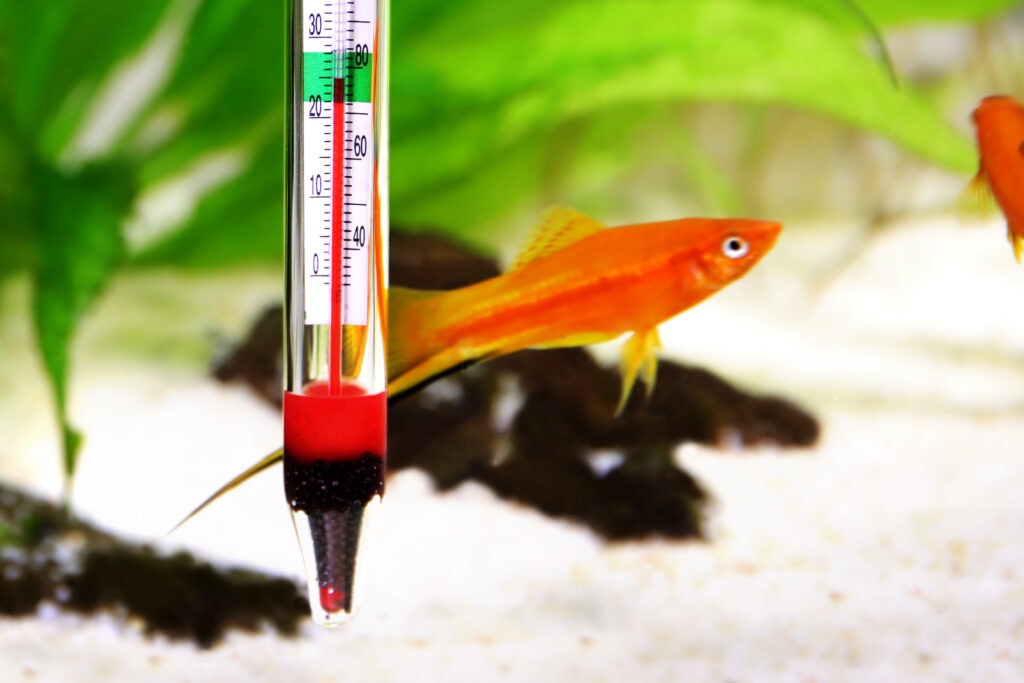
By LisaBeth Weber There is no shortage of dog and cat Instagram accounts, but look for the same among pet fish, and you won’t find many. This lack of fish galleries was noted by one U.K. magazine, who questioned whether the lack of fish selfies correlated to a decline in fish pet sales. According to the 2017-2018 National Pet Owners Survey by the American Pet Products Association (APPA), out of nearly 125 million households, the number of homes with pets is nearly 85 million. Of that, the percentage of dog and cat ownership is 48% and 38% respectively, while freshwater fish is 10% and saltwater fish is 2%. For the curiosity seekers, birds are 6%, reptiles are 4%, and horses are 2%. The Tech Evolution of Fish Ownership Ziggy Gutekunst, owner of the Hidden Reef Tropical Fish Store in Bristol, Pennsylvania, sees a shift rather than an increase or decrease and believes the aquatic industry is healthy overall. With a 20,000 square foot store and over 30 years of experience in aquatics, Gutekunst knows fish. “In the old days, more people had fish tanks. It’s different now,” says Gutekunst. “There aren’t as many young kids coming into the store, but those that do [come in] are involved and educated.” Gutekunst has also seen steady growth among millennials. From large aquariums that become part of the home décor to the foods and medicines needed to keep fish healthy, more attention is being given to caring for the fish, both physically and mentally, rather than keeping them just for background color. Being an aquarist (fish-keeper) has become a more sophisticated hobby. Gutekunst gives some of the credit to the growing influence of technology and how it can be utilized to care for our pets. “Because they can do so much research online, they come in with ideas and are eager to learn,” he said. There are now apps available to monitor and control everything remotely, from tank temperature to leak sensors to fish feeders. Owners can receive text alerts and watch their aquariums via webcams and web portals. With strict regulations on collecting wild fish for the retail trade, from permits to protected areas in the sea, Gutekunst also gives credit to the conscientious breeders and hobbyists who are promoting sustainable fish collecting and are reaching out to teach beginning aquarists how to buy and raise fish ethically. “There is a lot of education to help protect the ecosystem,” said Gutekunst, adding that the biggest issue in fish care is for people to understand that they cannot release fish into the wild. “It causes problems, as with the Lionfish, an invasive species without a natural predator,” Gutekunst said. “If someone decides they don’t want their fish anymore, the best thing to do is bring them back to the store.”