Have an Introverted Dog? Here’s How To Help Them Be More Confident
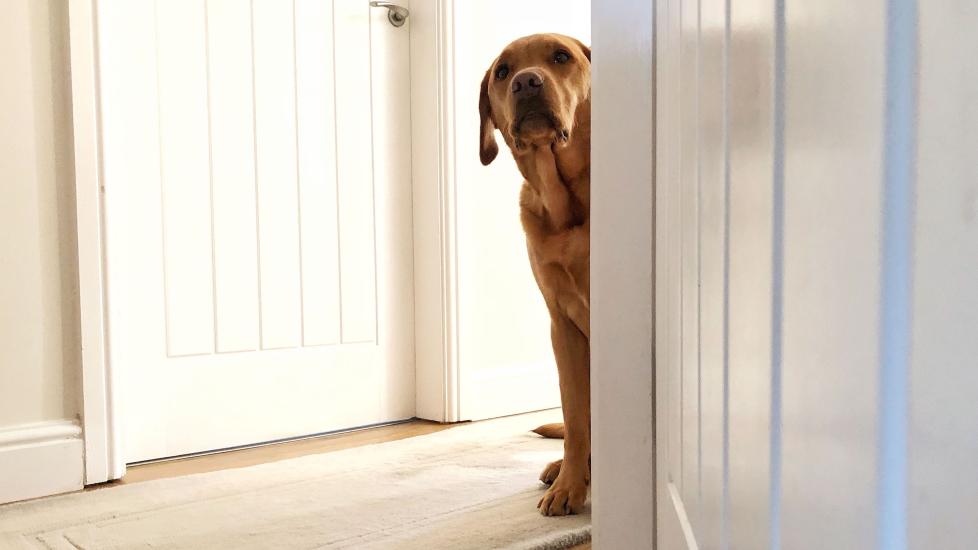
What Does a Shy or Reserved Dog Look Like? Nervous dogs can exhibit behaviors that range from shutting down to being seemingly aggressive. The level of reaction can vary depending on the intensity of the trigger. This means that a shy dog might cower if the thing that’s frightening them is at a distance, then resort to barking and growling as the scary trigger gets closer in an attempt to keep it away. Typical shy, nervous, or frightened dog behaviors include: Cowering Hiding Avoiding eye contact Low posture Tucked tail Lip licking Yawning Flattened ears Whining Pacing Trembling Barking while backing away Low energy/no energy Some shy dog behaviors, such as avoiding eye contact and yawning, can be tough to notice. It’s important that pet parents take time to observe their pup and get to know their dog’s body language. It’s easy to assume that a quiet, low-energy dog is feeling OK, but those types of “shutdown” behaviors might be masking anxiety.,How To Help an Introverted Dog Want to help your shy pup gain some confidence? The following tips are for both ends of the leash, so you and your introverted dog can learn to navigate the world with less stress. 1. Check Yourself It’s tempting to try to model bold behavior for your shy dog, but being boisterous can backfire. Instead, when your dog seems uncomfortable, speak in a soft voice, move slowly, and observe your dog’s body language for insight into how they’re feeling. Remember that our dogs have good days and bad days too, so be prepared to modify your behavior as needed. 2. Be Your Dog’s Advocate Let your dog set the pace for interactions with others. If you know your dog doesn’t enjoy meeting people during walks, intervene before well-meaning strangers come over to say hello. It’s not always easy to prevent a greeting, but saying something like, “My dog is recovering from an illness” or “We’re in training,” can make the interaction feel less awkward for introverts on the human end of the leash. 3. Use Positive Reinforcement Training All dogs benefit from positive reinforcement training, but reserved dogs in particular require the confidence boost that comes with this science-backed methodology. Avoid using any training methods that employ harsh verbal or physical corrections, especially those involving tools such as choke, electric, or prong collars. Training should always be a fun, positive experience for your dog. Training should always be a fun, positive experience for your dog. 4. Play Confidence-Building Games Play training is a stealthy way to help your shy dog feel less anxious—after all, it’s tough to be worried when you’re having a good time! Games that tap into your dog’s natural instincts, such as “find the treat” or “find the toy,” can encourage your dog to ignore potential stressors and focus on the fun. For example, if your dog starts to look anxious about something in the distance during a walk, you can scatter a handful of treats on the ground and encourage them to scoop them all up, then walk in a different direction. Or, if your dog is concerned about construction noises outside, hide a favorite plush toy and get them to focus on finding it. 5. Begin a Desensitization and Counter-Conditioning Program When it comes to training anxious dogs, there’s no tool more powerful than desensitization and counter-conditioning. This combination helps dogs form a new association to stressors by linking them to something positive. For example, if a dog is nervous around men in hats, pet parents can plan a training session with a man wearing a hat at a distance that’s far enough away to not evoke a fear reaction in the dog. Feed the pup a series of high-value treats while the dog observes the man at a distance—this helps the dog begin to connect the scary person with special goodies. Then slowly move closer to the man, all while feeding treats and making sure the dog’s body language is relaxed and confident. This slow and steady training changes a dog’s emotional response to a stressor over time, and it moves at a pace that keeps the reserved dog in a calm emotional state. Be aware that this process may take time and patience, as each dog will progress at their own pace. 6. Consider Hiring a Certified Trainer or Veterinary Behaviorist Feeling overwhelmed? Consider working with a trainer to help design a confidence-boosting program. Look for a professional who uses positive reinforcement training and is willing to work with both your dog and you. A shy, nervous, or insecure dog pushed to the limit can become a reactive dog, so it’s best to get help early to prevent behavioral challenges from worsening. 7. Love the One You’re With You’ve got a shy dog, and that’s OK! If your pup doesn’t seem overly stressed in your everyday life together and their behavior doesn’t bother you, it’s perfectly fine to carry on. Your dog doesn’t have to interact with strangers or other dogs in order to live a rich and fulfilling life. As long as you’re navigating the world as a bonded team and you’re aware of how your dog is reacting by keeping track of their body language, letting a canine introvert do their own thing is totally fine! Featured Image: Adobe/teamjackson,We love our furry best friends for their waggy-tailed, happy-go-lucky approach to life. Our dogs are basically optimism on four paws, ready to greet the world with a cheerful smile. But that’s not always the case. Some reserved dogs prefer to watch life from the sidelines rather than being a part of the action. An afternoon at the dog park? No thanks. Hanging out at a party? Pass. These shy pups defy the stereotype of the “typical” dog, but that doesn’t mean they’re abnormal. Whether through nature, nurture, or a combination of both, some dogs just happen to be loners.