Should Your Dog Wear Dolce & Gabbana’s New Luxury Dog Perfume—Or Any Perfume at All?
In This Article What’s In Fefé Dog Perfume? View 2 More +



In This Article What’s In Fefé Dog Perfume? View 2 More +

6. Sheepadoodle (Old English Sheepdog-Poodle Mix) Photo by Cavan Images/iStock / Getty Images Plus via Getty Images Sheepadoodles are an Old English Sheepdog-StandardPoodle cross that’s a friendly and fluffy dog. Like other doodle dogs, Sheepadoodles are playful and carefree, making them popular family dogs. But make sure you have the time (and funds) to dedicate to grooming, as the coat care for a Sheepadoodle requires daily brushing and regular professional grooming sessions. Weight: 65–85 pounds Height: 16–22 inches Lifespan: 12–15 years Coat colors: black, white, gray Coat texture: curly, medium Personality: active, friendly, playful, smart,7. Yorkiepoo (Yorkshire Terrier-Poodle Mix) Photo by Adobe Stock/Mary Swift Another small doodle breed, the Yorkiepoo’s parents are the Yorkshire Terrier (Yorkie) and either a Toy or Miniature Poodle. Pet parents love them for their affectionate, gentle nature and tiny size—which makes them great for apartment-living. Weight: 3–15 pounds Height: 7–15 inches Lifespan: 10–15 years Coat colors: brown, cream, black, gray, blue, gold Coat texture: wiry, curly Personality: intelligent, affectionate, gentle, outgoing,You may have seen some of the most common types of doodle dogs that have gained popularity in recent decades. Every doodle dog is a little different, based on the type of Poodle parent (Standard, Miniature, or Toy Poodle) and the breed they’re mixed with. Each doodle dog takes on traits from their parent breeds, but because there is no breed standard for any doodle, the dogs’ appearance, temperament, and care requirements can vary widely. This is part of the reason why it’s important to find a reputable breeder that prioritizes the health and care of their dogs. Even although every dog is unique—just like every human—below are a few general characteristics of each doodle dog breed so you can know what to expect in a potential pet.

By Nick Keppler About ten years ago, DNA test kits started appearing in pet supply stores. The product is a boon to anyone who has adopted a shelter dog and is curious: Are those the strong legs of a Doberman? Is that beardy face inherited from an Airedale forefather? Does that swimming talent come from some Labrador Retriever blood? The tests can also be important diagnostic tools for veterinarians. Many ailments and conditions stem from genetics passed down in the bloodlines of breeds and some sets of DNA complicate a dog’s reaction to medications. Identifying Genetic Health Risks DNA testing for dogs falls into two, potentially related categories – breed identification and identifying potential disease-causing mutations. Identifying a dog’s breed make-up with a DNA test may point to an increased likelihood of particular conditions developing in the future but is certainly not definitive. On the other hand, tests for specific genetic mutations, some of which are now being included in over the counter dog DNA test kits, are more predictive. “It may not be a bad idea to test for known mutations that cause diseases that require additional care for owners,” says Anna Kukekova, an assistant professor of genetics at the University of Illinois at Urbana-Champaign’s Department of Animal Sciences. “Some breeds have unique mutations.” Kukekova gives the example of progressive retinal atrophy (PRA), an irreversible, largely untreatable genetic disease that causes blindness. It’s been documented in more than 100 breeds, but is more common to some. It was first diagnosed in Gordon Setters. Given that vision problems in dogs have a variety of causes, prognoses and treatments, detecting the mutation that causes PRA can be a valuable step in predicting what the future holds for a particular dog. “Knowing a dog’s combinations of breeds can spur the need to be aware of disease conditions known to affect a particular breed,” says Dr. Patrick Mahaney, a Los Angeles-based veterinarian and blogger. For example, he says herding breeds, like shepherds and collies, often carry a defect in the multi-drug resistance gene, MDR1 [also called ABCB1], which yields an increased likelihood of adverse reactions to some commonly prescribed medications. “From a standpoint of care provision, knowing if my patient had a defect in the MDR1 gene would lend valuable insight as to the potential for adverse reactions,” says Mahaney.
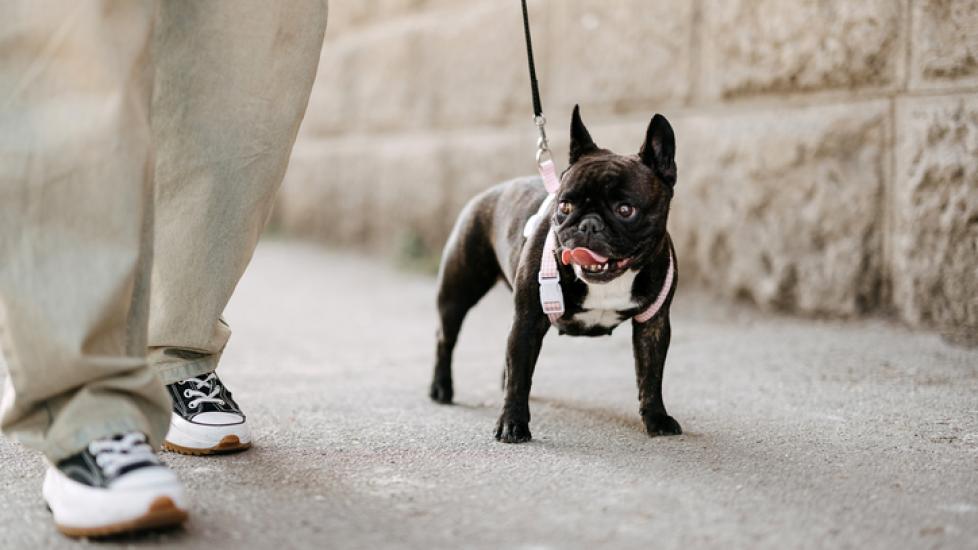
In This Article What Is a Brachycephalic Breed? View 2 More +
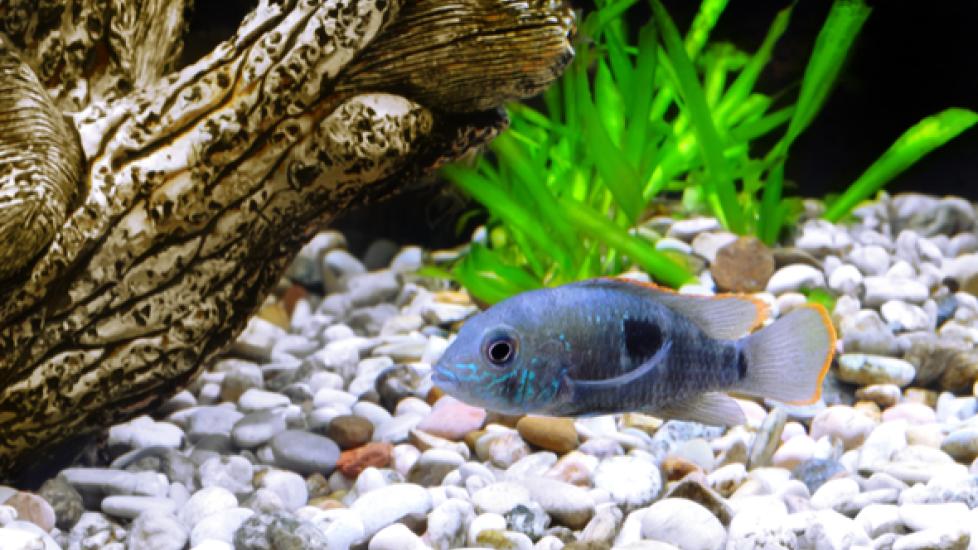
Week 3: Continue to Monitor Your Aquarium’s Water Quality During week three, you may see an increase in nitrites, which can be toxic to freshwater fish. You might have to make your aquarium’s first significant water change. Young recommends changing 15 percent to 25 percent of the fish tank’s water at this time. ,Week 4: Set Your Pet Fish Up for Continued Success By now, you’re likely in the safe zone, says Dr. Young. The bacteria levels have had time to regulate themselves, and the fish are likely adjusted to their new environment. “You’re probably doing pretty well if you haven’t had any issues at that point,” he says. Now’s the time to start your regular maintenance program. McClave recommends a 20 percent to 25 percent water change at a minimum of once every three weeks. The ideal way to perform a water change is to vacuum the substrate. This way, you are clearing the tank of the dirtiest water while also removing fish waste. You can use a fish tank vacuum to vacuum the substrate, says McClave. Finally, you want to continue to check your tank’s water two or three times per week. McClave says this is the best way to help your fish have a long and happy life. “The thing I always try to impress on people is water quality, water quality, water quality,” she says. ,Image via Brian Kinney/Shutterstock By Helen Anne Travis The first month is the most critical time for new pet fish. The adjustment to a new fish aquarium and tank can be stressful for pet fish, but with the proper fish tank setup, your new fish can thrive. This fish guide will help you figure out which aquarium supplies you need to set your new pet fish up for a long and happy life. It all starts with a little research. Determine Tank Size and Fish Type Before you go out and get new pet fish, you need to decide which type of tank you want to keep: freshwater, saltwater or brackish water. Catherine McClave, a marine biologist and owner of the Fish Doctor, Inc., in Manasquan, New Jersey, recommends a freshwater tank for beginners because it’s the easiest to maintain. McClave recommends looking for a fish tank that can hold about 30 gallons of water. “The more water you have, the easier it is for you to stay out of trouble,” she explains. “If you have a small column of water, it’s easier for things to go south quick.” Smaller tanks are more prone to such things as temperature fluctuations and overcrowding. Once you’ve picked out your tank, it’s time for the fun part: deciding which type of fish to keep in your aquarium. You can choose longer, horizontal tanks or taller, vertical tanks—it depends on the fish you choose. Some fish, like angelfish, thrive better in a taller tank while others, such as zebra danios, fare better in a longer tank. Mollies, platies and tetras are all good choices for beginners, says McClave. These pet fish have relatively easy environmental and nutritional requirements. They can also live together peacefully in the same fish aquarium.
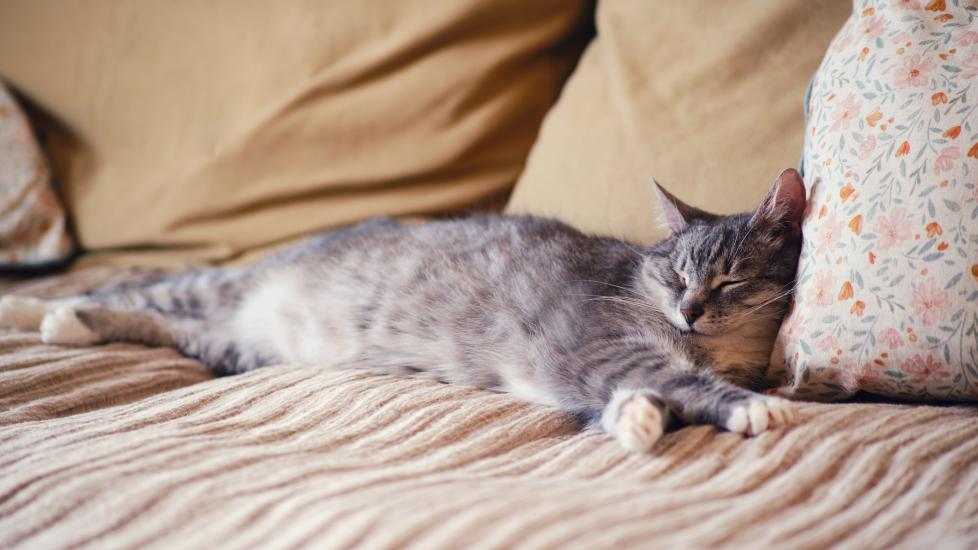
In This Article What Are the Signs a Cat Is Dying? View 3 More +

In This Article What Not To Do When Walking With Dogs View 1 More +

5. French Bulldog Photo by Adobe Stock/Petro One of the most popular dog breeds, the French Bulldog, or “Frenchie,” is a laid-back, low-energy, and friendly dog. They can fit seamlessly into many different living situations. But when looking to bring home a Frenchie, potential pet parents need to be aware of the French Bulldog’s propensity for health issues and plan accordingly. Purchasing pet insurance is a good choice for this breed.,6. Golden Retriever Photo by Adobe Stock/SasaStock The Golden Retriever hails from Scotland and is well-suited for first-time pet parents. Prized for their friendly, loyalty, and trainable nature, this breed can live well with other dogs, smaller animals such as cats, and children. Their namesake medium-length coat benefits from regular grooming, and they thrive on moderate daily exercise to manage energy and prevent undesirable behaviors that may pop up with boredom.,Bringing home a new dog is always exciting. But pet parenthood can also be a bit overwhelming—especially for those bringing home a dog for the first time. While all dogs require socialization, training, grooming, exercise, and love, some breeds might be better suited for first-time pet parents than others. Always factor in your lifestyle when choosing a dog, including your: Activity level Budget Living situation (Do you live in an apartment, or have a big fenced-in yard?) Work situation (Are you away for long hours? Do you work from home?) Here are some of the best dog breeds for first-time pet parents.

By John Plichter It’s no secret that man’s best friend comes in a variety of shapes and sizes, with assorted traits and features. Spots, coats, eye colors, and skin types all make dogs as unique as human beings. Considering the rarity, albinism in dogs is an especially curious case. Here are a few interesting facts you should know about albino dogs. They don’t actually have pink eyes While albinism presents itself as pink irises in albino rabbits and rodents, the same does not apply for dogs. Dr. Stephanie Pumphrey, assistant professor of veterinary ophthalmology at Tufts Cummings School of Veterinary Medicine, notes that the true telltale sign of an albino dog would be lack of pigment around their eyes. “Most dogs that are considered ‘albino’ have skin that appears pink around their eyes rather than pigmented skin, which can give the eyes a pinkish look,” Pumphrey says. While it is impossible to know whether a dog is a true albino without genetic testing, “most albino dogs will actually have blue eyes and pink noses.” Dogs with white coats and dark eyes or noses can sometimes be confused as albino, but unless they have pink noses and pink skin around their eyes, they are not albino, just white coated. They’re hard to come by There are very few true albino dogs. For a dog to be considered albino, he or she must lack the genes necessary to produce melanin, the pigment responsible for skin and hair coloring. There are other coat patterns that can be confused for alibinism, however, such as merle and piebald patterns. These coat patterns result in something similar to albino, and most often occur in Australian Shepherds, Great Danes, Dachshunds, and Collies, to name a few. “Merle patterning is inherited as a dominant trait, meaning that the dog only needs to receive a copy of the merle gene from one parent in order to have a merle coat,” Pumphrey notes. Albinism occurs more often when dogs have two copies of a recessive gene, she says, which will cause the characteristics of albinism.
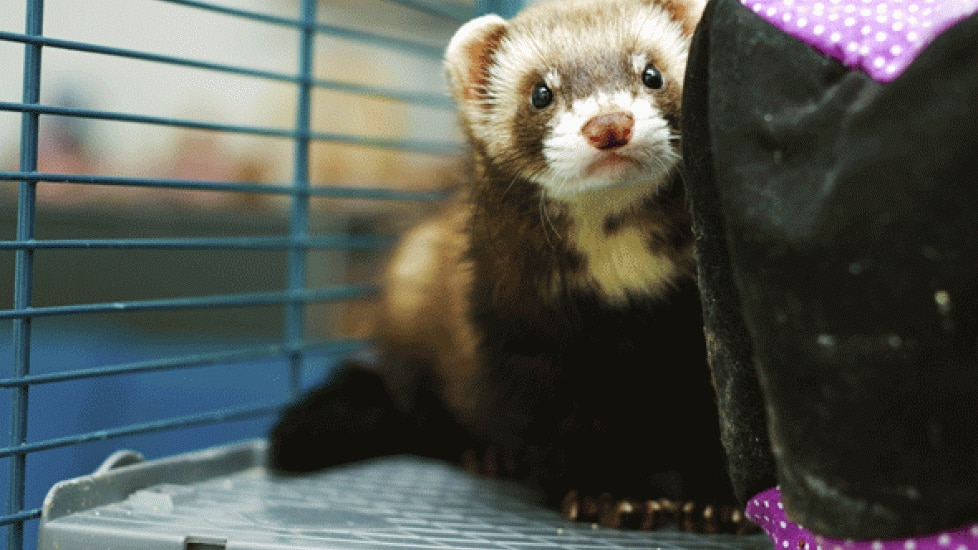
by Cheryl Lock No matter how much you love your pet ferret, there’s one thing ferret owners don’t love, and that’s the smell of ferret poop around the house. But with a little luck and a lot of patience, you can train your ferret to use a litter box. “It’s not always an easy task, but yes, it is very possible [to litter box train a ferret],” says Serena Fiorella, LVT, owner of Treat Worthy Pet Creations, LLC. “Usually ferrets like to relieve themselves in corners, and they don’t usually go where they eat or sleep. So, theoretically, a litter box in their favorite corner of the cage should work.” To start, Fiorella suggests training your ferret as young as possible, since babies usually take to the idea fairly easily. “It is much harder to litter train an older ferret that has gone most of his life without using a litter box,” she said. Harder, yes, but still not impossible. Here are some pointers from Fiorella to help get you started, no matter how old your ferret is. Where should I put the litter box? In the cage is always best, says Fiorella. “Training a ferret to use a litter box outside of the cage is much more challenging since there are more places to explore, and they usually end up far away from the box when they need it,” she said. “Ferrets have a very fast metabolism, so when they have to go, they have to go. If the box is too far away, they won’t use it. I definitely recommend getting them trained to use a box in their cage before even considering letting them loose in the house.” In general, your ferret will already have exhibited where in his cage he prefers to go (probably in a corner), so use that to your litter box training advantage. Be open to trying different areas though, suggests Fiorella. “They may decide they don’t like the corner you put the box in after all, and you may have to move it.” You can also try putting multiple boxes in several corners throughout the cage to get a feel for which location your ferret likes best. Cages with more than one level should have a box on each level to make it easier for your ferret to use it immediately when he has to, said Fiorella. It’s also a good idea to attach or tie down the litter box in the cage. “Ferrets are big into rearranging their surroundings,” says Fiorella, “and they will dig the box away from the wall or out of the cage corner and go next to it, right where the box should be.”


What Is a Horse Whisperer? Your Guide to Natural Horsemanship

The 5 Best Winter Dog Sports and Activities to Try With Your Pup