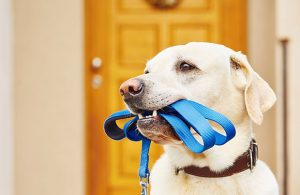
Dogs pull because it works – they pull, we follow — and before you know, it you’ve got a certified sled dog on your hands. Walking a “puller” can be an uncomfortable chore and, if you have a big dog that pulls, you might be less inclined to walk your dog because it’s painful. “Untraining” a leash puller is a challenge because you’re competing with muscle memory; dogs get used to the idea that tension around their neck means forward progress. The secret to curbing a dedicated puller is to teach your dog that pulling never works, meaning, when he pulls the walk comes to a complete stop. If your dog circles back to you when you stop, give him a treat when he’s close to you and keep walking. Continue to give him small rewards for maintaining his position beside you as you walk. If he opts to stand at the end of the leash instead of circling back to you, try giving him a “penalty yard” by walking backwards with your dog until he comes to your side, at which point you give him a treat. Then continue walking, giving him occasional treats for remaining close to you without pulling.,We spend a lot of time with a leash between us and our dogs, so it’s important to make daily walks as enjoyable as possible. While we all strive for harmonious leash walks, the reality is that we sometimes accidentally sabotage them, allowing little annoyances to grow into unmanageable problems. The following common leash mistakes can turn a pleasant stroll into a major bummer, but the good news is with focused attention, occasional dog treats and heaps of praise, you’ll soon be on the path to happier walks.