What Is a Horse Hoof Made Of?
In This Article Horse Hoof Anatomy View 5 More +


In This Article Horse Hoof Anatomy View 5 More +
In This Article Horse Trailer Cleaning and Safety View 2 More +
In This Article Summary View 6 More +
Signs of Neurological Problems in Horses Neurological problems in horses can be challenging to diagnose and treat. These conditions can range from mild to fatal depending on the condition, and how soon signs are recognized. There are several clinical signs that may indicate a neurological problem in horses. These signs may include: Ataxia: a lack of coordination and unsteady gait Difficulty standing or walking Head pressing: pushing the head against a solid object Muscle tremors or twitching Loss of balance or falling Circling or turning in circles Abnormal eye movements Seizures If you observe any of these signs in your horse, contact a veterinarian immediately.
In This Article Summary View 4 More +

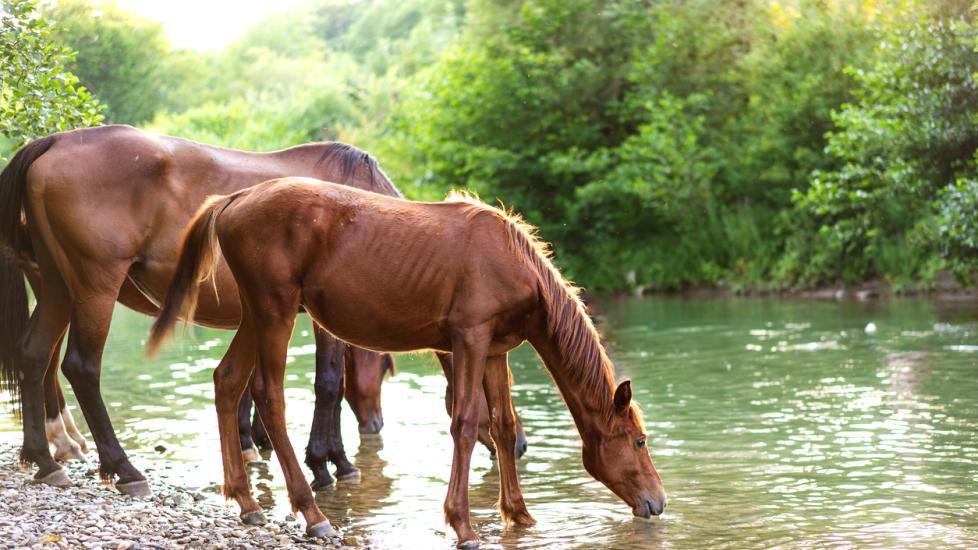
The Gelderland, or Gelderlander, is a heavy warmblood breed of horse that was developed in the Netherlands province of Gelderland. An ancient breed, they are typically used as riding, competition, or harness horses. Physical Characteristics The Gelderland stands between 15 and 17 hands tall and is typically chestnut in color, although grey, bay, and black are commonly seen. Many have distinctive markings on the forehead or legs. The Gelderland has an elongated head and sometimes convex neck; meanwhile, the withers, which are slightly broad, connect with the shoulders at a slight angle, though still in proportion with the neck and wide chest. The Gelderland also has strong legs, supple joints, and tough, well-formed hooves. The breed has a fluidity in motion, with elegant high-stepping action at the trot.
In This Article Summary View 6 More +

In This Article Summary View 7 More +
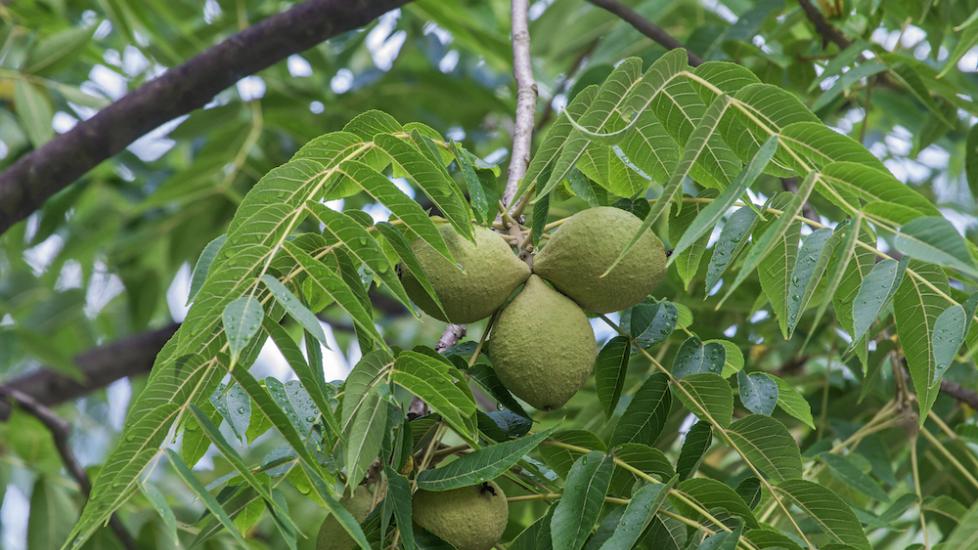
Prevention of Black Walnut Toxicity in Horses Prevention is the best way to avoid black walnut toxicity in horses. Best practices include: Check any new pasture or area your horse may be turned out when moving. If possible, have walnut trees removed and clear the area of nuts and hulls before allowing your horse out. Having a nut gatherer can make nut and hull pick-up quick and easy. If possible, horses should be kept away from black walnut trees and not allowed to graze under them. This may involve moving fence lines, or only turning horses out under supervision if removing the trees isn’t an option. Do not use bedding containing black walnut shavings. Featured Image: iStock.com/nickkurzenko,What Is Black Walnut Toxicity in Horses? The black walnut tree is a tall deciduous tree that can grow up to 100 feet tall. It has dark green leaves and a thick, ridged bark that is dark brown or black. The black walnut fruit, which is the nut, is round and about the size of a golf ball. It has a hard, thick shell that is difficult to crack and contains a sweet, oily kernel. Black walnuts are found in many areas of North America and are commonly grown for their delicious nuts. However, these trees and nuts contain a chemical called juglone, which is toxic to horses and other animals, causing serious health issues that can be fatal if left untreated.

WRITTEN BYCourtnee Morton, DVM, CVA, CVC Veterinarian Dr. Courtnee Morton is a 2017 Ross University School of Veterinary Medicine graduate. Since graduation, she completed an equine internship…,What Does Equine Therapy Do? Winston Churchill once said, “There is something about the outside of a horse that is good for the inside of a man.” Equine Assisted Therapy (EAT) programs are designed to help emotional, mental, or physical growth of people through interactions with the comforting nature of horses. While the use of small animals for companionship and therapy has been studied for a century, horses have stepped into this role more recently. As we learn more about the connection between horses and humans, EAT programs are likely to continue expanding as complementary healing methods in conjunction with medical and talk therapy. The perceptive characteristics of horses can spark an interest and affinity in people of all ages.
What Is a Horse Whisperer? Your Guide to Natural Horsemanship

The 5 Best Winter Dog Sports and Activities to Try With Your Pup