Anemia in Newborn Foals
In This Article Summary View 6 More +


In This Article Summary View 6 More +

In This Article Summary View 7 More +
In This Article Summary View 6 More +

In This Article What Does a Horse Runny Nose Look Like? View 5 More +
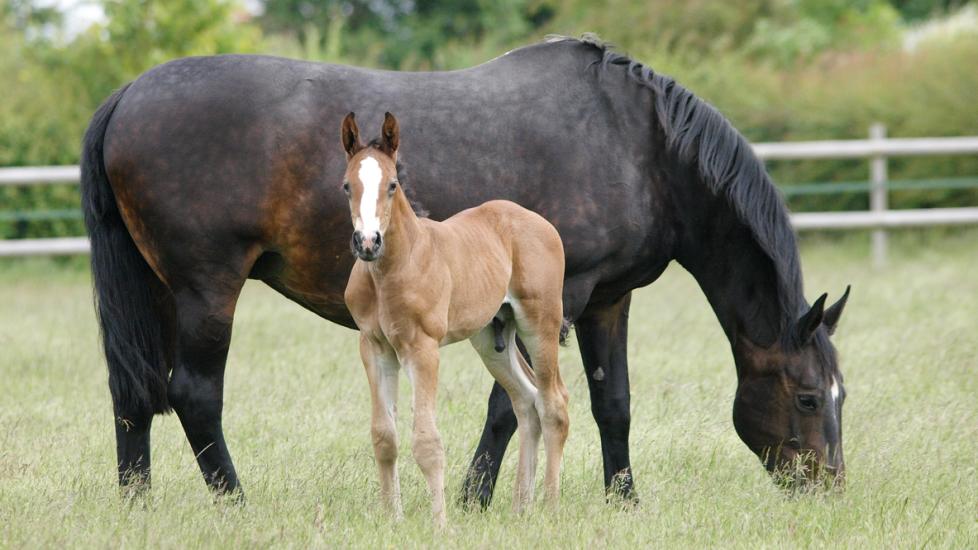
Is Artificial Insemination Better for Horses? AI has many potential benefits for horses, including mare safety and transportation considerations. Intact stallions breeding via live cover can be potentially dangerous for all involved—both the horses and their handlers. If a mare is not quite ready to be bred yet, she may reject the stallion which can involve squealing and kicking; and stallions in the heat of the moment often forget their manners. Helmets are important for handlers as the stallion often flings his hooves out when trying to mount the mare, and both horses can decide to kick. The act of breeding can also cause trauma to the mare’s reproductive tract occasionally, and stallions often bite or create wounds on the mare’s side. While AI may have slightly lower success rates in comparison to live cover, the safety considerations are considerable, and it is much easier to ship semen overnight than having to ship your mare to potentially another state to reside there during the breeding season until success has been achieved.,What Are the Disadvantages of Artificial Insemination in Horses? One of the largest disadvantages of AI vs. live covering your mare with a nearby stallion is the cost. Fees for breeding AI include the breeding contract, veterinary exams, shipping fees for semen, along with any surprise complications or repeat fees if things don’t go according to plan. Common obstacles include issues discussed above, along with unforeseen shipping delays or issues, missed ovulations, and not making “the list” in time on day of collection (each semen collection only makes a set number of doses, which is shipped on a “first come, first serve” basis). Featured Image: iStock.com/nigelb10,What Is Artificial Insemination in Horses? Artificial insemination (AI) in horses has become a popular breeding technique, as it allows horse breeders to improve the genetic quality of their herd without the risks of natural breeding. AI in horses involves the collection, preservation, and transfer of semen from a stallion to a mare. AI is helpful when a particular stallion may live far away from the mare, or when a mare has been difficult to impregnate. The AI process allows for more control in the breeding of a mare than natural “live cover,” or pasture breeding.
In This Article Summary View 6 More +
In This Article FAQs
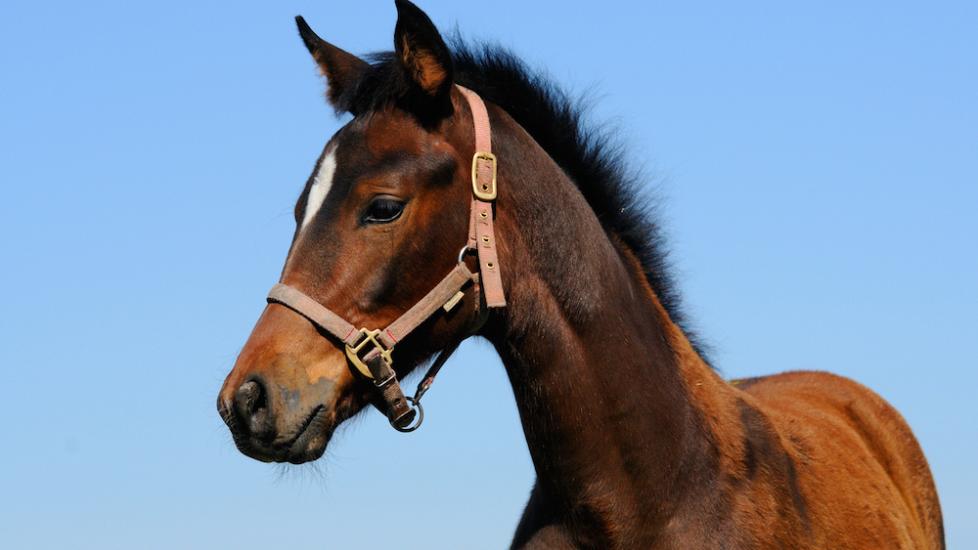
When to Start Training a Foal The birth of a foal is an exciting time for any horse owner. Whether your horse is born on a breeding farm or in your backyard, training a foal is a gradual process that starts as soon as the foal is born. The following is a general timeline for training foals: Handling Foals should be handled gently and regularly from the first day of life. This will help to develop a trusting relationship between the foal and handler. While the first few days are crucial in the mare/foal relationship, getting both horses used to you being involved and touching the foal will decrease stress down the road. Short interactive sessions can gradually increase over time, and should include lots of petting and making sure the foal becomes comfortable having hands on them including the belly, ears, feet, and hind end. This will make them more at ease for later skills such as haltering, tacking, and other daily practices. As they get used to being touched, gradually work on picking their feet up, as this will be a practical skill to make life easier for farriers and veterinary care. As foals age, some can become a bit mouthy, or start to nip at you as a sign of play or affection. While this may seem “cute,” especially in mini or pony foals, this can predispose them to potentially dangerous behaviors if allowed to continue, so this behavior should be nipped in the bud early on. Socialization The foal should be allowed to interact with other horses as soon as possible. This will help to develop social skills and reduce the risk of aggression towards other horses later in life. After your mare and foal adjust to their new life together, it is common practice to turn small groups of mares and foals out together, if all the mares are gentle and non-aggressive. This helps promote socialization for the youngsters, and adequate exercise. Weaning Foals are typically weaned between 4-6 months of age. This is a gradual process that involves separating the foal from the mare for increasingly longer periods of time until the foal is fully weaned. Sometimes a mare will wean a foal on their own, other times this must be enforced by the handler. There are two major approaches to weaning: one which involves separation when the foal and mare can still see and hear each other, and perhaps touch nose to nose; the other involves separating them by a much larger distance where they cannot see or hear each other. Both methods have certain advantages as well as cautions; discuss with your veterinarian which route may be best for your mare and foal based on their health and temperaments.
In This Article FAQs
In This Article 3 Types of Anti-Inflammatories for Horses View 3 More +

What Is a Horse Whisperer? Your Guide to Natural Horsemanship

The 5 Best Winter Dog Sports and Activities to Try With Your Pup