Scratches in Horses: Causes and Treatment
In This Article Summary View 6 More +


In This Article Summary View 6 More +

In This Article Summary View 6 More +
In This Article Summary View 6 More +
In This Article Summary View 6 More +
In This Article Summary View 5 More +
In This Article Summary View 6 More +
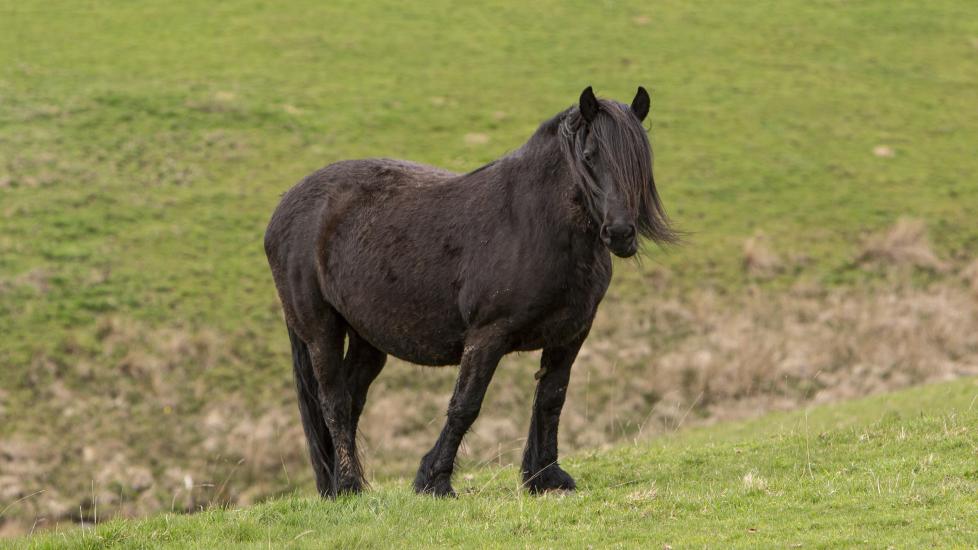
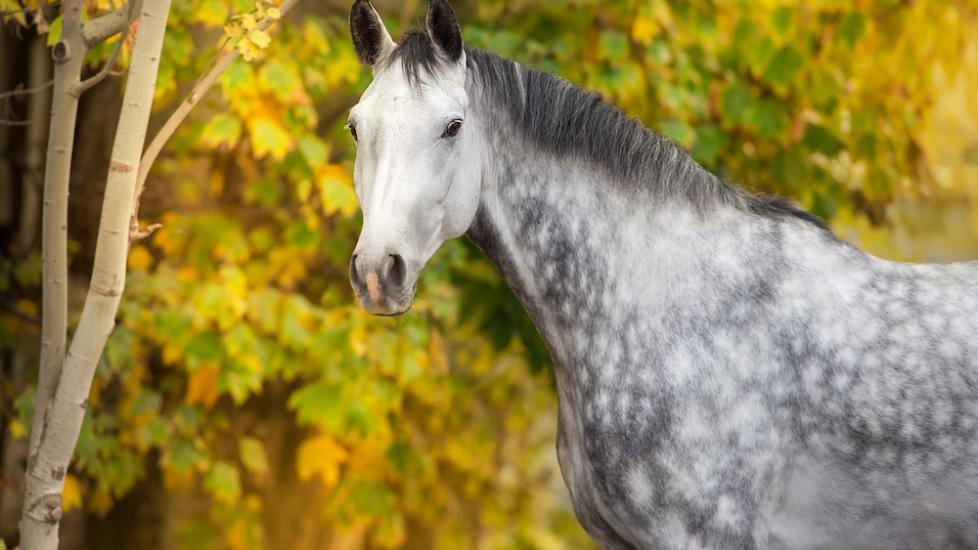
An ancient breed, the Highland pony is thought to have inhabited Scotland before the Ice Age, or been brought over by prehistoric nomads. Though small, the pony is used for pack duty and draft work, as well as for riding and jumping. Physical Characteristics Highland ponies are unique in their own right. With a well-balanced facial profile, stunning eyes, and proportionately set muzzle, the Highland pony is considered an attractive horse by most. Their winter coat is quite thick, but it slicks off well in the spring. Colors include shades of dun, grey, black, bay, and liver chestnut; some Highland horses even have tiger stripes on their limbs and dorsal stripes along the back. They have strong and nimble feet, which makes them ideal for packing through rough or steep terrain. The Highland measures between 12.1 to 14.2 hands high (48-57 inches, 122-144 centimeters). Although short, they are typically hefty and can weigh up to 1300 pounds. Surprisingly, though, the Highland pony is capable of carrying heavy loads due to their sturdy build.

In This Article Mane Pulling Supplies View 5 More +
In This Article Summary View 6 More +
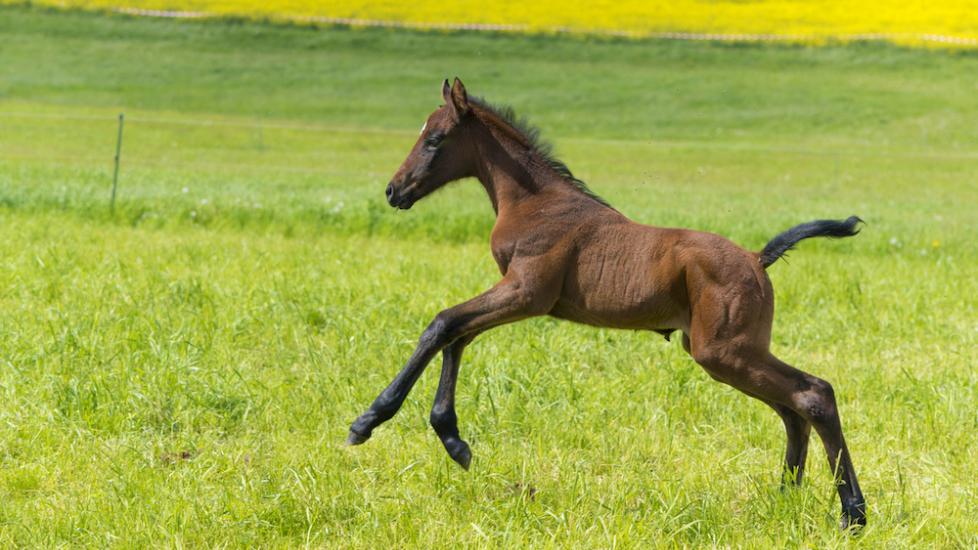
References Close,WRITTEN BYCourtnee Morton, DVM, CVA, CVC Veterinarian Dr. Courtnee Morton is a 2017 Ross University School of Veterinary Medicine graduate. Since graduation, she completed an equine internship…,Do Foals Need Vaccines? Newborn foals get protection from disease through antibodies in mare’s milk, if the mare was vaccinated shortly before giving birth, but this immunity only lasts a short time. In order to build up their own immune systems, foals are usually given a series of vaccines starting as early as a few months of age. What Is a Vaccine? A vaccine is a biological preparation that helps protect the body from specific diseases such as viruses or bacteria. It stimulates the immune system to recognize, remember, and then fight off harmful pathogens if a horse is ever exposed to them naturally. Vaccines are made from weakened or inactivated forms of a pathogen, such as a deactivated form of the equine flu virus. When the body is introduced to the weakened viral protein, it mounts a response and creates appropriate antibodies specific to that disease. If a horse is ever exposed to that bacteria or virus in the future, their immune system can then react more efficiently and effectively. Vaccines are typically prepared in either a killed form, or a modified live version. If a specific disease has both options available commercially, discuss the pros/cons of each with your veterinarian, as each horse has different needs and may benefit more from one vs the other. Modified live vaccines are given intranasally (through the nose) and may elicit a stronger immune response which can lead to illness or vaccine reactions. In immunocompromised or susceptible patients, these may not be ideal. Because foals do not have developed immune systems, killed vaccines are typically implemented if both forms are available.
What Is a Horse Whisperer? Your Guide to Natural Horsemanship

The 5 Best Winter Dog Sports and Activities to Try With Your Pup