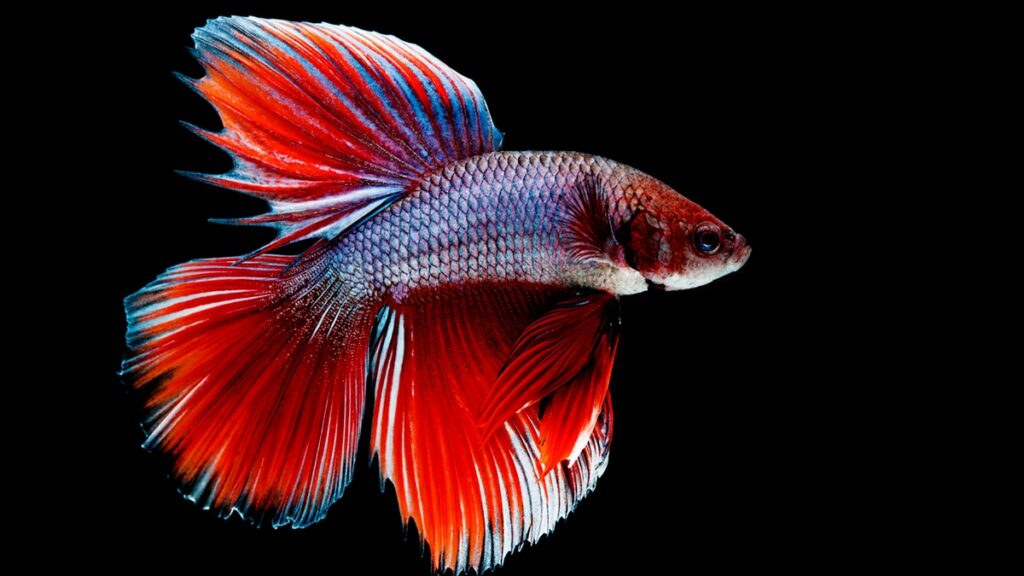
Abnormal swimming patterns are usually the first distinct signs that there is something wrong with your fish. You may notice that your betta seems drunk, swims in circles, or drifts with the current. There are also those that may sink to the bottom and are unable to raise itself, or may be incapable of swimming toward the bottom. A sick betta may also float and stay at the water’s surface. A fish suffering from severe health problems may swim upside down with its abdomen facing toward the water surface. Erratic swimming behavior may be caused by several factors. These include: Parasites affecting the skin and gills – ich, gill and skin flukes, fish lice, and anchor worms Infection of the swim bladder Nervous system disorders –fish often exhibit circling and whirling patterns Neurological damage – bacteria or parasites may infiltrate the brain and surrounding tissues, causing damage Blindness or poor vision – associated with cataracts or corneal damage, which may be hereditary or a result of nutritional deficiency. Excess gas in the water or fluid retention may cause exophthalmia (pop-eye). Parasites such as tapeworms or flukes may migrate into the eye Hypoxia – associated with oxygen-poor water, anemia, or gill disease Nutrition – lack of fiber or other specific nutrients in the diet may result in poor motility of the intestines, thereby resulting in the accumulation of air in the intestines, causing the fish to float abnormally at the surface. Poor water quality – the accumulation of waste by-products in the aquarium water may irritate your fish, and may respond by darting about uncomfortably.,Getting to know the natural behaviors of your betta (Betta splendens) is always a good idea, since it will be easier for you to identify any potential problems at an early stage. Treating specific health problems before they become full-blown is much easier than trying to treat fish suffering from advanced stages of ill health. Water testing should be undertaken first to rule out any abnormality associated with water parameters, including ammonia, nitrate, and pH. Here are some common symptoms that aquarists should look out for to ensure that whatever problems their betta fish may be experiencing will be addressed the soonest possible time.